
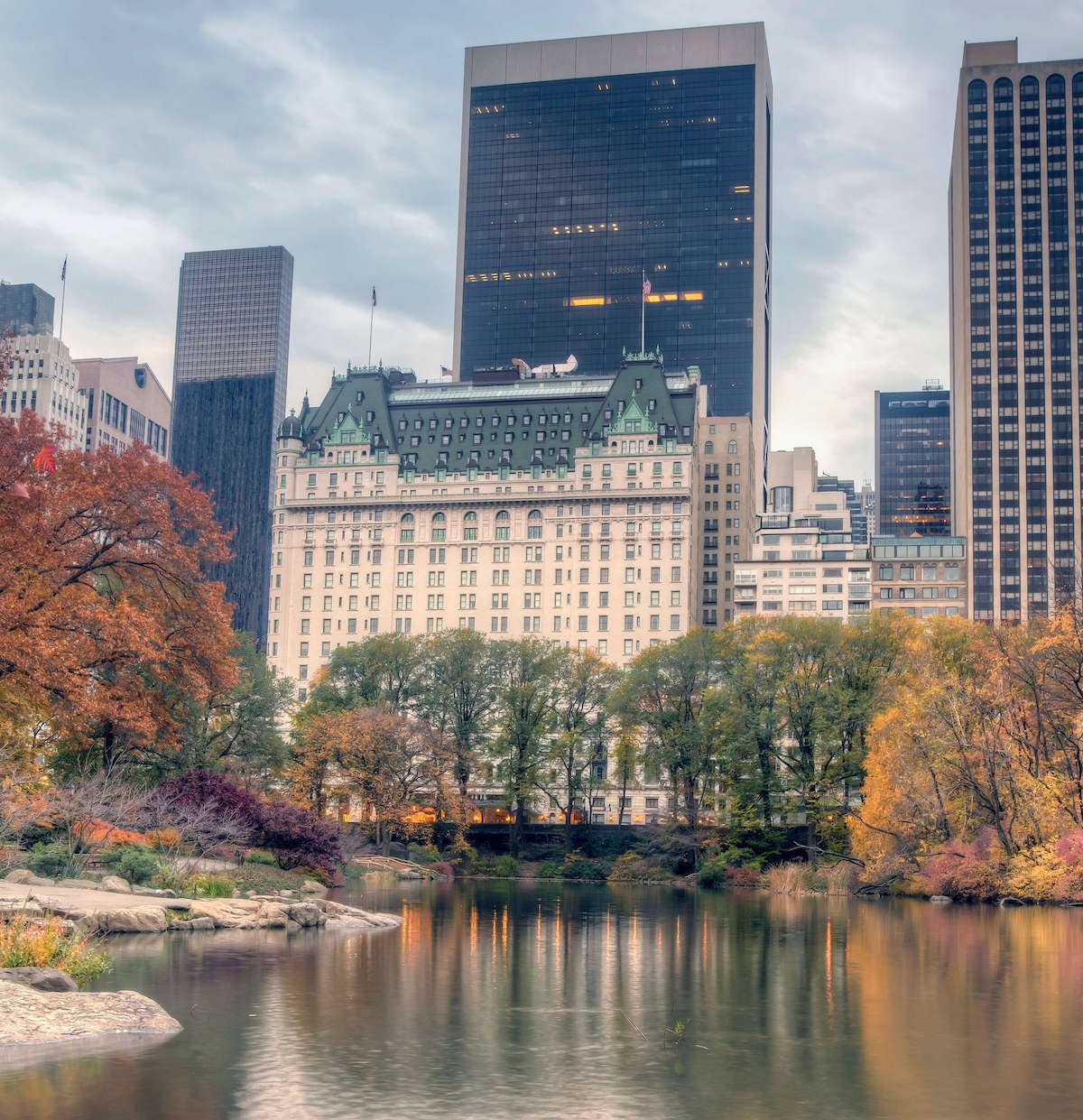
The skyline of Manhattan is defined by its architectural marvels, but few structures command the same level of reverence and historical intrigue as The Plaza Hotel. Situated at the prestigious intersection of Fifth Avenue and Central Park South, this French Renaissance-style masterpiece has been a symbol of luxury and high society since its doors first opened in 1907. While the hotel has seen various owners throughout its century-long history, one of the most publicized and transformative eras occurred when Donald Trump acquired the property. His tenure, which spanned from 1988 to 1995, remains a pivotal chapter in the narrative of this New York City landmark, blending real estate ambition with a commitment to restoring Gilded Age opulence.

The Landmark Acquisition: A Record-Breaking Entry into 1988
The journey of Donald Trump’s ownership began in the late 1980s, a period characterized by aggressive real estate expansion in the United States. In 1988, Trump purchased The Plaza Hotel from Westin Hotels for a staggering $407.5 million. At the time, this was the highest price ever paid for a single hotel property, reflecting both the prestige of the asset and Trump’s vision for its future. He famously referred to the building as the “Mona Lisa” of the architectural world, emphasizing that its value transcended mere square footage or room counts.
A Gateway to Central Park
The allure of the property was largely tied to its unparalleled location. Overlooking Central Park and the Grand Army Plaza, the hotel served as the northern anchor of Manhattan’s luxury corridor. For Trump, owning the hotel was not just a business transaction; it was a branding exercise that solidified his status among the global elite. The acquisition meant that he controlled one of the most recognizable facades in the United Kingdom and Europe as well, given the hotel’s international reputation as a destination for foreign dignitaries and celebrities.
Navigating the Historical Significance
Upon taking ownership, it was clear that the building was more than a commercial enterprise; it was a protected piece of history. The Plaza Hotel had been designated a National Historic Landmark in 1986, and its exterior was protected by the New York Landmarks Preservation Commission. This designation meant that any changes to the structure had to be handled with extreme care, ensuring that the original vision of architect Henry Janeway Hardenbergh remained intact. Trump’s arrival signaled a shift from corporate management to a more personalized, albeit flamboyant, stewardship of this historic icon.
Architectural Stewardship and Interior Restoration
Donald Trump’s ownership era is perhaps most remembered for the intensive restoration efforts aimed at returning the hotel to its former glory. Having fallen into a state of slight neglect under previous management, the interiors required a massive infusion of capital and vision. Trump appointed Ivana Trump as the president of the hotel, and together they embarked on a multi-million dollar renovation project that sought to highlight the building’s Beaux-Arts pedigree.
Restoring the Palm Court and Oak Room
One of the primary focuses of the renovation was the rejuvenation of the hotel’s legendary public spaces. The Palm Court, famous for its afternoon tea service and soaring stained-glass ceiling, underwent meticulous cleaning and repair. Similarly, the Oak Room and the Edwardian Room, which had long been the haunts of New York City power brokers, were polished to accentuate their rich woodwork and old-world charm. These spaces were essential to the landmark’s identity, providing a sense of continuity that linked the modern era back to the days of the Astor Family and Vanderbilt Family.
Gold Leaf and Gilded Elegance

The aesthetic of the Trump era was unapologetically opulent. Hundreds of craftsmen were hired to apply gold leafing to the ornate moldings and cornices found throughout the lobby and the Grand Ballroom. The goal was to create an environment that rivaled the finest palaces of France. By upgrading the chandeliers, sourcing period-appropriate furniture, and installing marble baths in the suites, the ownership sought to justify the hotel’s position as the premier luxury accommodation in North America. This period of ownership reaffirmed the hotel’s status as a “living landmark,” where the history of the United States intersected with contemporary luxury.
Financial Challenges and the 1995 Transition
Despite the successful physical restoration of The Plaza Hotel, the early 1990s brought significant economic challenges. The real estate market in New York City cooled, and the heavy debt load incurred during the initial purchase became difficult to service. The hotel, while prestigious, struggled to generate enough profit to cover its high interest payments, leading to a complex financial restructuring process.
The Restructuring of Ownership
By 1992, the financial pressure led to a pre-packaged bankruptcy filing for the hotel. This move allowed the property to continue operations while shifting a majority stake to a group of banks, including Citibank. Trump remained the figurehead and retained a minority interest, but the day-to-day control began to shift. This period was a microcosm of the larger economic trends affecting the Manhattan luxury market at the time, where even the most storied landmarks were not immune to the fluctuations of global finance.
The Final Sale to International Investors
The Trump ownership officially concluded in 1995. The hotel was sold for $325 million to a partnership between Prince Al-Waleed bin Talal of Saudi Arabia and the CDL Hotels International group based in Singapore. While the sale price was lower than the initial acquisition cost, the transaction was seen as a strategic exit that allowed the landmark to enter a new era of international investment. Under the new ownership, the management was eventually handed over to Fairmont Hotels and Resorts, marking the end of the highly personalized “Trump Era” and the beginning of a more globalized management structure.
The Cultural Legacy of the Trump Era
The years between 1988 and 1995 left an indelible mark on how The Plaza Hotel is perceived in popular culture. It was during this time that the hotel became a frequent backdrop for Hollywood cinema, most notably in Home Alone 2: Lost in New York. This exposure cemented the hotel’s image as the ultimate destination for luxury travelers visiting New York City.
A Destination for Global Events
During his ownership, Trump leveraged the hotel as a venue for high-profile social events, further elevating its landmark status. The Grand Ballroom hosted countless charity galas, weddings, and political gatherings that were frequently covered by international media. This visibility helped the hotel maintain its competitive edge against other historic properties such as the Waldorf Astoria and the St. Regis New York. The hotel wasn’t just a place to stay; it was a stage where the drama of Manhattan high life played out daily.
Maintaining the Architectural Integrity
One of the lasting legacies of this ownership period was the preservation of the building’s physical integrity. Despite the financial turmoil, the renovations performed in the late 80s and early 90s ensured that the essential elements of the National Register of Historic Places listing were protected. The meticulous attention to the exterior stonework and the interior gold leafing meant that when the hotel eventually transitioned to new owners, it did so as a well-maintained jewel of Fifth Avenue.
In retrospect, the question of when Donald Trump owned The Plaza Hotel points to a transformative seven-year window that bridged the gap between the hotel’s traditional past and its modern identity as a global icon. From the record-breaking purchase in 1988 to the strategic sale in 1995, this period remains one of the most discussed chapters in the history of New York City real estate. Today, as visitors walk through the gilded lobby or look out over Central Park, they are experiencing a landmark that has been shaped by over a century of ambition, including the distinct and opulent touch of the Trump years.
LifeOutOfTheBox is a participant in the Amazon Services LLC Associates Program, an affiliate advertising program designed to provide a means for sites to earn advertising fees by advertising and linking to Amazon.com. Amazon, the Amazon logo, AmazonSupply, and the AmazonSupply logo are trademarks of Amazon.com, Inc. or its affiliates. As an Amazon Associate we earn affiliate commissions from qualifying purchases.