
The question of where The Plaza Hotel is located is often met with a multifaceted answer. Geographically, it occupies one of the most coveted pieces of real estate in the United States, but culturally and historically, its location is at the very nexus of New York City high society and architectural ambition. Situated in Midtown Manhattan, this iconic structure is more than just a place of rest; it is a National Historic Landmark that has come to define the skyline and the spirit of Manhattan. To find it, one must look to the intersection where the bustling energy of commerce meets the tranquil greenery of the world’s most famous urban park.
The Geographic and Cultural Heart of Manhattan
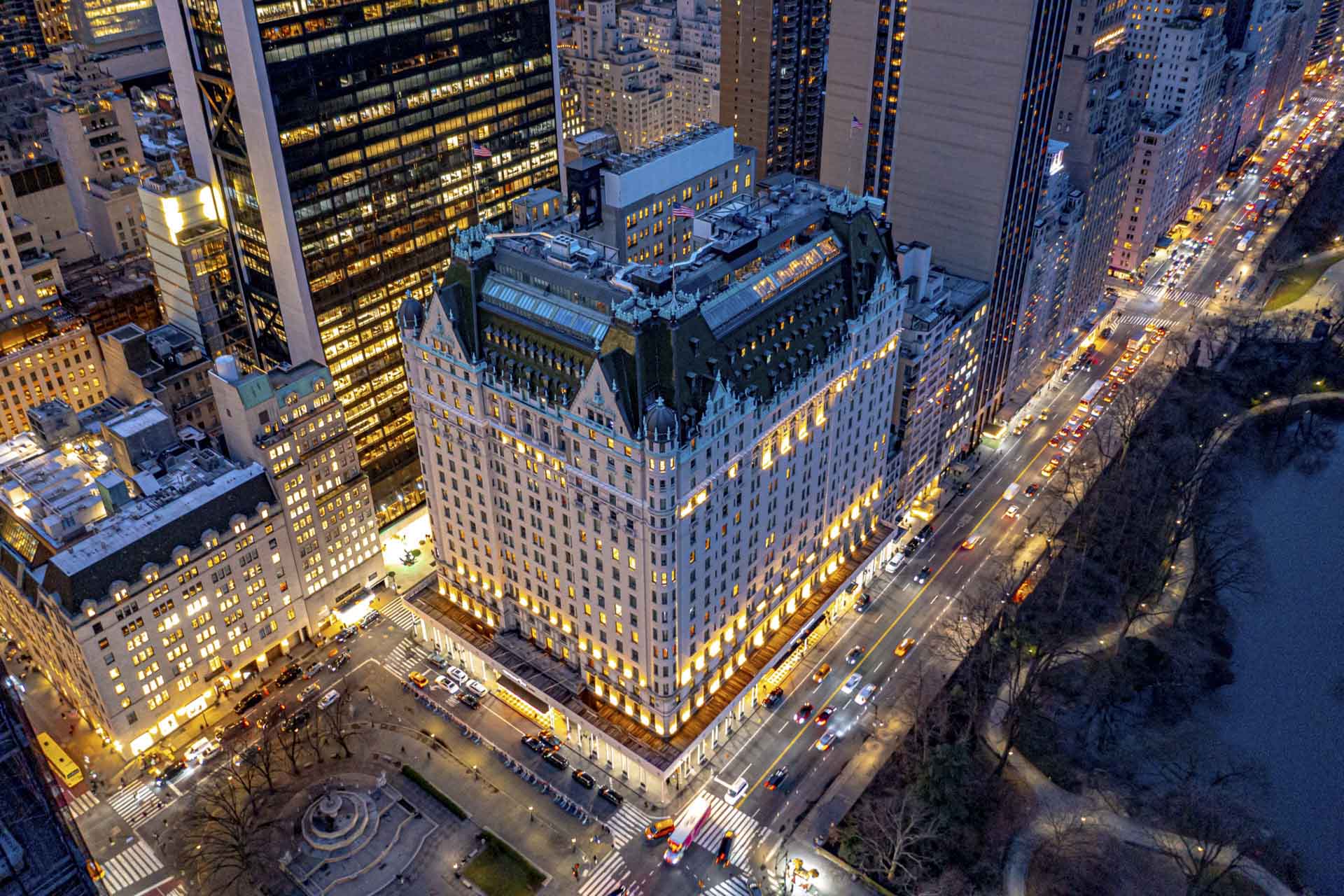
To pinpoint the exact location of The Plaza Hotel, one must navigate to 768 Fifth Avenue, New York, NY 10019. It stands on the west side of Fifth Avenue, specifically on the corner where it meets Central Park South (59th Street). This specific positioning is no accident; it was designed to be the crown jewel of the city, overlooking the southeastern entrance of Central Park.
Fifth Avenue and Central Park South: The Intersection of Elegance
The intersection of Fifth Avenue and Central Park South is arguably the most recognizable corner in the world. To the north lies the sprawling 843-acre expanse of Central Park, while to the south, Fifth Avenue stretches out as a canyon of luxury retail and historic institutions. Standing at this transition point, The Plaza Hotel acts as a gateway. It separates the dense, vertical ambition of the Midtown Manhattan skyline from the open, democratic landscape of the park. For visitors, finding the hotel is a simple matter of looking for the point where the city’s grid meets its “green lung.”
The Grand Army Plaza Connection
Immediately to the east of the hotel’s main entrance is Grand Army Plaza. This public square is divided into two parts by 59th Street. The northern half is home to the golden equestrian statue of William Tecumseh Sherman, while the southern half features the magnificent Pulitzer Fountain. This fountain, inspired by the Place de la Concorde in France, provides the dramatic foreground that frames the hotel. The presence of these monuments confirms The Plaza Hotel as part of a larger, intentional civic landscape designed to evoke the grandeur of European capitals within the American context.
Architectural Grandeur: A Landmark Designed for the Ages
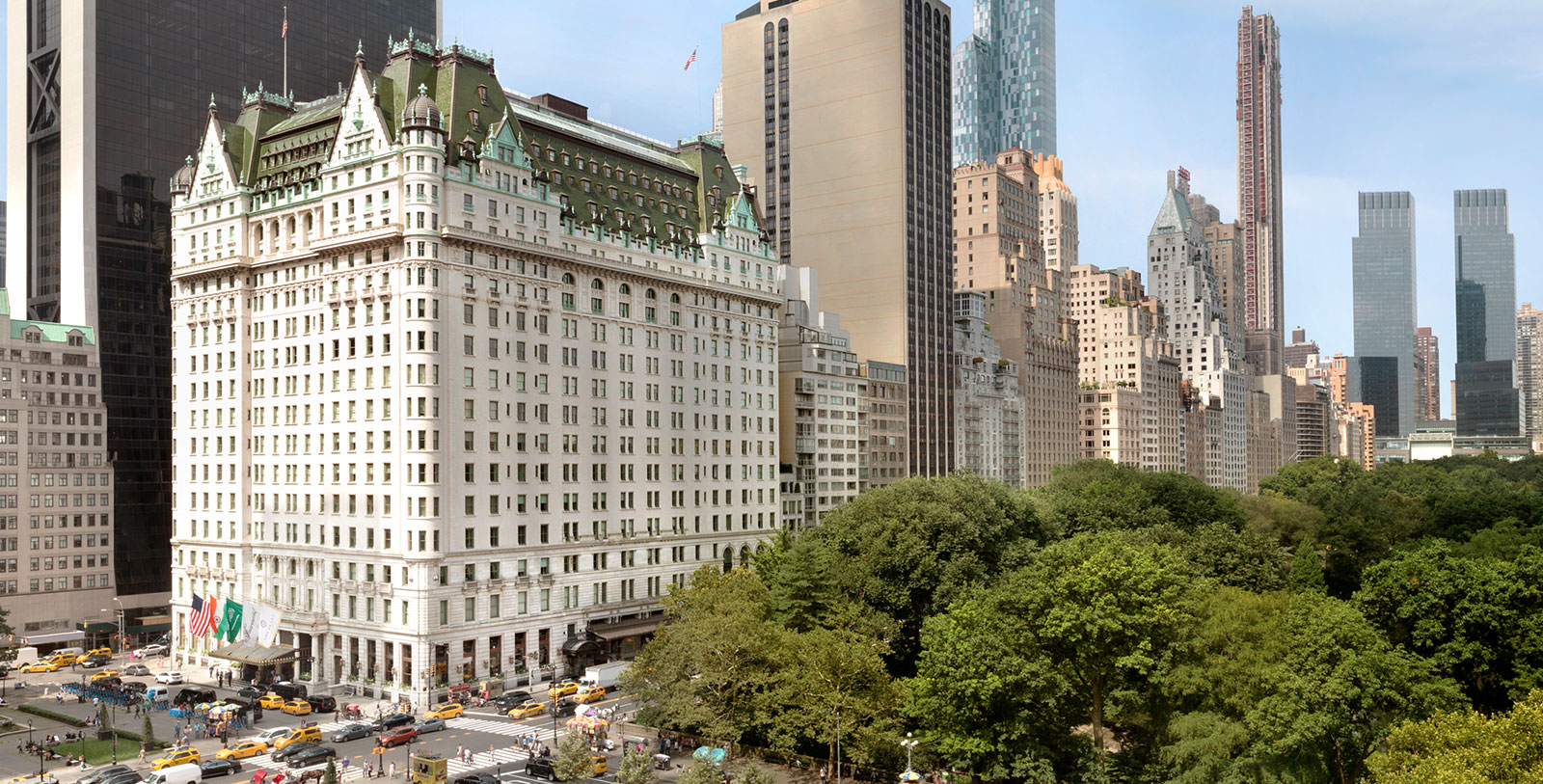
To understand where The Plaza Hotel is, one must also look at its physical form. It is a masterpiece of the French Renaissance Revival style, a design choice that sets it apart from the sleek glass and steel towers that have since risen around it. The building’s presence is defined by its white brick and terracotta facade, topped with a distinctive green-tiled mansard roof.
Henry Janeway Hardenbergh’s French Renaissance Vision
The building we see today was designed by the esteemed architect Henry Janeway Hardenbergh, who also designed the Dakota Apartments. When the current iteration of the hotel opened on October 1, 1907, it was hailed as a “palace” for the people—or at least, for the people who could afford it. Henry Janeway Hardenbergh utilized a “Châteauesque” approach, incorporating dormers, gables, and intricate stonework that suggests a grand manor in the Loire Valley. This architectural language was intended to convey permanence and old-world sophistication in a city that was, at the time, rapidly modernizing and industrializing.
Interior Splendor: The Palm Court and The Grand Ballroom
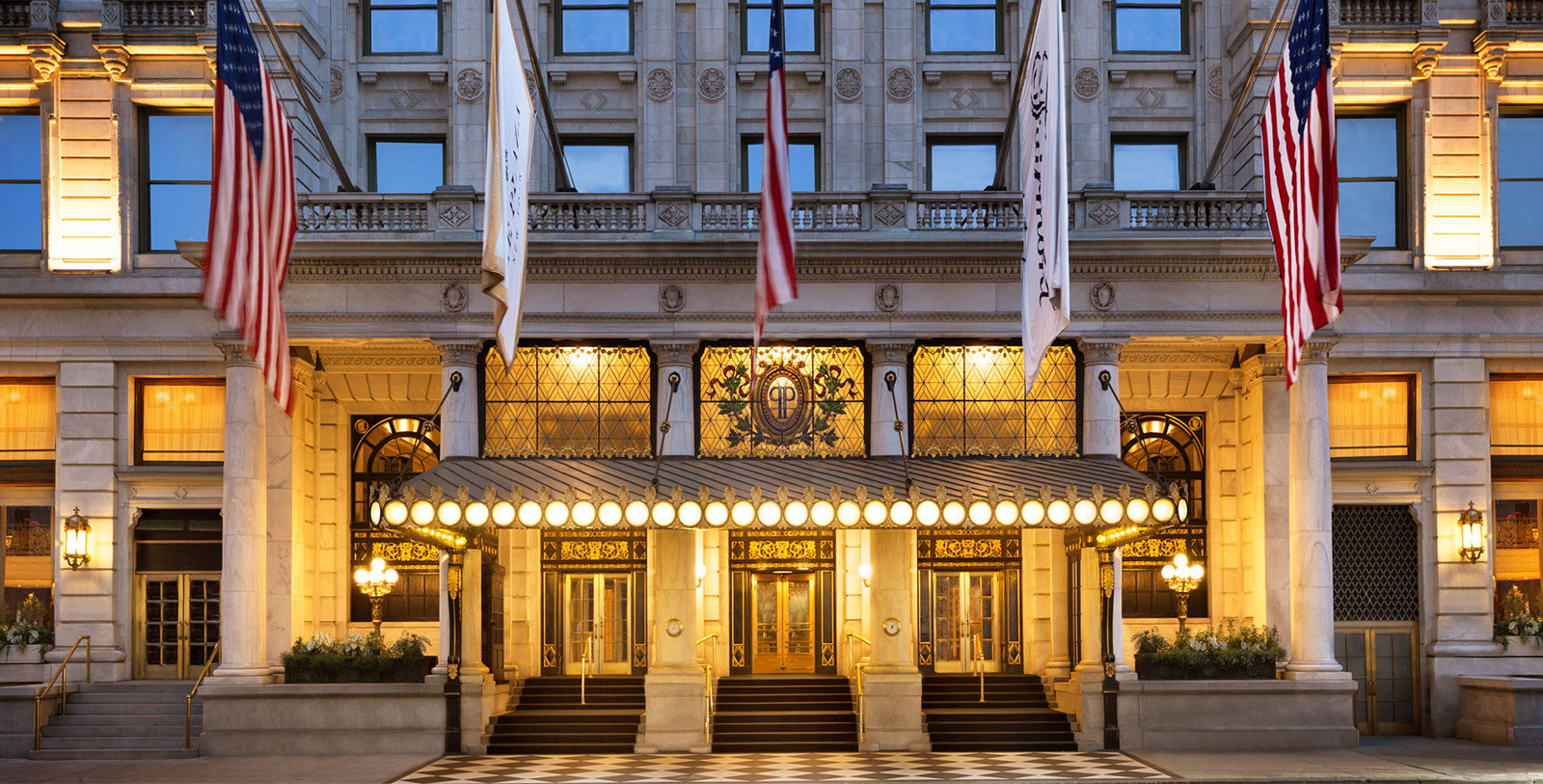
The landmark status of The Plaza Hotel is not limited to its exterior. Several of its interior spaces have been designated as landmarks by the New York City Landmarks Preservation Commission. The Palm Court, with its soaring stained-glass ceiling and lush greenery, is perhaps the most famous. It has served as the setting for countless afternoon teas and high-society meetings for over a century. Similarly, The Grand Ballroom and The Terrace Room are architectural marvels in their own right, featuring ornate gilding, massive chandeliers, and mirrors that reflect the opulence of the Gilded Age. These spaces are not merely rooms within a hotel; they are historical artifacts that preserve the aesthetic values of 1907.
A Chronology of Historical Significance
The location of The Plaza Hotel has placed it at the center of global history for over 115 years. From high-level political summits to the arrival of international superstars, the building has seen history unfold within its walls.
The 1907 Debut and The Golden Age
When The Plaza Hotel opened in 1907, it represented the pinnacle of hotel technology and luxury. It cost $12.5 million to build—an astronomical sum at the time. Its first guest was Alfred Gwynne Vanderbilt, signaling that the hotel was the preferred destination for the American aristocracy. Throughout the early 20th century, the hotel served as a permanent residence for many of New York wealthy citizens, who preferred the services of the hotel to the maintenance of a private mansion.
Official Designations: A National Historic Landmark
The hotel’s survival as a landmark was not always guaranteed. As real estate pressures in Manhattan grew, many historic buildings were demolished. However, The Plaza Hotel received official protection when it was designated a New York City landmark in 1969. This was followed by its inclusion in the National Register of Historic Places in 1978. In 1986, it was officially named a National Historic Landmark, a title reserved for sites that possess exceptional value or quality in illustrating or interpreting the heritage of the United States. One of the most significant historical events to take place here was the signing of the Plaza Accord in 1985, an agreement between the United States, Japan, West Germany, France, and the United Kingdom to depreciate the U.S. dollar in relation to the Japanese yen and the German Deutsche mark.
The Plaza Hotel in Popular Culture
Where is The Plaza Hotel in the collective imagination? It is often found in the pages of literature and on the silver screen, playing a role as significant as any human character.
Literary Echoes: From The Great Gatsby to Eloise
In literature, The Plaza Hotel is immortalized in The Great Gatsby by F. Scott Fitzgerald. A pivotal scene in the novel takes place in a suite at the hotel, where the tension between Jay Gatsby and Tom Buchanan finally boils over. F. Scott Fitzgerald and his wife Zelda Fitzgerald were frequent guests, and their real-life exploits at the hotel added to its mythos. On a lighter note, the hotel is the home of Eloise, the precocious six-year-old girl created by Kay Thompson and illustrated by Hilary Knight. The Eloise books have made the hotel a pilgrimage site for children and families from around the world.
Cinematic Fame: Home Alone 2 and Beyond
The hotel’s filmography is extensive. One of its most famous roles was in Home Alone 2: Lost in New York, where Kevin McCallister famously checks into the hotel using his father’s credit card. Other notable films featuring the landmark include North by Northwest, directed by Alfred Hitchcock, and The Way We Were. These appearances have cemented the hotel’s image as the ultimate symbol of New York City luxury and adventure.
Visiting The Plaza as a Modern Landmark Enthusiast
For the modern traveler or history buff, visiting The Plaza Hotel is an essential part of the Manhattan experience. Even for those not staying in one of its suites, the building offers numerous ways to engage with its landmark status.
Navigating the Surrounding Historic District
The Plaza Hotel is part of a cluster of historic structures that define the southeastern edge of Central Park. To its east is the Sherry-Netherland and The Pierre, two other legendary hotels that contribute to the architectural skyline. Just across Fifth Avenue is Bergdorf Goodman, an iconic department store that occupies the former site of the Cornelius Vanderbilt II Mansion. A few steps away is the glass cube of the Apple Store Fifth Avenue, which provides a stark, modern contrast to the hotel’s classical lines.
Preserving a New York City Icon
The question of “where” the hotel is also involves its future. In recent decades, parts of the hotel were converted into private residences, but the most historically significant areas remain open to the public as part of the hotel and its retail spaces. This hybrid model has ensured the preservation of the National Historic Landmark while allowing it to evolve. Whether you are viewing it from a carriage ride in Central Park or standing beneath the crystal chandeliers of The Palm Court, The Plaza Hotel remains exactly where it has always been: at the very center of the cultural and architectural world of New York City.
LifeOutOfTheBox is a participant in the Amazon Services LLC Associates Program, an affiliate advertising program designed to provide a means for sites to earn advertising fees by advertising and linking to Amazon.com. Amazon, the Amazon logo, AmazonSupply, and the AmazonSupply logo are trademarks of Amazon.com, Inc. or its affiliates. As an Amazon Associate we earn affiliate commissions from qualifying purchases.