
When walking through the grand lobby of a Marriott Hotel in New York City or relaxing at a beachside resort in Bali, few guests stop to consider the complex web of ownership behind the name. The question of who owns the Marriott brand is both simple and incredibly layered. At its core, the brand is governed by Marriott International, a massive global entity. However, the physical buildings, the land they sit on, and the daily operations often involve a diverse cast of characters, ranging from the founding family to institutional investors and independent real estate developers.
To understand the ownership of this hospitality titan, one must look beyond the logo and delve into the corporate structure of a company that has redefined the Hotels industry over nearly a century. From its humble beginnings as a root beer stand in Washington DC to becoming the largest hotel chain in the world, the story of Marriott is a masterclass in business evolution and strategic expansion.
The Corporate Giant: Marriott International as a Publicly Traded Entity
The most direct answer to the question of ownership is that Marriott International is a publicly traded company. This means that its ownership is distributed among thousands of individual and institutional shareholders who trade its stock on the NASDAQ stock exchange under the ticker symbol MAR. Headquartered in Bethesda, Maryland, the company operates within the United States and across more than 130 other countries.
The Influence of the Marriott Family
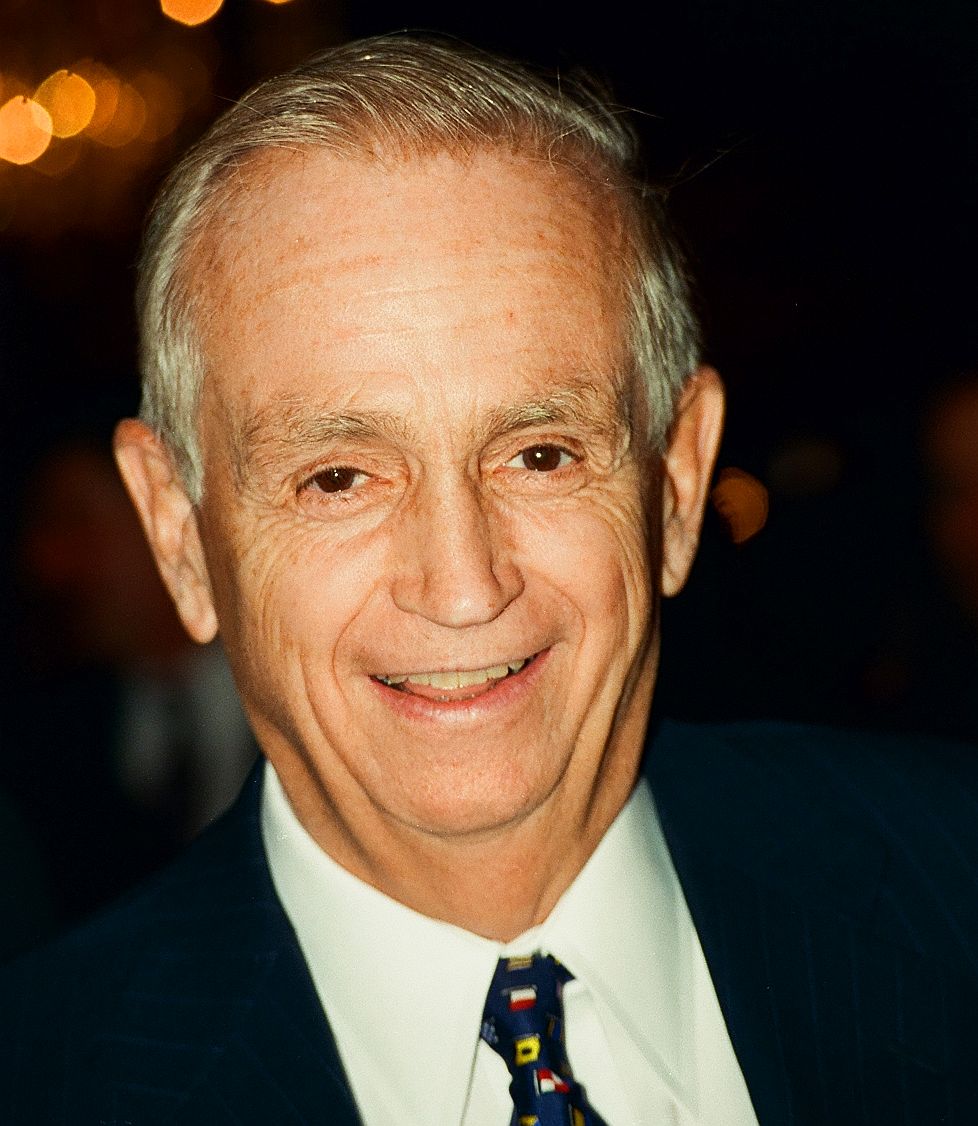
Despite being a public company, the founding family remains deeply intertwined with its identity and governance. J. Willard Marriott and Alice Marriott founded the business in 1927. Their son, Bill Marriott, served as CEO for decades, steering the company through its most significant periods of growth. Today, the Marriott family still holds a significant percentage of the company’s shares, ensuring that the legacy and core values of the founders continue to influence long-term strategy. David Marriott currently serves as the Chairman of the Board, maintaining the family’s presence at the highest level of leadership.
Institutional Investors and Global Shareholders
While the family provides the heritage, institutional investors provide the capital weight. Large investment firms such as The Vanguard Group, BlackRock, and State Street Corporation are among the largest shareholders of Marriott International. These organizations manage the retirement funds, mutual funds, and investments of millions of people globally. Consequently, if you have a 401(k) or a pension fund in the United States, you might technically own a tiny fraction of the Marriott empire yourself.
Executive Leadership and Governance
The daily operations and strategic direction of the company are handled by a professional management team. Following the passing of the visionary Arne Sorenson, who was the first non-family member to lead the company, Anthony Capuano took the helm as CEO. This leadership structure ensures that while the “owners” (shareholders) expect profitability, the “operators” (executives) focus on expanding the brand’s footprint in competitive markets like China, India, and Western Europe.
The Asset-Light Model: Who Owns the Buildings?
One of the most surprising facts for many travelers is that Marriott International actually owns very few of the hotels that carry its name. The company utilizes what is known in the industry as an “asset-light” business model. Under this strategy, Marriott focuses on managing hotels and franchising its brand names rather than owning expensive real estate.
Real Estate Investment Trusts (REITs)
A significant portion of Marriott-branded properties are owned by Real Estate Investment Trusts, or REITs. These are companies that own, operate, or finance income-producing real estate. For example, Host Hotels & Resorts is one of the largest owners of Marriott properties. While the sign on the building says Marriott, the deed to the property is held by the REIT. This allows Marriott International to expand rapidly without the massive capital expenditures required to buy land and construct buildings.
Franchisees and Third-Party Owners
In addition to REITs, many properties are owned by private equity firms, wealthy individuals, or local development companies in cities like London, Dubai, and Tokyo. A developer might build a luxury tower in Miami and enter into a franchise agreement with Marriott to call it a JW Marriott. In this scenario, the local developer owns the building and pays Marriott International a fee to use their branding, reservation system, and the Marriott Bonvoy loyalty program.

Management Agreements
Even when Marriott doesn’t own the hotel, they are often hired by the owner to run it. Under a management agreement, Marriott International provides the staff, the expertise, and the operational standards, while the property owner remains responsible for the building’s maintenance and financial liabilities. This distinction is crucial because it means that the “owner” of a Marriott in Paris is likely a very different entity than the owner of one in Chicago.
A Diverse Portfolio: Brands Under the Marriott Umbrella
To understand ownership, one must also understand what Marriott International actually owns: a massive portfolio of 30 plus brands. When Marriott acquired Starwood Hotels & Resorts in 2016, it solidified its position as a global juggernaut, bringing iconic names into its stable.
The Luxury Tier
At the top of the pyramid, Marriott owns and manages some of the most prestigious names in hospitality. The Ritz-Carlton and St. Regis represent the pinnacle of luxury. While Marriott International owns the trademarks and the operating systems for these brands, the individual hotels—like The Ritz-Carlton, Grand Cayman—are often owned by international investment groups. Other luxury brands in the portfolio include EDITION, Bulgari Hotels & Resorts, and The Luxury Collection.
Premium and Lifestyle Brands
The mid-to-high-tier brands are where the company sees the most frequent daily guest interaction. This category includes the flagship Marriott Hotels, as well as Sheraton, Westin, and Renaissance Hotels. Each of these brands has a distinct identity. For instance, Westin focuses on wellness, while W Hotels targets a younger, design-conscious demographic. The ownership of these brands was a key part of the Starwood merger, which was a multi-billion dollar deal that changed the landscape of the Hotels industry forever.
Select Service and Long-Stay Options
For business travelers and those seeking efficiency, brands like Courtyard by Marriott, Fairfield Inn & Suites, and Residence Inn are ubiquitous across North America. These properties are most frequently franchised out to local owners. A small-town Fairfield Inn might be owned by a local family business that has been in the community for generations, yet it operates under the strict quality standards of the Marriott brand.
The Global Impact of Marriott’s Ownership Structure
The way Marriott International is owned and operated has a profound impact on the global tourism economy. Because they are a management and franchising powerhouse, they are able to enter new markets with incredible speed.
Expansion into Emerging Markets
In the last decade, Marriott has aggressively pursued growth in Asia and Africa. By partnering with local owners who understand the regional real estate market, Marriott can plant its flag in Vietnam, Morocco, or Brazil without needing to navigate the complexities of local property laws as a primary owner. This local ownership combined with global branding creates jobs and drives tourism in developing regions.
The Role of Marriott Bonvoy
Ownership of the brand also means ownership of the data and the loyalty of over 140 million members. Marriott Bonvoy is more than just a points program; it is a central pillar of the company’s value proposition. By owning the platform that connects guests to hotels, Marriott International ensures that property owners (the REITs and developers) remain incentivized to keep the Marriott name on their buildings. The “ownership” of the customer relationship is, in many ways, more valuable than the ownership of the physical rooms.
Sustainability and Corporate Responsibility
Because Marriott International is a public company owned by major shareholders, it is under constant pressure to lead in areas of corporate social responsibility. From reducing plastic waste in California to supporting local communities in Thailand, the company’s policies are often dictated by the environmental, social, and governance (ESG) standards demanded by institutional investors like BlackRock. Thus, the owners of the stock indirectly shape the environmental footprint of thousands of hotels worldwide.
In summary, the question of “Who owns the Marriott Hotel?” does not have a single name as an answer. It is a collaborative effort between the Marriott family, the global investing public, and thousands of independent real estate owners. This unique structure has allowed a small root beer stand to grow into a global empire, providing a home away from home for travelers in every corner of the Earth. Whether you are staying at a Moxy Hotels in Berlin or a Four Points by Sheraton in Sydney, you are experiencing a piece of a vast, interconnected ownership network that defines modern hospitality.
LifeOutOfTheBox is a participant in the Amazon Services LLC Associates Program, an affiliate advertising program designed to provide a means for sites to earn advertising fees by advertising and linking to Amazon.com. Amazon, the Amazon logo, AmazonSupply, and the AmazonSupply logo are trademarks of Amazon.com, Inc. or its affiliates. As an Amazon Associate we earn affiliate commissions from qualifying purchases.