
The experience is almost universal: you spend a long day traveling, perhaps navigating the busy streets of New York or catching a flight to London, and finally, you retreat to your hotel room. As you collapse onto the bed, there is an immediate sense of weightlessness. The mattress seems to contour perfectly to your body, the linens feel crisp yet soft, and within minutes, you are drifting into a deep, restorative sleep. This phenomenon leads many travelers to wonder: why are hotel mattresses so much more comfortable than the ones we have at home?

The answer is not a single secret ingredient but rather a combination of high-end engineering, meticulous maintenance, and a psychological approach to luxury. From the grand suites of the Four Seasons Hotels and Resorts to the boutique charm of local villas, the hospitality industry has mastered the science of sleep.
The Engineering Behind Hospitality Sleep Systems
When a major brand like Marriott International or Hilton selects a mattress for their properties, they aren’t just buying off the shelf from a local retailer. These mattresses are often custom-designed to meet rigorous hospitality standards that prioritize both comfort and longevity.
Commercial-Grade Durability Meets Consumer Comfort
Hotel mattresses are built to withstand significantly more wear and tear than a standard residential mattress. While a home mattress might support one or two people consistently, a hotel mattress in a high-traffic city like Las Vegas must support hundreds of different guests of varying body types and sleep positions every year. To manage this, manufacturers use higher-gauge steel for their innerspring coils and higher-density foams that resist sagging. This structural integrity creates a firm foundation that provides consistent support, which is the baseline for comfort.
The Preference for Hybrid and Innerspring Designs
While memory foam has become popular in the residential market across the United States, many luxury hotels, such as those owned by Hyatt Hotels Corporation, stick to hybrid or advanced innerspring models. Innerspring mattresses provide better airflow, which is crucial for temperature regulation—a key factor in sleep quality. Hybrid models combine these springs with layers of high-quality latex or cooling gel foam, offering the “hug” of foam with the responsive support of coils. This combination ensures that the guest feels “on” the bed rather than “in” it, preventing that stuck feeling that can disrupt sleep.
The Medium-Firm Goldilocks Zone
Hotels face a unique challenge: they must provide a bed that appeals to everyone. A mattress that is too soft might cause back pain for some, while one that is too firm might be uncomfortable for side sleepers. Through extensive research, the hospitality industry has discovered that a “medium-firm” rating is the universal sweet spot. This level of firmness provides enough spinal alignment for back sleepers while offering enough “give” for those who sleep on their sides. By hitting this middle ground, hotels ensure that the vast majority of their guests, whether staying in Paris or Tokyo, wake up feeling refreshed.
The Art of Layering: More Than Just the Mattress
The secret to that “cloud-like” feeling often isn’t the mattress alone; it is the elaborate system of bedding layered on top of it. If you were to strip a bed at The Ritz-Carlton, you would find several layers that contribute to the overall tactile experience.
The Significance of High-Quality Bed Toppers
Many luxury resorts use thick mattress toppers to add an extra layer of plushness. These toppers, often filled with down or high-tech synthetic alternatives, provide an immediate sense of luxury the moment a guest lies down. In places like Dubai, where luxury is the standard at icons like the Burj Al Arab, these toppers can be several inches thick, creating a decadent barrier between the supportive mattress and the sleeper.
The “Triple Sheeting” Technique
One of the most common practices in high-end hotels is “triple sheeting.” This involves using three layers of sheets: a fitted sheet, a flat sheet, and another flat sheet on top of the duvet or blanket. This method is not only hygienic but also adds weight and crispness to the bedding. When you slide into a bed at a St Regis Hotels and Resorts property, the tension of these multiple layers creates a snug, secure feeling that mimics a gentle hug, promoting a sense of calm.
Breathable, High-Thread-Count Linens
The material of the sheets themselves plays a massive role. Hotels typically opt for 100% cotton with a percale or sateen weave. Percale is known for being crisp and cool, which is ideal for warmer climates like Italy, while sateen offers a silkier, heavier feel. By using high-thread-count linens that are professionally laundered and pressed, hotels eliminate the friction and heat retention often found in cheaper, synthetic home bedding.
Signature Beds: How Luxury Brands Mastered the Sleep Game

In the late 1990s, the hotel industry underwent a “bed war.” Brands realized that the quality of sleep was the number one factor in guest satisfaction. This led to the creation of proprietary bed brands that guests can now even purchase for their own homes.
Westin and the Heavenly Bed
The most famous example is arguably Westin Hotels & Resorts and their “Heavenly Bed.” Launched in 1999, this bed featured a custom-designed pillow-top mattress and a specific set of white-on-white linens. It was so successful that it changed the standards for the entire industry. When you stay at a Westin in San Francisco, you know exactly what kind of sleep experience to expect, which builds immense brand loyalty.
Customization at the Four Seasons
Four Seasons Hotels and Resorts took this a step further by offering a customizable mattress. Recognizing that even a medium-firm mattress isn’t perfect for everyone, they developed a system where guests can request different toppers—firm, white, or signature—to suit their personal preferences. This level of bespoke service is what separates a standard stay from a luxury experience in cities like Hong Kong.
The Influence of Heritage Brands
Other legacy brands have their own secrets. For instance, The Savoy in United Kingdom has long been associated with bespoke, handcrafted beds that use natural materials like horsehair and wool. Similarly, Fairmont Hotels & Resorts utilizes specific mattresses designed to offer extra lumbar support, catering to the business traveler who may be spending long hours in meetings or flights.
Psychological and Environmental Factors of Hotel Stays
While the physical mattress is vital, the “comfort” we perceive is also heavily influenced by our environment and psychology. A hotel room is a space dedicated entirely to rest, free from the clutter and stress of daily life.
The Visual Impact of an All-White Bed
There is a reason why almost every high-end hotel, from Sheraton Hotels and Resorts to Waldorf Astoria, uses all-white bedding. This is known as the “halo effect.” A pristine, white bed signals cleanliness and freshness to the brain. It creates a visual centerpiece that suggests a “cloud” and promises a hygienic, peaceful night. This psychological cue prepares the body for sleep before you even touch the sheets.
Climate Control and Acoustic Sealing
The comfort of a hotel bed is enhanced by the controlled environment surrounding it. Hotels invest heavily in soundproofing, especially in noisy hubs like Singapore or Chicago. Thick curtains—often called “blackout curtains”—ensure that no stray light from the street enters the room. Furthermore, guests can set the thermostat to the exact temperature they prefer. Research shows that a slightly cooler room is optimal for deep sleep, and the ability to maintain that temperature perfectly enhances the perceived comfort of the mattress.
Maintaining the Gold Standard: Turnover and Care
One reason your mattress at home might not feel as good as the one at The Plaza Hotel is simply a matter of age and maintenance.
Regular Rotation and Replacement
In a residential setting, people often keep their mattresses for ten years or more, long after the internal structures have begun to fail. In contrast, luxury hotels have strict replacement cycles. A mattress at a Mandarin Oriental property is rotated frequently to prevent impressions and is often replaced every five to seven years. This ensures that every guest is sleeping on a mattress that is still in its “prime” performing years.
Professional Laundering
The crispness of hotel sheets is difficult to replicate at home because hotels use industrial-grade washers, dryers, and ironers. The high heat used in these processes not only sanitizes the linens but also tightens the fibers, giving them that signature “snap” and smooth texture. When you combine fresh, professionally laundered sheets with a well-maintained mattress, the result is an unparalleled sleep surface.
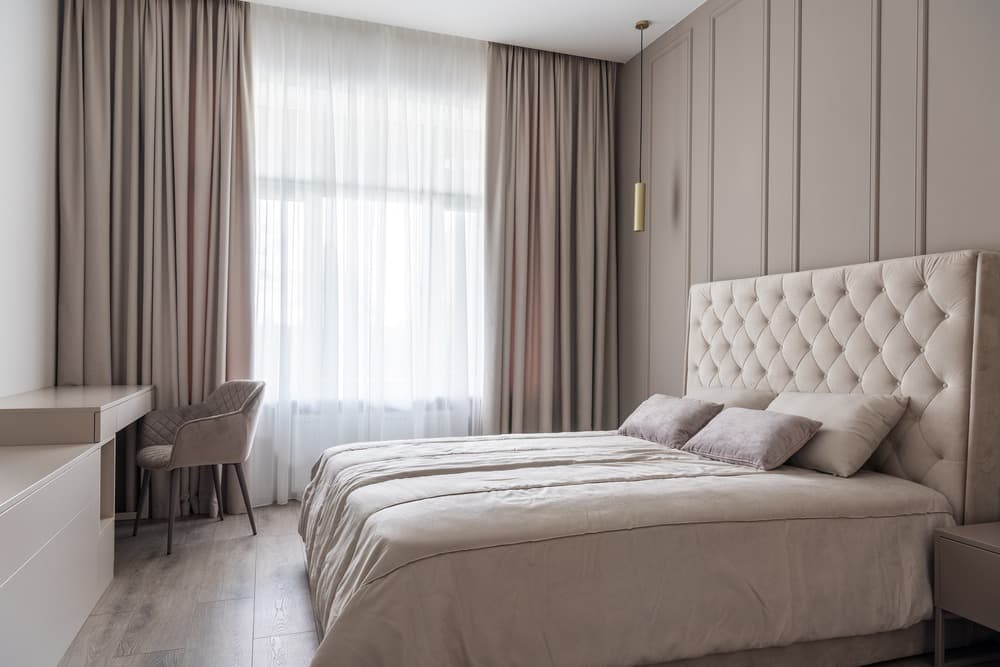
Conclusion: The Sum of Its Parts
The comfort of a hotel mattress is the result of a deliberate strategy. It begins with the heavy-duty engineering of the mattress core, continues through the luxurious layering of toppers and high-thread-count linens, and is supported by the signature sleep programs of world-class brands. When you add the psychological benefits of a clean, quiet, and temperature-controlled room in a destination like France or Canada, it is no wonder that hotel sleep feels so superior.
Whether it is the “Heavenly Bed” or a custom-designed suite at a InterContinental Hotels Group property, the hospitality industry has proven that sleep is the ultimate luxury amenity. By focusing on the “medium-firm” universal standard and maintaining a rigorous replacement schedule, hotels ensure that no matter where in the world you are, a perfect night’s rest is always within reach.
LifeOutOfTheBox is a participant in the Amazon Services LLC Associates Program, an affiliate advertising program designed to provide a means for sites to earn advertising fees by advertising and linking to Amazon.com. Amazon, the Amazon logo, AmazonSupply, and the AmazonSupply logo are trademarks of Amazon.com, Inc. or its affiliates. As an Amazon Associate we earn affiliate commissions from qualifying purchases.