
When traveling through the United States, few regional exports carry as much cultural weight and culinary prestige as the potato does in Idaho. For the food-focused traveler exploring the Pacific Northwest, the question of whether an “Idaho potato” is the same as a “Russet potato” is more than just a grocery store curiosity—it is an entry point into understanding the local heritage, the unique geography of the Snake River Valley, and the rigorous standards that define one of the world’s most famous agricultural brands. To the uninitiated, the terms are often used interchangeably, but for the residents and tourism experts of the Gem State, there is a clear and vital distinction.
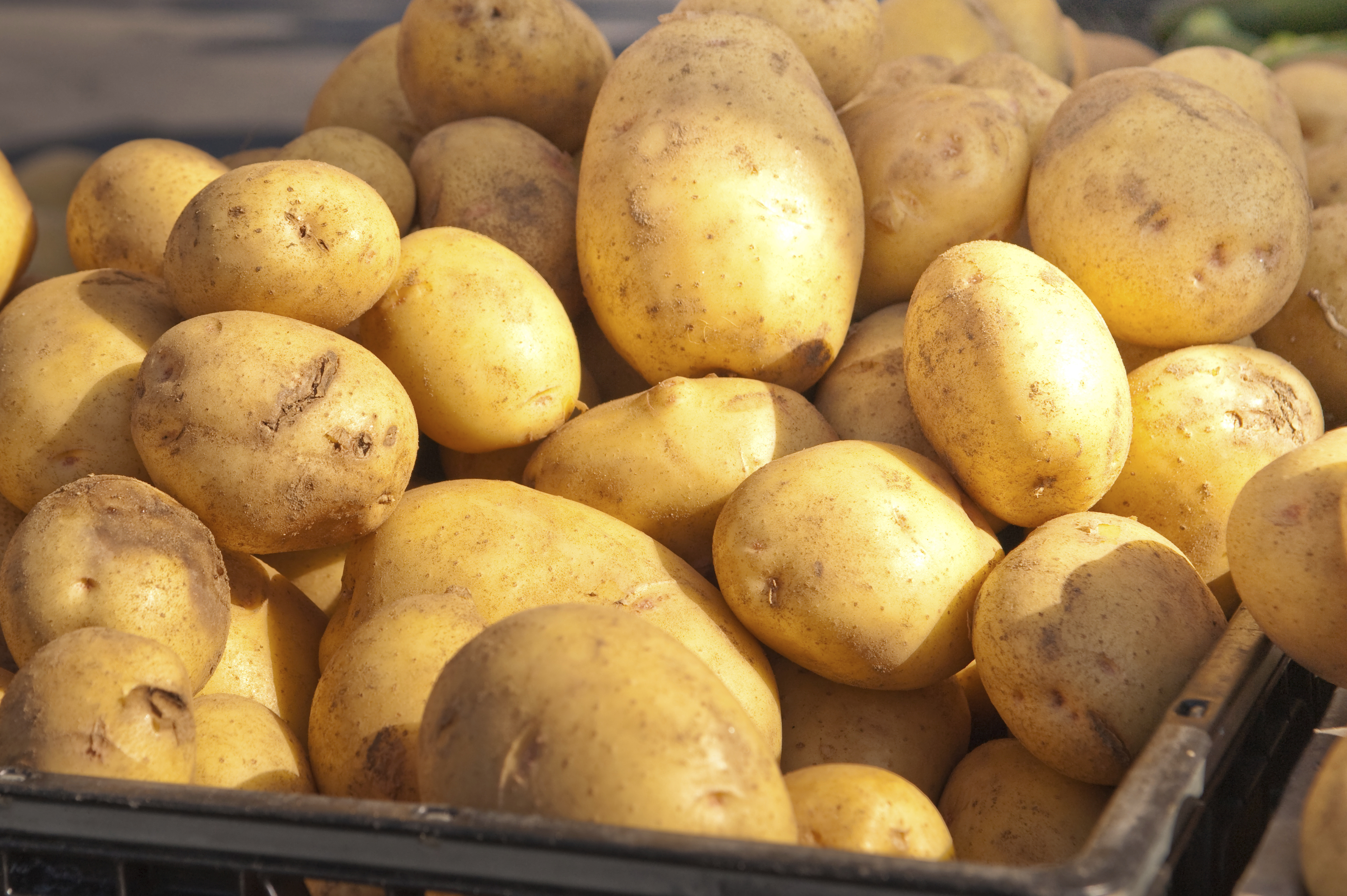
Understanding the Identity of the Idaho Potato
To appreciate the nuances of this regional staple, one must first understand that “Idaho” refers to the origin, while “Russet” refers to the variety. In the world of tourism and local food culture, this is akin to the distinction between Sparkling Wine and Champagne. While many regions grow Russet-style potatoes, only those grown within the borders of Idaho can legally bear the “Grown in Idaho” seal.
The Legal Distinction and Branding
The potato industry in the Western United States is highly regulated to ensure quality and brand integrity. The term “Idaho Potato” is a federally registered certification mark. This means that when travelers visit local markets or dine at high-end eateries in Boise, they are consuming a product that has met specific standards regarding solid content and growing conditions. While a Russet potato can be grown in any state or country, the “Idaho” designation guarantees a specific texture and flavor profile that has become synonymous with the state’s identity.
The Russet Variety: Nature’s Culinary Canvas
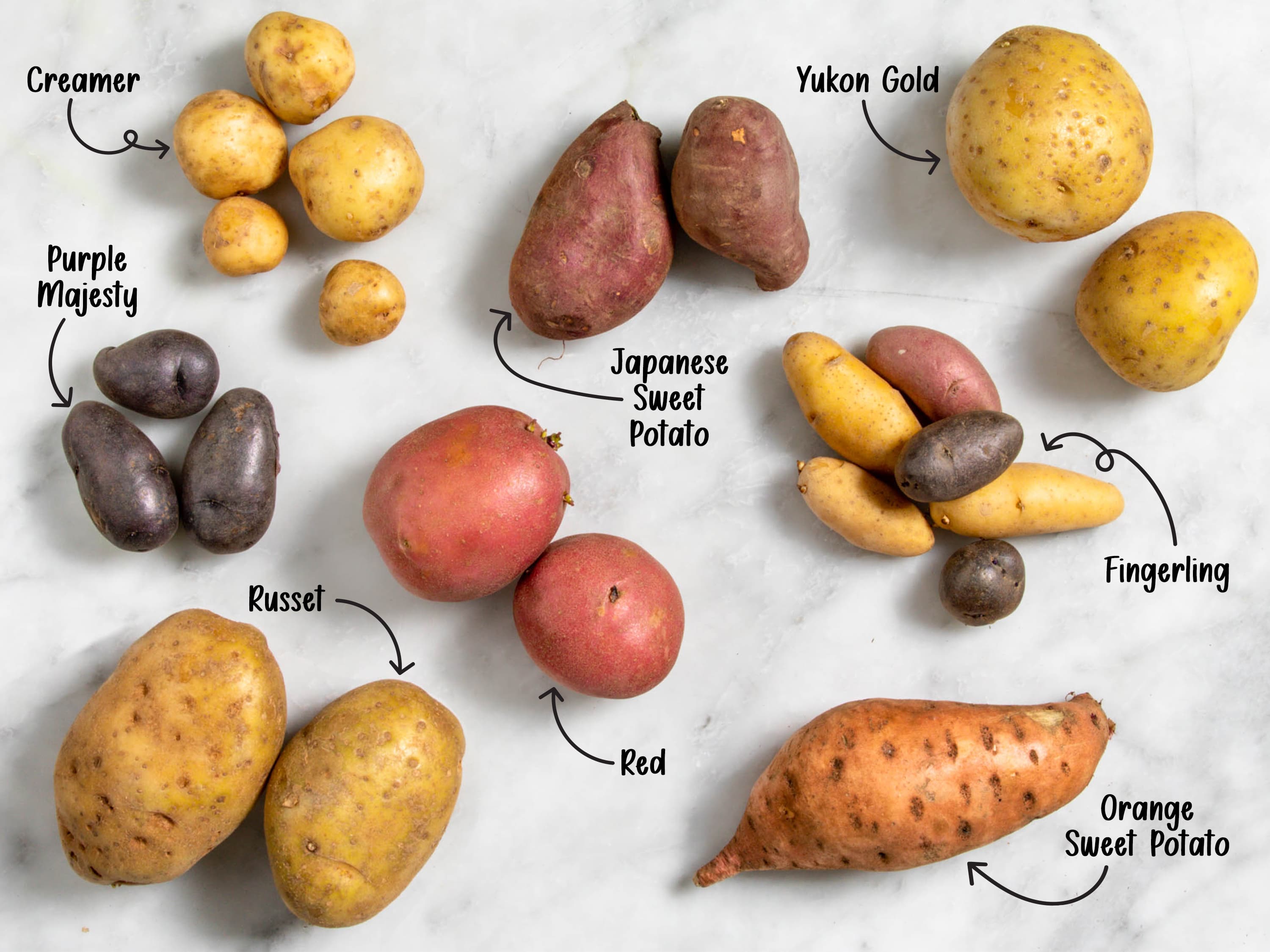
The most famous variety associated with this region is the Russet Burbank. Developed to be hardy and versatile, this specific potato thrives in the volcanic soil of the Rocky Mountains foothills. When a traveler bites into a fluffy baked potato at a local lodge, they are likely experiencing the Russet Burbank variety. However, it is important for tourists to note that Idaho farmers also grow other varieties, including reds, golds, and fingerlings. Thus, while most Idaho potatoes are Russets, not all are, and certainly not all Russets are from Idaho.
Exploring the Landscape: Why Geography Matters
For the inquisitive tourist, the story of the potato is inextricably linked to the dramatic landscapes of the region. The geography of southern and eastern Idaho provides a masterclass in how environment shapes culture and commerce.
The Volcanic Legacy of the Snake River Valley
Much of the agricultural success of this region is due to the ancient volcanic activity that shaped the Snake River basin. The soil is rich in volcanic ash, providing a mineral-dense foundation that is light and porous. This allows the root systems of the potato plants to expand without resistance, resulting in the uniform shape and size that the Russet Burbank is known for. Travelers driving along the scenic byways will notice the vast, flat fields that stretch toward the horizon, punctuated by the rugged peaks of the surrounding mountains.
Climate and Irrigation
Beyond the soil, the climate of the Pacific Northwest interior plays a crucial role. The region experiences warm days and cool nights during the growing season, a temperature fluctuation that allows the potatoes to store starches effectively. This high starch content is what gives the Idaho-grown Russet its trademark “fluffy” texture when cooked. Furthermore, the sophisticated irrigation systems drawing from the Snake River ensure that the crops receive consistent hydration despite the arid climate, a feat of engineering that has transformed the desert landscape into a lush agricultural powerhouse.
Culinary Tourism: Experiencing the Potato Firsthand
For those traveling to the region, the potato is not just a side dish; it is a destination. Tourism in Idaho has embraced this agricultural legacy, offering a variety of experiences that allow visitors to dive deep into the history and taste of the famous spud.
A Visit to the Idaho Potato Museum
Located in the city of Blackfoot, which is often called the “Potato Capital of the World,” the Idaho Potato Museum is a must-visit for any traveler. The museum is housed in a historic railroad depot and offers a comprehensive look at the evolution of potato farming. From vintage machinery to the world’s largest potato chip (donated by Pringles), the exhibits are both educational and entertaining. The onsite “Potato Station Café” allows visitors to sample baked potatoes, potato bread, and even potato ice cream, providing a literal taste of the local culture.
Dining in Boise and Beyond
The capital city, Boise, has seen a culinary explosion in recent years, with chefs finding innovative ways to highlight local ingredients. In many of the city’s top restaurants, the “Idaho Russet” is treated with the same reverence as a fine cut of meat. Tourists can find everything from artisanal fries seasoned with local herbs to sophisticated purées that serve as the base for avant-garde dishes. Exploring the food scene in Boise offers a contemporary perspective on how a humble root vegetable continues to inspire the region’s modern identity.
Local Traditions and Seasonal Events
To truly understand the bond between the people of Idaho and their potatoes, travelers should look toward the local festivals and traditions that celebrate the harvest. These events provide a window into the community spirit and the pride that defines the Western United States.
Spud Day in Shelley
One of the most unique cultural events in the region is Spud Day, held annually in the small town of Shelley. This festival attracts thousands of visitors who come to participate in events like potato wrestling (conducted in a pit of mashed potatoes), a parade, and various cooking competitions. It is a quintessential small-town American experience that highlights the importance of the potato to the local economy and social fabric.
Harvest Season Tours
For those who prefer a more tranquil experience, visiting during the autumn harvest season offers a spectacular sight. The fields turn a golden hue, and the bustle of the harvest is palpable throughout the Snake River Valley. Some local farms offer tours or “u-pick” experiences, allowing visitors to get their hands dirty and see exactly how a Russet Burbank is pulled from the earth. This connection to the land is a central pillar of tourism in the state, offering a grounded and authentic travel experience.
Tips for the Savvy Food Traveler
When navigating the markets and menus of Idaho, there are a few tips that can help a traveler distinguish between a standard Russet and the premium Idaho-grown variety.
- Look for the Seal: If you are shopping at a local farmer’s market or grocery store, always look for the “Grown in Idaho” seal, which features an outline of the state. This is your guarantee of origin and quality.
- Ask the Locals: Whether you are in Blackfoot or Boise, locals are incredibly proud of their agricultural heritage. Don’t hesitate to ask servers or vendors about the specific variety of potato being served.
- Explore the Diversity: While the Russet is the king, don’t miss out on the other varieties grown in the region. The “Idaho Gold” varieties are becoming increasingly popular for their buttery flavor and are well worth a try.
- Visit During the Off-Peak: While summer is a popular time to visit the Rocky Mountains, the shoulder seasons (late spring and early fall) offer the best opportunities to see the planting and harvesting cycles, often with fewer crowds and more opportunities for personal interaction with local growers.
In conclusion, while an Idaho potato and a Russet potato are often the same thing in a practical culinary sense, the “Idaho” label carries a weight of history, geography, and legal protection that sets it apart. For the traveler, this distinction provides a rich tapestry of experiences—from the educational halls of the Idaho Potato Museum to the festive streets of Shelley. Understanding this nuance allows visitors to more fully appreciate the local culture of Idaho and the incredible natural resources of the United States. Whether you are a foodie, a history buff, or simply a curious traveler, the journey through potato country offers a unique and satisfying slice of American life.
LifeOutOfTheBox is a participant in the Amazon Services LLC Associates Program, an affiliate advertising program designed to provide a means for sites to earn advertising fees by advertising and linking to Amazon.com. Amazon, the Amazon logo, AmazonSupply, and the AmazonSupply logo are trademarks of Amazon.com, Inc. or its affiliates. As an Amazon Associate we earn affiliate commissions from qualifying purchases.