
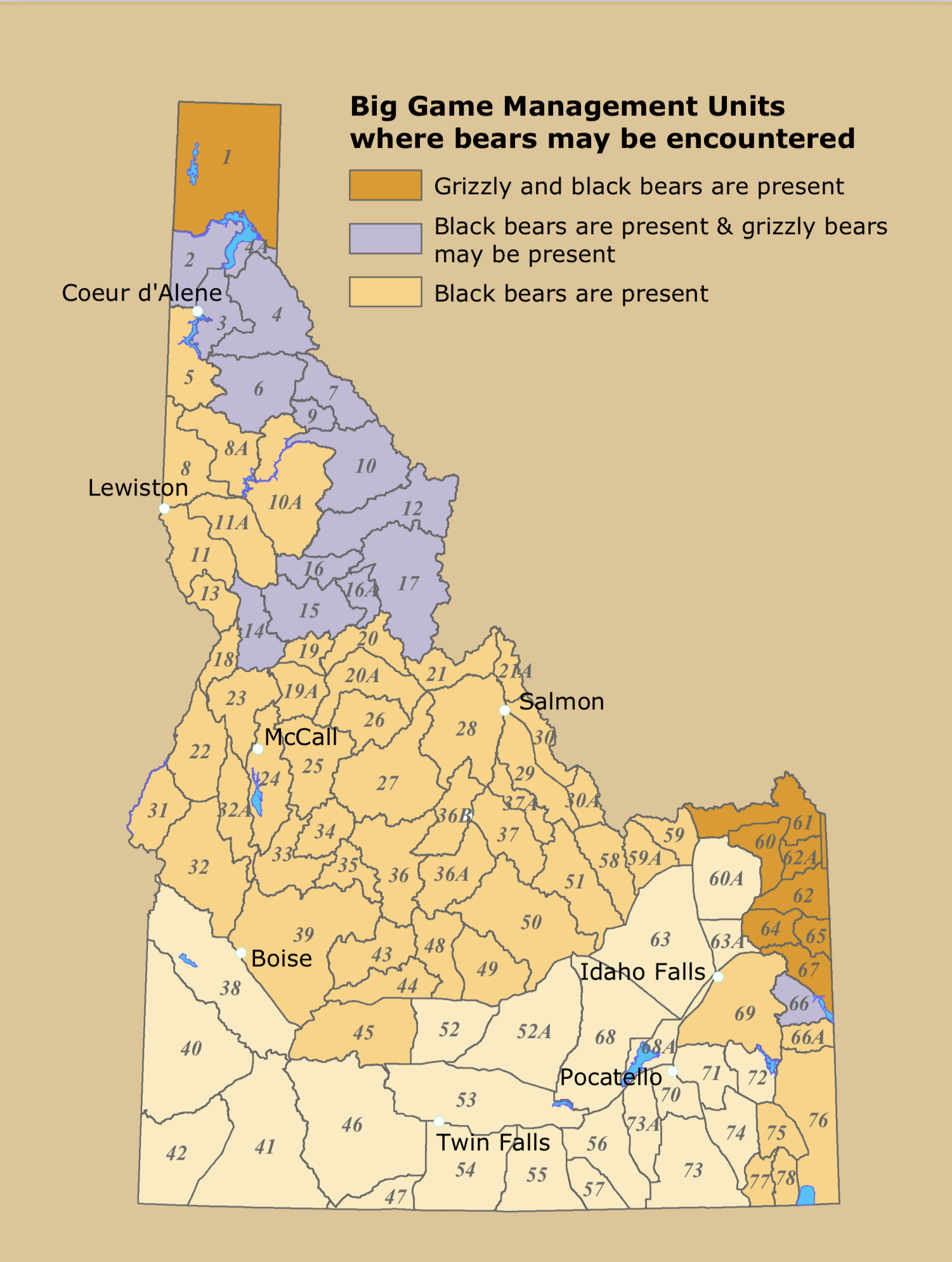
For travelers seeking the raw, untamed beauty of the United States Northwest, few things evoke the spirit of the wilderness quite like the grizzly bear. When planning a trip to Idaho, the question of whether these majestic predators roam the landscape is not just a matter of biological curiosity—it is a central component of the travel experience. The answer is a definitive yes. Idaho is home to several distinct populations of grizzly bears, primarily concentrated in the northern panhandle and the eastern border regions.
Navigating bear country requires a blend of respect, preparation, and an adventurous spirit. For those who wish to see these creatures in their natural habitat or simply want to hike the pristine trails of the Bitterroot Mountains with confidence, understanding the geography and behavior of Idaho’s grizzlies is essential. This guide explores the premier destinations for wildlife enthusiasts, the best practices for safe travel, and the logistical details necessary for an unforgettable journey into the heart of the “Gem State.”
Mapping the Grizzly: Prime Wildlife Destinations in Idaho
Idaho serves as a critical corridor for wildlife moving between the vast wilderness areas of Montana, Wyoming, and Canada. While you won’t find grizzlies roaming the streets of Boise, they are foundational residents of the state’s rugged interior and high-altitude forests.
The Selkirk and Cabinet Mountains of the North
The northernmost reaches of the Idaho Panhandle are perhaps the most reliable places to find grizzlies outside of the national park systems. The Selkirk Mountains and the Cabinet Mountains provide a dense, lush environment that mimics the temperate rainforests of the Pacific Northwest. Travelers visiting the charming town of Sandpoint often use it as a basecamp to explore these ranges.
In the Selkirk Mountains, a recovery zone has been established to help bolster the grizzly population, which frequently crosses back and forth over the border into Canada. This area is characterized by huckleberry-filled slopes and alpine basins, offering a dramatic backdrop for backcountry hikers and wildlife photographers.
The Greater Yellowstone Ecosystem and Island Park
Moving to the southeastern corner of the state, the landscape shifts toward the high-desert plateaus and volcanic calderas of the Greater Yellowstone region. Island Park is a premier destination for those looking to experience bear country without the overwhelming crowds of the main park entrances.
Because Island Park sits on the border of Yellowstone National Park, it serves as a primary habitat for grizzlies expanding their territory. The Caribou-Targhee National Forest wraps around this region, providing endless miles of trails where sightings are increasingly common. Visitors here can enjoy the serenity of the Henrys Fork river while keeping a keen eye on the treeline for the tell-tale hump of a grizzly’s shoulders.
The Remote Selway-Bitterroot Wilderness
For the truly adventurous traveler, the Selway-Bitterroot Wilderness represents one of the largest and most remote roadless areas in the lower 48 states. While grizzly sightings here are rarer than in the north or east, the area is designated as a recovery zone. This vast expanse of granite peaks and deep river canyons is the epitome of the Idaho backcountry. Travelers entering this zone usually do so via pack bridge or rugged forest service roads, seeking a level of solitude that is difficult to find anywhere else in North America.
Planning Your Expedition: When and How to Visit
Timing is everything when it comes to wildlife travel. The visibility and activity levels of grizzly bears fluctuate significantly with the seasons, and your travel itinerary should reflect these natural rhythms.
Seasonal Cycles: Spring Awakening and Fall Pre-Hibernation
Spring is a remarkable time for wildlife enthusiasts in Idaho. As the snow begins to melt in May and June, grizzlies emerge from their dens in the high country and descend into the valleys to forage on succulent green grasses and winter-killed carcasses. This is often the best time for sightings in lower-elevation meadows near Henrys Lake State Park.
Mid-summer usually sees the bears retreating to higher elevations to avoid the heat and follow the ripening berry crops. However, the activity picks up again in late September and October. This period, known as hyperphagia, is when bears are in a frenzy to consume as many calories as possible before hibernation. Travelers visiting the Continental Divide during the autumn months will find the landscape transformed by golden larches and active wildlife, though they must remain extra vigilant as bears are more focused on feeding than on avoiding humans.
Guided Wildlife Tours vs. Solo Exploration
For many visitors, the best way to experience grizzly country is through a professional guide service. Guided tours departing from regions near Grand Teton National Park or the northern Idaho hubs offer the advantage of expert knowledge. Guides understand the specific corridors bears use and provide high-quality optics, such as spotting scopes, to view the animals from a safe and respectful distance.

If you choose solo exploration, it is imperative to check in at local ranger stations in towns like Coeur d’Alene or St. Maries. Rangers can provide the latest “bear activity” reports, letting you know if certain trails have been closed due to a high frequency of sightings or a recent carcass on the path.
Essential Safety Protocols for Traveling in Bear Country
A trip to the Idaho wilderness is an exercise in co-existence. While grizzlies are generally shy and avoid human contact, travelers must adhere to strict safety protocols to ensure both their own safety and the welfare of the bears.
Mastering Bear Spray and Deterrents
Bear spray is a non-negotiable item for any traveler stepping foot in the Idaho backcountry. Unlike a firearm, bear spray is designed to create a cloud of capsaicin that deters an aggressive bear without causing permanent harm. However, carrying it is only half the battle; you must know how to use it. It should be worn on a hip or chest holster—never inside a backpack—and travelers should practice the drawing motion until it becomes muscle memory.
In addition to spray, noise is your best friend. Traveling in groups and talking loudly or singing helps alert bears to your presence, preventing the “surprise” encounters that lead to the majority of defensive attacks. If you are hiking near rushing water or in thick brush where a bear might not hear you, increasing your vocal output is a standard professional recommendation.
Low-Impact Camping and the “Bear Aware” Philosophy
For those planning multi-day treks through the Caribou-Targhee National Forest or the northern mountains, food storage is the most critical component of the “Bear Aware” philosophy. Grizzly bears have an incredible sense of smell, and an improperly stored bag of trail mix can draw a bear into a campsite from miles away.
Most developed campgrounds in Idaho bear country provide metal bear-resistant lockers. In the backcountry, travelers are required to use certified bear-resistant canisters or employ the “bear hang” method, where food and scented items (including toothpaste and deodorant) are suspended at least 10 feet off the ground and 4 feet away from the trunk of a tree. Keeping a “clean camp” ensures that bears do not become habituated to human food, a condition that usually ends poorly for the animal.
Expanding Your Idaho Itinerary: Landmarks and Natural Wonders
While the grizzly bear is a major draw, the regions they inhabit are full of other landmarks and attractions that deserve a place on your travel itinerary. The beauty of wildlife travel in Idaho is the diversity of the surrounding landscape.
Exploring Henrys Lake State Park and Beyond
Located just a short drive from the West Yellowstone entrance, Henrys Lake State Park is a high-mountain oasis famous for its world-class trout fishing. Travelers can spend their mornings casting for cutthroat-rainbow hybrids and their afternoons scouting the surrounding hills for moose, elk, and grizzlies. The park offers an excellent vantage point of the Sawtelle Peak, a local landmark that dominates the skyline.
Further south, the Mesa Falls Scenic Byway provides a spectacular detour. The Lower Mesa Falls and Upper Mesa Falls are among the last prominent waterfalls in the United States that have not been harnessed for hydroelectric power. The thundering water and mist provide a refreshing break from the dusty trails of the high plateau.
The Gateway Cities: Sandpoint and Coeur d’Alene
In the northern part of the state, the travel experience is centered around the stunning lakes. Lake Pend Oreille near Sandpoint is one of the deepest lakes in the country, surrounded by the very mountains where grizzlies roam. A popular travel experience involves taking a sunset cruise on the lake after a day of hiking in the Selkirk Mountains.
Similarly, Coeur d’Alene offers a more polished travel experience with its famous boardwalk, luxury resorts, and vibrant dining scene. It serves as the perfect cultural counterpoint to the rugged isolation of the northern forests. Whether you are browsing art galleries in the city center or looking for bald eagles at Wolf Lodge Bay, the connection to nature remains the primary theme of the region.

Conclusion: Embracing the Wild Idaho Experience
The presence of grizzly bears in Idaho is a testament to the state’s successful conservation efforts and its commitment to maintaining true wilderness. For the modern traveler, visiting these areas is a rare opportunity to step back into a landscape that looks much as it did centuries ago.
Whether you are scanning the ridgelines of Island Park with binoculars or trekking through the cedar groves of the northern panhandle, the knowledge that you are sharing the woods with such a powerful creature adds a layer of excitement and profound respect to the journey. By following safety guidelines, choosing the right season, and exploring both the famous landmarks and the hidden corners of the state, your Idaho adventure will be as rewarding as it is wild. The grizzlies are there; the question is, are you ready to meet the challenge of the Gem State’s most iconic inhabitant?
LifeOutOfTheBox is a participant in the Amazon Services LLC Associates Program, an affiliate advertising program designed to provide a means for sites to earn advertising fees by advertising and linking to Amazon.com. Amazon, the Amazon logo, AmazonSupply, and the AmazonSupply logo are trademarks of Amazon.com, Inc. or its affiliates. As an Amazon Associate we earn affiliate commissions from qualifying purchases.