
When traveling through the United States, there are few things that mark a visitor as an outsider faster than mispronouncing the name of a local city. In the heart of the Pacific Northwest, the capital city of Idaho serves as a prime example of this linguistic litmus test. For years, a quiet but persistent debate has hummed between newcomers and long-time residents: Is it “Boy-zee” or “Boy-see”? For the culturally savvy traveler, getting this right is more than just a matter of phonetics; it is a sign of respect for the local heritage and an entry point into the vibrant community of Boise.

The Linguistic Identity of the City of Trees
To understand the correct pronunciation of Boise, one must look at the roots of the word itself. The name is derived from the French word “boisé,” which translates to “wooded.” Legend has it that 19th-century French fur trappers, weary from trekking through the high desert of the Snake River Plain, climbed a hill and beheld the lush, tree-lined valley of the Boise River. They purportedly exclaimed, “Les bois! Les bois!” (The trees! The trees!).
The “S” vs. “Z” Debate
The definitive local pronunciation uses a sharp “S” sound: “Boy-see.” While much of the rest of the country—and many national news anchors—tend to gravitate toward the “Z” sound (“Boy-zee”), doing so in the Treasure Valley is a surefire way to identify yourself as a tourist. Locals take great pride in the soft “S.” This nuance is so ingrained in the culture that it has become a point of playful contention and a badge of honor for those who call the city home.
Why It Matters for Tourism and Etiquette
When engaging in tourism, part of the “local experience” is adopting the customs and speech patterns of the destination. Using the correct pronunciation demonstrates that you have done your homework and that you value the local identity. Whether you are checking into a boutique hotel in Downtown Boise or ordering a craft beer at a local brewery, using the “Boy-see” pronunciation immediately softens the barrier between visitor and resident, often leading to better recommendations and more authentic interactions.
Navigating Local Culture and Landmarks
Once you have mastered the name, the city opens up as a treasure trove of cultural experiences. Boise is a place where urban sophistication meets rugged outdoor accessibility. Understanding how to navigate its landmarks is essential for any visitor looking to dive deep into the local scene.
The Heart of the City: The Boise River Greenbelt
One cannot discuss the tourism of this region without mentioning the Boise River Greenbelt. This 25-mile long park follows the path of the Boise River through the heart of the city, connecting several major parks known as the “Ribbon of Jewels.” Walking or cycling along this path provides a literal and metaphorical connection to the city’s namesake trees. Along the way, travelers can stop at Julia Davis Park, which houses the Boise Art Museum and the Idaho State Historical Museum.
The Basque Block: A Unique Cultural Hub
One of the most fascinating aspects of Boise tourism is its connection to the Basque Country. The city is home to one of the largest Basque populations outside of Europe, specifically Spain and France. The Basque Block is a vibrant micro-neighborhood where visitors can immerse themselves in this unique culture.
Visitors should not miss the Basque Museum and Cultural Center to learn about the history of sheep ranching and immigration that shaped the region. Afterward, a stop at Bar Gernika for some authentic beef tongue or a visit to Ansots for traditional chorizos offers a taste of the Pyrenees right in the American West.
Collegiate Pride and the Blue Turf
For sports fans, tourism in Boise often centers around Boise State University. The Broncos are a source of immense local pride. A visit to Albertsons Stadium to see the world-famous blue turf—often called “The Blue”—is a must-do activity. Even if there isn’t a game, the stadium’s hall of fame offers a glimpse into how a mid-sized city university captured the national imagination.
Outdoor Activities and Seasonal Tips
The pronunciation of Boise often carries the weight of the outdoors. It is a city where people “work to live,” and living usually involves being outside. Depending on when you visit, the activities—and the tips you’ll need—will shift significantly.
Winter in the Foothills
In the winter months, the focus shifts toward the Boise Foothills. Just a short drive from the city center lies Bogus Basin, a mountain recreation area that offers skiing, snowboarding, and tubing. Unlike many resort towns in North America, Bogus Basin is a non-profit, making it a community-focused destination that avoids the high-priced exclusivity of other ski hills.
Summer Recreation and Water Sports
During the hot Idaho summers, tourism revolves around water. Floating the Boise River is a rite of passage. Thousands of people grab inflatable rafts and tubes to drift from Barber Park to Ann Morrison Park. For those looking for more adrenaline, Lucky Peak State Park provides opportunities for boating and swimming just outside the city limits.
Hiking to Table Rock
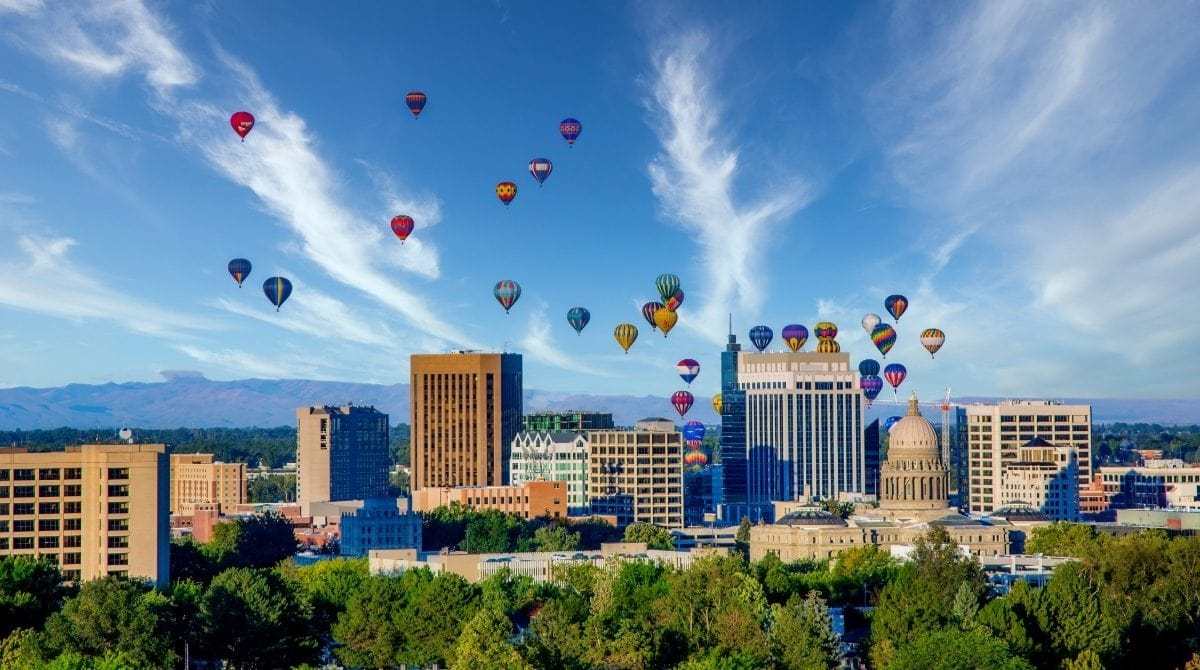
For the best view of the valley, visitors should hike to Table Rock. The trail begins near the Old Idaho Penitentiary—a fascinating historic site in its own right—and winds up to a plateau overlooking the entire Treasure Valley. From this vantage point, you can see the skyline of Downtown Boise framed by the sprawling canopy of trees that gave the city its name.
Beyond the City Limits: Exploring the Treasure Valley
While Boise is the primary draw, the surrounding cities within the Treasure Valley offer their own unique cultural and tourism opportunities. Understanding the layout of the region helps visitors plan a more comprehensive trip.
Meridian and Eagle: Suburbs with Character
Just to the west lies Meridian, which has rapidly grown from a small farming community into a bustling hub of commerce and family entertainment. The Village at Meridian is an upscale outdoor shopping and dining complex that serves as a central gathering point. To the north, Eagle offers a more upscale, relaxed vibe with beautiful parks and access to the Boise River.
The Wine Country of the Snake River Valley
A short drive further west leads to Nampa and Caldwell, which serve as the gateway to the Snake River Valley wine region. Idaho wine might not have the global name recognition of California yet, but the volcanic soil and climate produce exceptional Rieslings and Syrahs. Visiting wineries like Ste. Chapelle Winery or Sawtooth Estate Winery allows tourists to experience the agricultural bounty of the region.
The Historic North End and Hyde Park
Returning to the city proper, a visit to the North End neighborhood is essential for anyone interested in architecture and local lifestyle. This historic district features tree-lined streets and beautifully preserved homes from the early 20th century. At its heart is Hyde Park, a small commercial strip filled with quirky shops, ice cream parlors, and local eateries. It is the perfect place to sit on a patio, enjoy the mountain air, and practice your “Boy-see” pronunciation with the locals.

Travel Tips for a Seamless Experience
To make the most of a trip to Boise, consider these practical tips that blend cultural awareness with logistical ease:
- Transportation: While Downtown Boise is very walkable, having a car is beneficial for exploring the Boise Foothills or the Snake River Valley. However, the city is extremely bike-friendly, so renting a bicycle is a great way to see the Boise River Greenbelt.
- Dining Etiquette: The food scene in Boise is burgeoning. Always try the finger steaks—a local delicacy consisting of deep-fried strips of steak served with cocktail sauce. And don’t forget the fry sauce, a staple condiment across Idaho.
- Sustainability: Locals are very protective of their natural resources. When hiking trails like those at Camel’s Back Park, always stay on the path and follow “Leave No Trace” principles.
- Weather Readiness: The high desert climate means temperatures can drop significantly once the sun goes down. Even in the height of summer, a light jacket is a smart addition to your packing list.
By focusing on the correct pronunciation of Boise and immersing yourself in the local landmarks and traditions, you transform from a mere spectator into an informed traveler. The “City of Trees” offers a unique blend of Basque culture, outdoor adventure, and mid-sized city charm that is best experienced with a local’s perspective—and a local’s accent. Whether you are wandering through Julia Davis Park or exploring the heights of Bogus Basin, remember: it’s “Boy-see,” and the hospitality you’ll receive in return is as warm as the Idaho sun.
LifeOutOfTheBox is a participant in the Amazon Services LLC Associates Program, an affiliate advertising program designed to provide a means for sites to earn advertising fees by advertising and linking to Amazon.com. Amazon, the Amazon logo, AmazonSupply, and the AmazonSupply logo are trademarks of Amazon.com, Inc. or its affiliates. As an Amazon Associate we earn affiliate commissions from qualifying purchases.