
For travelers planning a winter getaway to the United States, the Pacific Northwest often conjures images of rain-soaked streets or towering, snow-capped peaks. However, Boise, the vibrant capital of Idaho, offers a unique middle ground that surprises many first-time visitors. Known as the “City of Trees,” this high-desert urban center experiences a four-season climate that is both distinct and surprisingly moderate. If you are asking how much snow Boise gets, the answer is less about massive blizzards and more about a delicate balance of seasonal beauty and outdoor accessibility.
Understanding the snowfall patterns in the Treasure Valley is essential for anyone looking to experience the local culture, engage in winter sports, or simply enjoy the architectural beauty of the Idaho State Capitol under a dusting of white. This guide explores everything you need to know about winter tourism in this growing mountain-west destination.
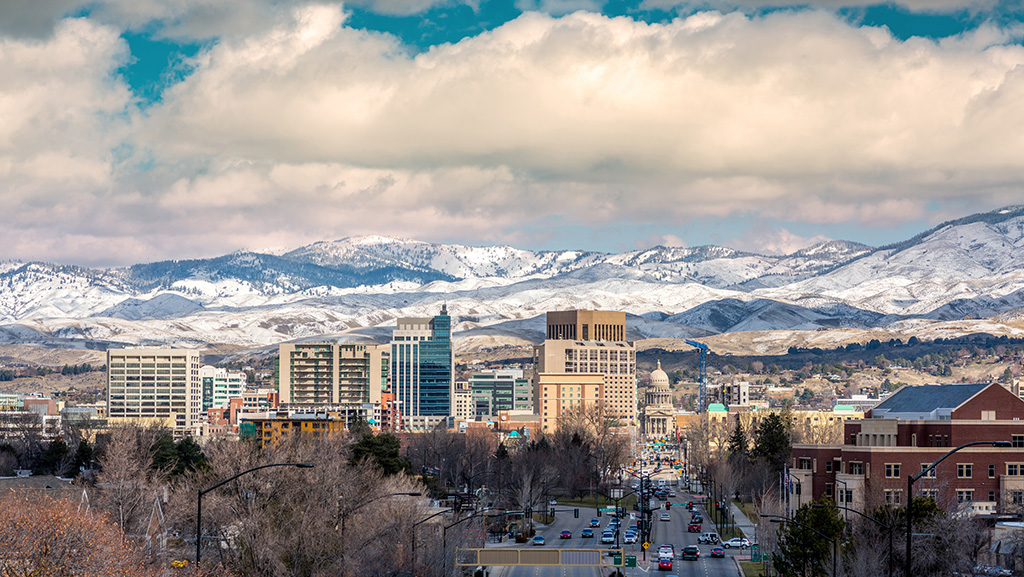
Understanding Boise’s High Desert Climate
Boise is situated at an elevation of approximately 2,730 feet above sea level, tucked into the southwestern corner of the state. Its weather is heavily influenced by its position within the Treasure Valley and its proximity to the Boise Foothills.
The Geography of the Treasure Valley
The city sits in a rain shadow created by the Owyhee Mountains to the southwest and the massive Rocky Mountains to the north and east. This geographic positioning means that while neighboring mountain towns might be buried in feet of snow, the valley floor often remains relatively dry. The Snake River basin further influences the local airflow, often keeping temperatures slightly warmer than the higher elevations of the Boise National Forest. For tourists, this means you can often enjoy a morning of skiing in deep powder and an afternoon walking through Julia Davis Park without needing heavy-duty snow boots.
The Inversion Phenomenon
One of the most unique aspects of winter in Boise is the “inversion.” During the winter months, cold air can become trapped on the valley floor by a layer of warmer air above it. This often leads to foggy, gray days in the city while the nearby mountains enjoy brilliant sunshine and warmer temperatures. From a tourism perspective, this is the perfect excuse to head up to Bogus Basin to “get above the clouds.” The contrast between the misty streets of Garden City and the sun-drenched slopes is a quintessential Idaho experience.
Average Snowfall Statistics and Monthly Breakdowns
Statistically, Boise receives an average of about 19 to 20 inches of snow per year. To put this in perspective, this is significantly less than other mountain cities like Salt Lake City or Denver. The snow in the city tends to be “transactional”—it arrives, covers the ground in a picturesque layer for a few days, and then typically melts away as temperatures rise above freezing during the afternoon.
Peak Snow Months: December and January
December and January are the months when you are most likely to see a “White Christmas” or experience a significant snow event. On average, Boise sees about 5 to 6 inches of snow in December and a similar amount in January. This is the prime time for winter tourism, as the downtown area is beautifully decorated, and the Idaho State Capitol is surrounded by frosted trees. During these months, the city’s nightlife remains active, with locals and visitors frequenting cozy breweries and restaurants in the North End.
Late Season Surprises: February and March
By the time February rolls around, the snow begins to taper off, averaging about 3 inches for the month. However, Idaho is known for its “false springs.” It is not uncommon to have a 60-degree day in early March followed by a sudden four-inch snowstorm. For travelers, this means flexibility is key. While the snow on the valley floor might be melting, the snowpack in the Boise Foothills remains substantial, providing a beautiful backdrop for those visiting Lucky Peak State Park or exploring the outskirts of Eagle.
Winter Activities and Seasonal Tourism in the Boise Area
The modest snowfall in the city doesn’t mean winter is a dormant season. On the contrary, Boise serves as a base camp for some of the best winter recreation in the United States.

Skiing and Snowboarding at Bogus Basin
Located just 16 miles north of downtown, Bogus Basin is a non-profit mountain recreation area that is the crown jewel of Boise winter sports. Because of the elevation change, Bogus Basin receives significantly more snow than the city—often exceeding 200 inches per season. It offers downhill skiing, snowboarding, and a popular tubing hill. The drive up Bogus Basin Road offers breathtaking views of the Treasure Valley and is a must-do for any winter visitor.
Snowshoeing and Winter Hiking in the Boise Foothills
For those who prefer a slower pace, the Boise Foothills provide an extensive trail system. When the snow falls, these trails transform into a wonderland for snowshoers. Trails near the Old Idaho Penitentiary offer a mix of history and nature, allowing visitors to see the rugged landscape that defined the early days of the Idaho territory. If the snow is light, many of these trails remain hikable with just a good pair of boots, offering a peaceful escape from the urban hustle.
The Urban Winter Experience
If you prefer staying within the city limits, the Boise River Greenbelt is a 25-mile paved path that remains open year-round. Walking along the Boise River after a fresh snowfall is a serene experience, often accompanied by sightings of bald eagles that winter in the area. Afterward, you can warm up at The Village at Meridian, an upscale outdoor shopping and dining complex in nearby Meridian that features an outdoor ice-skating rink and festive holiday lights.
Practical Tips for Visiting Boise in Winter
Navigating a city that gets “some” snow requires a bit of preparation. While Boise isn’t usually crippled by winter weather, being prepared will ensure your trip remains enjoyable.
Driving and Transportation in the Snow
Boise drivers are generally accustomed to light snow, but the city can become slick during the morning commute. If you are renting a car to explore the wider region, including Nampa or Caldwell, consider an all-wheel-drive vehicle. However, for most city travel, a standard vehicle is sufficient. The city’s road crews are efficient at salting and plowing major thoroughfares like Capitol Boulevard. For a stress-free experience, the city’s public transit and ride-sharing services are reliable winter options.
What to Pack for an Idaho Winter
The key to enjoying Boise in the winter is layering. Because temperatures can swing from 20 degrees in the morning to 45 degrees in the afternoon, you want clothing that can adapt.
- Base Layers: Moisture-wicking fabrics are essential if you plan to hike the Boise Foothills.
- Footwear: Waterproof boots with good traction are recommended, especially for navigating the slush that can accumulate in Downtown Boise.
- Outerwear: A medium-weight puffer jacket is usually sufficient for city life, though you’ll want a heavier shell for trips to Bogus Basin.
Exploring Beyond the City: Winter Day Trips from Boise
While there is plenty to do within Boise and Garden City, the city’s location makes it a perfect jumping-off point for more intensive winter adventures.
The Winter Wonderland of McCall
If the 20 inches of snow in Boise isn’t enough for you, a two-hour drive north will take you to McCall. Situated on the shores of Payette Lake, this town is a true winter destination. McCall hosts an annual Winter Carnival featuring massive, intricate snow sculptures that draw visitors from across the Pacific Northwest. The area is also home to Brundage Mountain Resort, known for having “the best snow in Idaho.”
Sun Valley and World-Class Skiing
For a taste of luxury and history, a three-hour drive east brings you to Sun Valley. As the first destination ski resort in the United States, Sun Valley offers a sophisticated winter experience with legendary runs on Bald Mountain. Even if you don’t ski, the town of Ketchum offers high-end shopping and art galleries that are perfect for a winter day trip.

Wine Tasting in the Winter
Many travelers don’t realize that Idaho has a thriving wine industry. The Sunnyslope Wine Trail near Caldwell is home to several award-winning establishments like Ste. Chapelle Winery. Visiting these tasting rooms in the winter offers a more intimate experience. Sipping a local Syrah while looking out over the snow-dusted vineyards of the Snake River Valley is one of the most relaxing tourism activities the region has to offer.
In conclusion, Boise offers a winter experience that is accessible, scenic, and varied. While the city itself doesn’t get buried in snow, its proximity to the mountains and its moderate valley climate make it an ideal destination for those who want to enjoy the beauty of winter without the logistical headaches of a deep-freeze environment. Whether you are skating at The Village at Meridian, exploring the Boise River Greenbelt, or heading up to Bogus Basin, the snow in Boise serves as the perfect backdrop for a memorable Idaho adventure.
LifeOutOfTheBox is a participant in the Amazon Services LLC Associates Program, an affiliate advertising program designed to provide a means for sites to earn advertising fees by advertising and linking to Amazon.com. Amazon, the Amazon logo, AmazonSupply, and the AmazonSupply logo are trademarks of Amazon.com, Inc. or its affiliates. As an Amazon Associate we earn affiliate commissions from qualifying purchases.