
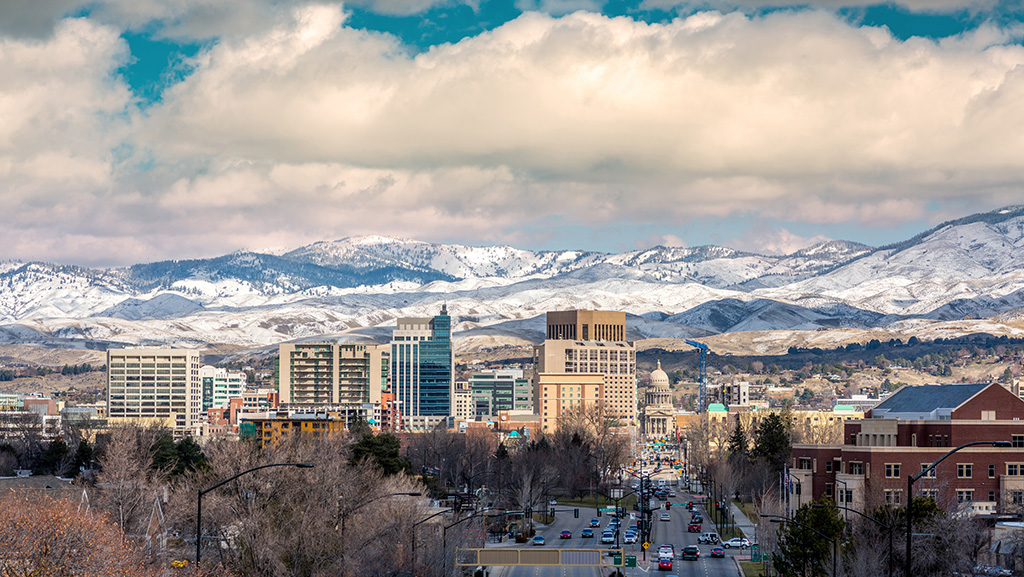
Understanding the climate of Boise, Idaho, is essential for any traveler looking to experience the unique blend of urban sophistication and rugged outdoor adventure that this city offers. Located in the Treasure Valley and framed by the foothills of the Rocky Mountains, this city experiences a semi-arid continental climate. This means visitors can expect four distinct seasons, each bringing a dramatic shift in both temperature and the local culture. Whether you are planning to explore the historic corridors of the Idaho State Capitol or hike the sun-drenched trails of the high desert, knowing what to expect from the mercury is the first step in a successful trip to the United States Northwest.

Understanding the Four Seasons in the Treasure Valley
The temperature in Boise is defined by its extremes and its rapid transitions. Unlike the coastal humidity found in Oregon or Washington, the air here is dry, which significantly impacts how the temperature feels to the skin.
The Arid Heat of Summer
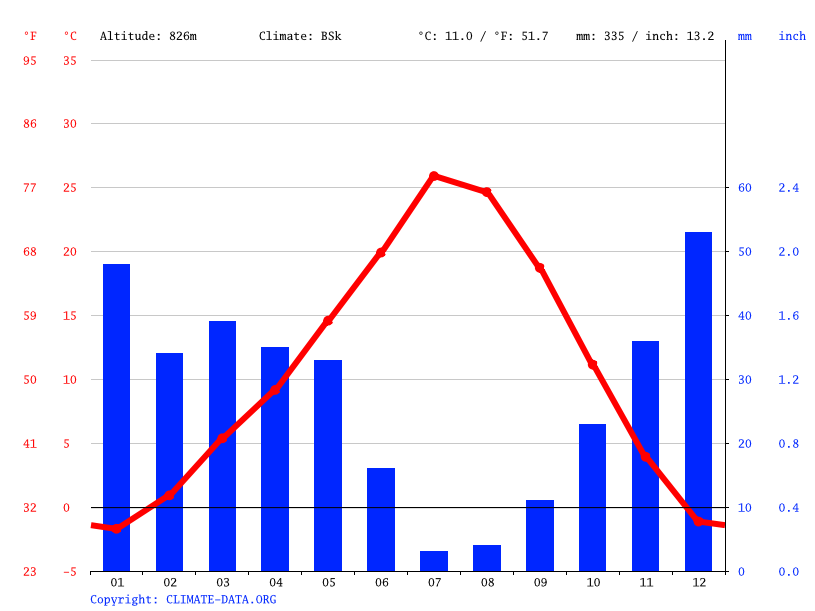
From late June through early September, the city experiences its peak warmth. High temperatures during these months frequently soar into the 90s (Fahrenheit), with several days each year breaking the 100-degree mark. However, because Idaho is part of a high-desert ecosystem, the lack of humidity means that the heat is rarely “sweltering” in the way it is in the South. Instead, it is a crisp, direct heat that makes shade and water activities highly desirable. Even on the hottest days, the temperature often drops by 30 degrees or more once the sun goes down, providing cool, comfortable evenings perfect for outdoor dining in Downtown Boise.
The Crisp Clarity of Winter
Winter in the Treasure Valley is a season of contrasts. While the city itself typically sees moderate snowfall compared to the surrounding mountains, the temperatures remain cold. Average highs in December and January hover around 38°F, while nighttime lows regularly dip into the mid-20s. Inversions—a meteorological phenomenon where cold air is trapped in the valley by a layer of warm air above—can sometimes lead to persistent gray skies and stagnant temperatures. Yet, when the sun breaks through, the winter landscape of Julia Davis Park becomes a stunning backdrop for photography and quiet walks.
How Temperature Shapes Local Tourism and Culture
In Boise, the temperature isn’t just a number on a weather app; it is the conductor of the city’s social and cultural symphony. Local life expands and contracts with the changing climate, dictating where people gather and what they celebrate.
The Floating Season on the Boise River
When the temperature consistently hits the 80s in mid-June, the city prepares for one of its most cherished traditions: floating the Boise River. This activity is more than just a pastime; it is a cultural cornerstone. Thousands of locals and tourists launch rafts and inner tubes from Barber Park, drifting six miles downstream to Ann Morrison Park. The cool river water provides a natural air-conditioning effect, making even a 95-degree day feel refreshing. The “float season” is a prime example of how tourism in this region is inextricably linked to the thermometer.
Harvest and Festivals in the Basque Block
As the intense summer heat begins to mellow into the gold-hued warmth of September, the city’s focus shifts to cultural heritage and the harvest. The Basque Block becomes a hub of activity. Boise is home to one of the largest Basque communities outside of Spain, and the autumn temperatures—averaging in the pleasant 70s—are perfect for outdoor festivals featuring traditional dancing, music, and food. This transition period allows for “patio culture” to thrive, where locals enjoy regional wines and craft beers under the open sky before the first frost of November arrives.
Top Activities for Every Temperature Range
Because Boise offers such a wide range of temperatures throughout the year, travelers should choose their activities based on the current meteorological outlook. The city is designed to be an “all-weather” destination, provided you know where to go.
High-Altitude Escapes at Bogus Basin
When the valley floor gets too hot in the summer or stays too cloudy in the winter, locals head to Bogus Basin. Located just 16 miles north of the city, this mountain recreation area sits at a much higher elevation. In the winter, the sub-freezing temperatures allow for excellent skiing, snowboarding, and tubing. In the summer, the temperature at the summit is often 10 to 15 degrees cooler than in the city, offering a refreshing reprieve for mountain bikers and hikers. It is a vital lung for the city, providing a different climate zone within a 45-minute drive.
Urban Exploration in Downtown Boise
For days when the temperature is unpredictable—such as the volatile spring months of April and May—urban exploration is the best bet. You can start your morning at the Idaho State Museum or Zoo Boise, both located within the scenic Julia Davis Park. If a sudden spring rain shower or a cold snap occurs, the city’s indoor attractions, like the Boise Art Museum, provide world-class culture while keeping you climate-controlled. When the sun returns, a walk through Freak Alley Gallery offers a vibrant look at the city’s street art scene.
Sunset Views at Table Rock
The ideal temperature for hiking to Table Rock is usually found in the spring or fall. At an elevation that overlooks the entire city, this landmark offers the best panoramic views of the Treasure Valley. During the peak of summer, savvy tourists make the trek at sunrise or twilight to avoid the midday heat. The temperature at the top, coupled with the evening breeze, provides a sense of peace and a breathtaking view of the city lights flickering on as the sky turns purple and orange.
Essential Tourism Tips for Navigating Boise’s Climate
To truly enjoy Boise, one must master the art of the “high desert” lifestyle. This involves more than just checking the forecast; it requires a strategy for dealing with the fluctuations that characterize this part of the United States.
The “Dry Heat” Phenomenon and Hydration
One of the most common mistakes visitors make is underestimating the power of the dry air. Because sweat evaporates almost instantly, you may not realize how much fluid you are losing. Whether you are walking through Kathryn Albertson Park or visiting the Morrison-Knudsen Nature Center, carrying a reusable water bottle is non-negotiable. The low humidity also means that even when the temperature is high, you won’t feel that “heavy” sensation common in places like Florida. This can lead to overexertion if you aren’t careful.
What to Pack for the High Desert
The golden rule for Boise travel is “layers.” Because of the significant temperature swings between day and night, a wardrobe must be versatile.
- Summer: Light, breathable fabrics for the day, but always bring a light jacket or sweater for the evening, as the temperature can drop rapidly once the sun sets behind the Owyhee Mountains.
- Winter: A heavy coat is necessary, but so are layers underneath. Many indoor locations, from the Boise Centre to local cafes, keep their interiors quite warm, so you’ll want to be able to shed the outer layers easily.
- Footwear: If you plan on visiting Camel’s Back Park or the Old Idaho Penitentiary Site, sturdy walking shoes are a must. The trails can be dusty in the heat and slick after a light winter dusting of snow.
Timing Your Visit
If you are looking for the “perfect” temperature—that sweet spot between 70°F and 80°F—the best times to visit Boise are from mid-May to mid-June and from September to early October. During these windows, the city is in full bloom or dressed in vibrant fall colors, and the temperature is mild enough for all-day outdoor exploration without the intensity of the mid-summer sun or the bite of the winter wind. This is when the Boise River Greenbelt is at its most beautiful, offering 25 miles of paved pathways that connect the city’s major parks and landmarks.
In conclusion, while the temperature in Boise, Idaho, may fluctuate, the city’s charm remains constant. By understanding the seasonal cycles and preparing for the high-desert climate, visitors can fully immerse themselves in the local culture, from the snowy slopes of Bogus Basin to the sun-soaked waters of Lucky Peak State Park. Boise is a city that invites you to step outside, no matter what the thermometer says.
LifeOutOfTheBox is a participant in the Amazon Services LLC Associates Program, an affiliate advertising program designed to provide a means for sites to earn advertising fees by advertising and linking to Amazon.com. Amazon, the Amazon logo, AmazonSupply, and the AmazonSupply logo are trademarks of Amazon.com, Inc. or its affiliates. As an Amazon Associate we earn affiliate commissions from qualifying purchases.