
The journey across the heart of the United States offers a quintessential Midwest experience, particularly the stretch that connects the two pillars of Missouri. For travelers, commuters, and road-trip enthusiasts, the question of “How far is Kansas City to St. Louis?” is more than a matter of mileage; it is a gateway to understanding the cultural and geographical landscape of the “Show-Me State.”
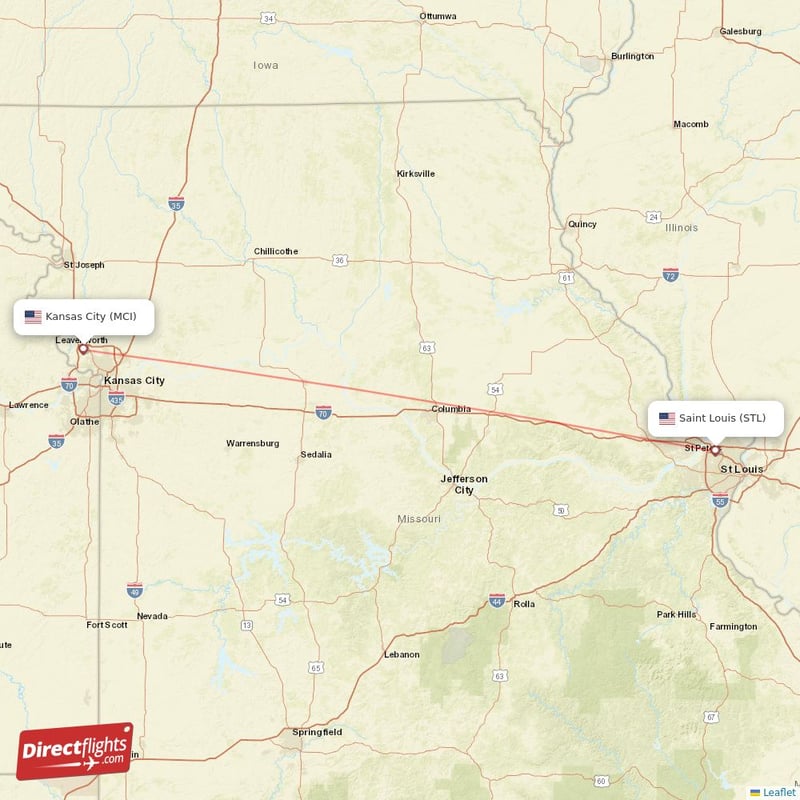
Geographically, the distance between these two major metropolitan areas is approximately 248 miles when traveling via the most direct route. While the birds-eye distance is slightly shorter, the practical reality for most visitors involves navigating the well-traveled corridor of the Midwest plains. Whether you are heading east to see the iconic Gateway Arch or heading west to enjoy world-famous barbecue and jazz, understanding the logistics of this trip is essential for a seamless travel experience.
The Logistics of the Journey: Distance and Timing
When planning a trip between Kansas City and St. Louis, the primary factor is usually the time spent on the road. For those driving, the journey typically takes between 3.5 to 4.5 hours, depending on traffic, weather conditions, and the specific starting and ending points within each city.
The Interstate 70 Corridor
The backbone of this trip is Interstate 70, a major highway that bisects Missouri horizontally. This route is favored for its efficiency and directness. Starting from the Kansas City downtown area, travelers merge onto Interstate 70 East, passing through suburban patches before hitting the rolling agricultural fields that define the central part of the state. The road is well-maintained but can be subject to heavy freight traffic, as it is a primary artery for cross-country shipping.
Factors Affecting Travel Time
While the distance remains constant, several variables can influence your arrival time. Traffic congestion is most common at the “bookends” of the trip. Departing Kansas City during the morning rush hour or entering St. Louis during the evening commute can easily add 30 to 45 minutes to the total duration. Furthermore, Missouri weather is notoriously unpredictable. Winter storms can bring snow and ice that significantly slow down the Interstate 70 corridor, while spring thunderstorms can produce heavy rain and reduced visibility. It is always advisable to check the Missouri Department of Transportation updates before setting out.
Transportation Alternatives: More Than Just a Drive
While a personal vehicle offers the most flexibility, there are several other ways to bridge the gap between these two cities. Each mode of transport offers a different perspective on the Missouri landscape and varies in cost and convenience.
Riding the Rails with Amtrak
One of the most scenic and relaxing ways to travel is via Amtrak. The Missouri River Runner is a dedicated rail line that operates daily between Kansas City and St. Louis. The train journey takes approximately 5.5 hours, which is longer than driving, but it allows passengers to bypass the stress of highway traffic. The tracks often follow the winding path of the Missouri River, providing views of limestone bluffs and riverside forests that are not visible from the highway. This is an excellent choice for those who wish to work, read, or simply enjoy the view of the American heartland.
Bus Services and Regional Flights
For budget-conscious travelers, bus lines like Greyhound and Jefferson Lines provide frequent service between the two cities. These terminals are usually located in the downtown areas, making them accessible for those without cars.
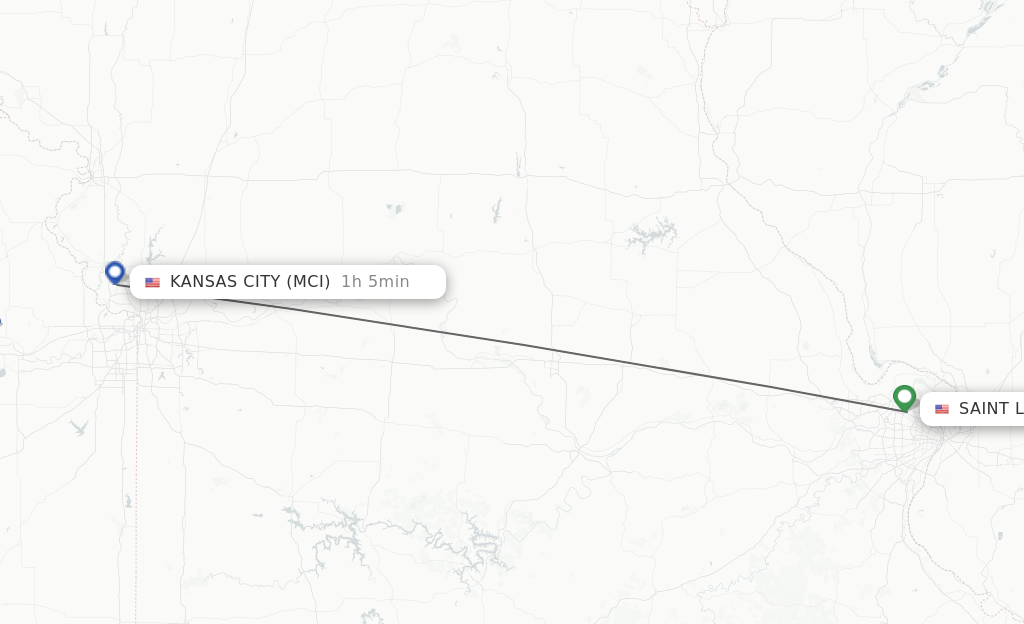
On the other hand, if time is of the essence, regional flights are available. Travelers can fly from Kansas City International Airport to Lambert-St. Louis International Airport. While the actual flight time is only about an hour, when you factor in security lines, baggage claim, and airport transit, the total travel time often equates to the same duration as driving. However, for business travelers connecting to further destinations, flying remains a viable luxury.
Scenic Detours and Roadside Attractions
The drive across Missouri does not have to be a monotonous sprint. Between the two urban centers lie several towns and landmarks that are well worth a stop, turning a simple transfer into a full-day travel experience.
Columbia: The Vibrant Mid-Point
Located almost exactly halfway between Kansas City and St. Louis is Columbia. As home to the University of Missouri, this city offers a youthful, intellectual energy. Travelers can take a break to walk through the Francis Quadrangle or grab a meal in the “The District,” Columbia’s downtown area filled with local boutiques and diverse eateries.
Historic Boonville and Rocheport
For those interested in history and nature, a slight detour to Boonville offers a glimpse into Missouri’s pioneer past. Nearby, the tiny village of Rocheport serves as a major trailhead for the Katy Trail State Park. This rail-to-trail project is the longest of its kind in the nation, following the old Missouri-Kansas-Texas Railroad line. Even a short walk or bike ride here provides stunning views of the Missouri River.
The Wine Country of Hermann
As you approach St. Louis, a detour south to Hermann is highly recommended for lovers of viticulture. This German-settled town is the heart of Missouri wine country. With its brick streets and historic wineries like Stone Hill Winery, it feels a world away from the interstate. It is a perfect spot for a late lunch or a tasting of the local Norton grape.
Destination Deep Dive: What Awaits at Each End
The distance is merely the space between two incredibly rich cultural hubs. Whether you are starting in the west or the east, the destination justifies the journey.
Exploring the Charms of Kansas City
Known as the “City of Fountains,” Kansas City is a place of elegance and grit. Upon arrival, visitors often flock to the Country Club Plaza, an outdoor shopping district inspired by the architecture of Seville, Spain. Art enthusiasts should not miss the Nelson-Atkins Museum of Art, famous for its giant shuttlecock sculptures on the lawn.
The city is also a sanctuary for sports and history. Between Kauffman Stadium for baseball fans and Arrowhead Stadium for football enthusiasts, the energy is palpable. To understand the city’s soul, a visit to the American Jazz Museum and the Negro Leagues Baseball Museum in the historic 18th and Vine district is essential.
Discovering the Spirit of St. Louis
On the eastern edge of the state, St. Louis welcomes travelers with its towering Gateway Arch National Park. This monument symbolizes the city’s role as the “Gateway to the West.” Beyond the arch, the city boasts Forest Park, which is significantly larger than Central Park in New York City. Within its boundaries, you will find the world-class St. Louis Zoo and the St. Louis Art Museum, both of which offer free admission.
For a taste of local life, a visit to The Hill, the city’s famous Italian neighborhood, offers some of the best toasted ravioli in the world. Baseball culture is also deeply ingrained here; catching a St. Louis Cardinals game at Busch Stadium is a rite of passage for any visitor.
Seasonal Considerations for Travelers
The experience of traveling between Kansas City and St. Louis changes with the seasons, impacting both the scenery and the travel conditions.
Spring and Summer Travel
During the spring, the Missouri countryside turns a vibrant green, and wildflowers begin to bloom along the highway shoulders. This is a popular time for road trips, but travelers should be aware of the “Tornado Alley” influence, which can bring sudden, severe weather. Summer is the peak season for tourism, especially for families visiting attractions like Six Flags St. Louis or catching a show at the Starlight Theatre in Kansas City. Expect higher traffic volumes and warmer temperatures, often reaching into the 90s (Fahrenheit) with high humidity.
Fall and Winter Travel
Autumn is perhaps the most beautiful time to make the trek. The hardwood forests of the Missouri River valley transform into a tapestry of red, orange, and gold. The temperatures are mild, making it ideal for visiting outdoor landmarks like the Missouri Botanical Garden.
Winter travel requires a bit more preparation. While the state is well-equipped for snow removal, heavy blizzards can occasionally shut down portions of Interstate 70. If you are traveling during December or January, it is wise to keep an emergency kit in your vehicle and allow for extra travel time. However, the holiday lights at the Plaza or the winter festivals in St. Charles make the cold-weather trip worthwhile.
Conclusion
The 250-mile journey from Kansas City to St. Louis is a traverse through the heart of America. While the distance can be covered in less than four hours, the richness of the experience lies in the details—the historic small towns, the scenic river views, and the unique cultural offerings of each city. Whether you are driving the Interstate 70 corridor for business or taking the Amtrak for leisure, the path between these two Missouri giants is a travel experience that defines the modern Midwest.
LifeOutOfTheBox is a participant in the Amazon Services LLC Associates Program, an affiliate advertising program designed to provide a means for sites to earn advertising fees by advertising and linking to Amazon.com. Amazon, the Amazon logo, AmazonSupply, and the AmazonSupply logo are trademarks of Amazon.com, Inc. or its affiliates. As an Amazon Associate we earn affiliate commissions from qualifying purchases.