
Navigating a major life transition requires a blend of legal knowledge, emotional resilience, and a strategic approach to one’s lifestyle. When considering how to file for divorce in Kansas, it is essential to view the process not merely as a series of bureaucratic hurdles, but as a journey toward a new chapter in the United States. The Sunflower State offers a unique legal landscape that reflects its Midwestern values—emphasizing fairness, residency, and the well-being of the family unit. This guide explores the logistical steps of filing for divorce while highlighting the lifestyle considerations and local resources available across the state’s vibrant cities and serene landscapes.
Navigating the Legal Landscape of the Sunflower State
The decision to end a marriage is never easy, but understanding the specific requirements of Kansas law can provide much-needed clarity. The state operates primarily on a “no-fault” basis, meaning that a spouse does not need to prove wrongdoing to initiate the process. Instead, most couples cite “incompatibility,” a broad term that acknowledges the marriage is no longer functioning without placing blame.
Residency and Preliminary Steps
Before you can step into a courthouse in Wichita or Overland Park, you must meet the state’s residency requirements. In Kansas, at least one spouse must have been a resident of the state for a minimum of 60 days before filing the petition. This relatively short period makes the state accessible for those who have recently relocated to the region for work or family reasons.
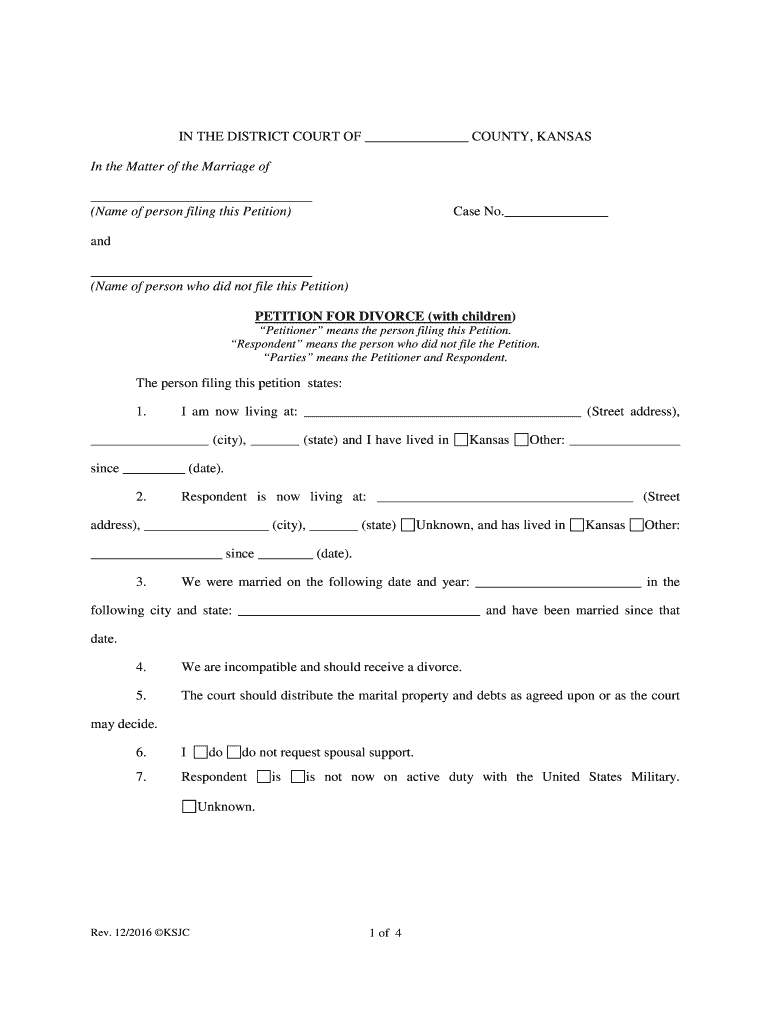
Once residency is established, the process begins with the “Petition for Divorce.” This document outlines the basic details of the marriage, including the names of the parties, any children involved, and the grounds for the divorce. It is typically filed in the District Court of the county where either spouse resides. For many, this means visiting the administrative hubs in Johnson County or Sedgwick County, where the legal infrastructure is well-equipped to handle high volumes of domestic cases.
Filing the Petition and Service of Process
After drafting the petition, the “Petitioner” (the person filing) must formally notify the “Respondent” (the other spouse). This is known as the “Service of Process.” In Kansas, this can be handled via a sheriff, a private process server, or through certified mail. In cases where the divorce is amicable, the respondent may sign a “Voluntary Entry of Appearance,” which waives the need for formal service and can expedite the timeline.
One unique aspect of the Kansas legal system is the mandatory 60-day waiting period. From the date the petition is filed, the court cannot grant a final divorce decree for at least two months. This period is intended to provide a “cooling off” window, allowing couples to consider mediation or to settle temporary matters regarding property and child custody. During this time, many residents find solace by exploring the local culture in Topeka, the state capital, where the Kansas State Capitol building serves as a reminder of the state’s enduring history and order.
Strategic Lifestyle Planning During a Transition
A divorce is more than just a legal event; it is a total lifestyle recalibration. While the paperwork moves through the courts, individuals must decide where they will live, how they will manage their finances, and how they will spend their newfound personal time. Kansas offers a variety of environments, from bustling urban centers to quiet, historic towns, each providing a different backdrop for a fresh start.
Selecting a New Base: From Overland Park to Lawrence
Choosing the right location for this transition is crucial. Overland Park is often favored for its suburban sophistication, top-tier schools, and corporate opportunities. It is a place where one can maintain a high-end lifestyle while staying connected to the Kansas City metropolitan area. The city’s parks and shopping districts provide a sense of normalcy and routine during an otherwise turbulent time.
Conversely, Lawrence offers a more eclectic and academic atmosphere. As the home of the University of Kansas, the city is filled with youthful energy, art galleries, and a vibrant music scene. For many, moving to Lawrence represents a return to a more creative or intellectual lifestyle, away from the formalities of corporate life. The proximity to the Kansas River provides natural beauty and a space for reflection, which is often necessary when navigating the complexities of property division and custody arrangements.
Finding Solace in Landmarks and Nature
Maintaining mental health is a priority during any legal proceeding. Kansas is home to stunning natural landmarks that offer a sense of perspective. The Tallgrass Prairie National Preserve in the Flint Hills is a prime example. The rolling hills and vast horizons provide a physical manifestation of “the big picture,” helping individuals look beyond their current legal challenges.
For those residing in the western part of the state, a visit to Monument Rocks can be equally transformative. These towering chalk formations rise out of the prairie, serving as a testament to time and endurance. Integrating visits to these Landmarks into one’s lifestyle can provide a much-needed break from the stress of mediation sessions and court appearances.
Support Systems and Community Resources
No one should navigate the divorce process in Kansas alone. The state is known for its strong sense of community, and there are numerous professional and social networks designed to support those in transition. From legal aid to boutique accommodations, the resources available are both professional and insightful.
Engaging with Professional Networks in Wichita
As the largest city in the state, Wichita is a hub for legal and financial expertise. The Sedgwick County legal community is robust, offering everything from high-stakes litigation to collaborative divorce coaching. Beyond the legalities, Wichita provides cultural escapes like the Wichita Art Museum and the Keepers of the Plains statue, where the confluence of the Big Arkansas River and the Little Arkansas River serves as a powerful metaphor for life’s changing paths.
Individuals often find that joining local business groups or hobbyist clubs in Wichita helps them rebuild their social identity. Whether it is attending an event at the Kansas Cosmosphere and Space Center in nearby Hutchinson or exploring the historic districts of Dodge City for a weekend getaway, the state encourages an active and engaged lifestyle.
Long-term Accommodation and Boutique Stays
During the 60-day waiting period and the months following the final decree, many individuals find themselves in need of temporary or long-term accommodation. For those seeking luxury and a pampered environment during this stressful time, The Ambassador Hotel Wichita offers a sophisticated retreat. Staying in a high-end hotel can provide a sense of stability and luxury when one’s domestic life is in flux.
For a more permanent transition, the real estate markets in Manhattan (the “Little Apple”) and Leawood offer diverse options. Manhattan provides a friendly, mid-sized city feel, while Leawood is known for its upscale residential areas and proximity to the finest dining in Kansas City. Securing a home in these areas allows for a seamless transition into a lifestyle focused on personal growth and community involvement.

Finalizing the Journey: The Decree and Beyond
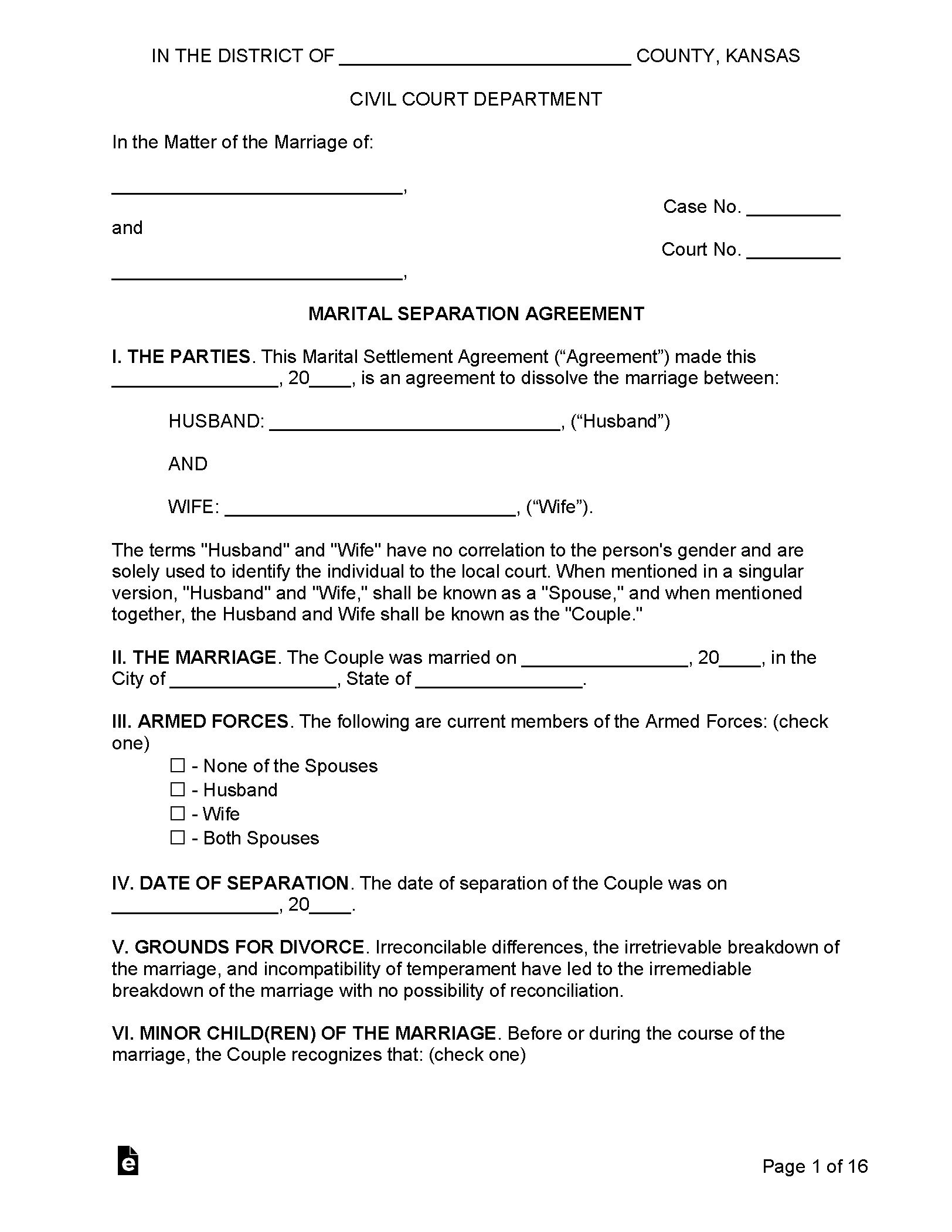
The final step in filing for divorce in Kansas is the “Decree of Divorce.” This document, signed by a judge, legally terminates the marriage and outlines the final agreements on property, debt, and child-related matters. Once the judge signs the decree and it is filed with the clerk of the court, the legal process is officially complete.
However, the lifestyle journey is just beginning. Many find that once the legalities are settled, they have a renewed interest in exploring the state they call home. Whether it is a celebratory trip to Castle Rock or a quiet weekend in the Ozark Mountains (just across the border), the opportunity for adventure is vast.
Kansas is a state that rewards those who approach life with a spirit of resilience and an eye for beauty. By understanding the legal requirements of the divorce process and embracing the diverse lifestyle opportunities available—from the urban energy of Kansas City to the historic charm of Council Grove—individuals can navigate this challenging time with grace. Filing for divorce in Kansas is not just about ending a contract; it is about reclaiming one’s future in a state that offers every resource needed to thrive once more.
LifeOutOfTheBox is a participant in the Amazon Services LLC Associates Program, an affiliate advertising program designed to provide a means for sites to earn advertising fees by advertising and linking to Amazon.com. Amazon, the Amazon logo, AmazonSupply, and the AmazonSupply logo are trademarks of Amazon.com, Inc. or its affiliates. As an Amazon Associate we earn affiliate commissions from qualifying purchases.