
Understanding whether Kansas is Democrat or Republican requires more than a simple glance at a modern electoral map. To truly grasp the political soul of the United States heartland, one must walk through the halls of its storied landmarks, explore its historic architecture, and visit the monuments that commemorate its tumultuous birth. From the “Free State” struggles of the 19th century to the modern urban-rural divide, the landmarks of Kansas offer a physical timeline of a state that has often been the ideological laboratory of the nation.
The Political Foundations in the Architecture of Topeka
The city of Topeka, the state capital, serves as the primary stage for the state’s ongoing political narrative. The architecture here is not merely functional; it is a testament to the values held by Kansans throughout different eras.
The Kansas State Capitol: A Monument to Midwestern Governance
The Kansas State Capitol is perhaps the most significant landmark for understanding the state’s political identity. Construction began in 1866, and the building stands as a masterpiece of French Renaissance style. However, its most telling features are found inside. The famous murals by John Steuart Curry, particularly “Tragic Prelude,” depict the abolitionist John Brown with a Bible in one hand and a rifle in the other. This landmark reminds visitors that while Kansas is often viewed as a Republican stronghold today, its foundations are rooted in the radical “Free State” movement, which was a precursor to the early Republican Party.
Brown v. Board of Education National Historical Park: A Landmark of Change
In the heart of Topeka sits the Brown v. Board of Education National Historical Park, located at the former Monroe Elementary School. This site is crucial for understanding the state’s historical intersection with civil rights and national politics. While the state shifted toward a more conservative stance in the mid-20th century, this landmark represents the legal battle that ended racial segregation in public schools across America. It serves as a reminder that the political landscape of Kansas has been instrumental in shaping progressive federal policies, even when the state legislature leans conservative.
Historical Landmarks of the “Free State” Struggle
To answer if Kansas is Democrat or Republican, one must look at the era known as “Bleeding Kansas.” This period of violent conflict preceded the American Civil War and established the state’s penchant for fierce political independence.
Constitution Hall and the Birth of a State
Located in the Lecompton Constitution Hall State Historic Site in Lecompton, this building was once the capital of the Kansas Territory. It was here that the pro-slavery Lecompton Constitution was drafted, an event that polarized the nation. Visitors to Lecompton can see the very floorboards where the heated debates occurred. This landmark represents the conservative, traditionalist faction of the state’s history, which eventually lost out to the “Free State” advocates but left a lasting legacy on the state’s social conservatism.
Old Town Wichita and the Frontier Spirit
The city of Wichita offers a different perspective on the state’s political evolution. Old Town Wichita preserves the architecture of a booming cattle town. The rugged individualism of the frontier, memorialized in the bricks and mortar of Sedgwick County, heavily influences the libertarian-leaning Republicanism that dominates the region today. The historical landmarks here emphasize self-reliance and limited government, traits that have become synonymous with the modern Republican Party platform in the Great Plains.
Eisenhower and the Legacy of Moderate Conservatism
The 20th century saw Kansas transition into a reliable pillar of the Republican Party, but it was a brand of politics characterized by pragmatism and internationalism, largely shaped by its most famous son.
The Dwight D. Eisenhower Presidential Library and Museum
In Abilene, the Dwight D. Eisenhower Presidential Library and Museum stands as a monument to “Middle Way” politics. Dwight D. Eisenhower, a Republican, championed the Interstate Highway System and the Department of Health Education and Welfare. This landmark is essential for understanding the “Moderate Republican” tradition that was a hallmark of Kansas politics for decades. The museum’s exhibits reflect a time when the state’s Republicanism was focused on infrastructure, education, and global stability rather than the ideological battles of today.
Abilene: A City Shaped by Global Leadership
The town of Abilene itself is a landmark of Midwestern values. The preservation of the Eisenhower Boyhood Home within the library complex showcases the humble beginnings that Kansans value. This connection to the “common man” is a rhetorical tool used by both Democrats and Republicans in the state. While the town remains Republican, the architectural and historical focus on service and community reflects a brand of politics that often transcends modern partisan bickering.
Cultural Landmarks and the Modern Urban-Rural Divide
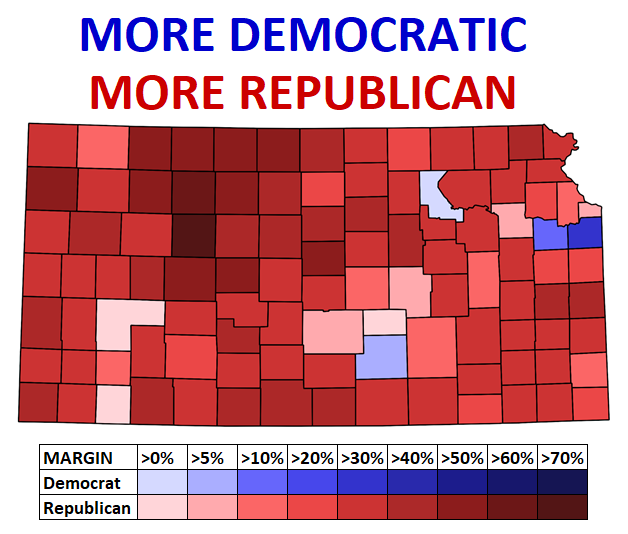
In the current era, the question of whether Kansas is Democrat or Republican is often answered by geography. The state’s landmarks highlight a growing divide between the expansive rural prairies and the burgeoning urban centers.
The Tallgrass Prairie National Preserve: Nature as a Political Force
The Tallgrass Prairie National Preserve, located in the Flint Hills, is one of the most breathtaking natural landmarks in the United States. This vast expanse of unplowed prairie represents the agricultural heart of Kansas. The ranchers and farmers who live in the surrounding Chase County are the bedrock of the state’s Republican Party. The preservation of this land is often seen through the lens of private property rights and traditional conservation, themes that resonate deeply with conservative voters who feel the rural way of life is under threat from urban expansion.
Kansas City and Lawrence: Bastions of Urban Liberalism
Contrasting with the silent majesty of the Flint Hills are the landmarks of the northeastern corner of the state. In Kansas City, particularly within Wyandotte County, landmarks like the Strawberry Hill Museum and Cultural Center highlight the diverse immigrant history that has long aligned with the Democratic Party.
Further west, the city of Lawrence is home to the University of Kansas. Landmarks such as Fraser Hall and the Robert J. Dole Institute of Politics underscore the intellectual and liberal center of the state. Lawrence was a key site during the “Free State” movement, and today, its historic Massachusetts Street is the heartbeat of the state’s Democratic base. The architectural preservation of Lawrence as a walkable, progressive hub stands in stark contrast to the sprawling suburbs of Johnson County.
The Influence of Architecture on Political Identity
The physical spaces in Kansas often dictate the political discourse. The grandeur of the state’s historical buildings often hides the complex shifts in party loyalty.
The Keeper of the Plains: A Symbol of Unity
In Wichita, the Keeper of the Plains stands at the confluence of the Big Arkansas River and the Little Arkansas River. This 44-foot Cor-Ten steel sculpture by Blackbear Bosin is a landmark that honors the Native American heritage of the region. While it is not a political monument per se, it serves as a gathering point for all Kansans. In a state that is often divided between “Red” and “Blue,” such landmarks provide a sense of shared history and identity.
Monument Rocks: The Deep History of the High Plains
Traveling further west into Gove County, one finds Monument Rocks, also known as the Chalk Pyramids. These natural chalk formations are a National Natural Landmark. The sheer scale and ancient history of these rocks provide a perspective that dwarfs modern political cycles. For the residents of Western Kansas, these landmarks are a source of immense pride and a reminder of the state’s geological and historical permanence. This region is the most reliably Republican part of the state, where politics is deeply tied to the land and the endurance of those who work it.
Conclusion: A State of Political Contrasts
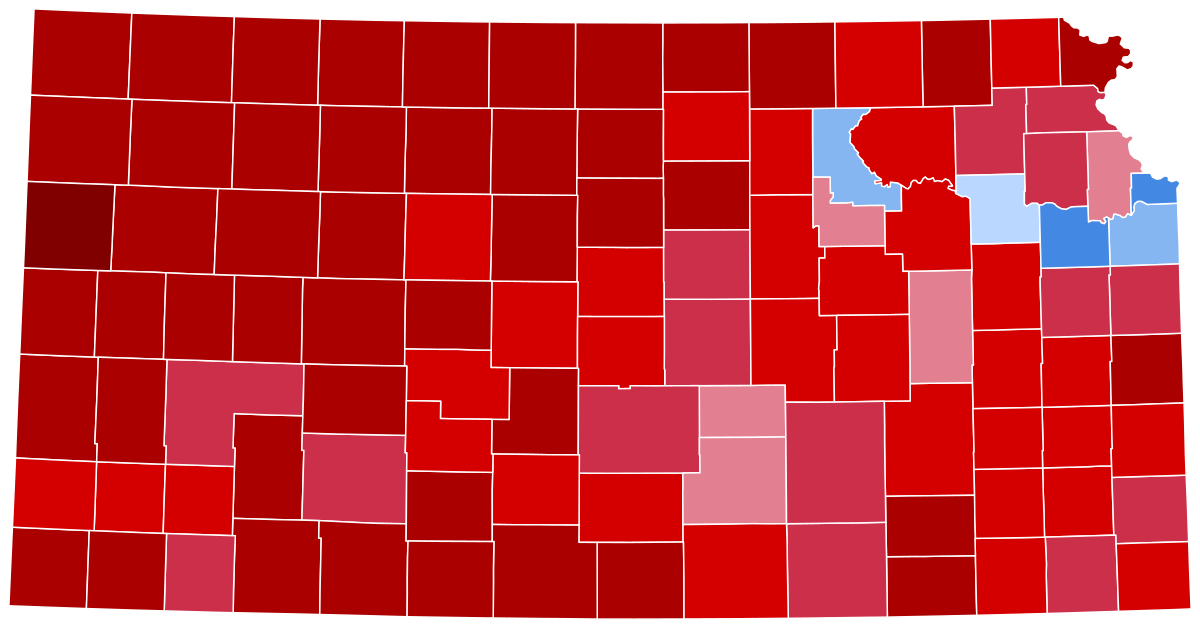
So, is Kansas Democrat or Republican? Through the lens of its landmarks, the answer is that Kansas is a state of deep historical tensions. While it has been a Republican stronghold for much of the late 20th and early 21st centuries, the landmarks of its “Free State” origins, its civil rights triumphs in Topeka, and the burgeoning progressive energy in Lawrence suggest a state that is far from a monolith.
The architecture of the Kansas State Capitol and the legacy of the Dwight D. Eisenhower Presidential Library and Museum show a preference for stability and moderate leadership. Meanwhile, the Tallgrass Prairie National Preserve and Monument Rocks remind us of the rural conservative values that continue to shape the majority of the state’s map.
Visiting these landmarks provides more than just a tour of Kansas; it provides a window into the American political soul. Whether you are exploring the streets of Kansas City or the quiet fields of Abilene, the landmarks of the Sunflower State tell a story of a people who are fiercely independent, deeply rooted in their history, and constantly debating the best path forward for the United States.
LifeOutOfTheBox is a participant in the Amazon Services LLC Associates Program, an affiliate advertising program designed to provide a means for sites to earn advertising fees by advertising and linking to Amazon.com. Amazon, the Amazon logo, AmazonSupply, and the AmazonSupply logo are trademarks of Amazon.com, Inc. or its affiliates. As an Amazon Associate we earn affiliate commissions from qualifying purchases.