
When exploring the rich culinary landscape of the United States, few items carry as much regional pride and historical weight as the Kansas City strip steak. Often regarded as the gold standard of American beef, this particular cut is more than just a menu item; it is a symbol of the Midwest and its deep-rooted connection to the cattle industry. For travelers visiting Kansas City, understanding the nuances of this steak is an essential part of the local tourism experience. Whether you are dining in a high-end establishment or a historic tavern, the Kansas City strip represents a tradition of quality that has spanned over a century.
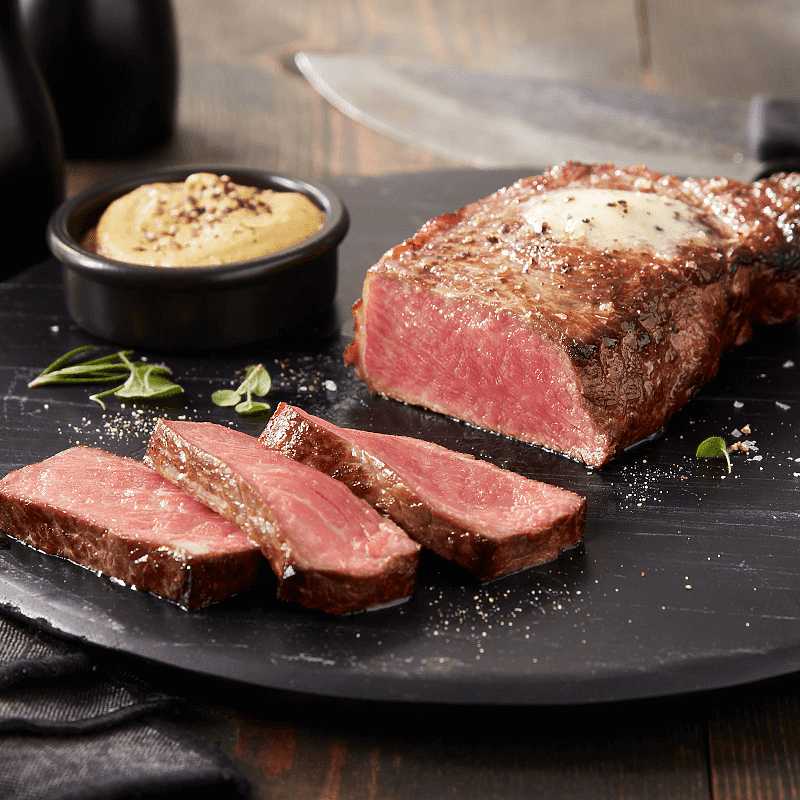
In the world of gastronomy, names carry weight. While many international diners might be more familiar with the term “New York strip,” the “Kansas City strip” tells a story of geography, competition, and the evolution of the American palate. To truly appreciate what makes this steak unique, one must look beyond the plate and into the history of the Missouri and Kansas borderlands, where the cattle trade shaped the very identity of the region.
The Origin and History of the Kansas City Strip
The story of the Kansas City strip steak is inextricably linked to the rise of the Kansas City Stockyards. Established in the late 19th century in the West Bottoms district, these stockyards became the second largest in the world, trailing only behind Chicago. As cattle moved from the plains of Texas and Oklahoma toward the markets in the east, Kansas City served as a vital hub. It was here that the local butchery culture began to refine specific cuts of meat that would eventually gain national acclaim.
The Cowtown Roots
In the early 1900s, Kansas City earned the nickname “Cowtown.” This wasn’t just a moniker; it was an economic reality. The West Bottoms was a bustling center of activity where ranchers, traders, and butchers converged. The legendary Golden Ox restaurant, located right next to the stockyards, is often credited with popularizing the specific cut we now know as the Kansas City strip. For the workers and visiting ranchers, a thick, marbled steak was the ultimate reward after a long day of trade. This culture of high-quality beef consumption trickled down from the industry insiders to the general public, cementing the city’s reputation as a premier destination for steak lovers.
Kansas City vs. New York: The Great Naming Debate
One of the most frequent questions tourists ask is whether there is a difference between a Kansas City strip and a New York City strip. Historically, the cut is the same: it comes from the short loin of the cow. However, the naming convention is a point of regional pride. Legend has it that Delmonico’s restaurant in Manhattan popularized the cut in the East, leading it to be called the “Delmonico steak” or the “New York strip.” Meanwhile, in the heart of the Midwest, the same cut was being perfected and served with a distinct local flair. Traditionally, a Kansas City strip was often served “bone-in,” which enthusiasts argue provides a richer flavor and a more impressive presentation, whereas the New York City version is typically boneless.
Anatomy of the Perfect Cut
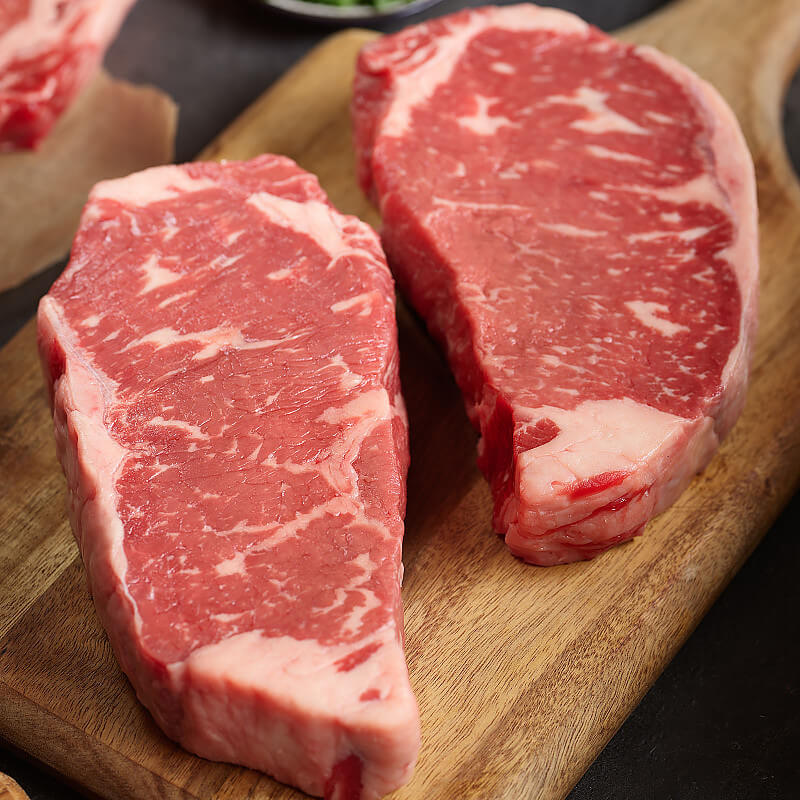
To understand the Kansas City strip from a culinary tourism perspective, one must understand the butchery. The steak is cut from the longissimus dorsi muscle, which is part of the short loin. Because this muscle does not do a significant amount of work, the meat remains incredibly tender. For the discerning traveler looking for an authentic Missouri dining experience, the quality of the marbling—the white flecks of intramuscular fat—is the primary indicator of a superior Kansas City strip.
Where It Comes From: The Short Loin
The short loin is located behind the ribs and in front of the sirloin. This area produces some of the most sought-after cuts in the beef industry, including the T-bone and the Porterhouse. The Kansas City strip is essentially a T-bone or Porterhouse with the tenderloin side removed. What remains is a dense, flavorful, and hearty piece of meat that holds up exceptionally well to high-heat grilling. This makes it a favorite for the charcoal-heavy cooking styles found throughout the Midwest.

Bone-In vs. Boneless: The Ambassador Cut
While you can find boneless versions throughout the city, many traditionalists insist on the “bone-in” Kansas City strip, sometimes referred to as the “Ambassador Cut.” Leaving the bone attached during the cooking process helps the meat retain moisture and imparts a subtle, buttery depth to the flavor profile. In many of the historic steakhouses of Kansas City, such as the Hereford House, the bone-in strip is the signature dish. It serves as a visual reminder of the city’s rugged, cattle-driving history and offers a tactile dining experience that boneless cuts simply cannot match.
Exploring the Culinary Culture of Kansas City
Tourism in Kansas City is often a journey of the senses, and the local food scene is its beating heart. While the city is world-famous for its barbecue, its steakhouse culture is equally significant. The Kansas City strip steak is the bridge between these two worlds. It represents the raw material that both pitmasters and executive chefs strive to perfect. For a visitor, experiencing this steak is an entry point into the local culture and the values of quality and hospitality that define the region.
The Iconic Steakhouses
No trip to Missouri is complete without a visit to a classic steakhouse. Jess & Jim’s Steakhouse, located in the Martin City neighborhood, has been a staple since 1938. It has been recognized by national publications like Playboy and Travel + Leisure for serving one of the best steaks in the United States. Another essential stop is the Savoy Grill, which has hosted presidents and celebrities over the decades. These establishments offer a glimpse into the mid-century glamour of the Midwest, where the service is impeccable and the Kansas City strip is always the star of the show.
Beyond the Steak: The BBQ Influence
It is impossible to talk about beef in Kansas City without mentioning barbecue. While a Kansas City strip is typically grilled or seared in a steakhouse, the city’s barbecue culture influences how meat is sourced and appreciated. The same high-quality cattle that provide the strips also provide the briskets for the city’s world-renowned burnt ends. Travelers often find that the knowledge of beef quality is universal here; whether you are at a roadside BBQ stand or a white-linen restaurant on the Country Club Plaza, the expectation for excellence is the same.
Tips for the Ultimate Kansas City Food Tourism Experience
For those planning a visit to the region, navigating the food scene can be overwhelming given the abundance of choices. To truly appreciate the Kansas City strip steak, one should look for authenticity and tradition. This means seeking out places that source their beef locally and honor the time-tested methods of aging and preparation.
Best Neighborhoods for Foodies
If you are looking for a concentrated dose of culinary history, the West Bottoms remains a fascinating place to explore. Though much of the industrial stockyard activity has moved, the historic architecture remains, and new restaurants are breathing life back into the area. For a more upscale experience, the Country Club Plaza offers a beautiful backdrop of Spanish-inspired architecture and some of the city’s most refined dining rooms, such as Plaza III, which was a long-time champion of the Kansas City strip.
Annual Food Festivals
To see the city’s love for beef on a grand scale, try to time your visit with the American Royal. This massive livestock show, horse show, and barbecue competition is one of the most significant events in Kansas City. It celebrates the agricultural heritage of the Midwest and offers tourists a chance to see the best of the best in cattle and culinary skill. It is here that you can truly see why the Kansas City strip is more than just meat—it is a legacy.
Whether you are a seasoned foodie or a curious traveler, the Kansas City strip steak offers a delicious window into the soul of the United States. It is a cut of meat that tells the story of the westward expansion, the industrialization of the Midwest, and the enduring power of a local tradition. When you sit down to a meal in Kansas City, you aren’t just eating a steak; you are participating in a century-old cultural ritual that remains as vibrant and flavorful today as it was in the heyday of the Kansas City Stockyards.
LifeOutOfTheBox is a participant in the Amazon Services LLC Associates Program, an affiliate advertising program designed to provide a means for sites to earn advertising fees by advertising and linking to Amazon.com. Amazon, the Amazon logo, AmazonSupply, and the AmazonSupply logo are trademarks of Amazon.com, Inc. or its affiliates. As an Amazon Associate we earn affiliate commissions from qualifying purchases.