
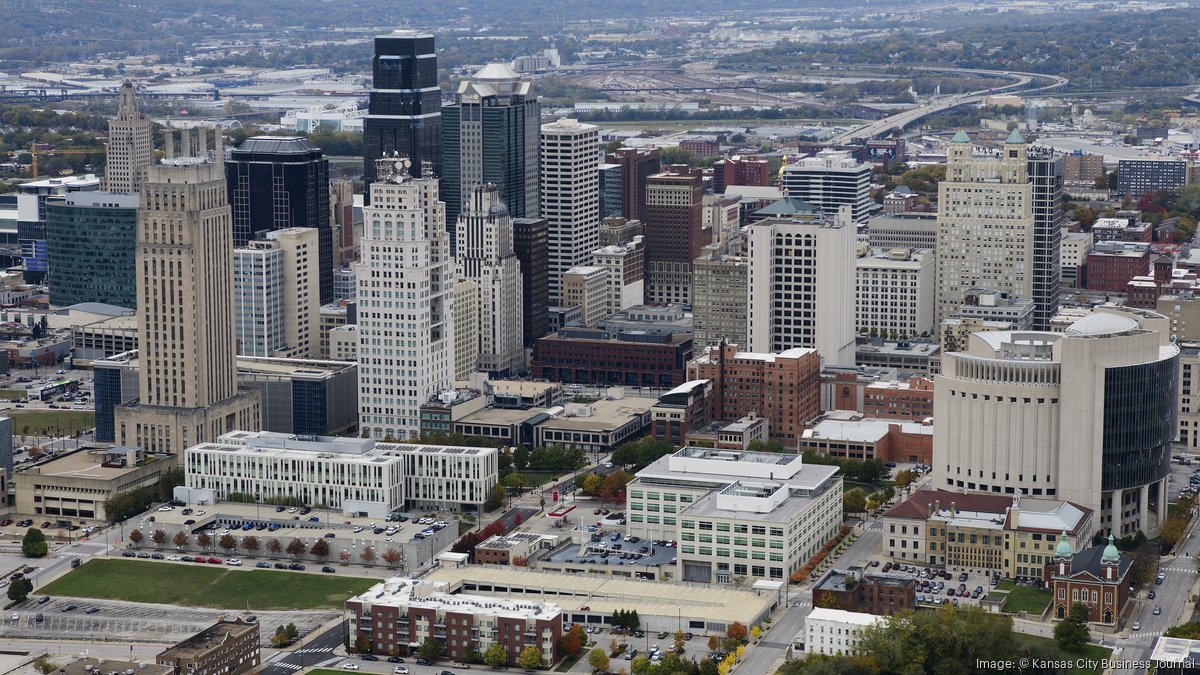
When travelers look at a map of the United States, their eyes often settle on the sprawling metropolitan hub situated right on the border of Missouri and Kansas. To understand the tourism appeal of this region, one must first ask: What is Kansas City population? As of the most recent estimates, the city proper boasts a population of approximately 508,000 residents, while the greater Kansas City Metropolitan Area swells to over 2.2 million people. However, for a visitor, these numbers represent much more than statistics on a census form. They represent the density of culture, the scale of the culinary scene, and the sheer energy of a community that has transformed a Midwestern rail hub into a world-class destination.

Understanding the Demographic Landscape of Kansas City
The population of Kansas City is a tapestry of history, migration, and modern urban renewal. While the city is often compared to other Midwestern giants like St. Louis or Chicago, it possesses a unique demographic character that directly influences its local tourism and cultural identity.
Current Population Trends and Growth
The steady growth of the population in recent decades has been a catalyst for the revitalization of the downtown core. For years, the suburban sprawl toward Overland Park and Lee’s Summit defined the region’s growth. However, a recent shift has seen younger demographics moving back into the city center. This “urban “migration” has led to the development of luxury lofts, boutique shops, and a thriving nightlife that visitors now enjoy. The population density in areas like the Crossroads Arts District ensures that even on a weeknight, the streets are filled with locals and tourists alike, creating a vibrant atmosphere that is essential for a top-tier travel experience.
Diversity as a Cultural Driver
The diversity of the people in Kansas City is perhaps its greatest asset. The city is a melting pot of backgrounds, including significant African American, Hispanic, and Irish communities. This demographic variety is the foundation of the city’s world-famous jazz heritage and its legendary culinary landscape. When you walk through the Historic Northeast neighborhood, you are greeted by a kaleidoscope of languages and flavors, proving that the population’s makeup is what dictates the “soul” of the city. For a tourist, this means every neighborhood offers a different story, a different rhythm, and a different perspective on the American experience.
How Population Density Shapes the Tourism Experience
A city’s population density often dictates how walkable, accessible, and energetic its tourist districts are. In Kansas City, the concentration of residents in specific hubs has created high-intensity zones of entertainment and history.
The Vibrancy of the Power & Light District
One of the most immediate impacts of the city’s concentrated population is the success of the Power & Light District. Spanning nine blocks, this district serves as the city’s living room. Because a large portion of the local workforce and downtown residents live within walking distance, the area maintains a high-octane energy throughout the year. For tourists, this means access to over 50 restaurants, bars, and shops in a safe, walkable environment. The density here supports massive outdoor concerts at the KC Live! stage, where the sheer volume of the local crowd makes every event feel like a major festival.
Urban Sophistication in the Country Club Plaza
Further south, the Country Club Plaza represents a different facet of the city’s population. Designed in 1922 and modeled after Seville, Spain, the Plaza is an outdoor shopping and dining district that caters to both the affluent local population and international visitors. The intricate Spanish architecture, complete with fountains and statues, provides a backdrop for high-end retail and fine dining. The fact that the surrounding residential areas—such as Brookside and Mission Hills—are some of the most densely populated upscale neighborhoods in the region ensures that the Plaza remains a bustling center of activity.
The Culinary Influence of a Growing Metropolis
You cannot discuss the population of Kansas City without discussing what they eat. The city’s history as a major terminal for the Stockyards attracted a massive workforce in the early 20th century, which in turn gave birth to a food culture that is now synonymous with the city itself.

The Legacy of Kansas City Barbecue
The population’s history is etched into the bark of a smoked brisket. The Great Migration brought thousands of people from the South to Kansas City, bringing with them the secrets of slow-cooked meats. Henry Perry, known as the father of Kansas City Barbecue, began selling smoked meats to the growing population in the early 1900s. Today, the city boasts more than 100 barbecue restaurants. Iconic spots like Arthur Bryant’s Barbeque, Gates BBQ, and Joe’s Kansas City Bar-B-Que are not just eateries; they are cultural institutions supported by a population that treats barbecue with the reverence of a religion.
Global Flavors in the Historic Northeast
While barbecue is the headline, the current population growth has introduced a new wave of international cuisine. The City Market in the River Market district is a prime example. On any given weekend, you will find locals from all corners of the globe shopping for fresh produce. This has led to an explosion of authentic Vietnamese, Ethiopian, and Mexican restaurants. For a tourist, exploring the food scene is like taking a demographic tour of the world, all within the city limits. This culinary diversity is a direct result of the city’s welcoming attitude toward new residents.
Local Traditions Fueled by the Community
The “vibe” of Kansas City is defined by its traditions, many of which are fueled by the passion of its 500,000+ residents. These traditions provide some of the most compelling reasons to visit.
Jazz Heritage and the 18th & Vine District
During the Prohibition era, the population of Kansas City famously ignored the national ban on alcohol, leading to a “wide-open” city where jazz thrived. This history is preserved today in the 18th & Vine Historic Jazz District. Here, visitors can explore the American Jazz Museum and the Negro Leagues Baseball Museum. The local community’s commitment to preserving this history ensures that the music never stops. Even today, the Mutual Musicians Foundation hosts late-night jam sessions that keep the spirit of Charlie Parker alive for a new generation of listeners.
Sports Culture: The Heartbeat of the People
If you want to truly feel the population of Kansas City, visit Arrowhead Stadium on a Sunday. The Kansas City Chiefs are more than just a football team; they are a unifying force for the entire region. The stadium holds the Guinness World Record for the loudest crowd roar, a testament to the passion of the local population. Similarly, the Kansas City Royals bring a sense of community to Kauffman Stadium. For a tourist, attending a game is the best way to witness the “Midwestern nice” attitude firsthand, as tailgating culture encourages strangers to share food and stories.
Planning Your Trip Based on the City’s Pulse
Knowing the population dynamics can help you plan a more effective trip. Depending on whether you want to be in the middle of the action or enjoy a quiet retreat, understanding the city’s layout is key.
Best Times to Visit
Kansas City holds several major events that see the population density in the downtown area skyrocket. The Plaza Art Fair in September and the Plaza Lights ceremony on Thanksgiving draw hundreds of thousands of people. If you enjoy the energy of a large crowd, these are the times to visit. If you prefer a more relaxed experience, consider visiting during the late spring when the city’s many fountains—earning it the nickname “The City of Fountains”—are turned on, and the parks, such as Loose Park, are in full bloom.
Navigating the Metropolitan Area
While the population is large, the city is remarkably easy to navigate. The KC Streetcar is a free service that connects the River Market to Union Station. This line runs through the heart of the most populated urban districts, making it incredibly convenient for tourists to hop between the National WWI Museum and Memorial and the various dining options in the Crossroads. For those looking to stay in the center of it all, hotels like the Loews Kansas City Hotel or the historic Hotel Phillips offer proximity to the city’s most dense cultural attractions.
In conclusion, when you ask, “What is Kansas City population?” you are asking about the foundation of one of the most culturally rich cities in the Midwest. Whether it’s the 500,000 residents within the city limits or the 2.2 million in the metro area, the people are what make this city a premier destination for food, music, history, and sports. To visit Kansas City is to join this community, even if only for a weekend, and experience the warmth and vibrancy of a growing American metropolis.
LifeOutOfTheBox is a participant in the Amazon Services LLC Associates Program, an affiliate advertising program designed to provide a means for sites to earn advertising fees by advertising and linking to Amazon.com. Amazon, the Amazon logo, AmazonSupply, and the AmazonSupply logo are trademarks of Amazon.com, Inc. or its affiliates. As an Amazon Associate we earn affiliate commissions from qualifying purchases.