
The question “Are there mountains in Florida?” often brings a chuckle to those familiar with the Sunshine State’s famously flat topography. While it’s renowned for its pristine beaches, sprawling theme parks, and verdant wetlands, rugged mountain ranges are conspicuously absent from its iconic postcard images. For travelers dreaming of dramatic peaks, alpine vistas, and challenging ascents, Florida might not seem like the obvious choice. However, to simply say “no” would be to overlook the unique geological nuances and fascinating elevated landscapes that define parts of this captivating peninsula. This article will delve into the true nature of Florida’s terrain, exploring its highest points, ancient geological formations, and the vibrant array of outdoor activities and travel experiences available, even without traditional mountains.
The Flat Truth: Defining “Mountains” in the Sunshine State
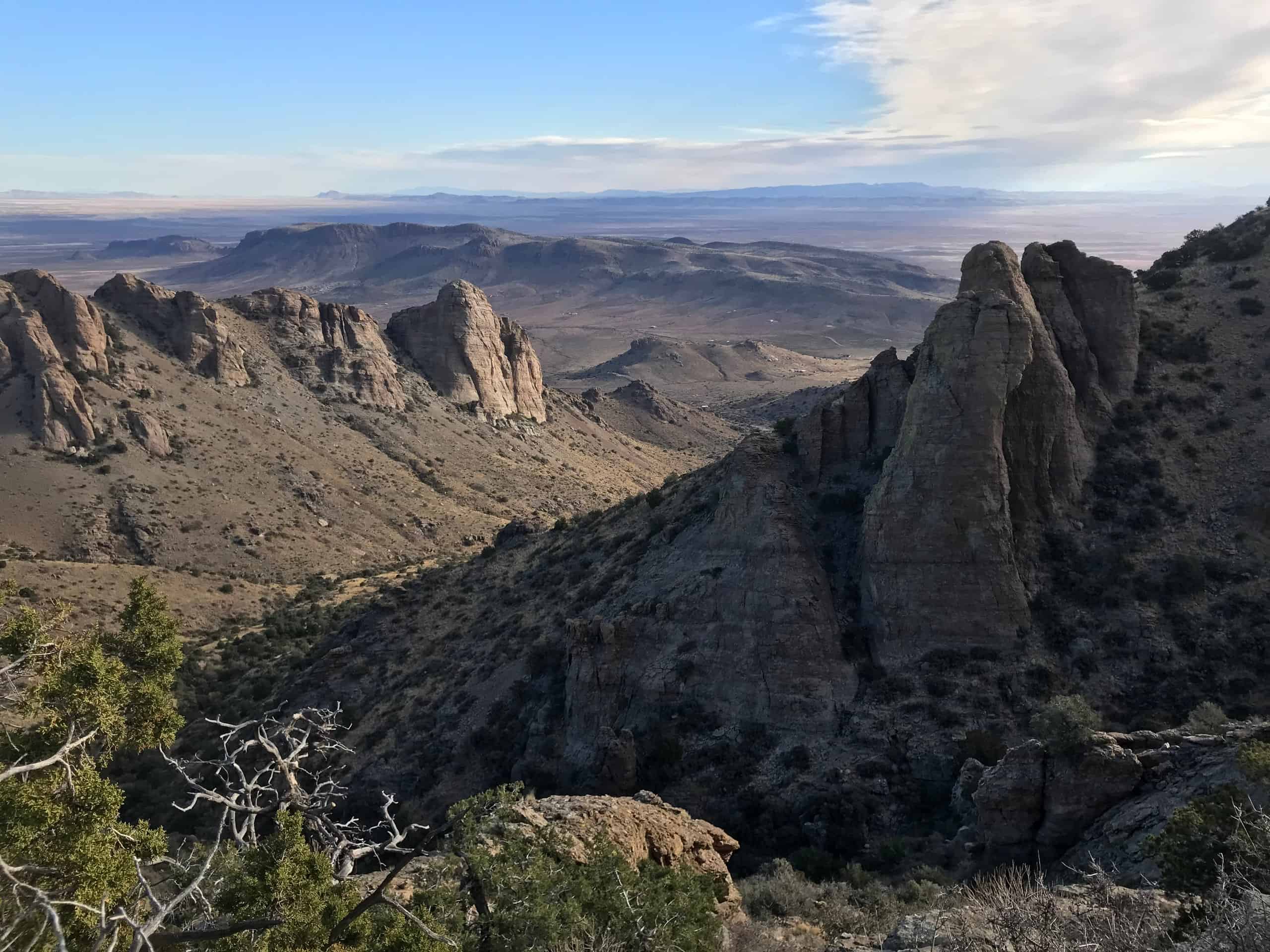
To understand whether Florida possesses mountains, we first need to define what constitutes a mountain. Geologically speaking, mountains are large landforms that rise prominently above their surroundings, typically featuring steep slopes, a distinct peak, and significant elevation. They are usually formed through tectonic plate collisions, volcanic activity, or erosion. When juxtaposed against this definition, Florida’s landscape presents a very different picture.
Geological Overview of Florida’s Landscape
Florida is essentially a limestone plateau, a vast, low-lying peninsula that emerged from the ocean over millions of years. Its geological history is dominated by marine sediment deposition, forming a thick layer of limestone that lies beneath the surface. This porous rock is responsible for the state’s famous karst topography, characterized by an abundance of sinkholes, springs, and underground rivers. The highest elevations in Florida are generally found in the central ridge and the Florida Panhandle, areas that escaped the full force of past sea-level fluctuations.
The state’s overall flatness is primarily due to its relatively recent geological formation and its position on a stable continental shelf. Unlike mountainous regions, Florida has not experienced the intense uplift or volcanic activity that creates dramatic vertical relief. Its landscape has been shaped more by erosion, the ebb and flow of ancient seas, and the gradual accumulation of sediments. This unique geological story contributes to Florida’s distinct charm, offering a different kind of natural beauty that appeals to travelers seeking serene waterways, lush forests, and expansive coastal vistas rather than rugged peaks.
Unpacking the Term: What Constitutes a Mountain?
While there’s no universally agreed-upon exact definition for a “mountain,” general characteristics often include a minimum elevation (e.g., 1,000 to 2,000 feet above sea level), significant local relief (how much it rises above its immediate surroundings), and a certain degree of steepness. In contrast, “hills” are typically smaller, less steep, and have lower elevations.
Given these parameters, Florida simply does not host true mountains. Its highest point, Britton Hill, stands at a mere 345 feet (105 meters) above sea level. While certainly an elevation, it falls far short of what most geographers and enthusiasts would consider a mountain. This doesn’t detract from the state’s natural appeal, but rather redefines the kind of topographical exploration one can expect. Instead of mountaineering, travelers can engage in gentle hikes, nature walks, and explore the subtle undulations that provide unique ecosystems and scenic viewpoints. The absence of towering peaks means that the focus shifts to other natural wonders – the crystal-clear springs, ancient forests, and rich biodiversity that thrive in Florida’s distinctive environment.
Florida’s “Highest Peaks”: Hills, Ridges, and Unique Formations
While grand mountain ranges might be absent, Florida does boast several notable elevated areas, which, in the context of its generally flat terrain, stand out as significant features. These aren’t mountains by conventional standards, but they offer fascinating glimpses into the state’s geological past and provide unique natural experiences for visitors.
Britton Hill: Florida’s Loftiest Point
Nestled in the Florida Panhandle, near the border with Alabama and Georgia, lies Britton Hill. At 345 feet (105 meters) above sea level, it proudly claims the title of Florida’s highest natural point. Far from a rugged peak, Britton Hill is more of a gentle rise, almost imperceptible to the untrained eye. It’s located within Lakewood Park in Walton County, offering a charming and somewhat whimsical destination for “peak baggers” aiming to visit the highest points in each U.S. state.
Visiting Britton Hill is a unique experience. Unlike the arduous treks to mountain summits, reaching Florida’s highest point involves a short, easy walk from a parking area. A small monument, picnic area, and informational signs mark the spot, making it a perfect family-friendly outing. For travelers focused on landmarks and unique natural attractions, this site offers bragging rights and a pleasant stop amidst the rolling hills of the Panhandle. The surrounding area also provides opportunities for picnicking and enjoying the tranquil, forested landscape, a testament to the subtle beauty that defines Florida’s highest elevations.
The Lake Wales Ridge: An Ancient Island Chain
One of Florida’s most ecologically significant elevated regions is the Lake Wales Ridge. Stretching for approximately 100 miles through the central part of the state, this ancient sand ridge is significantly older than most of Florida’s current landmass. During periods of high sea levels millions of years ago, the Lake Wales Ridge existed as a chain of islands, isolated from the mainland. This isolation led to the evolution of a remarkable number of endemic species – plants and animals found nowhere else on Earth.
The ridge’s elevations, while still modest by mountain standards, can reach over 300 feet (91 meters) in some areas, offering a distinct visual contrast to the surrounding flatlands. Its unique “scrub” habitat, characterized by sandy soils and fire-adapted vegetation, is a critical ecosystem under conservation efforts. Travelers interested in nature, conservation, and unique flora and fauna will find the Lake Wales Ridge a fascinating destination. Attractions like Bok Tower Gardens in Lake Wales are situated on the ridge, offering stunning views and cultural experiences amidst the elevated landscape. Exploring this ridge allows visitors to connect with Florida’s ancient past and discover a different dimension of its natural heritage.

Other Notable Elevations and Karst Topography
Beyond Britton Hill and the Lake Wales Ridge, other subtle elevations dot the Florida landscape. For instance, Sugarloaf Mountain, near Clermont in Lake County, rises to about 312 feet (95 meters) and is recognized as the most prominent peak in peninsular Florida. Its slopes are steep enough to challenge cyclists and offer panoramic views, making it a popular spot for outdoor enthusiasts. These “hills” provide local relief and a sense of elevation that, while not mountainous, are certainly noticeable within the state’s generally flat profile.
The underlying karst topography also creates unique landscape features, though not “mountains.” The formation of sinkholes, caves, and springs contributes to a dynamic and visually interesting terrain. Exploring these geological formations, particularly the freshwater springs that dot the state, provides a distinct adventure, offering opportunities for swimming, snorkeling, and diving in crystal-clear waters. These natural landmarks, born from the interaction of water and limestone, are emblematic of Florida’s unique geological identity and provide ample reason for travelers to venture beyond the coastline.
Embracing Florida’s Unique Topography: Activities and Attractions Beyond Mountains
While the absence of traditional mountains might initially disappoint a certain type of adventurer, Florida’s distinct topography opens up a world of alternative outdoor activities and natural attractions. The focus shifts from vertical ascent to horizontal exploration, revealing diverse ecosystems, tranquil waterways, and rich wildlife.
Hiking, Biking, and Nature Trails
Florida boasts an extensive network of trails perfect for hiking and biking, often winding through ancient forests, along pristine coastlines, or across elevated ridges. The Florida National Scenic Trail, for example, stretches over 1,300 miles from the Everglades to the Florida Panhandle, offering varied terrain and immersive experiences in the state’s natural beauty. While there aren’t challenging mountain climbs, hikers can still enjoy elevation changes on trails traversing the Lake Wales Ridge or exploring the rolling hills of the Ocala National Forest.
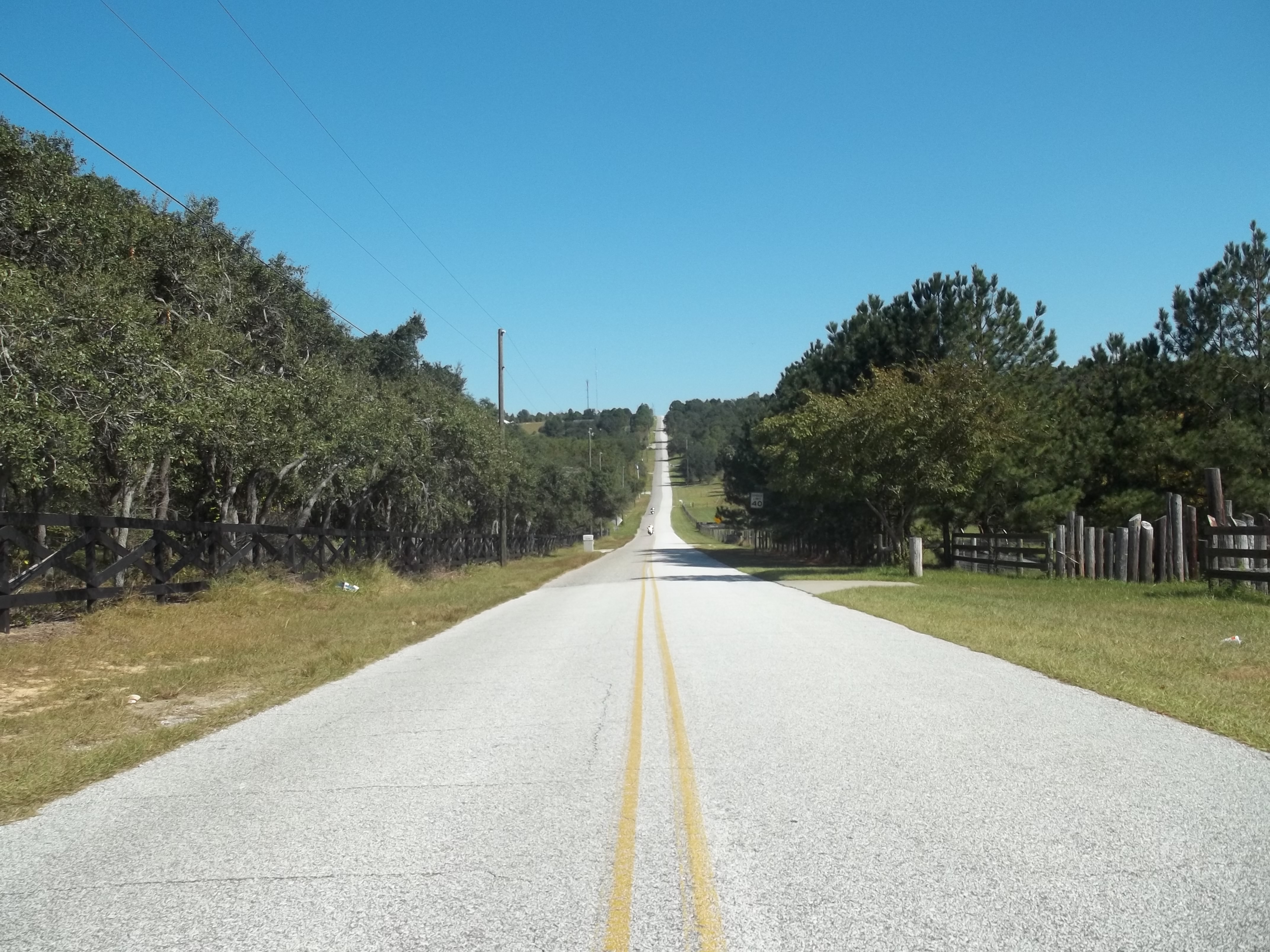
For cyclists, the relatively flat terrain is a boon, making long-distance rides accessible and enjoyable. Areas around Gainesville and Tallahassee offer more pronounced hills for those seeking a greater challenge, while many state parks and preserves provide well-maintained paths for leisurely rides. These activities cater to all fitness levels, offering opportunities for families, budget travelers, and serious athletes to connect with Florida’s outdoors. The unique ecosystems encountered, from pine flatwoods to cypress swamps, make every trail an educational journey into biodiversity.
Springs, Lakes, and Coastal Adventures
Florida’s most defining natural features are arguably its abundant waterways. The state is home to over 1,000 natural freshwater springs, many of which are designated as state parks, offering unparalleled opportunities for swimming, snorkeling, diving, and kayaking in crystal-clear, 72-degree Fahrenheit water year-round. Places like Silver Springs State Park, Ichetucknee Springs State Park, and Weeki Wachee Springs State Park are iconic attractions, blending natural beauty with recreational activities and local culture.
The vast coastline, stretching over 1,350 miles, provides endless opportunities for coastal adventures. From the world-famous beaches of Miami and Orlando’s nearby shores to the tranquil barrier islands of the Gulf Coast, travelers can enjoy everything from sunbathing and shell collecting to surfing, paddleboarding, and deep-sea fishing. Kayaking through mangrove tunnels in Everglades National Park or exploring the unique estuaries of the Timucuan Ecological and Historic Preserve offers immersive experiences into Florida’s aquatic ecosystems. These water-centric activities are integral to the Florida lifestyle and provide a stark contrast, and perhaps a refreshing alternative, to mountain-based adventures.
Exploring Florida’s Diverse Ecosystems
Florida’s unique topography, despite its flatness, supports an incredible diversity of ecosystems. From the subtropical wetlands of the Everglades to the temperate pine forests of the Panhandle, and the rare scrub habitats of the Lake Wales Ridge, the state is a biodiversity hotspot. Wildlife viewing is a major draw, with opportunities to see alligators, manatees, dolphins, various bird species, and even the elusive Florida panther.
Travelers seeking nature-based experiences can explore these diverse environments through guided tours, airboat rides, birdwatching excursions, or self-guided explorations in numerous state parks and national forests. Each ecosystem offers a distinct set of experiences, from paddling through cypress swamps to walking along ancient shell mounds. These immersive encounters with nature highlight Florida’s irreplaceable natural heritage, proving that a landscape doesn’t need towering mountains to be grand and awe-inspiring.
Planning Your Florida Adventure: Accommodation and Travel Tips
Understanding Florida’s landscape helps tailor your travel plans, ensuring you find the perfect blend of adventure, relaxation, and cultural immersion. The state’s extensive tourism infrastructure means there’s an accommodation and experience for every type of traveler.
Finding the Perfect Stay Near Natural Wonders
Whether you’re exploring the highest points of the Panhandle, hiking the Lake Wales Ridge, or diving into the pristine springs, Florida offers a wide array of accommodation options. Near Britton Hill and the surrounding areas, you’ll find charming boutique hotels and cozy vacation rentals that offer a quieter, more rustic experience. For those exploring the central ridge, cities like Lake Wales and Clermont offer a mix of comfortable hotels, family-friendly resorts, and even unique glamping opportunities, providing easy access to nature trails and local attractions like Bok Tower Gardens.
Along the coasts and near major spring systems, options range from luxury resorts with extensive amenities to budget-friendly motels and private villas. Many state parks also offer cabins and campsites for those who prefer a closer connection to nature. When booking, consider proximity to your planned activities – whether it’s a resort near a famous spring for easy access to water sports or an apartment rental in a quiet town for exploring local hiking trails. Websites offering reviews and comparison tools can help you find the best value and amenities to suit your travel style, be it a long-term stay or a short, adventurous getaway.
Experiencing Florida’s Lifestyle and Culture
Florida’s lifestyle is deeply intertwined with its natural environment. The mild climate and abundant sunshine foster an outdoor-centric culture, where recreation often revolves around water and natural landscapes. Beyond the beaches and natural parks, Florida boasts a rich cultural tapestry influenced by its diverse populations and historical ties. From the vibrant arts scene in Miami to the historic charm of St. Augustine and the space exploration heritage of the Space Coast, there’s a wealth of experiences beyond nature.
Food tourism is another highlight, with a diverse culinary scene ranging from fresh seafood and authentic Latin American cuisine to farm-to-table dining experiences. Exploring local markets, festivals, and independent eateries offers a taste of Florida’s unique flavors. Whether your lifestyle leans towards luxury travel, budget-friendly trips, family adventures, or even business stays that incorporate leisure, Florida provides a plethora of options to craft a memorable and enriching experience.
Travel Guides and Practical Advice
To make the most of your Florida trip, especially when seeking out its “highest points” and natural wonders, a good travel guide is invaluable. Look for resources that detail specific trails, state park information, spring access points, and local accommodations. Remember to pack essentials for outdoor activities: comfortable walking shoes, sun protection, insect repellent, and plenty of water. While mountains may not be on the itinerary, the heat and humidity can still make physical activity demanding.
Consider visiting during the cooler months (November to April) for the most comfortable outdoor exploration. If you’re traveling with family, many parks offer ranger-led programs and accessible trails. For those interested in long-term stays, Florida offers numerous opportunities for extended exploration, particularly in its quieter, nature-focused regions. By embracing its unique landscape and planning accordingly, you can discover that Florida, while mountainless, is anything but flat in terms of adventure and natural beauty.
In conclusion, while Florida doesn’t have mountains in the traditional sense, it offers a fascinating and unique landscape defined by subtle elevations, ancient ridges, and an abundance of life-giving waterways. From the gentle rise of Britton Hill to the ecologically rich Lake Wales Ridge, the state’s highest points provide distinct natural landmarks for exploration. For travelers seeking diverse ecosystems, refreshing springs, and a vibrant outdoor lifestyle, Florida proves that grandeur doesn’t always require towering peaks – sometimes, it’s found in the serene beauty of a vast, sun-drenched peninsula.
LifeOutOfTheBox is a participant in the Amazon Services LLC Associates Program, an affiliate advertising program designed to provide a means for sites to earn advertising fees by advertising and linking to Amazon.com. Amazon, the Amazon logo, AmazonSupply, and the AmazonSupply logo are trademarks of Amazon.com, Inc. or its affiliates. As an Amazon Associate we earn affiliate commissions from qualifying purchases.