
Nestled in the rolling vistas of the Flint Hills, Fort Riley stands as one of the most significant military landmarks in the United States. More than just an active Army installation, it is a living monument to the westward expansion of the Great Plains and the enduring legacy of the American cavalry. To understand where Fort Riley is, one must look beyond simple GPS coordinates and explore the convergence of geography, history, and the rugged natural beauty of the Kansas landscape.
The Geographical Heart of the Flint Hills
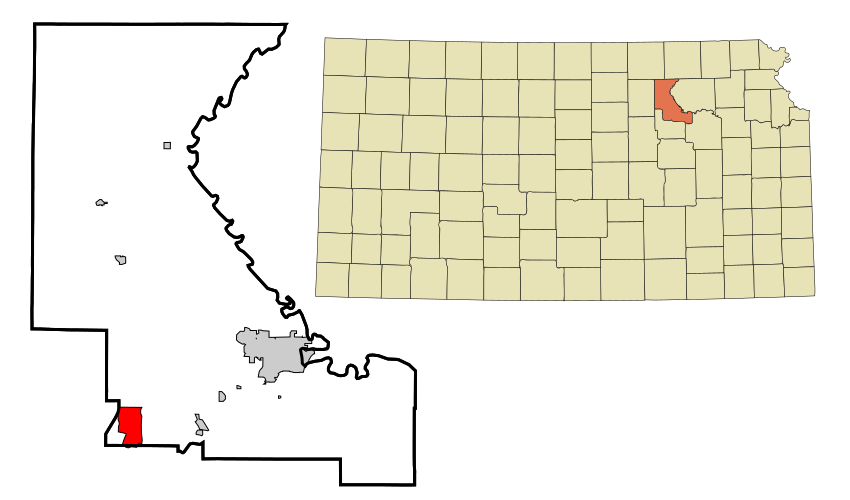
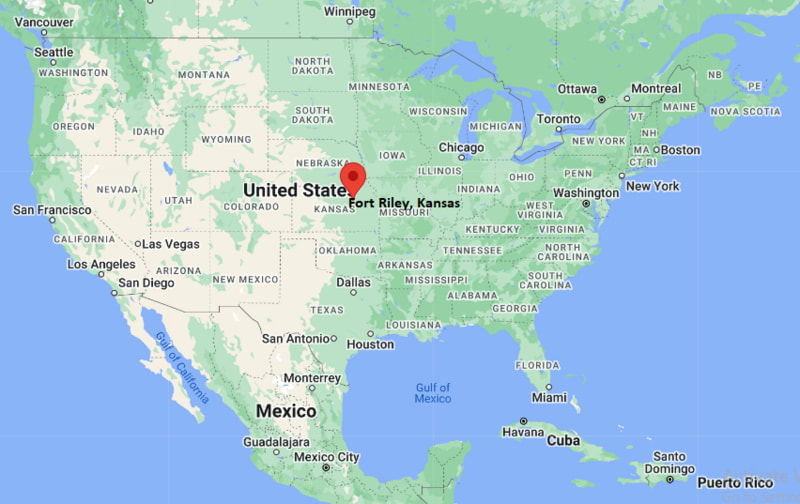
The physical location of Fort Riley is a strategic masterpiece of 19th-century planning. It is situated in northeastern Kansas, straddling the border of Riley County and Geary County. The post occupies approximately 101,000 acres of land that is defined by the unique topography of the Flint Hills, one of the last remaining large-scale tallgrass prairie ecosystems in the world.
The Confluence of Three Rivers
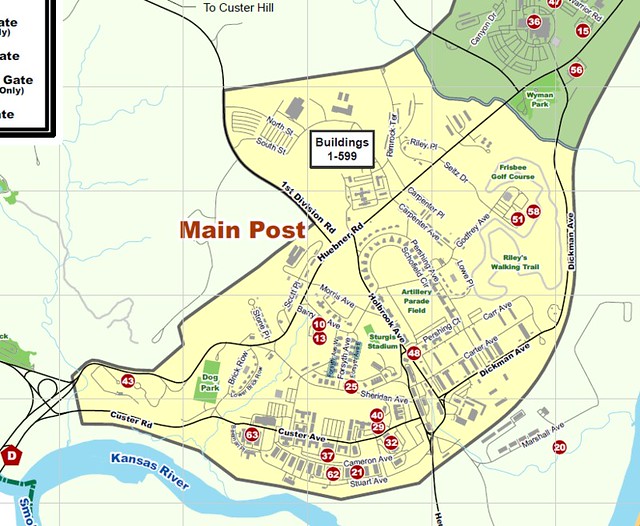
The specific site of the fort was chosen because of its proximity to essential water sources. It sits near the junction of the Republican River and the Smoky Hill River, which merge to form the Kansas River. Historically, this “Three Mile Creek” area provided a defensible position and a reliable water supply for horses and soldiers alike. Today, these waterways continue to frame the base, offering a natural boundary that separates the bustling military operations from the serene prairie.
Proximity to Urban Centers
While the fort feels like a world unto itself, it is remarkably well-connected to the surrounding region. It is located roughly halfway between Topeka and Salina. The two primary civilian neighbors are Junction City to the west and Manhattan to the east. Manhattan, often called “The Little Apple,” is home to Kansas State University, creating a unique cultural blend of military discipline and academic energy in the immediate vicinity.
Accessing the Landmark via Major Arteries
For those traveling to the post, Interstate 70 serves as the primary gateway. This major transcontinental highway runs just south of the installation, connecting it to Kansas City in the east and Denver to the west. The presence of Marshall Army Airfield on the post further emphasizes its role as a logistical hub, ensuring that this landmark remains a central point of movement for both people and resources within the Midwest.
A Legacy Written in Stone: The History of Fort Riley
To ask where Fort Riley is is also to ask when it is. The landmark’s history is etched into the very limestone used to construct its oldest buildings. Established in 1853, the post was originally intended to protect settlers and trade caravans traveling along the Oregon Trail and the Santa Fe Trail.
Establishing the Frontier Post
The fort was named in honor of Major General Bennett C. Riley, who had led the first military escort along the Santa Fe Trail. In its early years, the post was a rugged outpost on the edge of the American frontier. The architecture from this era is distinct, utilizing native Kansas limestone that gives the older sections of the fort a warm, golden hue that glows at sunset. This material was not only practical for defense but also tied the structures permanently to the earth they stand upon.
The Custer Connection and the Cavalry Era
Perhaps no figure is more closely associated with the early history of the fort than George Armstrong Custer. During the years following the Civil War, Fort Riley became the headquarters for the 7th Cavalry Regiment. The Custer House, a beautifully preserved officer’s quarters, remains one of the most visited historical sites on the installation. It serves as a window into the domestic life of the 19th-century military elite, standing as a landmark of Victorian-era architecture in the heart of the Great Plains.
Home of the Big Red One
In the modern era, Fort Riley is synonymous with the First Infantry Division, famously known as the Big Red One. Since its permanent return to the post in 2006, the division has shaped the identity of the region. The landmarks within the fort—ranging from the massive tank displays to the division headquarters—tell the story of America’s oldest continuously serving division, bridging the gap between the cavalry charges of the 1800s and the mechanized warfare of the 21st century.
Architectural Grandeur and Historic Sites Within the Post
As a landmark, Fort Riley is unique because it is an active military installation that also functions as a sprawling outdoor museum. The Main Post Historic District is the architectural crown jewel of the site, featuring dozens of buildings that have been meticulously preserved to maintain their 19th-century appearance.
The U.S. Cavalry Museum
Located in what was once the post hospital, the U.S. Cavalry Museum is a premier landmark for military historians. The museum chronicles the history of the United States Cavalry from the Revolutionary War to the end of the horse cavalry era in the 1940s. The building itself is an architectural marvel, featuring thick limestone walls and period-appropriate restoration that transports visitors back to the days of the frontier.
The First Territorial Capitol of Kansas
One of the most fascinating landmarks associated with the fort is located on its eastern edge: the First Territorial Capitol of Kansas. This stone building, located in the former town of Pawnee, hosted the first session of the Kansas Territorial Legislature in 1855. Although the legislature only stayed for four days before moving elsewhere, the building remains a crucial landmark representing the “Bleeding Kansas” era and the state’s tumultuous path to statehood.
The Fort Riley Museum and Statue Displays
Beyond the major buildings, the post is dotted with monuments that serve as landmarks of memory. The Fort Riley Museum provides a broader context of the post’s evolution, while various statues—including the iconic Old Bill monument—honor the bond between soldiers and their mounts. These landmarks are set against the backdrop of expansive parade grounds, like Custer Hill, where modern ceremonies continue traditions that are over a century old.
The Natural Landscape: A Prairie Landmark
While the buildings and history are significant, the “Where” of Fort Riley is equally defined by its natural environment. The Flint Hills provide a dramatic, rolling landscape that is unlike any other part of the United States.
Milford Lake and Water Conservation
Adjacent to the western edge of the fort lies Milford Lake, the largest man-made lake in Kansas. This landmark provides more than just a scenic backdrop; it is a vital center for outdoor recreation and environmental conservation. The interaction between the military’s training lands and the lake’s ecosystem creates a unique buffer zone where nature is allowed to thrive. The lake’s shores are a haven for bald eagles, migratory birds, and local wildlife, making it a natural landmark of the first order.
Conservation Efforts in the Tallgrass Prairie
The military’s presence has ironically served as a shield for the Tallgrass Prairie. Because large swaths of the base are used for training rather than residential or commercial development, the original prairie grass remains largely intact. This connects Fort Riley to other regional landmarks like the Konza Prairie and the Tallgrass Prairie National Preserve. Visitors looking out across the training ranges can see the same horizon that greeted explorers in the 1850s, a rare sight in the modern Midwest.
The Resilience of the Kansas Climate
The geography of Fort Riley also places it in a zone of extreme weather, which has shaped the very architecture of the landmark. From the fierce winds of the Great Plains to the seasonal thunderstorms, the fort is built to endure. The heavy limestone blocks were a direct response to the need for structures that could withstand the elements, ensuring that these landmarks would remain standing for generations to come.
A Landmark of National Significance
In conclusion, Fort Riley is not merely a dot on a map of Kansas; it is a multifaceted landmark that represents the intersection of American military history, pioneering spirit, and natural conservation. Its location in the Flint Hills provides a stunning physical setting for its historic limestone buildings and modern military operations.
From the U.S. Cavalry Museum to the shores of Milford Lake, every corner of the installation tells a story. Whether you are a historian interested in the life of George Armstrong Custer or a nature lover admiring the Tallgrass Prairie, Fort Riley offers a deep and insightful look into the heart of the United States. It remains a vital, living landmark, continuing to serve its country while preserving the echoes of the frontier for all who visit.
LifeOutOfTheBox is a participant in the Amazon Services LLC Associates Program, an affiliate advertising program designed to provide a means for sites to earn advertising fees by advertising and linking to Amazon.com. Amazon, the Amazon logo, AmazonSupply, and the AmazonSupply logo are trademarks of Amazon.com, Inc. or its affiliates. As an Amazon Associate we earn affiliate commissions from qualifying purchases.