
The journey between Las Vegas and San Diego represents one of the most iconic travel corridors in the United States. This route bridges the gap between the high-energy, neon-lit landscapes of Nevada and the laid-back, sun-drenched coastlines of California. Whether you are looking to escape the desert heat for a cool Pacific breeze or heading to the “Entertainment Capital of the World” for a weekend of excitement, understanding the logistics of this trip is essential for a seamless travel experience.
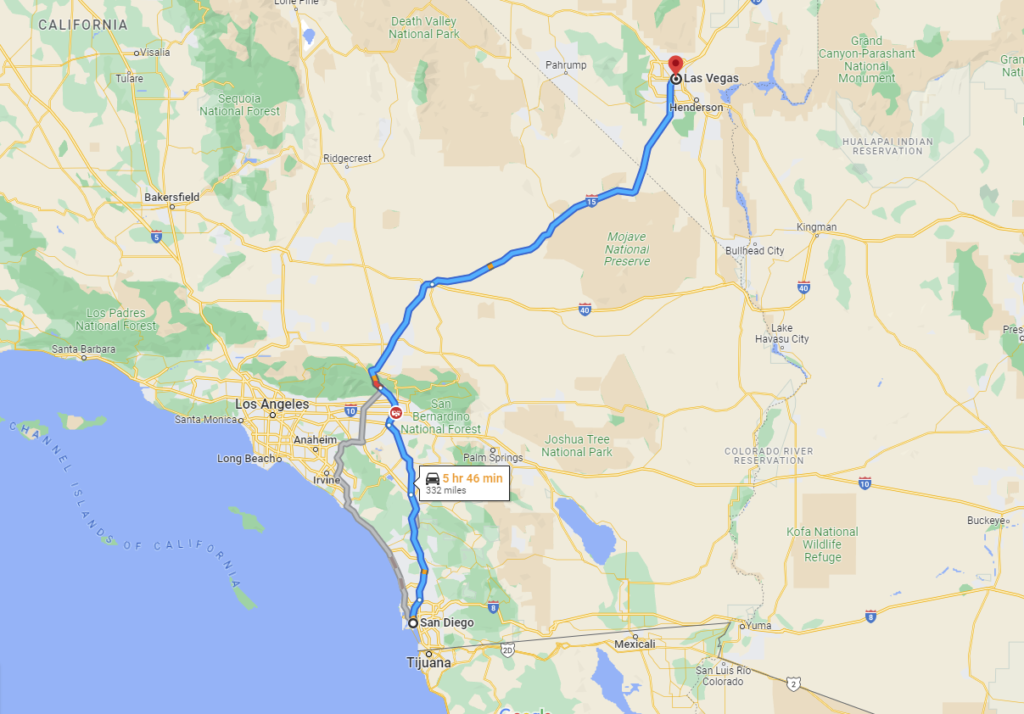
Spanning roughly 330 miles, the distance is manageable enough for a single day’s drive but diverse enough to justify a multi-day road trip adventure. In this guide, we explore the various ways to bridge the distance, the time commitments involved, and the must-see highlights that make this stretch of Southern California and the Mojave Desert so unique.
Navigating the Distance: Travel Methods and Times
When planning a trip from Las Vegas to San Diego, the “how” is just as important as the “how far.” Depending on your budget, timeframe, and preference for scenery, you have several distinct options.
Driving via Interstate 15
The most common way to travel between these two cities is by car. The primary artery for this journey is Interstate 15, which runs almost directly from the heart of Las Vegas, through the desert, and down into the coastal valleys of San Diego.
Under ideal conditions, the drive takes approximately five hours. However, Southern California traffic is a legendary variable. If you are traveling on a Friday afternoon or a Sunday evening, that five-hour estimate can easily stretch to seven or eight hours. The route takes you through key transit hubs like Barstow, Victorville, and the Inland Empire. Driving offers the maximum amount of flexibility, allowing travelers to pivot toward scenic detours or stop for local flavors along the way.
Air Travel and Flight Durations
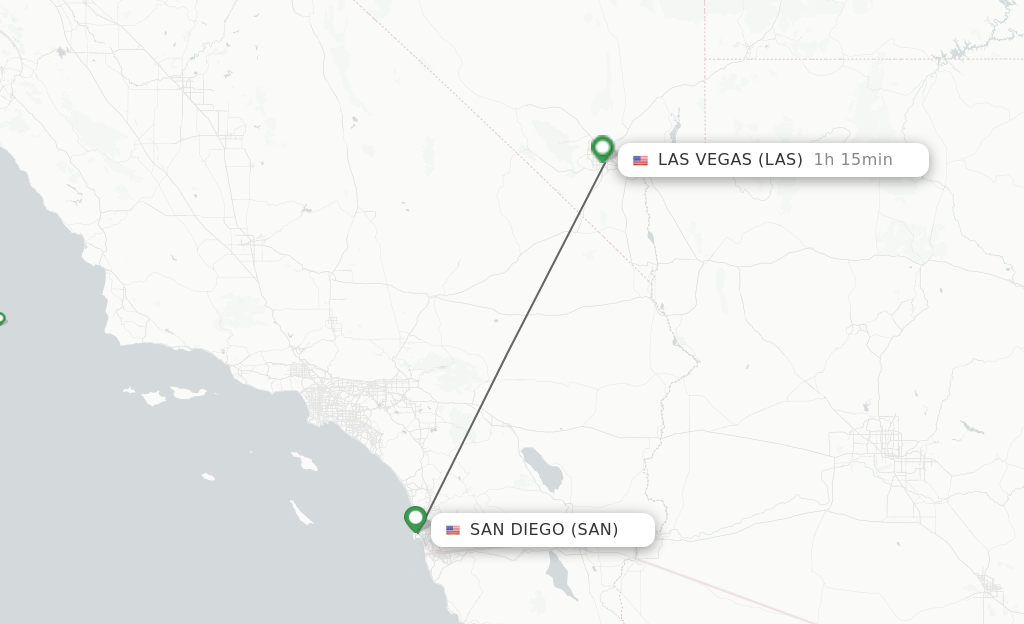
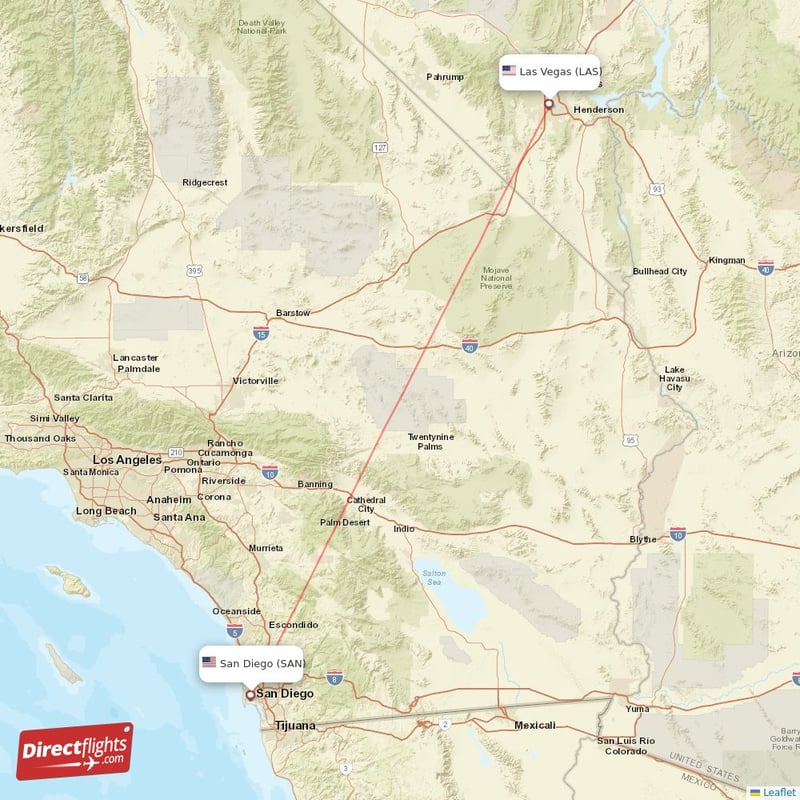
For those who prioritize speed over scenery, flying is the most efficient choice. A direct flight from Harry Reid International Airport in Las Vegas to San Diego International Airport typically lasts only 70 to 85 minutes.
Major carriers like Southwest Airlines and Spirit Airlines operate multiple daily non-stop flights. When you factor in the time required for security and airport transfers, the total travel time is roughly three to four hours. This is often the preferred method for business travelers or those visiting for a short weekend getaway who want to maximize their time at their destination rather than on the road.
Bus and Alternative Transit
If you prefer to let someone else handle the navigation, several bus lines service this route. Companies like FlixBus and Greyhound offer affordable tickets, with transit times ranging from six to eight hours. While slower than driving yourself, it allows you to enjoy the desert vistas and stay productive with onboard Wi-Fi. Currently, there is no direct passenger rail service between the two cities, though discussions for high-speed rail developments in the region continue to be a topic of interest for future travel.
Iconic Road Trip Stops Along the Way
The beauty of the 330-mile trek is that it isn’t just a commute; it is a gateway to some of the most interesting landmarks in the American Southwest. If you choose to drive, consider stopping at these locations to break up the journey.
Art and Oddities in the Desert
Just outside the Las Vegas city limits lies Seven Magic Mountains. This large-scale public art installation features seven towers of colorful, stacked boulders standing over thirty feet high. It provides a stark, vibrant contrast to the surrounding desert landscape and is a favorite for photography enthusiasts.
Further south, as you cross the border into California, you will encounter Primm. While primarily known for its casinos and outlet malls, it serves as a vital first pit stop for fuel and snacks. Continuing toward Barstow, travelers can take a slight detour to Calico Ghost Town. This former silver mining town has been preserved as a state historic park, offering a glimpse into the Old West with its rustic architecture and mine tours.
Natural Wonders and Scenic Vistas
For those who appreciate nature, the Mojave National Preserve is an expansive wilderness located between Las Vegas and Barstow. It features singing sand dunes, volcanic cinder cones, and Joshua tree forests. While a full exploration requires a high-clearance vehicle and significant time, even a drive along its fringes offers breathtaking views of the rugged terrain.
As the Interstate 15 descends through the Cajon Pass, the scenery shifts dramatically. You leave the arid desert behind and enter the foothills of the San Bernardino Mountains. This transition from the stark whites and reds of the desert to the scrubby greens of the Mediterranean climate is one of the most visually striking parts of the trip.
Temecula Valley Wine Country
Before reaching the coastal urban sprawl of San Diego, you will pass through Temecula. This region is famous for its rolling hills and world-class vineyards. Stopping in Temecula Valley for lunch or a quick tasting is a sophisticated way to conclude the desert portion of your drive. It offers a refreshing change of pace and a hint of the luxury that awaits in San Diego.
Essential Considerations for the Journey
A successful trip between Las Vegas and San Diego requires more than just a full tank of gas. The unique geography of the route presents specific challenges that travelers should prepare for.
Weather Extremes
The route traverses some of the hottest environments in the United States. During the summer months, temperatures in the Mojave Desert can frequently exceed 110 degrees Fahrenheit. It is vital to ensure your vehicle’s cooling system is in top condition. Carrying extra water is not just a suggestion—it is a safety necessity.
Conversely, winter travelers should be aware of the Cajon Pass. Because of its elevation, it can occasionally experience snow or high winds, which can lead to temporary closures or hazardous driving conditions. Always check the California Department of Transportation (Caltrans) website for real-time updates before departing.
Strategic Timing and Traffic Patterns
Traffic is perhaps the biggest hurdle on this route. The stretch of Interstate 15 between San Diego and Las Vegas is notoriously congested during holiday weekends and special events.
- Leaving Las Vegas: Avoid Sunday afternoons. This is when the majority of weekend visitors head back to Southern California, creating bottlenecks near Primm and Barstow.
- Entering San Diego: The Inland Empire and Escondido areas experience heavy weekday commuter traffic. Plan to arrive in San Diego mid-morning or late evening to avoid the rush hour.
Fuel and Connectivity
While the route is well-traveled, there are stretches of the desert where services are sparse. It is a good rule of thumb to never let your fuel tank drop below a quarter, especially between Baker and Primm. Additionally, while cell service is generally reliable along the interstate, it can be spotty if you venture onto side roads like Kelbaker Road or through parts of Joshua Tree National Park.
Why This Trip is a Travel Must
The journey from Las Vegas to San Diego is more than just a transfer between two points on a map. It is a transition between two different lifestyles. In Las Vegas, the focus is often on the indoor spectacle—the grand hotels, the casinos, and the world-class dining. In San Diego, the focus shifts outward to the Pacific Ocean, Balboa Park, and the historical charm of the Gaslamp Quarter.
By understanding the distance, choosing the right method of travel, and taking the time to appreciate the landmarks along the way, travelers can turn a simple five-hour drive into a memorable highlight of their West Coast itinerary. Whether you are stopping for a burger at Peggy Sues 50s Diner in Yermo or flying high above the San Gabriel Mountains, the path between these two cities remains a quintessential American travel experience.
LifeOutOfTheBox is a participant in the Amazon Services LLC Associates Program, an affiliate advertising program designed to provide a means for sites to earn advertising fees by advertising and linking to Amazon.com. Amazon, the Amazon logo, AmazonSupply, and the AmazonSupply logo are trademarks of Amazon.com, Inc. or its affiliates. As an Amazon Associate we earn affiliate commissions from qualifying purchases.