
When picturing a vacation in Florida, images of sun-drenched beaches, thrilling theme parks, and serene natural landscapes typically come to mind. The “Sunshine State” is a beacon for travelers seeking warmth and adventure, offering everything from the magical allure of Walt Disney World Resort to the vibrant nightlife of Miami. However, like any diverse climate, Florida also experiences its share of powerful weather phenomena. One question that often arises, particularly for those planning a trip or considering a longer stay, is: “Does Florida get tornadoes?” The straightforward answer is yes, it does. In fact, Florida is one of the most tornado-prone states in the United States, second only to Texas in terms of sheer number of recorded tornadoes annually.
Understanding why and when these storms occur, along with knowing how to prepare, is essential for a safe and enjoyable experience in this popular destination. This guide aims to equip travelers and potential residents with comprehensive information, ensuring peace of mind as they explore the myriad attractions and luxurious accommodations Florida has to offer.
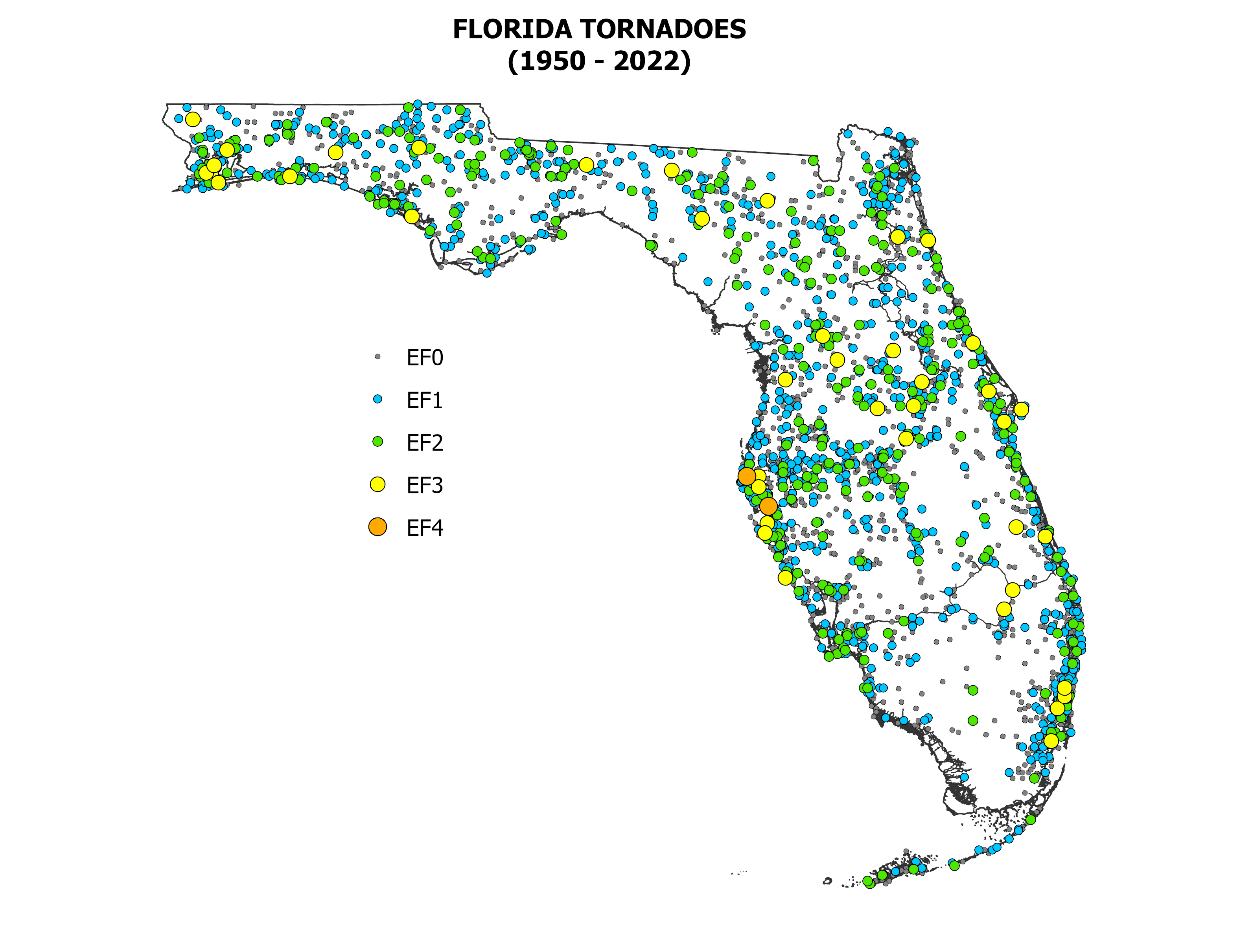
Florida’s Unique Climate and Tornado Activity
Florida’s geographical position as a peninsula, flanked by the warm waters of the Gulf of Mexico to the west and the Atlantic Ocean to the east, plays a pivotal role in its weather patterns. This unique location creates a humid, subtropical climate that is highly conducive to thunderstorm development, which are the precursors to most tornadoes.
The Sunshine State’s Stormy Side
Despite its nickname, Florida experiences more thunderstorms than any other state in the United States. These frequent storms, often fueled by intense heat and moisture, are the primary generators of tornadoes. The warm, moist air rising from the surface, combined with cooler, drier air aloft, creates atmospheric instability. When wind shear (changes in wind speed and direction with height) is present, these thunderstorms can begin to rotate, potentially forming a tornado.
While generally weaker than the devastating tornadoes seen in Tornado Alley in the Great Plains, Florida’s tornadoes can still cause significant damage and pose a serious threat. From impacting travel plans and hotel bookings to affecting the enjoyment of iconic landmarks like the Kennedy Space Center or Everglades National Park, understanding this aspect of Florida’s climate is crucial for any visitor.

Understanding Florida’s Tornado Seasons
Tornado activity in Florida isn’t confined to a single season; rather, it exhibits two primary peaks:
-
Spring (February – April): This period sees an increased risk, particularly in North Florida and Central Florida. During these months, powerful cold fronts often sweep across the state from the west, colliding with the warm, moist air lingering over the peninsula. This clash of air masses creates ideal conditions for severe thunderstorms and tornado formation. Cities like Jacksonville and Orlando are particularly susceptible during this timeframe.
-
Summer and Fall (June – November): This peak is directly linked to hurricane season and tropical weather systems. Tropical storms and hurricanes, whether making direct landfall or passing offshore, can spawn numerous short-lived tornadoes. These typically form in the outer rain bands of the storm and can strike with little warning, affecting broad areas of the state, including popular tourist destinations like Tampa Bay, Fort Lauderdale, and Key West. The unpredictability of these events underscores the importance of staying informed, especially for those considering a luxury travel experience or a family trip during these months.
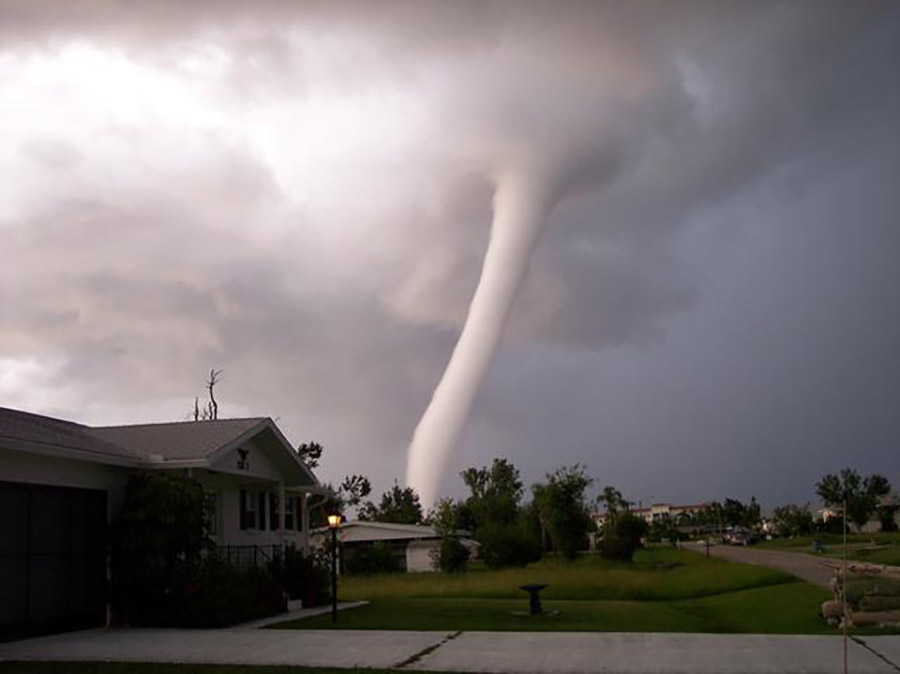
Types of Tornadoes Common in Florida
While the mechanics of tornado formation are complex, understanding the common types encountered in Florida can help demystify the risks for travelers.
Waterspouts: A Florida Specialty
One of the most characteristic tornado phenomena in Florida are waterspouts. These rotating columns of air and mist form over water, typically connecting a cumuliform cloud to the water surface. Florida witnesses more waterspouts than any other state, often spotted off the coasts of South Florida and the Florida Keys.
While waterspouts are generally weaker than their land-based counterparts, they can pose a significant threat to boaters, swimmers, and coastal properties. Sometimes, these waterspouts move ashore, becoming what are known as “tornadic waterspouts” or simply tornadoes once they cross the coastline. When this happens, they can cause damage to coastal communities, affecting resorts, villas, and beachfront attractions in areas like Panama City Beach, Destin, or Daytona Beach.
Landspouts and Supercells
Beyond waterspouts, Florida also experiences landspouts and, less frequently, tornadoes generated by supercell thunderstorms.
-
Landspouts: Similar to waterspouts, landspouts form over land without an existing rotating updraft in the parent thunderstorm. They typically develop from rapidly growing convective clouds and are often weaker and shorter-lived than supercell tornadoes. However, they can still cause localized damage, impacting anything from small businesses to hotel amenities in urban or suburban areas.
-
Supercell Tornadoes: While more commonly associated with the central United States, supercell thunderstorms — powerful storms characterized by a persistent rotating updraft (mesocyclone) — can and do occur in Florida. These storms are capable of producing stronger, more destructive tornadoes. Although less common, their potential for significant impact means that cities like Orlando, with its concentration of major attractions and accommodation options, must maintain vigilant weather monitoring and emergency preparedness.
Staying Safe: Essential Tips for Travelers and Residents
Navigating the possibility of tornadoes in Florida doesn’t mean canceling your travel plans or forgoing the state’s unparalleled beauty. Instead, it calls for informed preparation and awareness, especially when considering tourism and accommodation options.
Before You Travel: Preparation is Key
Thoughtful planning before your trip can significantly enhance your safety and peace of mind:
- Monitor Forecasts: Before and during your travel dates, regularly check weather forecasts from reliable sources like the National Weather Service (NOAA). Many weather apps offer real-time alerts.
- Consider Travel Insurance: If traveling during peak storm seasons (especially hurricane season), comprehensive travel insurance can protect your investment against cancellations, delays, or medical emergencies related to weather events. This is particularly relevant for those planning extensive itineraries or luxury travel experiences.
- Choose Accommodation Wisely: When booking hotels, suites, or villas, inquire about their emergency preparedness plans. Reputable establishments, whether a boutique hotel in St. Augustine or a sprawling resort like Disney’s Grand Floridian Resort & Spa, will have procedures for severe weather, including designated shelter areas. Higher-end properties like the Ritz-Carlton, Naples often have robust systems in place for guest safety during adverse weather.
During Your Stay: Awareness and Action
Once you arrive, maintaining awareness of local conditions is paramount:
- Stay Informed: Opt-in for local emergency alerts on your phone. Many Florida counties offer free alert systems that notify residents and visitors of severe weather. Pay attention to local news and weather radio.
- Know Your Hotel’s Plan: Upon check-in, familiarize yourself with your accommodation’s emergency procedures. Locate the nearest designated shelter area (often an interior room on the lowest floor, away from windows) and evacuation routes.
- During a Warning: If a tornado warning is issued for your location, seek immediate shelter. Move to the lowest level of your building, preferably an interior room or hallway away from windows, and cover your head and neck. If you’re at an attraction like Universal Orlando Resort or Busch Gardens Tampa Bay, follow the instructions of park staff, who are trained to guide visitors to safety.
- If Outdoors: If caught outdoors with no immediate shelter, lie flat in a ditch or other low-lying area and cover your head. Avoid areas with trees or vehicles.
After the Storm: What to Expect
Even a brief tornado can leave behind significant disruption:
- Assess and Communicate: After the immediate threat passes, assess your surroundings for damage. If safe, contact family or friends to let them know you’re okay. Listen for updates from local authorities.
- Be Cautious: Stay away from downed power lines and damaged structures. Do not re-enter damaged buildings until they are deemed safe by officials.
- Expect Disruptions: Tornadoes, even minor ones, can cause power outages, road closures, and delays in public transport or flights. Be prepared for potential changes to your travel itinerary or difficulties reaching certain destinations or landmarks.
Tornadoes and Florida’s Tourism Landscape
Despite the occasional severe weather, Florida’s tourism industry continues to thrive, welcoming millions of visitors annually. The key lies in understanding the balance between risk and the state’s undeniable allure.
Balancing Risk with Unforgettable Experiences
The chances of any individual traveler being directly impacted by a tornado are relatively low, given the vastness of the state and the localized nature of most tornadoes. Florida’s extensive infrastructure, robust emergency services, and advanced warning systems work tirelessly to mitigate risks and ensure public safety.
Visitors continue to flock to its world-class beaches, vibrant cities like Sarasota and St. Petersburg, and unique natural wonders. Whether it’s the thrill of deep-sea fishing off Key West, exploring the historic streets of St. Augustine, or simply relaxing on Sanibel Island, the experiences outweigh the perceived risks for most. The “lifestyle” of Florida is one of embracing outdoor living and vibrant culture, with a healthy respect for nature’s power.
How Florida’s Tourism Industry Adapts
The tourism and accommodation sectors in Florida are highly adept at managing weather-related challenges:
- Sophisticated Emergency Plans: Hotels, resorts, and major attractions invest heavily in sophisticated emergency management plans. This includes training staff, maintaining backup power, and having clear communication channels for guests.
- Guest Safety First: Parks like Walt Disney World Resort or Universal Orlando Resort have extensive protocols for severe weather, often temporarily closing outdoor attractions and guiding guests to safe indoor locations during warnings.
- Quick Recovery: Florida communities and businesses are known for their resilience and efficiency in recovering after storms, minimizing long-term disruptions to tourism and daily life. This quick adaptation ensures that even if a tornado briefly impacts an area, the overall tourist experience remains largely unaffected.
Lifestyle in the Tornado-Prone State
For those considering a move or an extended stay, understanding the “lifestyle” aspect of living in a tornado-prone state is crucial.
Living with the Weather: A Florida Resident’s Perspective
Florida residents, from Miami to Pensacola, generally adopt a pragmatic approach to severe weather. They are typically well-versed in preparedness, from having emergency kits to knowing evacuation routes. Building codes in Florida are among the strictest in the United States due to hurricanes and storms, meaning many homes and buildings are designed to withstand significant wind events. This community resilience and proactive approach are part of the daily rhythm of life in the Sunshine State.
Making the Most of Florida Travel: A Balanced Approach
For travelers, the key is to adopt a similar balanced approach:
- Embrace the Beauty, Respect the Power: Enjoy Florida’s unparalleled beauty and diverse attractions, but maintain a healthy respect for its powerful weather systems.
- Be Informed, Not Fearful: Knowledge is your best tool. Being aware of the risks and knowing how to respond empowers you to travel confidently.
- Strategic Timing: If the thought of storms makes you anxious, consider traveling during Florida’s shoulder seasons (e.g., late spring, early fall outside peak hurricane season) for potentially milder weather and fewer crowds.
- Budget vs. Luxury Travel: Regardless of whether you’re on a budget travel adventure or enjoying a luxury stay at the Seminole Hard Rock Hotel & Casino Hollywood, weather preparedness should always be a priority. While luxury accommodations might offer more amenities and support during a storm, basic safety principles apply universally.
In conclusion, while Florida does experience tornadoes, they are a manageable aspect of its vibrant climate. With proper preparation, awareness, and by leveraging the robust safety measures in place across the state’s tourism and accommodation sectors, visitors can enjoy all the incredible experiences Florida has to offer, from its pristine beaches in Fort Myers to the captivating culture of Naples, year-round. Don’t let the possibility of a storm overshadow the promise of an unforgettable journey; instead, arm yourself with knowledge and embark on your Florida adventure with confidence.
LifeOutOfTheBox is a participant in the Amazon Services LLC Associates Program, an affiliate advertising program designed to provide a means for sites to earn advertising fees by advertising and linking to Amazon.com. Amazon, the Amazon logo, AmazonSupply, and the AmazonSupply logo are trademarks of Amazon.com, Inc. or its affiliates. As an Amazon Associate we earn affiliate commissions from qualifying purchases.