
The journey from the neon-lit corridors of Las Vegas to the ancient, crimson-hued spires of Bryce Canyon National Park is one of the most iconic road trips in the United States. This transition takes travelers from the lowest elevations of the Mojave Desert to the high-altitude wonders of the Colorado Plateau. While the two destinations seem worlds apart in atmosphere, they are connected by a stretch of highway that showcases the raw, geological diversity of the American West.
Understanding the distance, timing, and logistical requirements is essential for anyone looking to trade the Las Vegas Strip for the silent majesty of the hoodoos. Whether you are planning a quick day trip or a multi-day expedition through Utah, this guide provides the professional insight needed to navigate the 260-mile stretch with ease.
Understanding the Distance and Drive Time
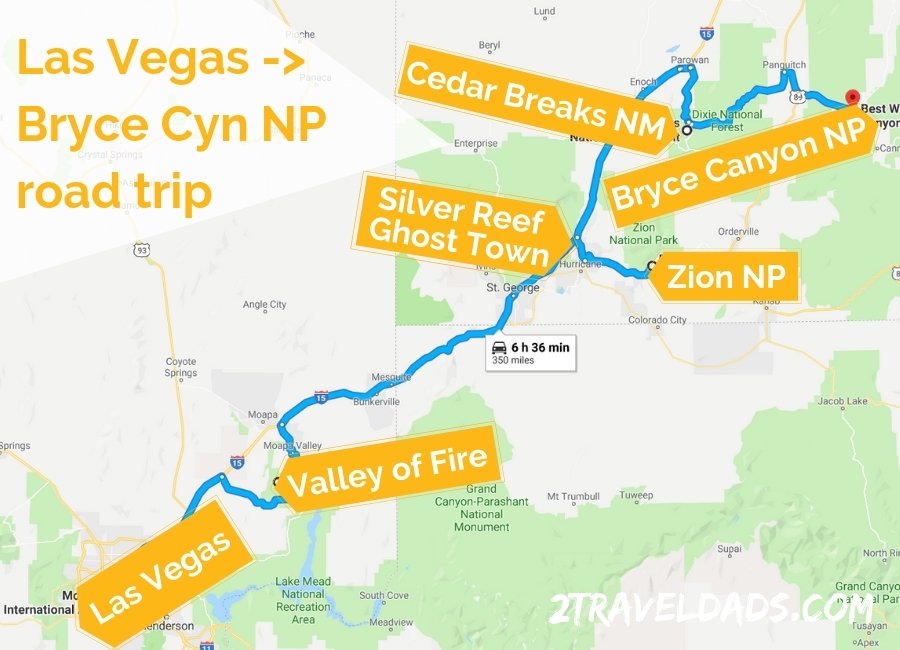
When calculating how far Las Vegas is from Bryce Canyon National Park, the answer depends largely on your chosen route and how much time you intend to spend soaking in the scenery. Geographically, the distance is approximately 260 miles (418 kilometers). For a focused driver, this translates to roughly four to four and a half hours of road time, assuming clear weather and minimal traffic.
The Direct Route via Interstate 15 North
The most common way to travel is by taking Interstate 15 North out of Nevada. This route is efficient and well-maintained, passing through the rugged Virgin River Gorge in Arizona before crossing into Utah. Once you reach Cedar City, you will exit the interstate and begin the climb into the mountains via Utah State Route 14 or Utah State Route 20, eventually connecting to Highway 89 and Utah State Route 12.
This direct path is preferred for those who have limited time or are staying at a Las Vegas Hotel and want to make the most of a single day. The road is primarily multi-lane highway until you reach the final 60 miles, where it transitions into winding mountain roads that offer spectacular views of the Dixie National Forest.
Scenic Detours and Alternate Paths
For travelers who believe the journey is as important as the destination, there are scenic alternatives. The most popular detour involves passing through Zion National Park. While this adds about an hour to the total drive time—and potentially more depending on park traffic—it allows you to experience the towering sandstone cliffs of Zion Canyon before heading toward the hoodoos.
To take this route, you would exit Interstate 15 at St George or Hurricane and follow Utah State Route 9 through the Zion-Mount Carmel Tunnel. This path is breathtaking but requires a National Park Service entrance fee and may not be suitable for oversized vehicles or RVs without a special permit.
Essential Stops Along the Route
The drive from Las Vegas to Bryce Canyon National Park passes through some of the most geologically significant landscapes in North America. Instead of rushing through, consider stopping at these landmarks to break up the journey.
Valley of Fire State Park
Located just an hour north of the Harry Reid International Airport, Valley of Fire State Park is Nevada’s oldest and largest state park. It is famous for its bright red Aztec sandstone formations, which look particularly vibrant under the morning sun. A quick drive through the park to see the Mouse’s Tank or the Fire Wave provides an excellent introduction to the desert colors you will encounter later in Utah.
St. George and Snow Canyon
As you cross the border into Utah, the city of St George serves as a perfect midway point for refueling and dining. If you have an extra hour, a visit to Snow Canyon State Park offers stunning views of black lava flows juxtaposed against red and white sandstone. For history enthusiasts, the St George Utah Temple is a striking architectural landmark in the center of the city.
Red Canyon and Dixie National Forest
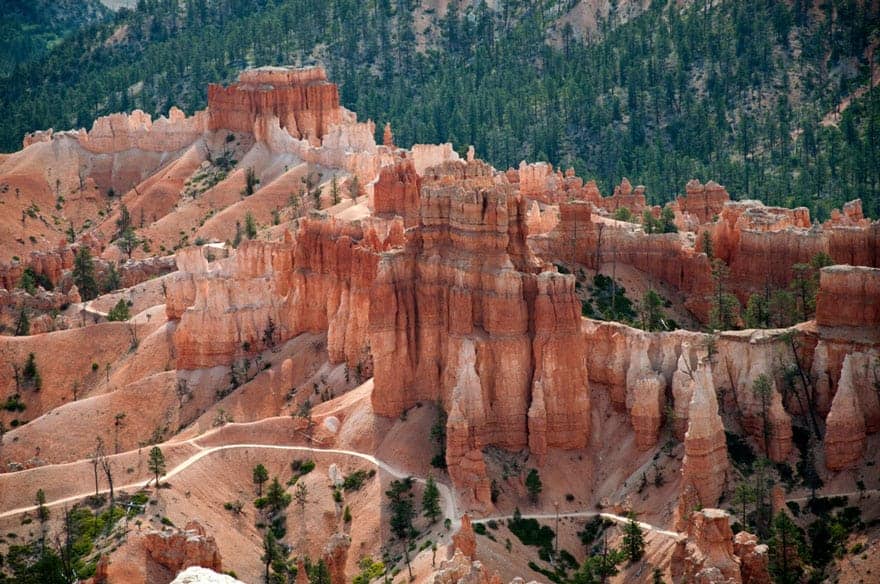
Shortly before reaching the entrance to Bryce Canyon National Park, you will pass through Red Canyon, which is managed by the United States Forest Service. Many visitors mistake this for the national park itself because the red rock formations and hoodoos are so similar. Stopping at the Red Canyon Visitor Center is highly recommended for those interested in shorter, less crowded hikes like the Pink Ledges Trail.
Preparing for Your Road Trip
A road trip to Bryce Canyon National Park requires more preparation than a standard highway drive. The elevation change alone can catch many travelers off guard, moving from roughly 2,000 feet in Las Vegas to over 9,000 feet at the Rainbow Point lookout.
Best Time of Year to Travel
The timing of your trip will drastically change the experience. Summer (June through August) is the most popular time to visit, offering pleasant temperatures for hiking while Las Vegas swelters in triple-digit heat. However, this is also the busiest season, meaning you should book your Bryce Canyon Lodge or campsite well in advance.
Winter (December through February) offers a completely different aesthetic. The contrast of white snow against the orange hoodoos is a photographer’s dream. However, travelers must be prepared for freezing temperatures and potential road closures. If you are driving from Nevada in the winter, ensure your vehicle is equipped with snow tires or that you carry chains, as the high-altitude passes near Cedar City and Panguitch frequently experience heavy snowfall.
Vehicle Requirements and Safety Tips
While the roads are paved and accessible for standard passenger cars, choosing the right vehicle enhances the experience. A car with a powerful engine will handle the steep grades of the Markagunt Plateau more efficiently.
Safety is paramount, especially regarding fuel. Once you leave the Interstate 15 corridor, gas stations become less frequent. It is wise to fill your tank in St George or Cedar City before heading into the more remote sections of Garfield County. Additionally, always carry extra water and snacks, as the high altitude and dry air can lead to dehydration much faster than in the lowlands of Clark County.
Arrival at Bryce Canyon: What to Expect
Upon completing the 260-mile journey, the rewards are immediate. Bryce Canyon National Park is not a single canyon but a series of giant natural amphitheaters carved into the eastern edge of the Paunsaugunt Plateau.
The Iconic Hoodoos of Bryce Amphitheater
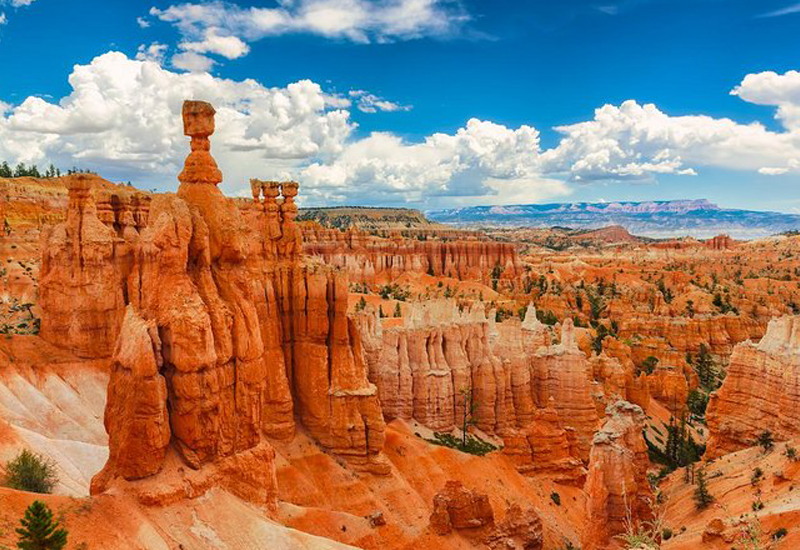
The centerpiece of the park is the Bryce Amphitheater, which contains the world’s largest collection of hoodoos—tall, thin spires of rock that protrude from the bottom of arid basins. For the best views, head to Sunrise Point, Sunset Point, or Inspiration Point. From these vantage points, you can see famous formations like Thor’s Hammer and the towering walls of the Silent City.
If you are feeling adventurous, descending into the canyon via the Navajo Loop Trail allows you to walk through narrow slot canyons like Wall Street. The perspective from the canyon floor is entirely different, making the hoodoos seem even more imposing as they reach toward the bright Utah sky.
High-Altitude Considerations
It is important to remember that Bryce Canyon National Park sits at a significantly higher elevation than most other parks in the Grand Circle. Visitors arriving from Las Vegas may experience shortness of breath or fatigue. To mitigate altitude sickness, take your time on the trails, drink plenty of water, and allow your body to acclimate.
For those who prefer a less strenuous experience, the Bryce Canyon Shuttle provides easy access to all the major viewpoints without the stress of finding parking during peak hours. This service is included with your park entrance fee and is an excellent way to see the sights while minimizing your environmental footprint.
The journey from Las Vegas to Bryce Canyon National Park is more than just a distance on a map; it is a transition through time and geology. By planning your route, selecting the right stops, and preparing for the unique climate of the High Plateaus of Utah, you can ensure that your road trip is as spectacular as the destination itself. Whether you are mesmerized by the red rocks of Red Canyon or the vastness of the Great Basin, this travel experience remains a quintessential highlight of any trip to the Southwest.
LifeOutOfTheBox is a participant in the Amazon Services LLC Associates Program, an affiliate advertising program designed to provide a means for sites to earn advertising fees by advertising and linking to Amazon.com. Amazon, the Amazon logo, AmazonSupply, and the AmazonSupply logo are trademarks of Amazon.com, Inc. or its affiliates. As an Amazon Associate we earn affiliate commissions from qualifying purchases.