
When travelers plan a visit to the United States, particularly the desert Southwest, the neon glow of Las Vegas often serves as the primary anchor. However, seasoned explorers frequently look toward the horizon to discover more relaxed alternatives. One of the most common questions for those seeking a change of pace is: How far is Laughlin Nevada from Las Vegas Nevada?
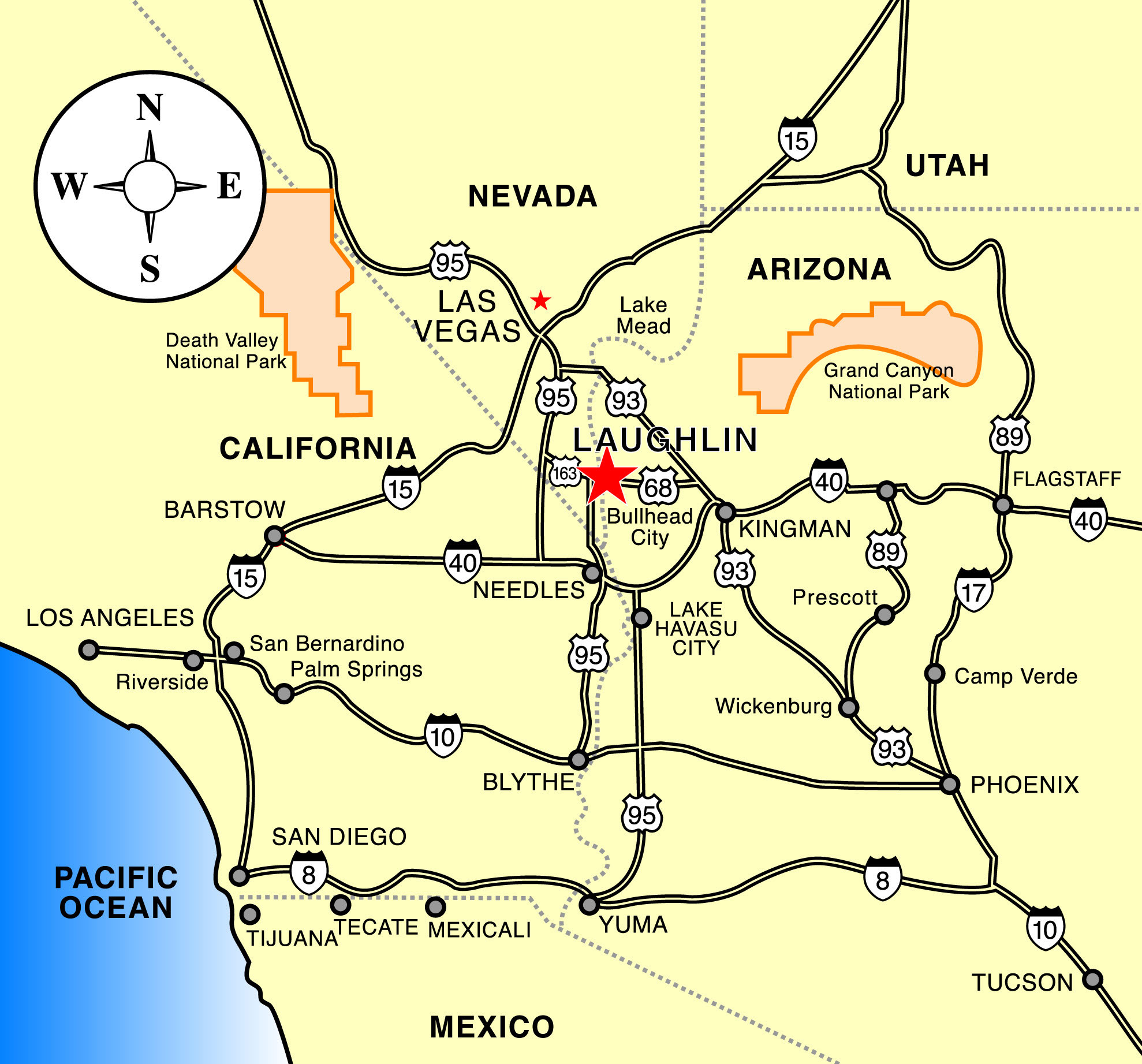
The short answer is that Laughlin is approximately 95 to 100 miles south of Las Vegas, depending on your starting point within the city. This distance translates to a scenic drive of about 90 minutes to two hours. While the physical mileage is relatively short, the transition from the high-energy “Entertainment Capital of the World” to the riverfront serenity of Laughlin offers a complete shift in atmosphere. This guide explores the travel logistics, the best routes to take, and the essential stops that make the journey between these two Nevada hubs a quintessential road trip experience.
Mapping the Journey: Routes from Las Vegas to Laughlin
Navigating the desert terrain between these two destinations is straightforward, but choosing the right route can impact both your travel time and your overall experience. The landscape of the Mojave Desert is surprisingly diverse, offering everything from vast dry lake beds to rugged mountain passes.
The Direct Route via US-95 South
The most common and efficient way to travel from Las Vegas to Laughlin is via US-95 South. Starting from the Las Vegas Strip, you will head south and merge onto I-11 towards Phoenix and Boulder City. Shortly after passing through Henderson, you will exit onto US-95.
This route is largely a four-lane divided highway that cuts through the heart of the desert. It is the preferred path for those looking to reach their destination quickly. The road passes through Searchlight, a small historic mining town that serves as a midway point for fuel or a quick snack. The terrain here is characterized by wide-open vistas and the iconic Joshua Tree forests that dot the landscape.
The Scenic Alternative through Boulder City
For travelers who aren’t in a rush, a slightly more scenic variation involves spending more time on US-93 before cutting over. By heading toward Boulder City, travelers can catch glimpses of the Lake Mead National Recreation Area. This path eventually reconnects with the main highway but allows for a more “tourist-friendly” start to the trip.
As you descend toward the Colorado River valley, the elevation drops significantly. The final stretch of the drive on NV-163 (also known as the Laughlin Highway) provides a stunning panoramic view of Laughlin and its sister city, Bullhead City, Arizona, nestled along the water’s edge.
Estimated Travel Times and Traffic Considerations
While the distance is less than 100 miles, traffic within Las Vegas can heavily influence your departure. Leaving from Harry Reid International Airport typically allows for a faster exit than starting from the North Las Vegas area. On a standard weekday, the drive takes about 1 hour and 40 minutes. On holiday weekends or during major events like the Laughlin River Run, travelers should expect additional congestion, particularly on the two-lane sections of the road near Searchlight.
Strategic Stops and Roadside Attractions
The drive from Las Vegas to Laughlin is not just about the destination; it is an opportunity to see some of the most significant landmarks in the American West. Making a few strategic stops can turn a simple transfer into a full day of exploration.
Boulder City: The Gateway to Adventure
Located just 30 minutes outside of Las Vegas, Boulder City is a town unlike any other in Nevada. It was originally built to house the workers who constructed the Hoover Dam. Today, it maintains a charming “small-town” feel with its historic Old Town Boulder City district.
Travelers can stop here to visit the Boulder City Museum or enjoy a meal at one of the local diners. It is also the last major stop for services before the long desert stretch toward Laughlin. If you have extra time, the nearby Railroad Pass Casino represents a piece of gaming history as the oldest continuously licensed casino in the state.
Hoover Dam: A Must-See Landmark
While not directly on the shortest path to Laughlin, the Hoover Dam is a mere 15-minute detour from the main route. This engineering marvel stands as a testament to human ingenuity, bridging the gap between Nevada and Arizona. Visitors can walk across the Mike O’Callaghan-Pat Tillman Memorial Bridge for a breathtaking aerial view of the dam and Lake Mead. The sheer scale of the concrete structure and the turquoise waters of the Colorado River below make it a highlight of any regional travel itinerary.

Nelson Ghost Town and Eldorado Canyon
For those interested in the rugged history of the Wild West, a detour to Nelson Ghost Town in Eldorado Canyon is highly recommended. Located off NV-165, this area was once the site of a booming gold and silver mine. Today, it is a photographer’s paradise, filled with weathered barns, antique machinery, and the remnants of the Techatticup Mine. It provides a stark contrast to the modern glitz of Las Vegas and offers a deep dive into the state’s mining heritage.
Best Modes of Transportation for Your Trip
Deciding how to get from Las Vegas to Laughlin depends on your budget, group size, and desired level of flexibility. While most people opt for a personal vehicle, several other options cater to different types of travelers.
Rental Cars and Private Vehicles
Driving yourself is the most popular choice for this trip. Having a car allows you to explore the Laughlin Riverwalk at your own pace and venture across the bridge to Bullhead City for shopping or dining. Rental agencies are abundant at Harry Reid International Airport, offering everything from fuel-efficient sedans to rugged SUVs suitable for exploring off-road trails in the Mojave National Preserve.
Bus and Shuttle Services
For travelers who prefer not to drive, there are shuttle services that bridge the gap between the two cities. Several private companies operate daily shuttles from Las Vegas hotels directly to major Laughlin resorts like Don Laughlins Riverside Resort or the Aquarius Casino Resort. While these services are convenient, they operate on fixed schedules, so advance booking is essential. Additionally, the Greyhound bus service connects Las Vegas to Bullhead City, which is just a short taxi or rideshare trip away from Laughlin.
Private Charters and Luxury Transport
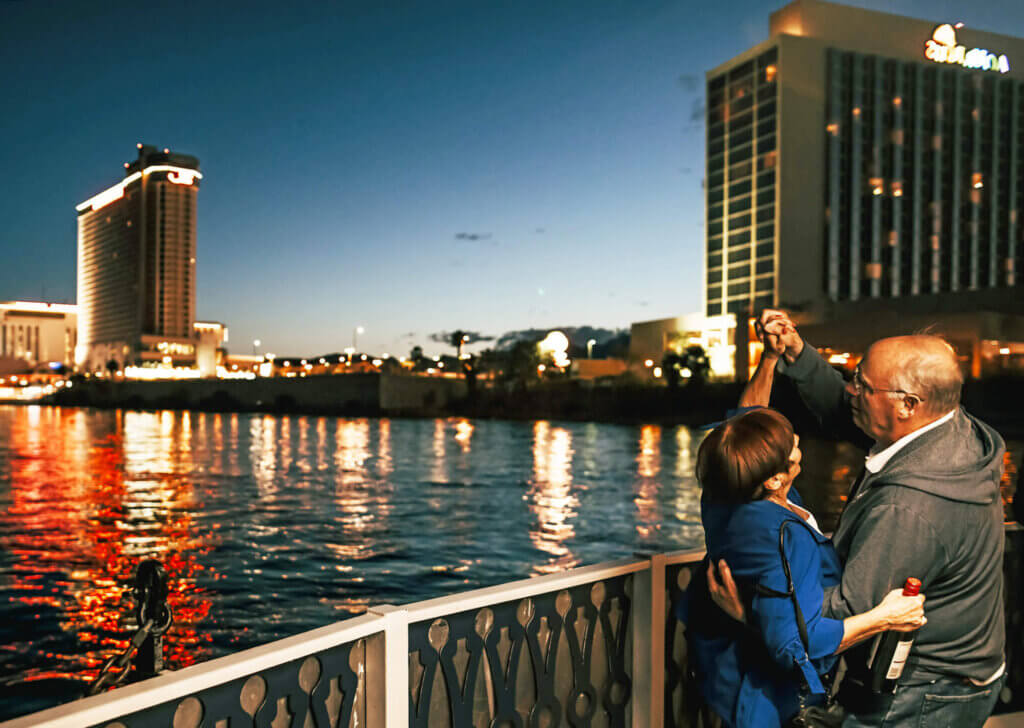
For corporate groups or those celebrating a special occasion, private car services and limousines are available. This option provides a door-to-door experience, allowing travelers to relax and enjoy the desert scenery without worrying about navigation. Many luxury travelers choose this route when transitioning from a high-end stay at The Venetian Las Vegas to a waterfront suite at Harrah’s Laughlin.
Comparing the Experiences: The Glitz of the Strip vs. the Charm of the River
Understanding why someone would travel the distance between these two cities requires a look at the different experiences they offer. While they both feature gaming and entertainment, their “personalities” are vastly different.
Atmosphere and Vibe
Las Vegas is an international hub of luxury, high-stakes gambling, and world-class culinary experiences. It is fast-paced, loud, and constantly evolving. In contrast, Laughlin offers a “vintage Nevada” feel. The casinos are generally more affordable, the crowds are smaller, and the pace of life is dictated by the gentle flow of the Colorado River. Many travelers find that after a few days of the intense energy in Clark County, the 95-mile trip to Laughlin provides a much-needed “vacation from their vacation.”
Outdoor Recreation and Waterfront Activities
The primary draw of Laughlin is the water. Unlike Las Vegas, where the action is centered indoors or around man-made pools, Laughlin life revolves around the river. Visitors can rent jet skis, take a scenic boat tour, or enjoy the Laughlin River Water Taxi to hop between resorts.
Nearby, Lake Mohave and Katherine Landing offer world-class fishing, boating, and hiking opportunities. For nature lovers, the Big Bend of the Colorado State Recreation Area provides a stunning environment for birdwatching and picnicking along the riverbanks. The proximity to California and Arizona also makes Laughlin a strategic base for exploring the Tri-State Area.
Travel Tips for the Las Vegas to Laughlin Corridor
To ensure a smooth journey, keep these travel tips in mind:
- Check the Weather: Desert temperatures can exceed 110 degrees Fahrenheit in the summer. Ensure your vehicle’s air conditioning and cooling systems are in top shape before heading out on US-95.
- Fuel Up Early: While there are gas stations in Searchlight, it is wise to have a full tank before leaving the Las Vegas valley.
- Watch for Wildlife: The area around Boulder City and the McCullough Range is home to desert bighorn sheep. Keep an eye out for these majestic animals, especially near Hemenway Park.
- Time Your Arrival: If you plan on enjoying the river, try to arrive in Laughlin before sunset. The view of the sun dipping behind the Dead Mountains and reflecting off the Colorado River is a highlight of the trip.
The 95-mile trek from Las Vegas to Laughlin is a journey through the heart of the Nevada desert that rewards the traveler with more than just a new destination. Whether you are seeking the historic charm of Boulder City, the massive scale of the Hoover Dam, or simply the quiet beauty of the Colorado River, this travel corridor offers a diverse look at what makes the Silver State so unique. By understanding the routes, the landmarks, and the logistical options, you can turn this short drive into an unforgettable part of your southwestern adventure.
LifeOutOfTheBox is a participant in the Amazon Services LLC Associates Program, an affiliate advertising program designed to provide a means for sites to earn advertising fees by advertising and linking to Amazon.com. Amazon, the Amazon logo, AmazonSupply, and the AmazonSupply logo are trademarks of Amazon.com, Inc. or its affiliates. As an Amazon Associate we earn affiliate commissions from qualifying purchases.