
The journey from the sparkling Pacific coastline to the neon-lit heart of the desert is one of the most iconic road trips in the United States. Travelers often find themselves wondering exactly how far San Diego is from Las Vegas, and more importantly, what the best ways are to traverse that distance. Whether you are looking for a quick weekend getaway or a scenic exploration of the Mojave Desert, understanding the logistics, routes, and regional highlights is essential for a seamless experience.
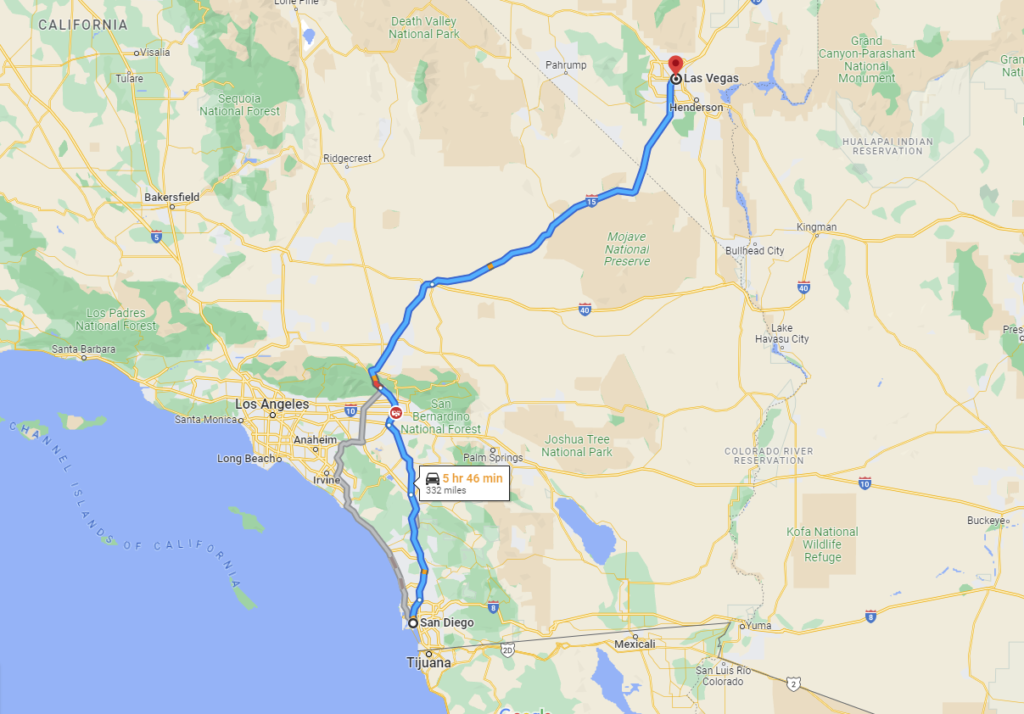
Generally, the driving distance between these two major hubs is approximately 330 miles. While the raw mileage suggests a straightforward trip, the actual travel time can vary significantly based on traffic, weather, and your chosen mode of transport. This guide explores the nuances of the trek, offering professional insights into the travel landscape of Southern California and Nevada.
Understanding the Primary Driving Routes
When calculating the distance and time required to travel from San Diego to Las Vegas, the most common path is the Interstate route. However, depending on your starting point in the county or your desire for scenery, there are a few variations to consider.
The Direct Corridor via Interstate 15
The most direct route involves taking the Interstate 15 North. For most travelers, this journey begins by heading inland via Interstate 8 or State Route 163 to connect with the I-15. Once you are on the I-15, you essentially stay on this highway until you reach the Las Vegas Strip. Under ideal conditions, this drive takes roughly five to six hours.
The route takes you through a diverse range of landscapes. You will transition from the coastal hills of Escondido into the wine country of Temecula, eventually climbing through the Cajon Pass. This pass is a critical geographical point, separating the San Bernardino Mountains and the San Gabriel Mountains. After descending from the pass, you enter the high desert, passing through Victorville and Barstow before hitting the long, open stretches of the desert.
Scenic Detours and State Route Alternatives
While the I-15 is the fastest way, some travelers prefer to break up the monotony of the highway. A popular alternative for those with extra time is to divert through Joshua Tree National Park. By heading east toward Palm Springs and then cutting north through the park, you add about two to three hours to your trip, but you gain access to some of the most surreal rock formations and flora in California.
Another minor variation involves taking State Route 79 through the mountains of Julian and Warner Springs before joining the I-15. This is particularly popular in the autumn when the leaves change, or for those who want to avoid the initial urban congestion of the I-15 corridor in North County.
Air Travel and Public Transportation Options
If a five-hour drive through the desert does not appeal to you, there are several other ways to bridge the distance. The region is well-connected by air and bus services, catering to different budgets and time constraints.
Flying from San Diego International Airport
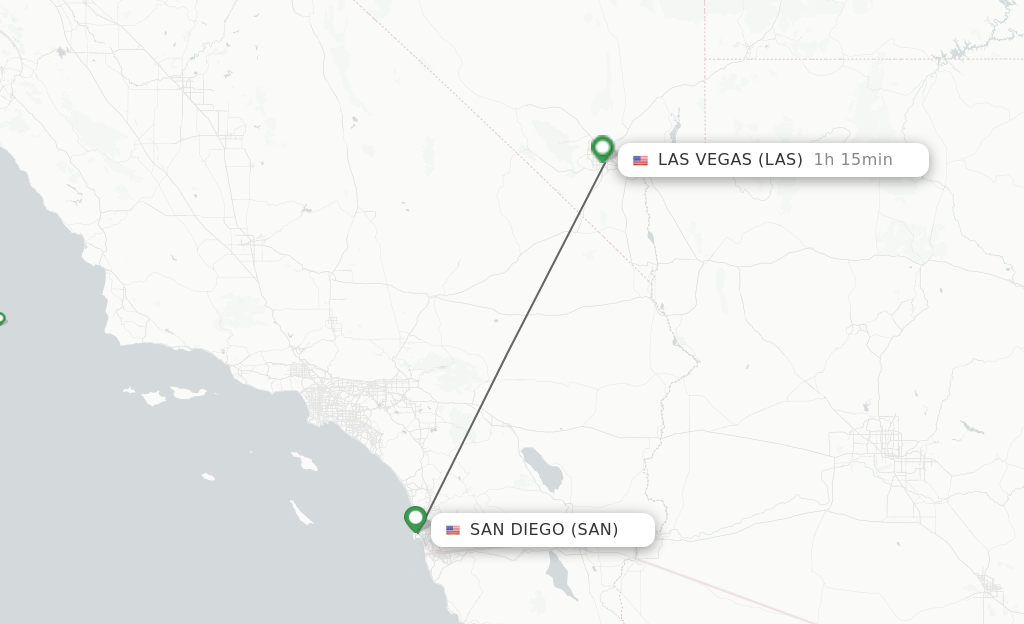
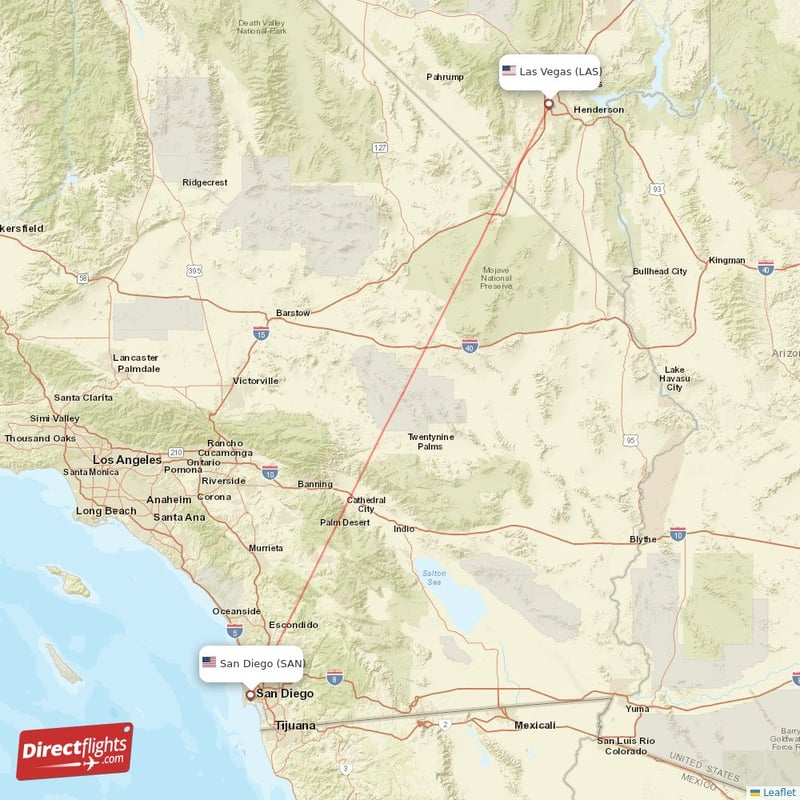
Flying is undoubtedly the fastest way to reach the “Entertainment Capital of the World.” Flights depart daily from San Diego International Airport (SAN) and arrive at Harry Reid International Airport (LAS) in Las Vegas. The actual time spent in the air is usually only about 45 to 60 minutes.
Major carriers like Southwest Airlines, Spirit Airlines, and Delta Air Lines offer frequent non-stop service. When you factor in the time spent arriving at the airport early, going through security, and navigating the terminal, the total travel time is approximately three hours. This remains the most efficient choice for business travelers or those heading to Nevada for a quick overnight stay.
Bus and Private Shuttle Services
For those who prefer not to drive but want to keep costs low, several bus companies operate this route. Greyhound and FlixBus offer multiple departures daily. These buses often pick up passengers in Downtown San Diego or near Old Town San Diego.
The bus journey typically takes between six and eight hours, depending on the number of stops in cities like Riverside or San Bernardino. For a more premium experience, private shuttle services and luxury motorcoaches sometimes offer direct “express” routes with amenities like Wi-Fi and reclining seats, making the desert transit significantly more comfortable.
Essential Road Trip Stops and Highlights
A road trip is about more than just the distance; it is about the landmarks along the way. Breaking up the drive makes the 330-mile journey feel much shorter and more enjoyable.
The Barstow Station and Calico Ghost Town
Roughly halfway through the trip, Barstow serves as the primary pit stop. Barstow Station is a unique destination built out of old railway cars, housing various fast-food outlets and souvenir shops. It is a quintessential piece of Route 66 culture.
Just a few miles outside of town, you will find Calico Ghost Town. This former silver mining town has been preserved as a regional park. It offers a fascinating glimpse into the 1880s Wild West, featuring mine tours, old-fashioned saloons, and historical reenactments. It is an excellent place to stretch your legs before the final push into the deeper desert.
Seven Magic Mountains and the Mojave National Preserve
As you cross the border from California into Nevada, the landscape becomes increasingly dramatic. One of the most popular modern stops is Seven Magic Mountains, a large-scale art installation by Ugo Rondinone. These towering, neon-colored boulders provide a stark and beautiful contrast against the muted desert floor.
For nature enthusiasts, the Mojave National Preserve is accessible just off the I-15. While exploring the entire preserve requires a dedicated trip, a short detour can lead you to the Kelso Dunes or the Teutonia Peak trailhead, which boasts the world’s densest forest of Joshua Trees.
Seasonal Considerations and Expert Travel Tips
The distance between San Diego and Las Vegas does not change, but the difficulty of the journey can fluctuate wildly based on the time of year and day of the week.
Managing Desert Weather and Traffic
The most significant factor for drivers is the heat. During the summer months, temperatures in the Mojave Desert and the Death Valley National Park region can regularly exceed 110 degrees Fahrenheit. It is imperative to ensure your vehicle’s cooling system is in top shape and that you carry extra water. Conversely, during winter, the Cajon Pass can occasionally see snow or ice, which can lead to sudden closures of the I-15.
Traffic is the other major variable. The “Friday rush” is a well-known phenomenon where thousands of residents from Southern California head to Las Vegas for the weekend. This can turn a five-hour drive into an eight-hour ordeal. Similarly, Sunday afternoon and Monday morning see heavy traffic heading south back toward San Diego. To ensure the smoothest trip, professional travelers recommend leaving before 10:00 AM on a Friday or waiting until Saturday morning.
Final Preparations for the Journey
Before embarking, check the gas prices in San Diego versus Primm on the Nevada border. Often, gas is cheaper once you cross the state line, though Primm itself can sometimes have higher “border prices.” Many travelers find that Baker—home of the World’s Tallest Thermometer—is the last reliable spot for fuel and food before the final 90-mile stretch into the Las Vegas valley.
Whether you are traveling for the world-class entertainment at Caesars Palace or to explore the natural beauty of Red Rock Canyon National Conservation Area, the journey from San Diego is an integral part of the experience. By understanding the distance, choosing the right route, and timing your departure correctly, you can transform a simple commute into a memorable California and Nevada adventure.
LifeOutOfTheBox is a participant in the Amazon Services LLC Associates Program, an affiliate advertising program designed to provide a means for sites to earn advertising fees by advertising and linking to Amazon.com. Amazon, the Amazon logo, AmazonSupply, and the AmazonSupply logo are trademarks of Amazon.com, Inc. or its affiliates. As an Amazon Associate we earn affiliate commissions from qualifying purchases.