
Understanding the climate of Las Vegas is an essential prerequisite for any traveler planning a journey to the “Entertainment Capital of the World.” Situated in the heart of the Mojave Desert within the state of Nevada, the city is defined by its arid environment, characterized by intense sunshine, low humidity, and dramatic temperature shifts. For those coming from more temperate regions of the United States or international locations like London or Tokyo, the desert climate can be a surprising element of the trip. Whether you are visiting for the high-stakes gaming, world-class dining, or the stunning natural landscapes of the American West, the weather will dictate much of your itinerary.
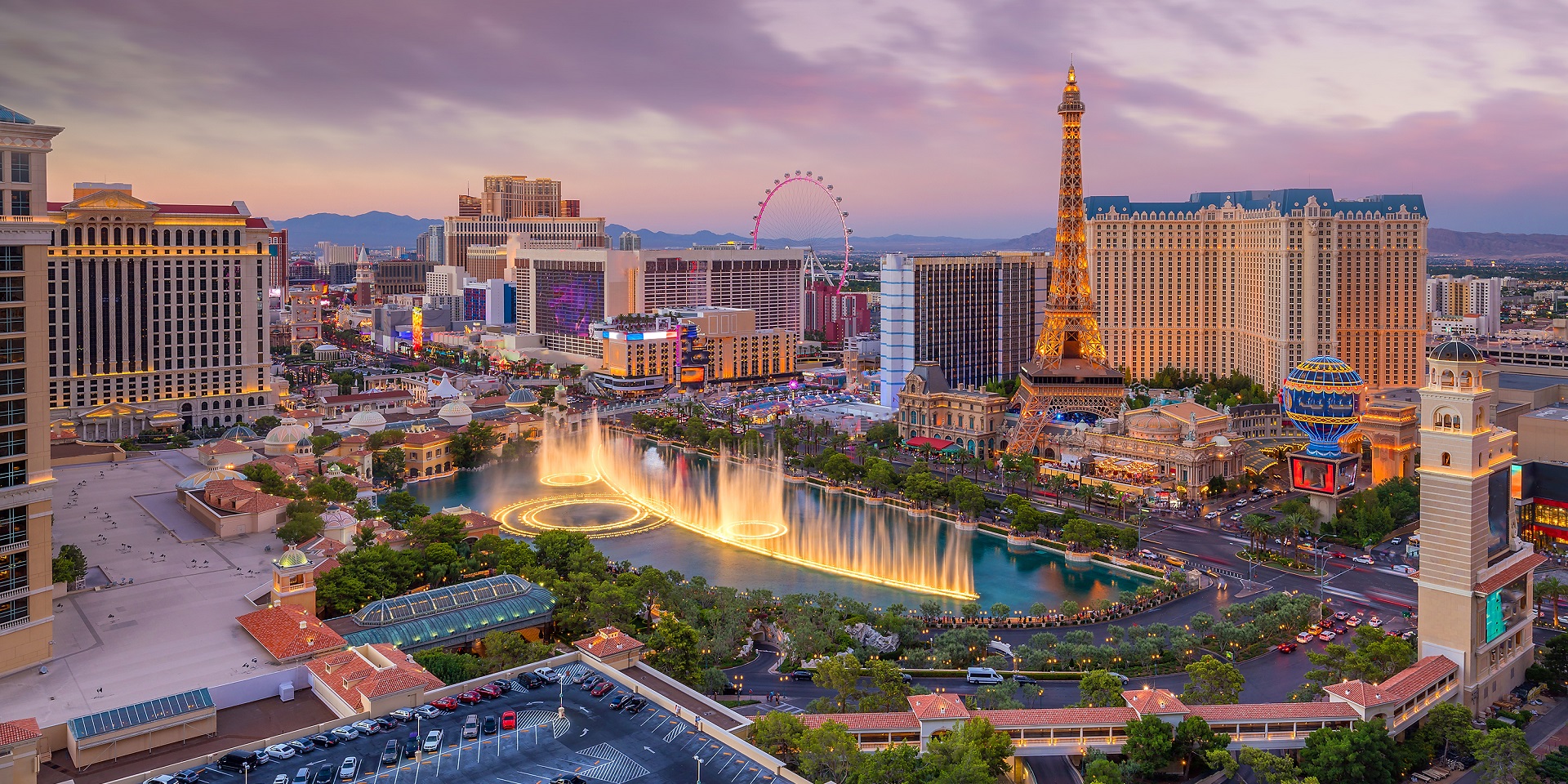
Seasonal Transitions in the Mojave Desert
The weather in Las Vegas is often categorized by its extremes, but there is a nuanced beauty to the way the seasons transition in the high desert. Unlike coastal cities, the air here lacks moisture, meaning that while temperatures can soar, the “dry heat” feels significantly different from the humid summers of Florida or New York.
Scorching Summers and the Heat Index
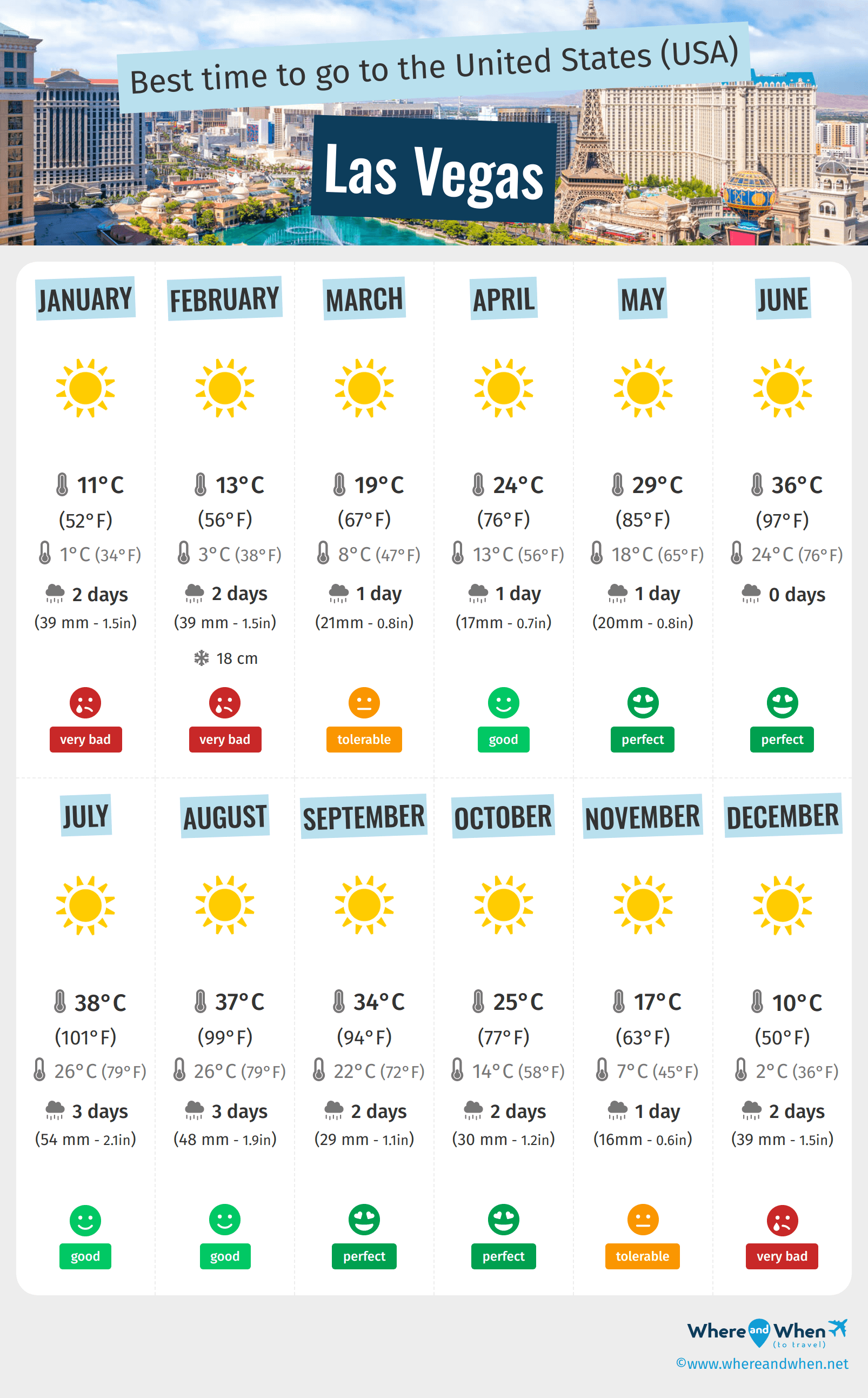
Summer in Las Vegas typically spans from June through early September. During this period, daily highs frequently exceed 100°F (38°C), and it is not uncommon for the mercury to touch 115°F (46°C) in July. This is the era of the “pool season,” where iconic resorts like Caesars Palace and The Venetian transform their massive pool decks into social hubs.
However, travelers must be aware of the “Urban Heat Island” effect. The concentration of concrete, glass, and asphalt along The Strip traps heat throughout the day, releasing it slowly at night. This means that even at midnight, temperatures may remain in the 90s. While the heat is intense, the lack of humidity prevents that “sticky” feeling, but it also increases the risk of rapid dehydration.
Mild Winters and Crisp Evenings
Contrary to popular belief, Las Vegas does experience a true winter, albeit a mild one compared to Chicago or Toronto. From December to February, daytime temperatures usually hover in the mid-50s to low 60s Fahrenheit. While the sun remains a constant companion, the wind can carry a sharp chill.
The desert cools down rapidly once the sun sets behind the Spring Mountains. Nighttime temperatures in winter can drop near freezing, requiring visitors to swap their swimwear for light jackets or sweaters. Snow is a rarity on The Strip, but it frequently blankets the nearby Mount Charleston, providing a stunning white backdrop to the neon-lit valley below.
Planning Your Visit Around the Climate
Choosing the right time to visit Las Vegas is a balance between wanting to enjoy the outdoor festivities and avoiding the most punishing weather conditions. The “shoulder seasons” are widely considered the gold standard for desert travel.
Navigating the “Shoulder Seasons” (Spring and Fall)
Spring (March to May) and Fall (September to November) offer the most pleasant weather for the average tourist. During these windows, temperatures range from 70°F to 85°F, making it comfortable to walk between landmarks like the Bellagio and Wynn Las Vegas without the need for constant air-conditioned refuge.
Spring brings a burst of desert blooms to the Bellagio Conservatory and Botanical Gardens, while the fall offers crisp, clear skies that are perfect for viewing the city from the High Roller observation wheel. These months are also peak times for conventions and major sporting events, as the weather permits outdoor fan zones and comfortable walking tours of Downtown Las Vegas.
The Best Time for Outdoor Adventures
For travelers who view Las Vegas as a gateway to the natural wonders of the Southwest, timing is everything. If your goal is to hike the crimson trails of Red Rock Canyon National Conservation Area, avoiding the summer months is a matter of safety. The spring and late autumn provide the cool, stable air necessary for strenuous physical activity.
Similarly, those planning a day trip to Valley of Fire State Park will find the vibrant red sandstone formations most photogenic under the soft light of the winter sun. Conversely, if your outdoor interests lean toward water sports at Lake Mead or exploring the engineering marvel of the Hoover Dam, the warmer months of late spring and early summer are ideal for being near the water.
Iconic Attractions and Their Seasonal Appeal
The architecture and layout of Las Vegas are largely designed to mitigate the desert climate, but some attractions are inherently tied to the weather. Understanding this dynamic helps in crafting a more enjoyable travel experience.
High-Altitude Escapes and Natural Wonders
When the heat on the valley floor becomes overwhelming, many seasoned travelers head toward higher elevations. Mount Charleston, located just 45 minutes from the city, can be 20 to 30 degrees cooler than the city center. In the summer, it serves as a cool retreat for hiking among ancient bristlecone pines; in the winter, it offers skiing and snowboarding at Lee Canyon.
Furthermore, Las Vegas serves as a primary hub for trips to the Grand Canyon National Park in Arizona. While the South Rim is accessible year-round, the North Rim closes during the winter due to heavy snow. Planning your Las Vegas stay around these regional climate shifts is vital for those looking to explore the broader United States national park system.
The Strip: Indoor Comfort vs. Outdoor Exploration
The architectural brilliance of resorts like Luxor Hotel or Paris Las Vegas is that they are designed as self-contained ecosystems. During the peak of summer, one can walk through interconnected walkways and tram systems from Mandalay Bay to Excalibur Hotel without ever stepping into the direct sun.
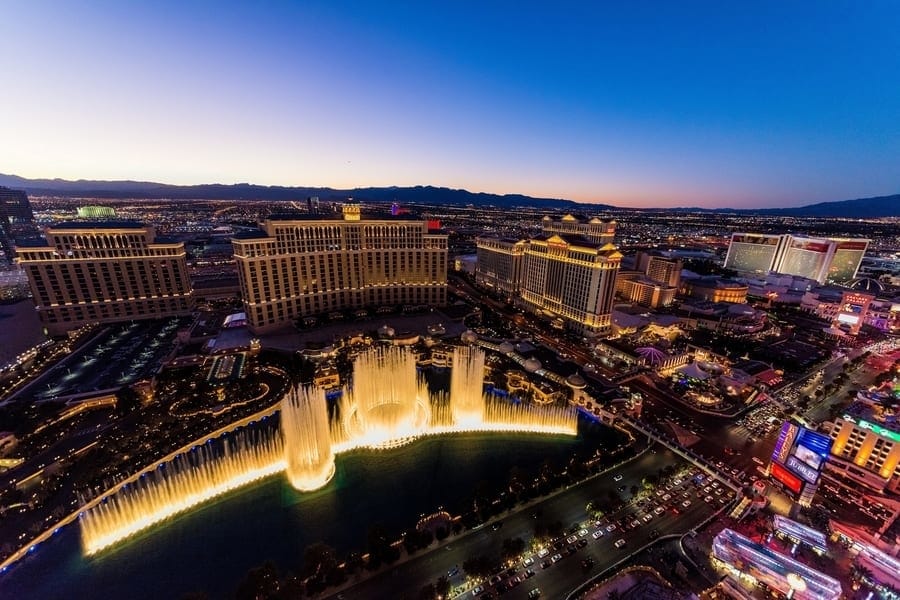
However, many of the city’s most famous free attractions are outdoors. The Fountains of Bellagio and the Mirage Volcano (though transitioning under new ownership) require standing outside. In the winter, the dry air makes these displays even more crisp and visually stunning. In the summer, travelers often time their visits to these landmarks for the late evening, when the sun has dipped below the horizon and the city’s neon lights provide a cooler, albeit still warm, atmosphere.
Practical Tips for Every Forecast
Regardless of when you visit Las Vegas, the desert requires a specific approach to packing and daily health. The environment is beautiful but can be unforgiving to the unprepared traveler.
Packing Essentials for Desert Extremes
The most important rule for Las Vegas travel is “layers.” Because the city relies heavily on powerful air conditioning, you may find yourself moving from 105°F heat outdoors to a 68°F casino floor. A light sweater or pashmina is useful even in the height of summer.
For footwear, prioritize comfort. A walk from Encore at Wynn Las Vegas to MGM Grand may look short on a map, but the scale of the buildings is deceptive. In the summer, breathable materials are a must; in the winter, closed-toe shoes are necessary to protect against the biting desert wind. Don’t forget a wide-brimmed hat and UV-protective sunglasses, as the Nevada sun is exceptionally bright.
Hydration and Safety in the Sun
The low humidity in Las Vegas means that sweat evaporates almost instantly. While this keeps you feeling dry, it also means you are losing fluids without realizing it. Proper hydration is the single most important factor for a successful trip. It is often recommended to drink twice as much water as you think you need, especially if you are consuming alcohol or caffeine.
Additionally, travelers should be mindful of the “monsoon season,” which typically occurs in late July and August. During this time, sudden, intense thunderstorms can sweep through the valley. While these provide a dramatic spectacle of lightning over the Stratosphere Tower, they can also cause flash flooding in low-lying areas and temporarily halt outdoor pool parties. Always check the local forecast before heading out on a desert excursion to Death Valley National Park or Zion National Park, as weather conditions in the desert can change with startling speed.
In conclusion, the weather in Las Vegas is more than just a backdrop; it is a central character in the city’s identity. By understanding the seasonal nuances of the Mojave Desert, from the shimmering heat of July to the cool, breezy evenings of January, you can tailor your travel experience to ensure maximum comfort and adventure. Whether you are basking by a pool or trekking through a canyon, the desert sky offers a unique and unforgettable environment for your journey.
LifeOutOfTheBox is a participant in the Amazon Services LLC Associates Program, an affiliate advertising program designed to provide a means for sites to earn advertising fees by advertising and linking to Amazon.com. Amazon, the Amazon logo, AmazonSupply, and the AmazonSupply logo are trademarks of Amazon.com, Inc. or its affiliates. As an Amazon Associate we earn affiliate commissions from qualifying purchases.