
Determining the cost of a journey to the world’s premier entertainment capital involves more than just a cursory glance at a booking engine. Las Vegas, nestled in the heart of Nevada, is a city defined by its accessibility and its extremes. Whether you are planning a high-stakes corporate retreat, a frugal weekend getaway, or a lavish celebration of the senses, the price of your flight is the first major variable in your travel lifestyle equation. In the United States, few destinations offer such a wide spectrum of pricing, ranging from ultra-low-cost domestic hops to multi-thousand-dollar international first-class experiences. Understanding the nuances of airfare to this desert oasis requires an appreciation for timing, geography, and the lifestyle choices that dictate your travel preferences.

Understanding Airfare Dynamics to Harry Reid International Airport
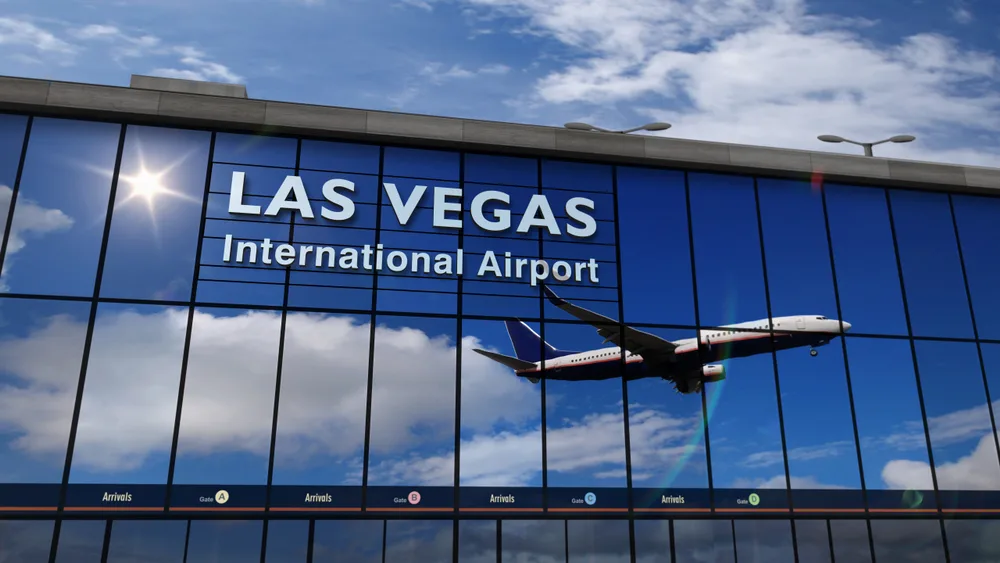
The primary gateway to Southern Nevada is the Harry Reid International Airport. As one of the busiest airports in the world, its pricing is a reflection of global demand, fuel costs, and the competitive landscape of the aviation industry. To answer “how much” a flight costs, one must first look at the infrastructure that supports the millions of visitors arriving annually.
Seasonal Fluctuations and the Impact of Events
The lifestyle of a Las Vegas traveler is often dictated by the city’s massive event calendar. Unlike many destinations that have a traditional “off-season” based purely on weather, this city sees price spikes tied to conventions and major sporting events. For instance, during the Consumer Electronics Show or a high-profile residency at the Sphere, flight prices from major hubs like San Francisco or Los Angeles can triple.
Climate does play a role, however. The scorching heat of July and August often leads to lower demand for casual tourism, resulting in some of the most affordable airfares of the year. Conversely, the temperate months of March and October, ideal for exploring Red Rock Canyon or the Valley of Fire State Park, see a surge in prices as travelers flock to the desert to escape the lingering cold or the onset of winter in the Midwest and East Coast.
The Role of Departure Cities and Distance
Geography is the most significant determinant of flight costs. For those living in California or Arizona, a flight to Las Vegas is often cheaper than a dinner at a high-end restaurant on The Strip. Short-haul flights from Phoenix or San Diego can frequently be found for under $100 round-trip.
As the distance increases, so does the baseline price. Travelers departing from New York City, Chicago, or Miami can expect to pay anywhere from $250 to $600 for an economy seat, depending on the season. For international visitors coming from London via Heathrow Airport or from Tokyo through Narita International Airport, the lifestyle investment increases significantly, with transoceanic fares typically starting at $800 and climbing well into the thousands for premium cabins.
The Budget Traveler’s Guide to Flying to Las Vegas
For those who embrace a budget-conscious lifestyle, Las Vegas is perhaps the most rewarding destination in North America. The city is a major fortress for “low-cost carriers,” which have revolutionized how people access the neon lights of Nevada.
Leveraging Low-Cost Carriers and Midweek Savings
Airlines such as Southwest Airlines, Spirit Airlines, Frontier Airlines, and Allegiant Air dominate the budget market into Harry Reid International Airport. If your lifestyle allows for flexibility, flying midweek—specifically Tuesday through Thursday—can result in astronomical savings. It is not uncommon to find “fare sales” where one-way tickets from Denver or Salt Lake City are priced as low as $29.
The budget lifestyle traveler also knows to look beyond the primary city center. While most flights land at the main airport, some regional travelers find value in flying into nearby hubs or using secondary airports in California and driving across the state line. However, the sheer volume of flights into Las Vegas usually makes direct flight paths the most economical choice.
Hidden Costs: Baggage Fees and Resort Transfers
When calculating “how much” a flight is, the budget-savvy traveler must look at the total cost of the journey. Low-cost carriers often achieve their headline-grabbing prices by unbundling services. A $40 flight can quickly become a $140 flight once you add a carry-on bag and seat selection.

Furthermore, the arrival experience in Las Vegas adds to the cost. While the airport is remarkably close to The Strip, the cost of transportation to your hotel—whether it be the MGM Grand or the Luxor Hotel and Casino—must be factored in. Rideshare services and airport shuttles are the lifestyle choice of the budget traveler, whereas a private limousine reflects a different tier of spending altogether.
Luxury and Business Travel: Elevating Your Arrival
On the opposite end of the spectrum is the luxury lifestyle traveler. For this demographic, the flight is not merely a means of transport but the beginning of the Las Vegas experience. This segment of travel is less concerned with “how much” in terms of finding the lowest price and more focused on the value of time, comfort, and exclusivity.
First Class and Business Class Premium Options
Legacy carriers such as Delta Air Lines, American Airlines, and United Airlines provide robust first-class cabins on their routes to Nevada. A first-class ticket from Dallas or Atlanta typically ranges from $700 to $1,500. This lifestyle choice offers priority boarding, expansive seating, and premium catering, allowing the traveler to arrive refreshed and ready for the high-energy environment of Caesars Palace or the Wynn Las Vegas.
For international luxury travelers, the stakes are even higher. A business-class pod from Frankfurt or Paris can cost upwards of $4,000. These flights often include access to exclusive lounges at the departure airport, such as those found in Charles de Gaulle Airport, providing a seamless transition from the reality of daily life to the fantasy of Las Vegas.
Chartering Private Flights to Sin City
The ultimate expression of the Las Vegas lifestyle is private aviation. Harry Reid International Airport features some of the busiest Fixed Base Operators (FBOs) in the country, catering to private jets of all sizes. Additionally, the Henderson Executive Airport and North Las Vegas Airport serve as alternative touchdown points for those wishing to avoid the congestion of the main terminal.
Chartering a light jet from a nearby city like Burbank can cost between $5,000 and $10,000, while a heavy jet from the East Coast can exceed $50,000. While the price is high, the convenience of bypassing security lines and arriving at a private terminal near The Strip is the gold standard for those who frequent the Bellagio or the Encore at Wynn Las Vegas.
Strategic Booking Tips for Every Lifestyle
Regardless of whether you are looking for the cheapest seat on Frontier Airlines or the most luxurious suite in the sky, certain strategies apply to all who seek to optimize their travel to Nevada.
Timing Your Purchase for Maximum Value
Data suggests that the “sweet spot” for booking domestic flights within the United States is approximately 1 to 3 months in advance. For Las Vegas, this is particularly true because of the volatility caused by conventions. If you are traveling for a specific event, such as the Formula 1 Las Vegas Grand Prix, the lifestyle choice should be to book as early as possible—often a year in advance—as prices only trend upward as the event nears.
Conversely, for spontaneous travelers, “last-minute” deals can sometimes be found during the city’s quieter periods, such as the weeks immediately following New Year’s Eve. During these lulls, even luxury-oriented travelers might find business class upgrades for a fraction of their usual cost.
Using Reward Points and Travel Credit Cards
A sophisticated travel lifestyle often involves the strategic use of credit card points and frequent flyer miles. Many travelers to Las Vegas use points earned through programs like Chase Sapphire Reserve or American Express Platinum to offset the cost of their flights.
Because Las Vegas is a high-volume route, award availability is generally better than for niche international destinations. Redeeming miles for a flight on Alaska Airlines or JetBlue can bring the out-of-pocket cost of a flight down to nearly zero, leaving more of your budget for the world-class dining at the Cosmopolitan of Las Vegas or entertainment at Fremont Street.
In summary, the cost of a flight to Las Vegas, Nevada, is entirely dependent on the lifestyle you wish to lead. From $30 budget hops to $50,000 private charters, the city remains one of the most accessible and varied destinations on the planet. By understanding the interplay of geography, timing, and carrier types, you can ensure that your journey to the desert is as rewarding as the destination itself. Whether you end up at the Circa Resort & Casino in Downtown Las Vegas or hiking the trails of Mount Charleston, the price of the flight is merely the entry fee to a world of endless possibility.
LifeOutOfTheBox is a participant in the Amazon Services LLC Associates Program, an affiliate advertising program designed to provide a means for sites to earn advertising fees by advertising and linking to Amazon.com. Amazon, the Amazon logo, AmazonSupply, and the AmazonSupply logo are trademarks of Amazon.com, Inc. or its affiliates. As an Amazon Associate we earn affiliate commissions from qualifying purchases.