
Navigating the vibrant landscape of Las Vegas involves more than just booking flights and choosing which world-class shows to attend. For the savvy traveler, understanding the local economy is a vital part of the preparation process. One of the most common questions for visitors planning their budget is: “How much is sales tax in Las Vegas?” Whether you are planning a high-stakes shopping spree at The Forum Shops at Caesars or simply grabbing a quick bite near Fremont Street, knowing the percentage added to your bill is essential for financial clarity.
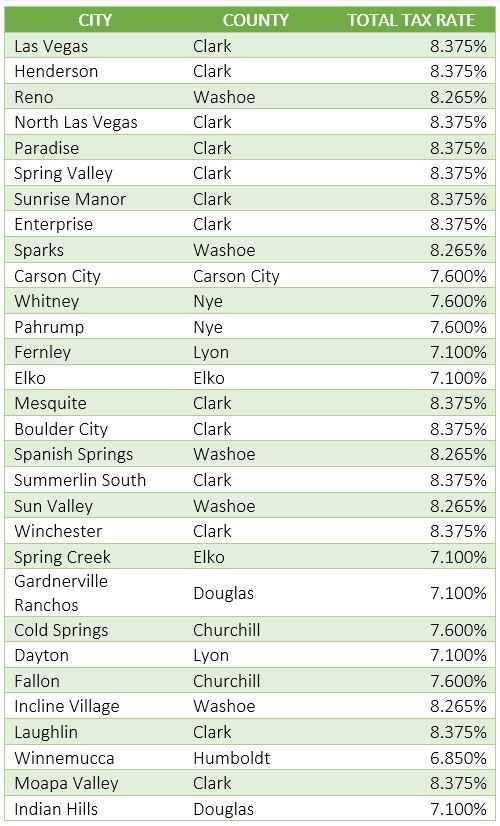
In the state of Nevada, the financial structure is unique because there is no state income tax. To fund public services and infrastructure, the state relies heavily on gaming revenue and sales taxes. This makes Las Vegas a destination where consumption is the primary driver of the local economy. For tourists, this means that while your paycheck might not be taxed if you lived here, every dollar spent on the Las Vegas Strip carries a specific tax obligation.
The Breakdown of Sales Tax in Clark County
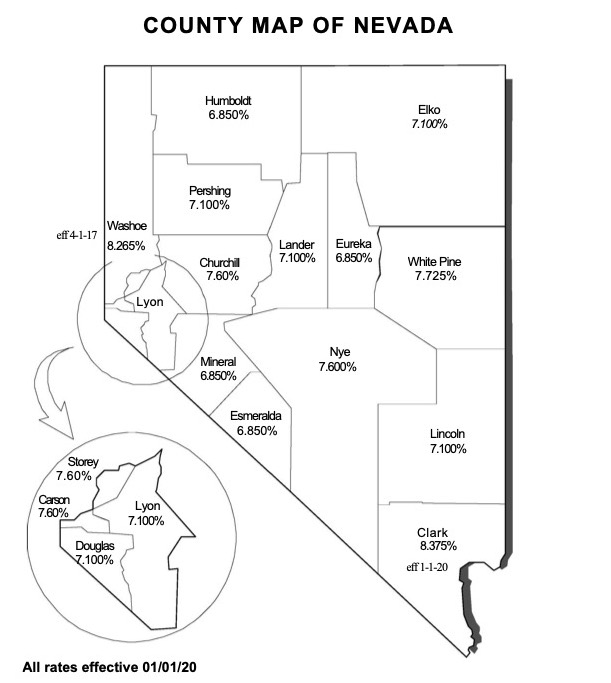
When you make a purchase in Las Vegas, you are technically paying a combined rate that includes state, county, and local components. Most of the famous tourist attractions and resorts are located within Clark County, which maintains a specific tax rate that differs slightly from other parts of the United States.
The Current Sales Tax Rate
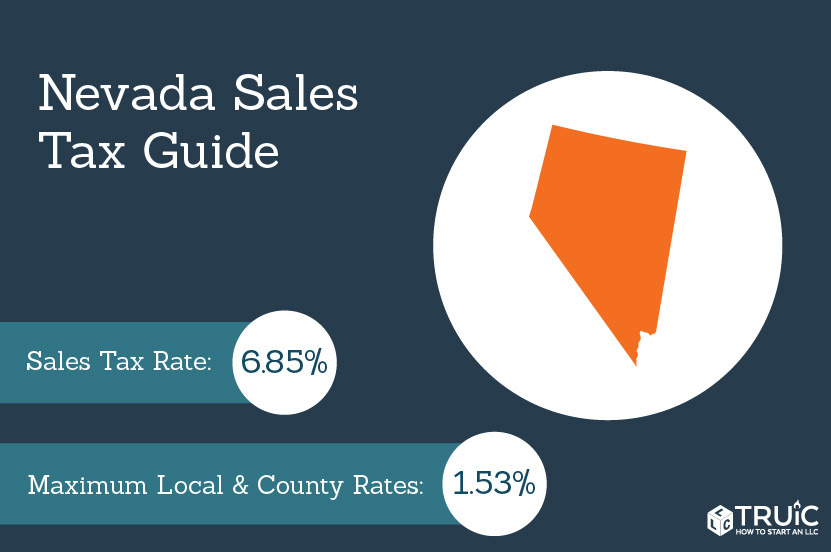
As of the current fiscal period, the combined sales tax rate in Las Vegas and throughout Clark County is 8.375%. This rate applies to most tangible goods, including clothing, electronics, souvenirs, and prepared food. It is important to note that this rate is relatively high compared to some neighboring states, but it is the trade-off for the lack of other tax types that visitors might encounter elsewhere.
How the Tax is Distributed
The 8.375% isn’t just one flat fee for the city. It is a composite of several legislative measures. The Nevada state sales tax acts as the foundation, while additional percentages are added for schools, transportation improvements, and public safety within Clark County. For those visiting from California or Arizona, the math will feel familiar, but it is always wise to keep that extra ~8.4% in mind when looking at price tags.
Tax on Groceries vs. Prepared Food
A key tip for tourists staying in long-term accommodations or Villas with kitchens: Nevada generally does not tax “unprepared” food or groceries. If you buy a loaf of bread and a gallon of milk at a grocery store in Henderson or North Las Vegas, you likely won’t see a sales tax charge. However, the moment that food is prepared—such as a rotisserie chicken or a meal at a restaurant in Paris Las Vegas—the 8.375% sales tax is applied.
Shopping Destinations and Tax Implications
For many, a trip to Las Vegas is synonymous with retail therapy. From the luxury boutiques of Encore at Wynn Las Vegas to the massive selections at Fashion Show Las Vegas, the shopping opportunities are endless. Understanding how tax affects these purchases can help you decide where to allocate your travel funds.
Luxury Shopping on The Strip
If you are eyeing a designer handbag at The Shops at Crystals or high-end jewelry at the Bellagio, the sales tax can add a significant amount to the final price. For a $2,000 purchase, the sales tax alone would be $167.50. While luxury items are rarely discounted, knowing the tax helps you avoid “sticker shock” when you reach the register of a boutique inside Caesars Palace.
Value Hunting at the Outlets
For those looking to maximize their budget, the Las Vegas North Premium Outlets and the Las Vegas South Premium Outlets are incredibly popular destinations. While the prices are lower, the 8.375% sales tax still applies. Many international tourists from Canada or the United Kingdom find that even with the tax, the prices for brands like Nike or Coach are substantially lower than in their home countries.
Electronics and Tech
Buying the latest gadget at the Apple Store in The Forum Shops is a common activity for visitors. Because electronics are big-ticket items, the sales tax is very noticeable. It is important to remember that the United States does not typically have a VAT refund system for international travelers like many European countries do. What you pay at the register in Nevada is generally final.
Dining and Entertainment Taxes
The “Tourism” experience in Las Vegas isn’t just about what you buy to take home; it is about what you consume while you are there. Dining and entertainment carry their own sets of rules that go beyond the standard sales tax.
The Cost of Fine Dining
When dining at prestigious establishments such as Joël Robuchon at the MGM Grand or Gordon Ramsay Hell’s Kitchen, the 8.375% sales tax will be added to the total of your food and beverage bill. Additionally, it is customary in the United States to tip on the pre-tax amount, though many diners simply calculate their 20% tip based on the final total including tax.
Live Entertainment Tax (LET)
Las Vegas is the entertainment capital of the world, home to Cirque du Soleil and residency performances at the Sphere. For many ticketed events, you may encounter the Live Entertainment Tax. This is a 9% tax applied to the admission price of facilities where live entertainment is provided with a maximum occupancy of 200 or more. This is separate from sales tax and is often already included in the advertised price of your ticket for Absinthe or a concert at Allegiant Stadium, but it’s worth checking the breakdown during checkout.
Sin Taxes: Alcohol and Tobacco
If your Las Vegas itinerary involves the nightlife at Omnia Nightclub or enjoying a cigar at a lounge in Resorts World Las Vegas, be aware of excise taxes. Nevada applies specific taxes on alcohol and tobacco products that are often baked into the price of the product before the 8.375% sales tax is even applied at the point of sale.
Hidden Costs: Moving Beyond Sales Tax
While the question “How much is sales tax in Las Vegas?” focuses on the percentage added to goods, a true tourism guide must mention the other fees that impact a traveler’s budget. In many ways, these fees act as a “shadow tax” for those visiting the city.
Resort Fees and Their Impact
Most major resorts on the Las Vegas Strip, such as the Venetian Resort Las Vegas and the Wynn Las Vegas, charge a daily resort fee. This fee covers amenities like Wi-Fi, fitness center access, and local calls. These fees are not sales tax, but they are subject to the local lodging tax. When you book a room, you aren’t just paying the base rate; you are paying the rate + resort fee + lodging tax (which is roughly 13.38% for hotels on the Strip).
Parking Fees at Major Resorts
In years past, parking was free in Vegas. Today, most properties owned by MGM Resorts International and Caesars Entertainment charge for parking. While this isn’t a government tax, it is a mandatory cost of “doing business” as a tourist. If you are renting a car at Harry Reid International Airport, make sure to factor in $20–$35 per day for parking at your destination.
Tips for International Travelers
For visitors from countries like Australia or Japan, where the price on the tag is the price you pay, the Nevada system can be confusing. Always remember that in Las Vegas, the price you see on a menu or a clothing rack is almost never the final price. Always add roughly 10% in your head for goods and 30% (tax + tip) for service-related activities to ensure you stay within your holiday budget.
Summary of Sales Tax for the Las Vegas Tourist
Understanding that the sales tax in Las Vegas is 8.375% is the first step in planning a financially responsible trip. This rate applies to almost everything you will touch, taste, or wear during your stay in Clark County. From the moment you land and perhaps pick up a magazine at a gift shop, to your final celebratory dinner at The Strat, this percentage is a constant companion.
By keeping this rate in mind, along with the Live Entertainment Tax and the potential for resort fees, you can explore the Neon Museum, marvel at the Bellagio Fountains, and shop until you drop with total confidence. Las Vegas remains one of the most exciting destinations in the world, and being an informed tourist only makes the experience more enjoyable. Whether you are here for the culture, the food, or the sheer spectacle of the High Roller, a little bit of tax knowledge goes a long way.
LifeOutOfTheBox is a participant in the Amazon Services LLC Associates Program, an affiliate advertising program designed to provide a means for sites to earn advertising fees by advertising and linking to Amazon.com. Amazon, the Amazon logo, AmazonSupply, and the AmazonSupply logo are trademarks of Amazon.com, Inc. or its affiliates. As an Amazon Associate we earn affiliate commissions from qualifying purchases.