
Navigating the financial landscape of a trip to Las Vegas requires more than just a passing glance at your bank account. For the savvy traveler, understanding the nuances of local taxation is a cornerstone of effective budget management. Whether you are planning a high-stakes business trip or a budget-conscious family vacation in the United States, the “sticker price” you see in brochures and on booking websites rarely reflects the final amount you will pay. In Nevada, specifically within Clark County, taxes are structured to leverage the massive influx of tourism to fund infrastructure and public services. This means that as a visitor, you are a primary contributor to the local economy through various specialized levies.
This guide delves into the specifics of sales tax, lodging fees, and entertainment surcharges to provide a comprehensive financial blueprint for your next stay in the Entertainment Capital of the World.
Understanding Sales Tax in the Silver State
When you walk into a luxury boutique at The Forum Shops at Caesars Palace or a souvenir stall on the Fremont Street Experience, the price tag you see is not what you will pay at the register. Unlike many international destinations where Value Added Tax (VAT) is included in the price, Las Vegas follows the American tradition of adding sales tax at the point of purchase.
The Breakdown of Sales Tax Rates
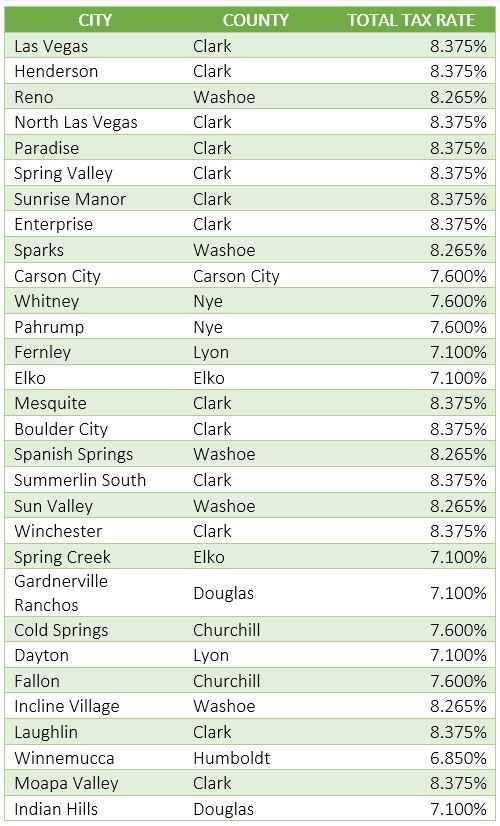
The current sales tax rate in Las Vegas is 8.375%. This figure is a combination of the Nevada state sales tax and various local taxes specific to Clark County. While this rate is lower than in cities like Chicago or Los Angeles, it is high enough to significantly impact large purchases. For example, if you are treating yourself to a designer handbag or high-end electronics, an 8.375% surcharge can add hundreds of dollars to your total.
It is worth noting that while most tangible goods are taxable, Nevada is one of the states that does not tax most “unprepared” grocery food items. However, as a traveler, you are more likely to be purchasing “prepared food”—meaning anything served in a restaurant or a café—which is subject to the full sales tax rate.
Dining Out and Service Fees
Dining is a major component of the Las Vegas lifestyle. From world-class buffets at the Wynn Las Vegas to casual eateries in Downtown Las Vegas, your bill will always include that 8.375% sales tax. However, visitors should also be aware of “Concession Fees” or “CNF” that sometimes appear on receipts, particularly at venues within large resorts. These are not government taxes but rather fees added by the establishment to offset the high cost of operating within a premium resort corridor. Always check your receipt to distinguish between the mandatory state tax and discretionary venue fees.
Navigating Lodging Taxes and Resort Fees
Perhaps the most significant financial surprise for visitors to Nevada is the discrepancy between the advertised room rate and the final checkout total. This is due to a combination of high transient occupancy taxes (commonly known as room tax) and the ubiquitous resort fee.
The Room Tax Structure
If you are staying on the Las Vegas Strip, you are subject to one of the highest room tax rates in the United States. Currently, the room tax for hotels located on the Las Vegas Strip is 13.38%. If you choose to stay in Downtown Las Vegas, the rate is slightly lower at 13%. Properties located further away from the main tourist hubs may have rates as low as 12%.
These taxes are mandatory and are used to fund everything from the Las Vegas Convention Center to local schools and transportation projects like the Las Vegas Monorail. For a room advertised at $200 per night, the tax alone adds roughly $26.76 to your daily bill.
The Impact of Resort Fees
While not technically a government tax, resort fees function much like one because they are rarely optional. Most major resorts, such as the Bellagio Hotel and Casino and The Venetian Resort, charge a daily resort fee that covers amenities like high-speed internet, gym access, and local phone calls.
Crucially, these fees are also subject to the 13.38% room tax. If a hotel has a $45 daily resort fee, the actual cost is approximately $51 after tax. When planning a budget stay, it is vital to calculate the “all-in” price by adding the room rate, the resort fee, and the respective taxes for both. This can often double the price of a “cheap” $50 room found on a discount booking site.
Taxes on Entertainment, Gaming, and Leisure
Las Vegas is synonymous with entertainment, but the cost of seeing a residency show or a sporting event at Allegiant Stadium includes a specific fiscal contribution to the state.
The Live Entertainment Tax (LET)
Nevada implements a Live Entertainment Tax (LET) on most events where admission is charged and live entertainment is provided. Whether you are watching a Cirque du Soleil production or a concert at the T-Mobile Arena, a 9% tax is applied to the admission price.
This tax applies to venues with a minimum occupancy of 200 people. For smaller lounges or bars that offer live music, the tax may not be applicable unless there is a formal cover charge. It is also important to note that the LET often applies to food, beverages, and merchandise sold inside the entertainment venue during the performance.
Gaming Taxes and Your Winnings
For many, the lifestyle of a Las Vegas traveler involves time spent on the casino floors of icons like Caesars Palace or the MGM Grand. While the house edge is a known factor, the tax on winnings is often overlooked.
The Internal Revenue Service (IRS) considers gambling winnings to be taxable income. If you hit a jackpot above a certain threshold (usually $1,200 on a slot machine or $1,500 in keno), the casino is required to issue a Form W-2G. For international visitors, the United States typically withholds a flat 30% of gambling winnings for tax purposes, though this may vary depending on tax treaties between the United States and your home country.
Strategic Budgeting for the Las Vegas Lifestyle
To maintain a luxury lifestyle on a budget, or simply to ensure your business expenses stay within company guidelines, you must account for these “invisible” costs from the outset.
Transportation and Surcharges
Getting around Clark County involves more than just the base fare. When taking a taxi from Harry Reid International Airport to a hotel on the Las Vegas Strip, there is a mandatory $3.00 airport surcharge plus a fuel surcharge that fluctuates. If you prefer ride-sharing services like Uber or Lyft, Nevada imposes a 3% Transportation Network Company (TNC) excise tax on every ride.
For those renting a car to visit the Hoover Dam or Red Rock Canyon, the taxes are even more significant. Rental car taxes in Las Vegas can exceed 20% when you combine the state sales tax, the county surcharge, and the government services fee.
Tipping: The Social Tax
While not a legal requirement, tipping is an integral part of the Las Vegas economy and should be treated as a “social tax” in your budget. In a city where the service industry is the backbone of the lifestyle, tipping 18% to 25% at restaurants and bars is standard. Bellhops, valet drivers at The Strat, and cocktail servers also expect gratuities. When you add the 8.375% sales tax and a 20% tip, the cost of a meal is nearly 30% higher than the menu price.

Tax-Free Opportunities and Savings
If you are looking to minimize your tax burden, focus on experiences rather than goods. Exploring the natural beauty of Nevada at Lake Mead or taking a day trip to the Grand Canyon in Arizona (which has its own tax structures) can offer a reprieve from the high-density tax environment of the Las Vegas Strip. Additionally, look for hotels that explicitly waive resort fees or offer “all-in” pricing to avoid the 13.38% tax on those extra charges.
In conclusion, while Las Vegas offers an unparalleled lifestyle of excitement and luxury, it comes with a complex web of taxes. By factoring in the 8.375% sales tax, the 13.38% room tax, and the 9% entertainment tax, you can approach your trip with the financial clarity needed to truly enjoy everything this desert oasis has to offer. Understanding these costs isn’t just about saving money; it’s about making informed choices that enhance your overall travel experience.
LifeOutOfTheBox is a participant in the Amazon Services LLC Associates Program, an affiliate advertising program designed to provide a means for sites to earn advertising fees by advertising and linking to Amazon.com. Amazon, the Amazon logo, AmazonSupply, and the AmazonSupply logo are trademarks of Amazon.com, Inc. or its affiliates. As an Amazon Associate we earn affiliate commissions from qualifying purchases.