
The transition from the neon-lit corridors of Las Vegas to the ancient, sedimentary layers of the Grand Canyon is one of the most iconic journeys in North America. While the “Entertainment Capital of the World” offers endless sensory stimulation, the sheer scale of Arizona’s natural wonder provides a profound sense of perspective that no high-rise Strip hotel can match. For travelers stationed in Nevada, the Grand Canyon is surprisingly accessible, yet the logistics of getting there require careful planning. Whether you are seeking a quick aerial flyover or an immersive multi-day hiking expedition, understanding the geographical layout and transportation options is the first step in conquering this bucket-list destination.

Deciding Your Destination: The Three Rims
Before booking a vehicle or a flight, you must decide which part of the canyon you wish to see. The Grand Canyon is vast, and the experiences offered at the West Rim, South Rim, and North Rim vary significantly in terms of distance, atmosphere, and amenities.
The West Rim and the Skywalk
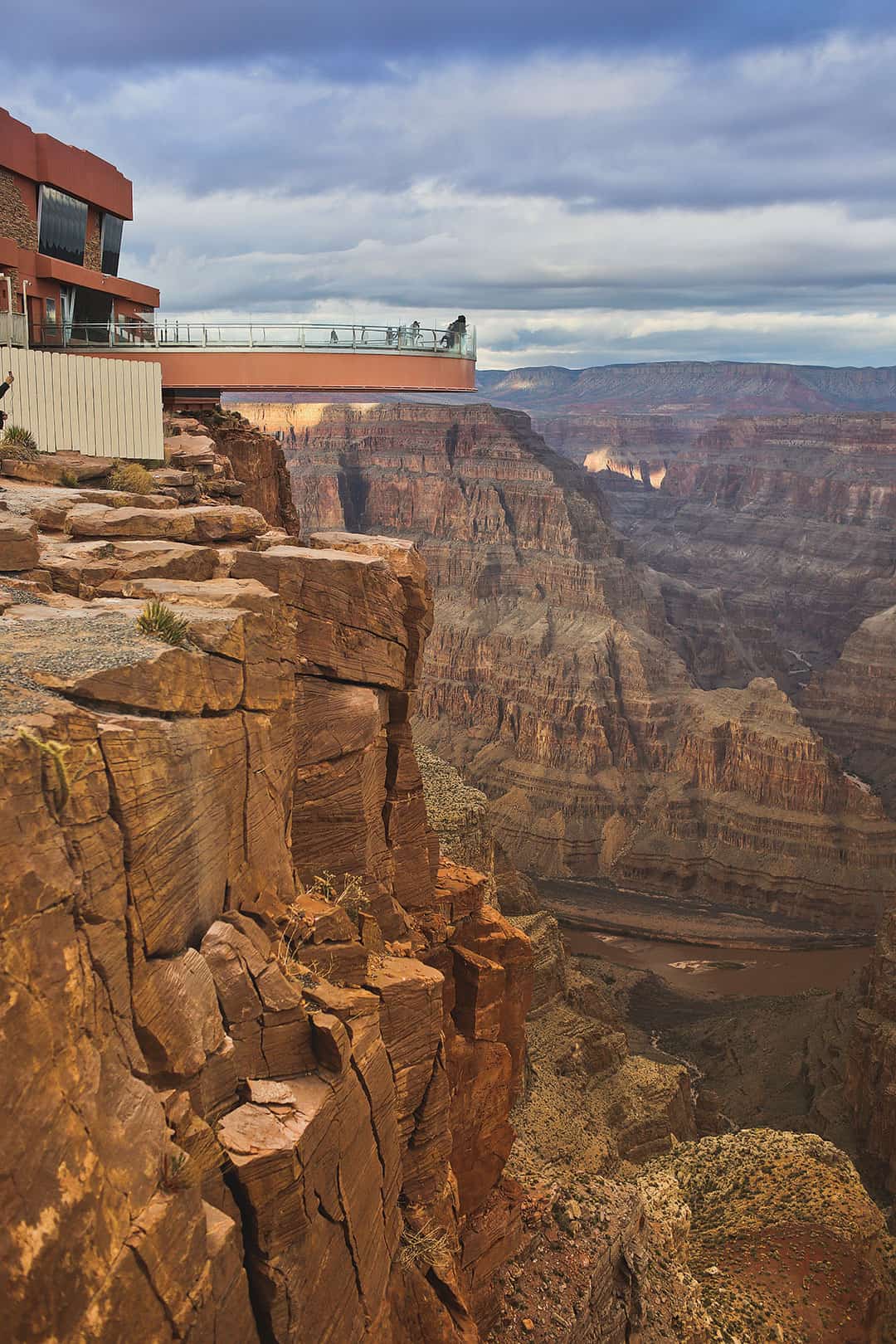
The Grand Canyon West is the most popular choice for day-trippers from Las Vegas due to its proximity. Located on the Hualapai Indian Reservation, it is roughly 130 miles from the city, making it a manageable two-and-a-half-hour drive. This area is famous for the Grand Canyon Skywalk, a horseshoe-shaped glass bridge that extends 70 feet out over the rim, offering a vertical view 4,000 feet down to the Colorado River. Visitors here can also explore Eagle Point and Guano Point, both of which offer dramatic 360-degree views without the crowds often found at the national park sections.
The South Rim: The National Park Experience
The South Rim is what most people picture when they think of the Grand Canyon. As part of the Grand Canyon National Park, it boasts the most famous vistas, including Mather Point and Yavapai Observation Station. It is located approximately 280 miles from Las Vegas, requiring a drive of four and a half to five hours. While the journey is longer, the South Rim offers more extensive hiking trails, such as the Bright Angel Trail, and more historic architecture, including the Desert View Watchtower.
The North Rim: Seclusion and Altitude
For those seeking a more rugged and quiet experience, the North Rim is the ultimate destination. Sitting at a higher elevation, it is significantly cooler and heavily forested with aspen and pine trees. However, it is the most difficult to reach from Las Vegas, requiring a drive of nearly six hours (roughly 265 miles through Utah). Due to heavy snowfall, the North Rim is only open seasonally, typically from mid-May to mid-October.
Transportation Options from the Neon City
The method you choose to reach the canyon will define your experience. Las Vegas serves as a major hub for various tour operators and transportation services, ranging from budget-friendly buses to ultra-luxury helicopters.
Self-Driving and Car Rentals
Renting a car is perhaps the most flexible way to travel. From the Harry Reid International Airport, travelers can pick up a vehicle and head south on US-93. Self-driving allows for spontaneous stops at landmarks like the Hoover Dam or the quirky town of Boulder City. If heading to the South Rim, the route typically takes you through Kingman, where you can jump onto a scenic stretch of the historic Route 66 toward Seligman.
Helicopter and Airplane Tours
For those with a limited schedule but a healthy budget, aerial tours are the premier way to see the canyon. Several companies operate out of Henderson Executive Airport and Boulder City Municipal Airport. A helicopter flight to the West Rim takes about 45 minutes each way, often including a descent into the canyon for a champagne brunch on the banks of the Colorado River. Fixed-wing airplane tours are also available to the South Rim, significantly cutting down the five-hour drive to a mere 60-minute scenic flight.
Luxury Motorcoach and Guided Bus Tours
If you prefer to leave the navigation to the professionals, numerous bus tours depart daily from major Las Vegas resorts such as Caesars Palace and The Venetian Resort. These tours are educational, often featuring professional guides who provide history on the Mojave Desert and the Hualapai people. Most bus tours to the South Rim include stops at the National Geographic Visitor Center and provide lunch, making it a stress-free, all-inclusive day trip.
Significant Landmarks Along the Route
The journey from Las Vegas to the Grand Canyon is as much about the drive as it is the destination. The American Southwest is dotted with engineering marvels and historical gems that warrant a stop.
The Hoover Dam and Lake Mead
Shortly after leaving the city limits, travelers cross the Mike O’Callaghan–Pat Tillman Memorial Bridge. This massive bypass bridge offers the best pedestrian view of the Hoover Dam, a concrete arch-gravity dam that holds back the waters of Lake Mead. This area marks the border between Nevada and Arizona and is a vital piece of the region’s infrastructure and history.
The Historic Town of Williams
For those traveling to the South Rim, the town of Williams is a common and delightful pitstop. Known as the “Gateway to the Grand Canyon,” Williams is famous for its preserved Route 66 atmosphere. It is also the home of the Grand Canyon Railway, a heritage railroad that carries passengers from the town directly into the heart of Grand Canyon Village. Taking the train is an excellent way to avoid the parking congestion often found inside the park during peak summer months.
Peach Springs and the Caverns
If you take a detour along the longer stretches of the old highway, you might encounter Peach Springs. This town served as the inspiration for the fictional “Radiator Springs” in the movie “Cars.” Nearby, the Grand Canyon Caverns offer a different kind of geological exploration, taking visitors hundreds of feet underground into one of the largest dry caverns in the United States.
Planning for an Overnight Stay
While many visitors attempt the Grand Canyon as a day trip, staying overnight allows you to witness the spectacular sunrise and sunset, when the canyon walls glow in vibrant shades of violet, orange, and gold.
Lodging Within the National Park
Accommodation inside the Grand Canyon National Park is highly coveted and often requires booking a year in advance. The El Tovar Hotel is the crown jewel of the park, having hosted presidents and celebrities since 1905. For a more rustic experience, the Bright Angel Lodge and Yavapai Lodge offer comfortable cabins and rooms tucked away in the woods. Other options include the Maswik Lodge, Kachina Lodge, and Thunderbird Lodge, all of which provide immediate access to the rim trails.
Accommodations in Tusayan
If the park lodges are full, the town of Tusayan is located just two miles from the South Entrance. Here, you will find modern hotels such as the The Grand Hotel at the Grand Canyon and the Squire Resort at the Grand Canyon. Staying in Tusayan is convenient for those who want to use the park’s shuttle system while still having access to various dining and shopping options.
Practical Tips for Your Canyon Excursion
The journey from the desert floor of Las Vegas to the high-altitude rim of the Grand Canyon involves significant environmental changes that travelers should prepare for.
Weather and Altitude Awareness
The Grand Canyon sits at a much higher elevation than Las Vegas. The South Rim is approximately 7,000 feet above sea level, while the North Rim exceeds 8,000 feet. This means temperatures can be 20 to 30 degrees cooler than in the city. Even in the middle of summer, a light jacket is often necessary for early morning or late evening viewing. Furthermore, the thinner air can cause altitude sickness for some, so staying hydrated is paramount.
Park Fees and Entry
When visiting the South Rim or North Rim, there is a per-vehicle entrance fee that is valid for seven days. If you plan on visiting other nearby parks like Zion National Park or Bryce Canyon National Park during your trip, consider purchasing the America the Beautiful Pass, which grants access to all federal recreation sites for a full year. For the West Rim, entry is managed by the Hualapai Tribe, and separate tour packages must be purchased, as it is not a national park.
Timing Your Departure
To make the most of your day, it is highly recommended to leave Las Vegas no later than 6:00 AM. This early start allows you to beat the heavy traffic at the Hoover Dam and ensures you arrive at the canyon before the midday sun and the largest crowds. If you are driving back to the city the same day, be mindful of the desert wildlife; elk and deer are frequently spotted on the roads near Grand Canyon Village during twilight hours.
By choosing the right rim, selecting a transportation method that fits your pace, and preparing for the unique climate of the Colorado Plateau, your journey from the lights of Las Vegas to the depths of the Grand Canyon will be an unforgettable chapter of your travel story.
LifeOutOfTheBox is a participant in the Amazon Services LLC Associates Program, an affiliate advertising program designed to provide a means for sites to earn advertising fees by advertising and linking to Amazon.com. Amazon, the Amazon logo, AmazonSupply, and the AmazonSupply logo are trademarks of Amazon.com, Inc. or its affiliates. As an Amazon Associate we earn affiliate commissions from qualifying purchases.