Florida, renowned globally as the Sunshine State, beckons with its vibrant culture, sun-kissed beaches, thrilling attractions, and a welcoming lifestyle that draws millions of visitors and new residents each year. From the bustling theme parks of Orlando to the serene shores of the Florida Keys, it offers a diverse tapestry of experiences and communities. For many who choose to make Florida their home, whether for retirement, a change of pace, or to enjoy its unique environment, life’s journey can sometimes present unexpected turns. Among these, navigating the process of applying for disability benefits can be a crucial step towards securing a stable and fulfilling future in this captivating state.
This comprehensive guide is designed to illuminate the path for individuals seeking disability support in Florida. Far from being a mere bureaucratic chore, we view this process as another facet of your life’s journey – one that requires preparation, understanding, and the right resources, much like planning an unforgettable trip. By blending practical advice with an appreciation for Florida’s’s unique offerings and commitment to accessibility, we aim to demystify the application process, ensuring you can focus on embracing your chosen Florida lifestyle while pursuing the support you need.
Understanding the Landscape of Disability Benefits in Florida: Your Compass for Support
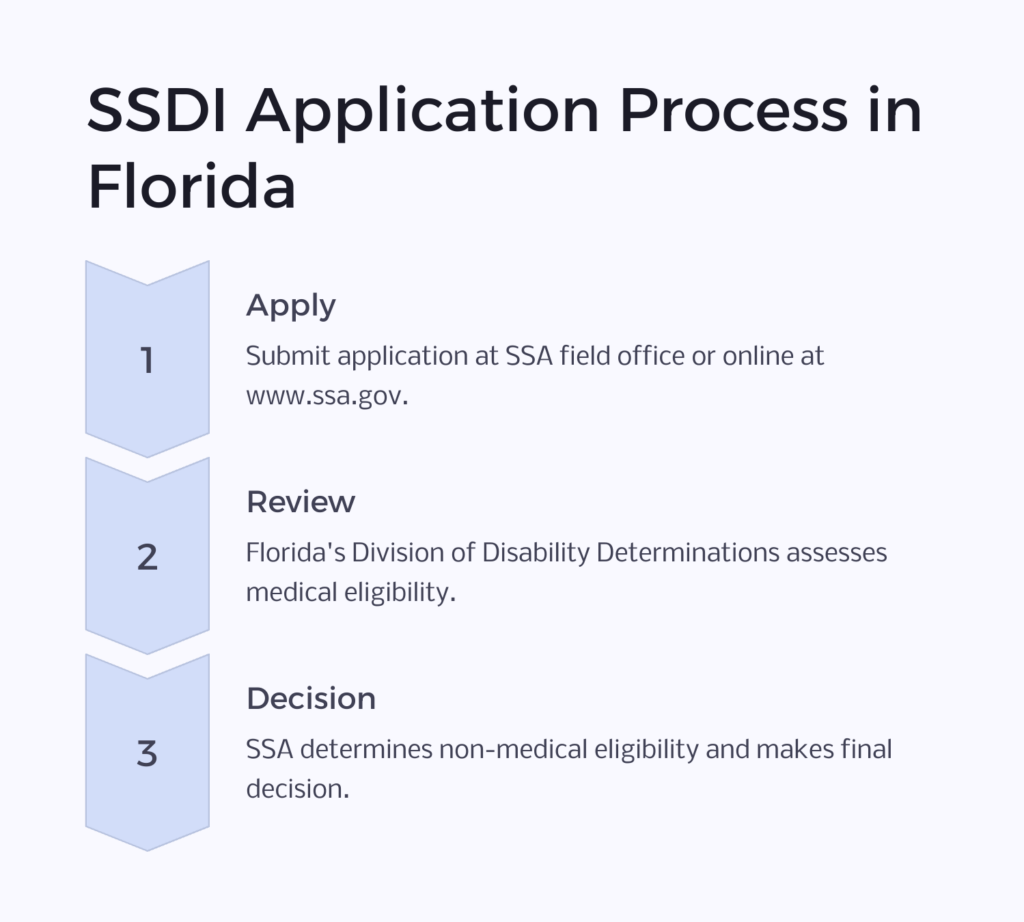
Embarking on the journey to apply for disability benefits in Florida begins with understanding the core systems in place. It’s important to clarify that disability benefits in the United States are primarily federal programs, administered by the Social Security Administration (SSA). While the rules are nationwide, the application and review process are handled locally through SSA field offices and Disability Determination Services (DDS) within Florida. Think of it as a guided tour, where the overall itinerary is set, but local experts help you navigate the specific attractions.
The Federal Framework in a State Context
The SSA manages two main types of disability benefits: Social Security Disability Insurance (SSDI) and Supplemental Security Income (SSI). Both are designed to provide financial assistance to individuals who are unable to work due to a medical condition that is expected to last at least one year or result in death. While the federal nature ensures consistency across state lines, Florida’s DDS plays a critical role in reviewing the medical aspects of claims for its residents. This state agency, funded by the federal government, makes the initial medical disability decisions for the SSA, acting as a crucial local guide in your application journey.
SSDI vs. SSI: Choosing Your Path
Selecting the correct benefit program is akin to choosing the right travel package for your needs.
- SSDI: This program is for workers who have paid Social Security taxes through their earnings. Eligibility depends on having accumulated enough “work credits” over your employment history. It’s an insurance program – a benefit you’ve effectively paid into. If approved, your dependents may also be eligible for benefits.
- SSI: This is a needs-based program for individuals with limited income and resources, regardless of work history. It provides a basic level of financial assistance to help meet fundamental needs like food, shelter, and clothing. SSI is often a lifeline for those who haven’t worked much or recently, or for children with disabilities.
Understanding which program aligns with your personal and financial history is the first critical step in your application journey. The SSA will assess your application against both sets of criteria, but it helps to know which path you are more likely to qualify for.
Eligibility Essentials: Are You Ready for the Journey?
To be deemed medically disabled by the SSA, you must demonstrate that you have a severe medical condition that prevents you from engaging in “substantial gainful activity” (SGA) and that this condition has lasted or is expected to last for at least 12 months, or result in death. The SSA does not typically award benefits for partial or short-term disability. This strict definition means a thorough presentation of your medical evidence is paramount. It’s like preparing an exhaustive itinerary and packing list before a major expedition; every detail matters.
Navigating the Initial Application: Your Itinerary for Success
The application process for disability benefits can seem daunting, but breaking it down into manageable steps makes it much more approachable. Think of it as planning a complex trip; careful preparation and a clear itinerary are key to a smooth journey.
Step-by-Step Application: A Guided Tour
The SSA offers several convenient ways to apply:
- Online: For SSDI only, the most efficient method is often through the SSA website. This digital pathway allows you to submit your application from the comfort of your home, much like booking a vacation online.
- By Phone: You can call the SSA’s toll-free number to schedule an appointment or to apply over the phone.
- In Person: Visiting an SSA field office in Florida allows you to speak directly with an SSA representative who can guide you through the forms. While perhaps less convenient than online, some prefer the personal touch, especially if they have many questions. There are numerous SSA field offices scattered across the state, from Jacksonville to Miami, ensuring local access.
Regardless of the method, you will need to provide detailed information about your medical condition, work history, education, and daily activities. For SSI, additional financial information will be required.
Gathering Your Documentation: Packing for the Trip
The cornerstone of a successful disability application is comprehensive medical evidence. This is your essential travel documentation, proving your eligibility. You will need to provide:
- Medical Records: This includes reports from doctors, therapists, hospitals, clinics, and specialists. Ensure these records detail your diagnosis, symptoms, treatments, medications, and your response to treatment. Objective tests like X-rays, MRIs, CT scans, and lab results are particularly valuable.
- Work History: Information about your past jobs, including dates of employment, duties performed, and earnings.
- Personal Information: Birth certificate, Social Security card, bank account information, and spouse/children’s details if applicable.
- Financial Records (for SSI): Details of income, assets, and resources.
The more detailed and complete your documentation, the smoother your journey through the review process will be. Contacting your healthcare providers to request copies of your records well in advance is highly recommended.
The Role of DDS: Your Local Review Board
Once your application is submitted, it is forwarded to Florida’s Disability Determination Services (DDS). The DDS is responsible for making the initial medical determination of disability for the SSA. A DDS claims examiner, often with the help of a medical consultant (a doctor or psychologist), will review all the medical and non-medical evidence to decide if you meet the SSA’s definition of disability. They may contact your doctors for additional information or even send you for a consultative examination (CE) with an independent medical professional, paid for by the SSA. This is a critical stage, where your “travel narrative” is thoroughly assessed by local experts.
Enhancing Your Florida Experience While Awaiting a Decision: Accessible Lifestyle and Exploration
The waiting period for a disability decision can be prolonged, sometimes stretching for several months or even over a year, especially if appeals are necessary. During this time, it’s important to maintain your well-being and continue engaging with life, particularly in a state like Florida that offers so much for residents and visitors alike. This phase of your journey can be an opportunity to explore accessible facets of the Sunshine State, ensuring you live a fulfilling lifestyle while awaiting a decision.
Accessible Stays: Finding Your Sanctuary in the Sunshine State
Whether you’re relocating to Florida or already a resident seeking a temporary change of scenery, finding accessible accommodations is paramount. Florida’s hospitality industry, catering to a diverse global audience, often excels in this area. Many hotels, resorts, and even vacation rental properties are designed with accessibility in mind, offering features such as:
- Roll-in showers and grab bars: Essential for personal care.
- Wheelchair-accessible rooms and suites: With wider doorways and ample space for mobility.
- Accessible common areas: Including lobbies, restaurants, and pools equipped with lifts.
- Transportation services: Many resorts and hotels offer accessible shuttle services to local attractions.
Cities like Orlando, with its vast tourism infrastructure, and coastal hubs like Miami and Tampa, boast a wide array of accessible hotels, from luxury resorts to budget-friendly options. When booking, always confirm specific accessibility features to ensure they meet your individual needs. Long-term stay apartments and villas also increasingly offer accessible configurations, ideal for those establishing a new life in Florida.
Exploring Florida’s Accessible Landmarks and Attractions
Florida is a global leader in accessible tourism, making it an ideal place to live and explore, even with mobility challenges.
- Theme Parks: Iconic destinations like Walt Disney World Resort and Universal Orlando Resort are pioneers in accessibility, offering extensive accommodations for guests with disabilities, including accessible restrooms, assistive listening devices, sign language interpretation, and detailed ride accessibility guides. Planning ahead through their official websites is highly recommended.
- Beaches: Many of Florida’s stunning beaches, such as Clearwater Beach and St. Pete Beach, provide beach wheelchairs (often free of charge), accessible boardwalks, and designated access points, allowing everyone to enjoy the famous soft sands and warm waters.
- State Parks and Natural Reserves: Florida’s natural beauty is breathtaking, and many state parks offer accessible trails, fishing piers, and visitor centers, allowing you to connect with the state’s diverse ecosystems, from the Everglades to the Panhandle.
- Museums and Cultural Sites: From the Dalí Museum in St. Petersburg to the historic districts of St. Augustine, Florida’s’s cultural institutions are largely accessible, providing ramps, elevators, and other aids for visitors with disabilities.
Embracing these opportunities can significantly enhance your quality of life during what can otherwise be a stressful waiting period, reminding you of the beauty and vibrancy that Florida offers.
The Appeals Process: Navigating Bumps in the Road
It’s a common misconception that an initial denial signals the end of your disability journey. In reality, a significant percentage of initial applications are denied, and many successful applicants achieve their benefits only after navigating the appeals process. This is a crucial detour, but one that can lead to your desired destination.
When a Detour is Necessary: Understanding Denials
If your application is denied, the SSA will send you a letter explaining the reasons and outlining your right to appeal. It’s imperative not to lose hope, as this is a standard part of the process. Often, denials occur due to insufficient medical evidence, a misunderstanding of your limitations, or a lack of clarity in how your condition prevents you from working.
The Stages of Appeal: Your Path to Reconsideration
The appeals process typically involves several stages, each offering a new opportunity to present your case and additional evidence:
- Reconsideration: This is the first step, where your case is reviewed by a different DDS examiner and medical consultant who were not involved in the initial decision. New medical evidence can be submitted at this stage.
- Hearing by an Administrative Law Judge (ALJ): If reconsideration is denied, you can request a hearing before an Administrative Law Judge (ALJ). This is often considered the best chance for approval, as you can present your testimony in person, explain your limitations directly, and have medical or vocational experts testify on your behalf.
- Appeals Council Review: If the ALJ denies your claim, you can ask the Appeals Council to review the ALJ’s decision. The Appeals Council typically reviews for legal errors or procedural missteps.
- Federal Court Review: The final stage is to file a lawsuit in a Federal Court if all prior appeals are unsuccessful. This step involves a legal challenge to the SSA’s decision.

Crucially, there are strict deadlines for each stage of appeal, typically 60 days from the date of receiving the denial letter. Missing these deadlines can jeopardize your claim, making prompt action vital.
Seeking Professional Guidance: Your Expert Travel Agent for Legalities
Given the complexities of the appeals process, especially at the ALJ hearing stage, seeking assistance from a qualified disability attorney or advocate is highly recommended. These professionals act as your expert travel agents for the legal landscape, intimately familiar with the SSA’s regulations and procedures. They can:
- Gather crucial medical evidence and statements from your doctors.
- Prepare you for testimony at a hearing.
- Represent you at hearings, cross-examining vocational and medical experts.
- Identify the legal arguments most likely to lead to a favorable decision.
- Ensure all deadlines are met.
Most disability attorneys work on a contingency basis, meaning they only get paid if you win your case, and their fees are capped by law, making their services accessible. Engaging an attorney can significantly improve your chances of success and alleviate much of the stress associated with the appeals process.
Embracing the Florida Lifestyle: Community, Wellness, and Long-Term Living
Beyond the application process, Florida offers a rich tapestry for long-term living, especially for those seeking a supportive and vibrant environment. Once benefits are secured, or even while navigating the application, integrating into the local community and focusing on holistic well-being can greatly enhance your Florida experience.
Community and Support Networks
Florida’s diverse population includes a robust network of support for individuals with disabilities. From local non-profits and senior centers to condition-specific support groups, there are numerous opportunities to connect with others who share similar experiences. These communities can provide invaluable emotional support, practical advice, and a sense of belonging, making your life in Florida more enriching. Engaging with local tourism boards and community centers can reveal a wealth of resources and activities tailored to various needs.
Wellness and Recreation: Taking Advantage of the Sunshine
The Sunshine State’s year-round pleasant climate is a significant draw, enabling outdoor activities even for those with physical limitations. Accessible parks and trails, adapted sports programs, and serene beaches provide ample opportunities for recreation and maintaining physical and mental health. Whether it’s enjoying a gentle stroll along an accessible boardwalk, participating in a fishing excursion, or simply soaking in the sun, Florida encourages an active and engaged lifestyle. Many hotels and resorts also offer wellness programs that are designed to be inclusive, further enhancing the state’s appeal.
Planning for the Future: Long-Term Accommodation and Integration
For those considering Florida as a long-term home, careful planning for accommodation and integration into the community is vital. Florida offers a wide range of housing options, from accessible apartments and condos in bustling urban centers like Tampa and Jacksonville to more tranquil suburban and rural settings. Researching local services, public transportation accessibility, and healthcare providers is a critical part of settling in. Additionally, Florida’s lack of a state income tax can be an attractive financial benefit for long-term residents.
In conclusion, applying for disability in Florida is undeniably a significant journey, one that demands patience, meticulous preparation, and often, professional guidance. However, it is a journey undertaken within a state known for its welcoming spirit, commitment to accessibility, and an enviable lifestyle that can be enjoyed by everyone. By approaching the application process with diligence and embracing the abundant accessible offerings of the Sunshine State, you can successfully navigate this path and cultivate a fulfilling and supported life in one of America’s most beloved destinations.