
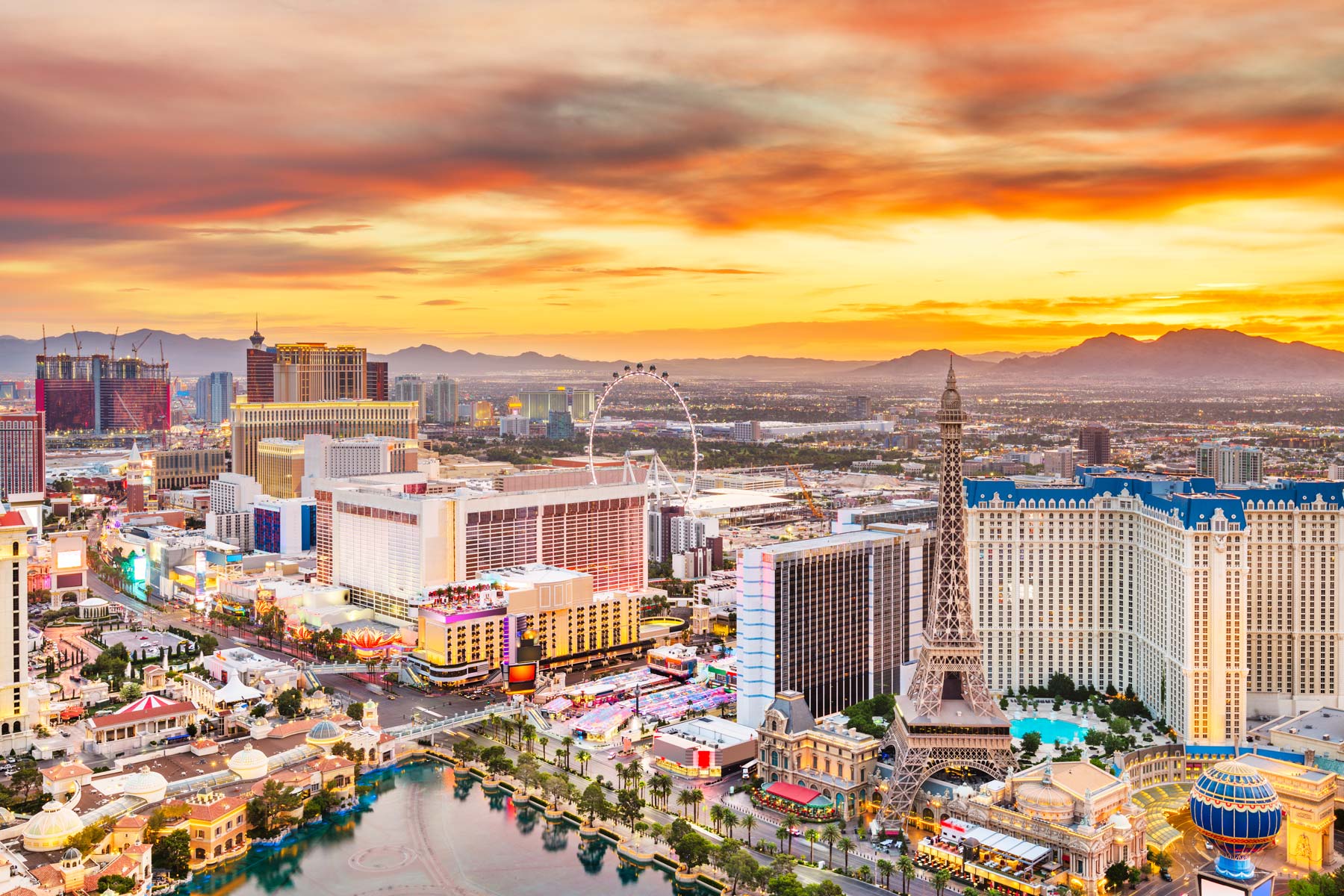
For most of the world, Las Vegas is synonymous with the neon glow of The Strip, high-stakes gaming, and world-class entertainment. However, beyond the localized chaos of the tourist corridor lies a sprawling, vibrant metropolis that over two million people call home. As more professionals and families look to escape the high costs of coastal cities in the United States, Nevada has become a primary destination for relocation. But is the “Entertainment Capital of the World” actually a sustainable place for a long-term lifestyle?
Transitioning from a visitor to a resident in the Mojave Desert requires a shift in perspective. To understand if this city is right for you, one must look past the luxury resorts like Bellagio or Caesars Palace and examine the suburban landscapes, the economic advantages, and the unique cultural fabric that defines life in Southern Nevada.
The Financial Landscape of Living in Southern Nevada
One of the most compelling arguments for moving to Las Vegas is the financial incentive. The state of Nevada offers a tax-friendly environment that is increasingly rare in the United States. This fiscal structure has turned the region into a magnet for entrepreneurs, remote workers, and retirees looking to maximize their purchasing power.
No State Income Tax and Lower Cost of Living
The absence of a state income tax is perhaps the biggest draw for residents. Unlike neighboring California, where state taxes can take a significant bite out of a paycheck, Nevada allows workers to keep more of their hard-earned money. This tax revenue is instead largely generated through the tourism and gaming industries centered around The Strip. Additionally, while inflation has affected every major city, the overall cost of living in Las Vegas remains more competitive than in cities like Los Angeles or San Francisco. Utilities, though higher in the summer due to air conditioning, are often offset by lower property taxes and general service costs.
Real Estate and Housing Trends
The housing market in Las Vegas has evolved from the volatile days of the 2008 recession into a more mature and diversified landscape. From modern high-rise condos overlooking Downtown Las Vegas to expansive suburban estates, there is a wide variety of inventory. While prices have risen significantly over the last decade, the value for money—in terms of square footage and lot size—is often superior to what is found in other Western metropolitan areas. Gated communities and master-planned developments are the norm here, providing a sense of security and aesthetic consistency that many residents appreciate.
Job Market and Economic Diversity
While the hospitality industry remains the backbone of the local economy, Las Vegas has made concerted efforts to diversify. The tech sector is growing, and the city is becoming a logistical hub for the Southwest. The presence of Harry Reid International Airport provides residents with easy access to global destinations, making it a viable home base for business travelers and digital nomads. Furthermore, the healthcare and education sectors are expanding to meet the needs of a growing population, providing professional opportunities outside of the casinos.
Neighborhoods and Residential Lifestyle Beyond the Neon
When people think of Las Vegas, they rarely picture lush parks, quiet cul-de-sacs, or community community centers. Yet, the residential side of the city is composed of highly curated neighborhoods designed for families and outdoor enthusiasts.
Summerlin: Master-Planned Excellence
Located on the western edge of the valley, Summerlin is often cited as one of the best places to live in the country. This massive master-planned community is nestled against the foothills of the Red Rock Canyon National Conservation Area. It features over 250 parks, miles of hiking trails, and several top-tier golf courses. The lifestyle in Summerlin is centered around the Downtown Summerlin area, an outdoor shopping and dining district that serves as the community’s social heart. For families, the area offers some of the highest-rated schools in the state, making it a premier choice for those seeking a traditional suburban lifestyle with a desert twist.
Henderson: Family-Oriented Suburbia
To the southeast lies Henderson, the second-largest city in Nevada. Often ranked as one of the safest cities in the United States, Henderson offers a slightly more relaxed pace than Las Vegas proper. Communities like Green Valley and Seven Hills provide luxury living with stunning views of the city lights. Henderson is also the gateway to outdoor recreation at Lake Mead and the Hoover Dam, offering a lifestyle that prioritizes water sports and desert exploration.
The Arts District and Downtown Revival
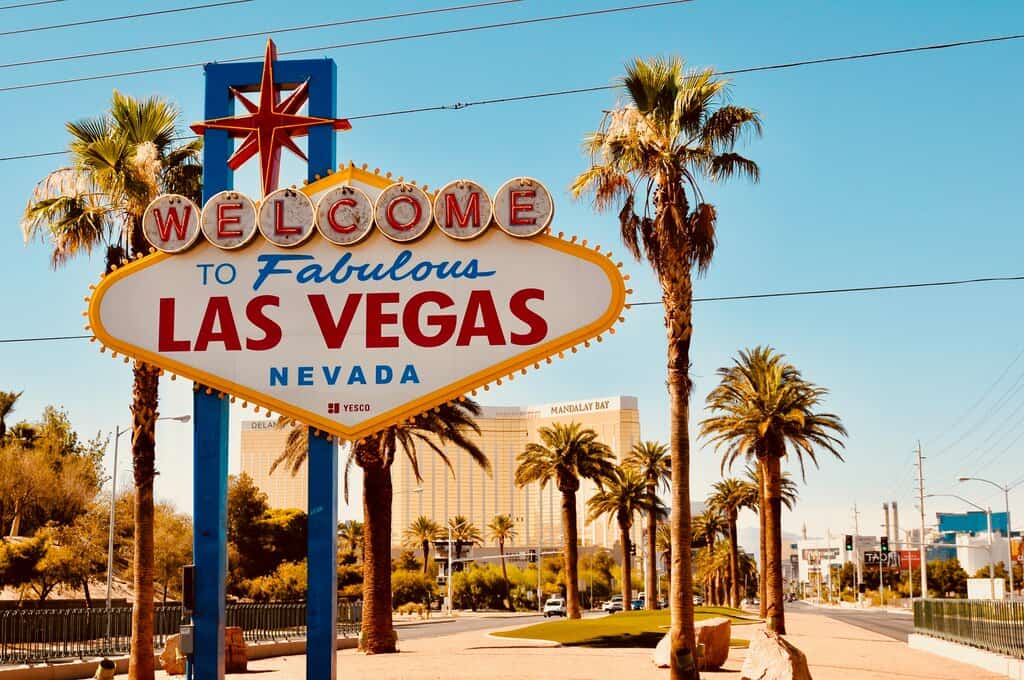
For those who prefer an urban, bohemian lifestyle, the Arts District and the revived Fremont Street area offer a different vibe. This is where the “local” culture truly shines, featuring independent coffee shops, art galleries, and craft breweries. Living in this part of Las Vegas allows residents to experience the city’s history while being at the forefront of its creative future. It is a stark contrast to the polished suburbs, catering to those who crave character and walkability.
Recreation and Entertainment: A Resident’s Perspective
One of the greatest perks of living in Las Vegas is that the world’s best entertainment is in your backyard. However, for residents, “entertainment” often means much more than just a show at the MGM Grand.
Outdoor Adventures and Natural Landmarks
One of the city’s best-kept secrets is its proximity to incredible natural beauty. Within a 30-minute drive, residents can be hiking the crimson peaks of Red Rock Canyon or skiing the slopes of Mount Charleston in the winter. The geographic location of Las Vegas also makes it the perfect “base camp” for weekend trips to Zion National Park, Bryce Canyon National Park, and the Grand Canyon. For the adventurous lifestyle, the desert offers an endless playground for mountain biking, rock climbing, and off-roading.
The Rise of Professional Sports
In recent years, the Las Vegas lifestyle has been transformed by the arrival of professional sports. The Vegas Golden Knights at T-Mobile Arena created a sense of community pride that the city had never seen before. This was followed by the Las Vegas Raiders moving into the state-of-the-art Allegiant Stadium. For residents, having access to NFL games, NHL games, and major sporting events like Formula 1 adds a layer of excitement that few other cities can match.
World-Class Dining for Locals
While tourists flock to the celebrity chef restaurants on The Strip, locals know that the best culinary experiences are often found in the strip malls of Chinatown on Spring Mountain Road. Las Vegas boasts one of the most diverse and high-quality food scenes in the United States. From authentic Ethiopian cuisine to world-class sushi, the food culture here is a major lifestyle draw. Many of the chefs who work in the big resorts live in the community and open their own “off-strip” eateries, offering gourmet quality at local prices.
Practical Considerations for Relocating
No city is perfect, and Las Vegas comes with its own set of challenges. Potential residents must weigh the glamorous perks against the practical realities of living in a high-desert environment.
Climate and Environmental Factors
The most obvious challenge is the heat. In July and August, temperatures regularly exceed 110 degrees Fahrenheit. While everywhere is equipped with powerful air conditioning, the summer months can be isolating as outdoor activity becomes limited to the early morning or late evening. Conversely, the remaining nine months of the year offer some of the most pleasant weather in the United States, with constant sunshine and low humidity. Water conservation is also a significant topic in Nevada, though Las Vegas is a global leader in water recycling and management, ensuring a sustainable future despite its desert location.
Education and Healthcare
Historically, Nevada has struggled with its education rankings. While there are excellent private and charter schools, the public school system in the Clark County School District faces challenges typical of rapidly growing urban areas. Similarly, while healthcare facilities are modern and expanding, some residents find that specialized medical care may require a trip to Phoenix or Los Angeles. However, with the opening of the UNLV School of Medicine, the region is seeing a significant influx of medical talent and improved services.

Transportation and Infrastructure
Las Vegas is primarily a car-dependent city. While the Las Vegas Monorail serves the tourist area, the rest of the valley relies on a network of highways like the Interstate 15 and the CC-215 Beltway. Traffic is manageable compared to New York City, but “The Cone Zone”—constant road construction to keep up with growth—is a permanent fixture of life here. On the plus side, the city’s layout is a grid, making it very easy to navigate once you understand the major landmarks.
Ultimately, whether Las Vegas is a good place to live depends on what you value. If you are looking for a tax-friendly state with endless sunshine, incredible food, and a front-row seat to the world’s best entertainment, it is hard to beat. The city has matured far beyond its “Sin City” roots, offering high-quality master-planned communities like Summerlin and Henderson that provide a safe and enriching environment for families. By embracing the desert lifestyle and the unique opportunities of a 24-hour city, many find that Las Vegas is not just a place to visit, but a place to thrive.
LifeOutOfTheBox is a participant in the Amazon Services LLC Associates Program, an affiliate advertising program designed to provide a means for sites to earn advertising fees by advertising and linking to Amazon.com. Amazon, the Amazon logo, AmazonSupply, and the AmazonSupply logo are trademarks of Amazon.com, Inc. or its affiliates. As an Amazon Associate we earn affiliate commissions from qualifying purchases.