
To the uninitiated, Las Vegas is often characterized solely by its neon lights and bustling casino floors. However, for the seasoned traveler, this oasis in the Mojave Desert represents one of the most complex and multifaceted destinations on the planet. Located in the southern tip of Nevada in the United States, the city has evolved from a remote railroad whistle-stop into a global powerhouse of tourism, culinary excellence, and architectural ambition.
Understanding what makes Las Vegas so unique requires looking beyond the surface-level glitz. It is a city of “the biggest” and “the best,” a place where the Eiffel Tower stands within walking distance of the canals of Venice and the pyramids of Egypt. This guide explores the diverse layers of the city, offering insights into why millions of visitors flock to this desert playground every year.
The Evolution of the Las Vegas Strip
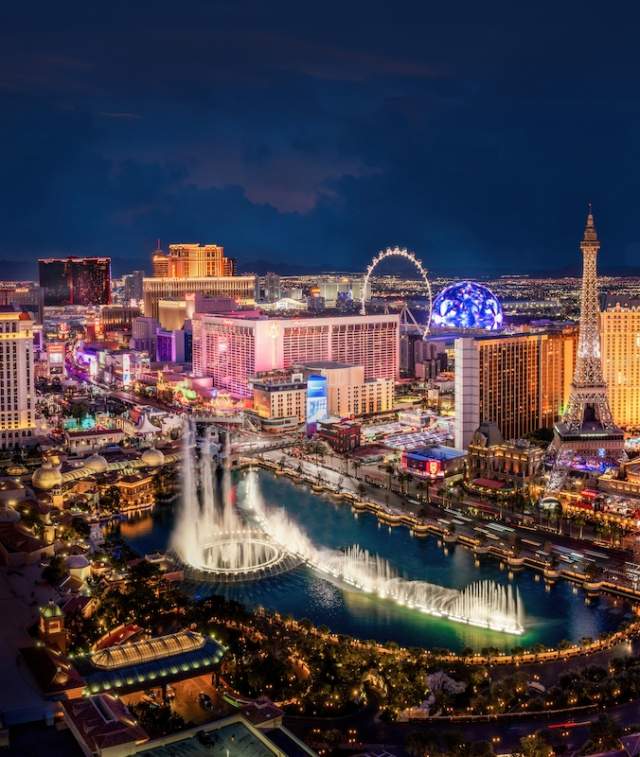
The heartbeat of the city’s travel appeal is undoubtedly The Strip. Formally known as Las Vegas Boulevard, this stretch of road is home to the highest concentration of resort-style hotels in the world. It is a place where architecture is used as storytelling, creating an immersive environment that transports guests to different times and places.
Architectural Marvels and Immersive Themes
As you traverse The Strip, the sheer scale of the properties is breathtaking. The Luxor Hotel, with its iconic black pyramid and the world’s strongest light beam, serves as a testament to the city’s love for the dramatic. Nearby, The Excalibur recreates a medieval castle, while New York-New York Hotel & Casino features a skyline that mimics Manhattan, complete with a roller coaster weaving through the skyscrapers.
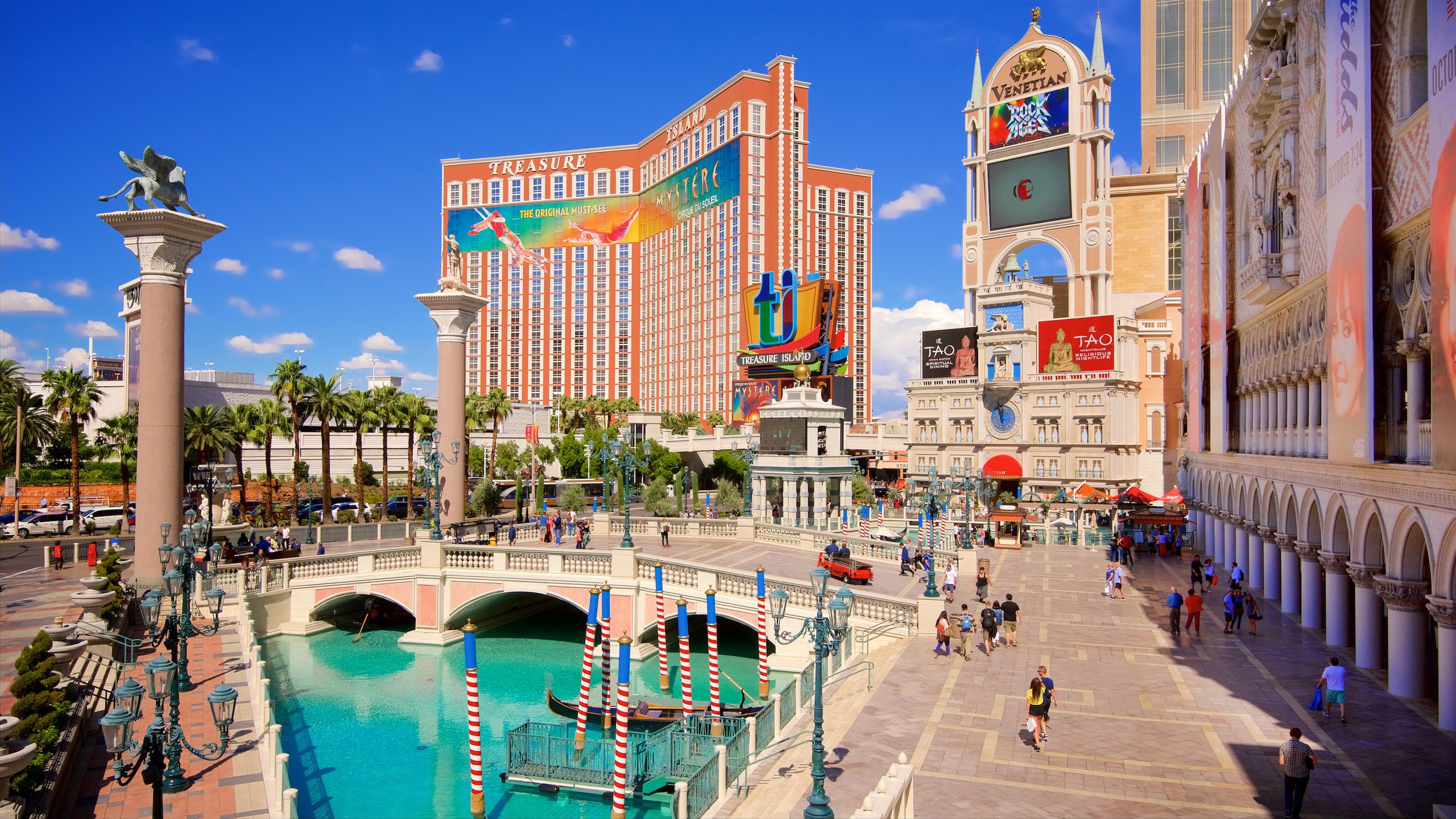
Perhaps the most refined examples of this architectural storytelling are found at The Venetian and Caesars Palace. At The Venetian, travelers can ride an authentic gondola through outdoor and indoor canals, passing under replicas of the Rialto Bridge. Caesars Palace, on the other hand, offers a sprawling tribute to the Roman Empire, featuring statues, marble columns, and the massive Forum Shops. These resorts are not just places to sleep; they are self-contained ecosystems designed to keep visitors entertained for days on end.
The Hub of Global Entertainment
While the buildings themselves are attractions, the entertainment held within them is what truly defines the city. Las Vegas has become the residency capital of the world. Iconic venues like the Colosseum at Caesars Palace and the Dolby Live at Park MGM host international superstars.
The city is also the spiritual home of Cirque du Soleil. Shows such as O at the Bellagio and Ka at the MGM Grand redefine the limits of human performance and stage engineering. In recent years, the addition of the Sphere has pushed these boundaries even further. This massive, spherical structure is covered in LEDs and provides an immersive audio-visual experience that is unlike anything else in the world of travel.
Beyond the Neon: Cultural and Natural Wonders
Many visitors are surprised to learn that Las Vegas offers significant cultural depth and access to some of the most stunning natural landscapes in North America. Moving away from the main tourist corridor reveals a different side of the city that is rich in history and rugged beauty.
The Historic Heart of Downtown Las Vegas
Before The Strip rose to prominence, Fremont Street was the center of the action. Today, Downtown Las Vegas has undergone a massive revitalization. The Fremont Street Experience is a pedestrian mall covered by a massive LED canopy known as Viva Vision, which hosts nightly light shows.
History buffs should not miss the Neon Museum, often called the “Neon Boneyard,” where the city’s retired signs are preserved. It offers a nostalgic look at the graphic design and history of Old Las Vegas. Similarly, the Mob Museum, officially the National Museum of Organized Crime and Law Enforcement, provides a professional and gripping look at the city’s darker past and its role in the wider history of the United States.
Red Rock Canyon and the Mojave Desert Landscape
For those who need a break from the constant sensory input of the city, the Red Rock Canyon National Conservation Area is located just 15 miles west of the city. This area features towering crimson sandstone cliffs and a variety of hiking trails that showcase the native flora and fauna of the Mojave Desert.

A slightly longer drive takes travelers to the Hoover Dam, an engineering marvel of the 20th century located on the border of Nevada and Arizona. It impounds Lake Mead, the largest reservoir in the country by volume. Furthermore, Las Vegas serves as a primary gateway for excursions to the Grand Canyon, with many companies offering helicopter tours that depart directly from the city, providing a bird’s-eye view of the Colorado River.
The Modern Las Vegas Experience
The modern identity of the city has shifted significantly in the last two decades. While gaming remains a component, the primary drivers of tourism are now gastronomy, luxury retail, and high-tech attractions.
High-End Gastronomy and Celebrity Chefs
Las Vegas has transformed into a world-class culinary destination. It is one of the few places where you can find restaurants from almost every Michelin star-rated chef in the world. From the refined French cuisine of Joel Robuchon at MGM Grand to the vibrant atmosphere of Gordon Ramsay Hell’s Kitchen outside Caesars Palace, the diversity of food is staggering.
The city also celebrates “fusion” and “concept” dining. Places like Area15 offer experiential dining and art installations, such as Meow Wolf’s Omega Mart, which blurs the lines between a supermarket and a psychedelic art gallery. Whether you are looking for a $20 steak or a $500 tasting menu, the city caters to every palate and budget.
Thrill-Seeking and High-Altitude Attractions
For adrenaline junkies, the city offers several unique experiences. The Stratosphere Tower, the tallest freestanding observation tower in the United States, features rides that dangle passengers over the edge of the building, hundreds of feet above the ground. If you prefer a more controlled ascent, the High Roller observation wheel at The Linq offers a 30-minute revolution with panoramic views of the entire valley.
The city’s sports scene has also exploded. With the arrival of the Vegas Golden Knights at T-Mobile Arena and the Las Vegas Raiders at the ultra-modern Allegiant Stadium, the city has become a major destination for sports fans. This transition into a professional sports hub has added a new dimension to the “weekend in Vegas” experience.
Planning Your Excursion to the Silver State
Navigating a trip to Las Vegas requires some strategic planning to ensure the best possible experience. The city is designed to be walkable in sections, but the scale is often deceiving.
Seasonal Considerations for Travelers
The climate in southern Nevada is a major factor in planning. Summers can be intensely hot, with temperatures frequently exceeding 100 degrees Fahrenheit (38 degrees Celsius). During these months, the city’s social life revolves around its world-famous pool scenes, such as Encore Beach Club or the Garden of the Gods Pool Oasis.
The shoulder seasons—spring (March to May) and fall (September to November)—offer the most pleasant weather for walking The Strip or exploring Red Rock Canyon. Winters are generally mild but can be surprisingly chilly once the sun sets over the desert, so packing layers is essential.
Navigating Transportation and Local Logistics
Most travelers arrive via Harry Reid International Airport, which is conveniently located just minutes from The Strip. Once in the city, the Las Vegas Monorail provides an efficient way to travel between major resorts without dealing with traffic. Additionally, the Deuce bus service runs 24/7 along Las Vegas Boulevard, connecting the major resorts with Downtown Las Vegas.
For a unique transport experience, the Vegas Loop by The Boring Company is an underground tunnel system that uses Tesla vehicles to transport guests around the Las Vegas Convention Center and to certain nearby resorts like Resorts World Las Vegas.
In conclusion, Las Vegas is far more than a simple destination; it is a meticulously crafted world of escapism. It offers a blend of high-octane entertainment, world-class dining, historical intrigue, and natural wonder. Whether you are there to witness the dancing Bellagio Fountains, explore the depths of the Grand Canyon, or simply enjoy the luxury of a Wynn Las Vegas suite, the city provides an experience that is impossible to replicate elsewhere. It truly is the “Entertainment Capital of the World,” constantly reinventing itself to ensure that no two visits are ever exactly the same.
LifeOutOfTheBox is a participant in the Amazon Services LLC Associates Program, an affiliate advertising program designed to provide a means for sites to earn advertising fees by advertising and linking to Amazon.com. Amazon, the Amazon logo, AmazonSupply, and the AmazonSupply logo are trademarks of Amazon.com, Inc. or its affiliates. As an Amazon Associate we earn affiliate commissions from qualifying purchases.