
When travelers prepare to visit Las Vegas, the first question that often comes to mind isn’t just about the odds at the blackjack table, but rather: “What is the weather today in Las Vegas, Nevada?” Situated in the heart of the Mojave Desert, this world-renowned city is famous for its extreme temperatures, brilliant sunshine, and surprisingly cool winter nights. Understanding the climate is not merely a matter of checking a thermometer; it is the foundation of planning a successful trip to the Entertainment Capital of the World.
The weather in the United States varies wildly, but Southern Nevada offers a unique arid environment that dictates everything from local culture and attire to the best times to visit iconic landmarks. Whether you are walking along The Strip or embarking on a hiking expedition at Red Rock Canyon National Conservation Area, the meteorological conditions will define your experience.
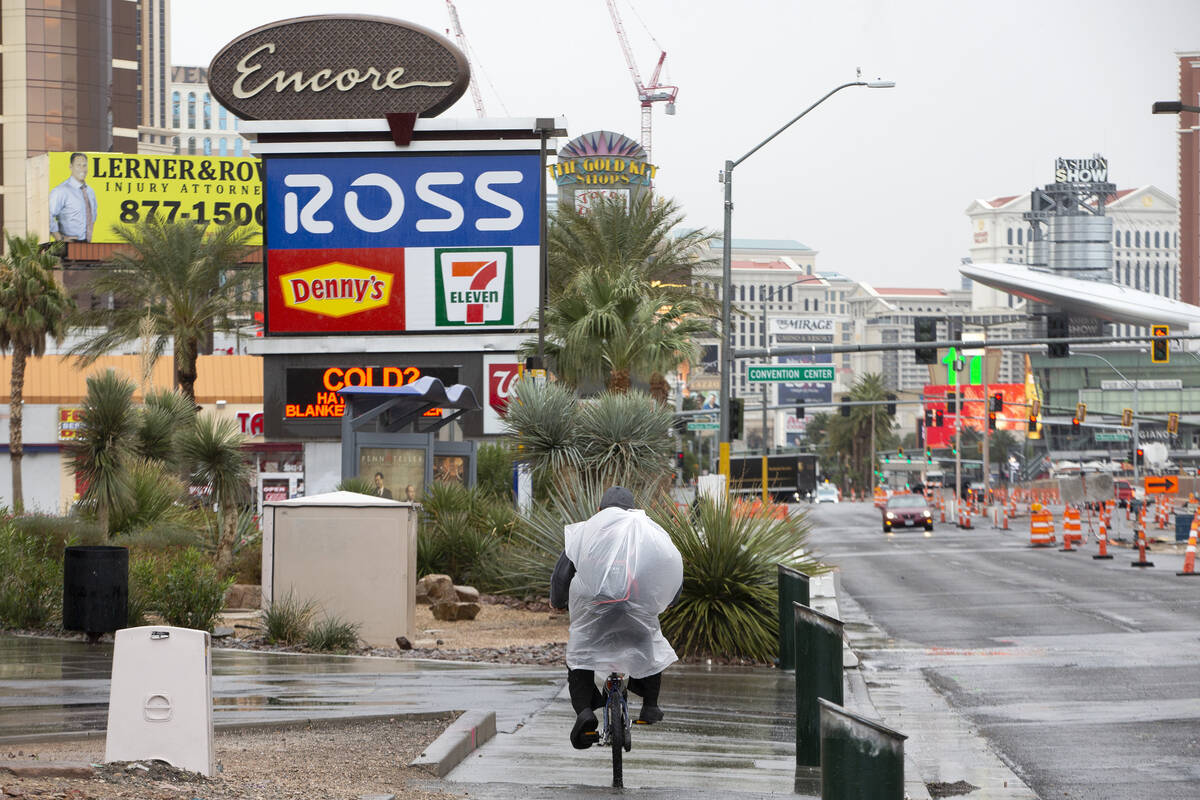
The Seasonal Rhythms of the Mojave Desert
To understand what the weather is today, one must first understand the broader seasonal patterns that govern Las Vegas. The city experiences more than 300 days of sunshine a year, making it a reliable destination for those seeking to escape the gloom of wetter climates. However, the desert is a land of extremes.
The Intensity of a Desert Summer
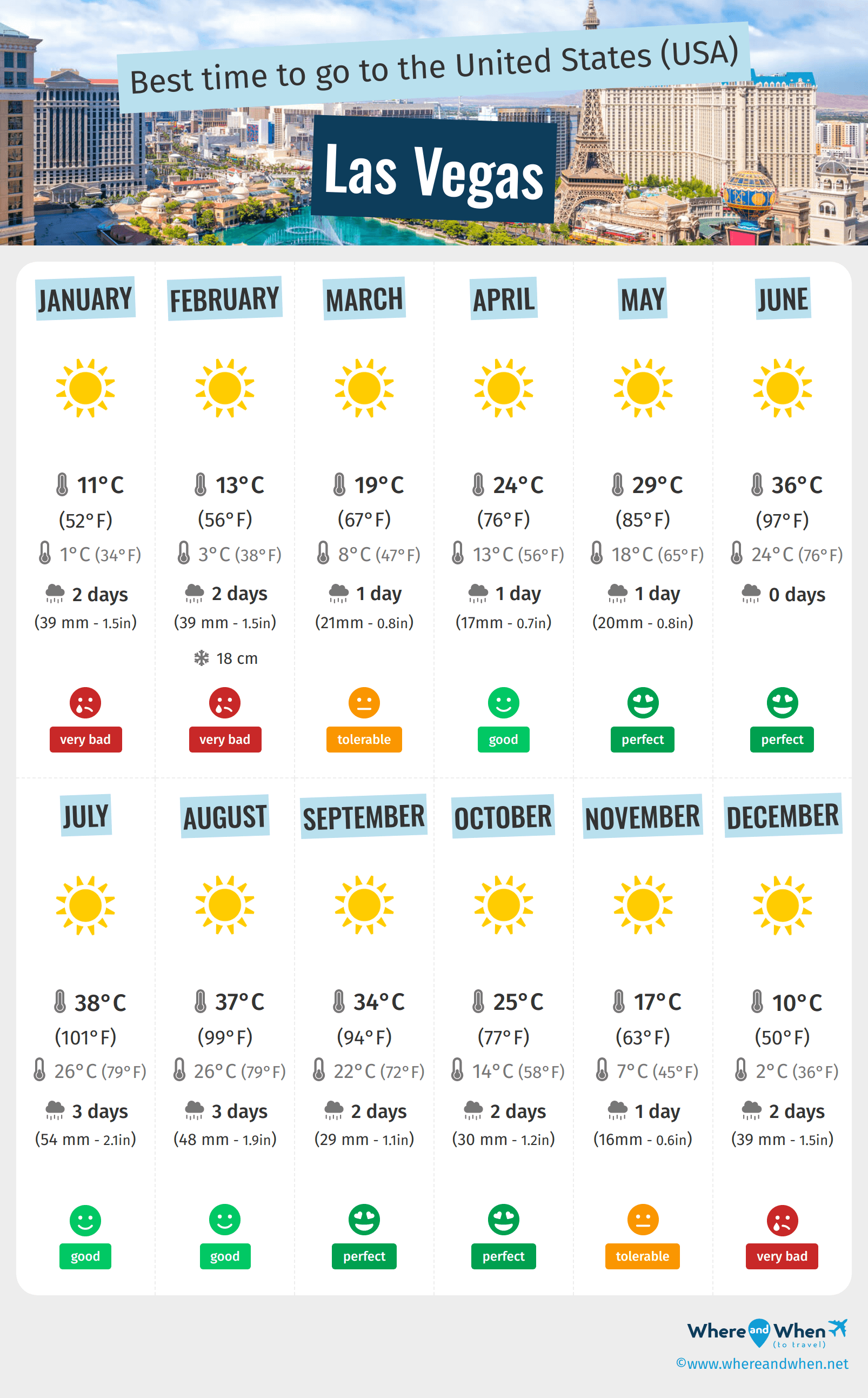
From June through August, the weather in Nevada is characterized by intense heat. Temperatures frequently soar above 100°F (38°C), and it is not uncommon for the mercury to hit 110°F or higher during peak summer months. This heat is “dry,” meaning there is very little humidity, which can make it feel more bearable than tropical heat but also increases the risk of dehydration. During this time, tourism shifts toward the massive resort pools and climate-controlled interiors of places like Caesars Palace and MGM Grand.
The Mild and Crisp Winters
Conversely, winter in Las Vegas is remarkably pleasant for sightseeing. From December to February, daytime highs typically hover around 55°F to 65°F (13°C to 18°C). While the days are sunny and mild, the desert loses its heat rapidly once the sun sets. Nighttime temperatures can drop near freezing, requiring visitors to pack layers. This is the ideal time for exploring the Fremont Street Experience without the oppressive summer sun.
The Monsoon Season and Flash Floods
A little-known fact for many tourists is that Las Vegas has a monsoon season. Usually occurring between July and September, moist air from the Gulf of Mexico or Gulf of California can trigger sudden, violent thunderstorms. While these storms provide a spectacular light show over the Stratosphere Tower, they can also cause dangerous flash floods. Local culture adapts during these times, as residents and savvy travelers know to avoid low-lying areas and desert washes.
Activities Tailored to the Forecast
Because the weather plays such a significant role in Las Vegas tourism, knowing the daily forecast allows you to choose activities that maximize comfort and enjoyment. The city is designed to cater to guests regardless of whether it is a scorching afternoon or a chilly evening.
Outdoor Wonders and Nature Escapes
When the weather today is mild—specifically during the spring and autumn months—the natural beauty surrounding the city becomes the primary attraction. Valley of Fire State Park offers stunning red sandstone formations that are best explored when temperatures are between 60°F and 80°F. Similarly, a trip to Hoover Dam or a boat ride on Lake Mead is far more enjoyable when the sun is not at its peak intensity.
For those looking to venture further, Death Valley National Park in nearby California is a popular day trip, but it requires strict attention to the weather. As one of the hottest places on Earth, visiting during the summer is strictly for the adventurous and well-prepared. Meanwhile, a trip to the Grand Canyon in Arizona often features cooler temperatures than Las Vegas due to its higher elevation, making it a perfect escape during a hot Nevada day.
Navigating the Urban Heat Island
On days when the thermometer climbs into the triple digits, the best tourism strategy is to embrace the “indoor” culture of the city. The architectural marvels of The Venetian and Wynn Las Vegas provide miles of climate-controlled walkways, shopping malls, and dining experiences. You can watch the Bellagio Fountains from the comfort of a window-side restaurant or take a ride on the High Roller observation wheel, which features air-conditioned cabins for a panoramic view of the desert landscape.
Essential Tips for the Las Vegas Traveler
Navigating the Las Vegas weather requires more than just an umbrella; it requires a strategy for health, comfort, and style. The dry air and high altitude (about 2,000 feet above sea level) can catch many visitors off guard.
Staying Hydrated in the High Desert
The most important tip for anyone visiting Nevada is to stay hydrated. The lack of humidity means your body loses moisture through perspiration that evaporates almost instantly, often before you even realize you are sweating. Even if you are spending most of your time in a resort like the Luxor Hotel, the walk between properties can be taxing. Always carry water, and remember that alcohol and caffeine—staples of the Vegas experience—can accelerate dehydration.
Dressing for the “Vegas Transition”
Packing for Las Vegas can be tricky because of the contrast between the outdoor heat and the indoor air conditioning. Resorts keep their interiors very cool to combat the desert sun.
- Daytime: Lightweight, breathable fabrics and comfortable walking shoes are essential.
- Evening: If you are heading to a fine-dining establishment at Circa Resort & Casino, you may need a light blazer or shawl.
- Winter: A medium-weight jacket is necessary for nighttime strolls along the Las Vegas Boulevard.
Sun Protection and Skin Care
The sun in Southern Nevada is exceptionally strong. Sunscreen is a non-negotiable item, even on cloudy days or during the winter. A wide-brimmed hat and high-quality sunglasses will also protect you while viewing the sights at Mount Charleston, which can actually offer a snowy retreat during the winter months, proving that Nevada is more than just sand and heat.
Weather and the Local Cultural Calendar
The weather today in Las Vegas doesn’t just dictate what you wear; it dictates what is happening in the city. The local culture is deeply intertwined with the climate, leading to a calendar full of weather-dependent events.
Pool Season and Dayclubs
In Las Vegas, “Pool Season” is a cultural phenomenon that typically runs from March through October. This is when the city’s world-famous dayclubs and beach clubs open their doors. During these months, the weather is the primary draw, as tourists flock to venues like the Encore Beach Club to enjoy world-class DJs in a sun-drenched setting.
Outdoor Festivals and Sports
As the weather cools in the fall, Las Vegas becomes a hub for outdoor festivals and sporting events. The mild temperatures are perfect for the Life Is Beautiful Music & Art Festival held in Downtown Las Vegas. Additionally, the city has become a major sports destination, and while the Allegiant Stadium is climate-controlled, the outdoor tailgating culture thrives in the pleasant autumn air.

The Beauty of the Desert Night
There is a specific cultural magic to a Las Vegas night when the weather is “just right.” When the dry heat of the day fades into a balmy evening, the city truly comes alive. This is the best time to visit the Neon Museum or take a walking tour of the historic areas. The clear desert skies often allow for incredible stargazing if you drive just a few miles away from the bright lights of the city toward Sloan Canyon National Conservation Area.
In conclusion, when you ask “What is the weather today in Las Vegas, Nevada?”, you are tapping into the heartbeat of the city. Whether you are navigating the scorching heights of July or the crisp, cool evenings of January, the weather is an integral part of the Vegas story. By understanding the rhythms of the Mojave Desert, respecting the power of the sun, and planning your activities according to the forecast, you can ensure that your visit to this desert oasis is nothing short of spectacular. From the glittering lights of The Strip to the ancient rocks of Red Rock Canyon, the weather is your guide to discovering the best that Southern Nevada has to offer.
LifeOutOfTheBox is a participant in the Amazon Services LLC Associates Program, an affiliate advertising program designed to provide a means for sites to earn advertising fees by advertising and linking to Amazon.com. Amazon, the Amazon logo, AmazonSupply, and the AmazonSupply logo are trademarks of Amazon.com, Inc. or its affiliates. As an Amazon Associate we earn affiliate commissions from qualifying purchases.