
While the neon lights of the Las Vegas Strip and the bustling energy of the Fremont Street Experience define the city’s global reputation, the surrounding Mojave Desert landscape offers some of the most spectacular travel experiences in the United States. For travelers looking to escape the slot machines and choreographed fountains, the region surrounding Las Vegas is a treasure trove of geological wonders, historical landmarks, and artistic installations. Exploring these destinations provides a profound sense of scale and history that contrasts beautifully with the ephemeral nature of the city’s casinos.
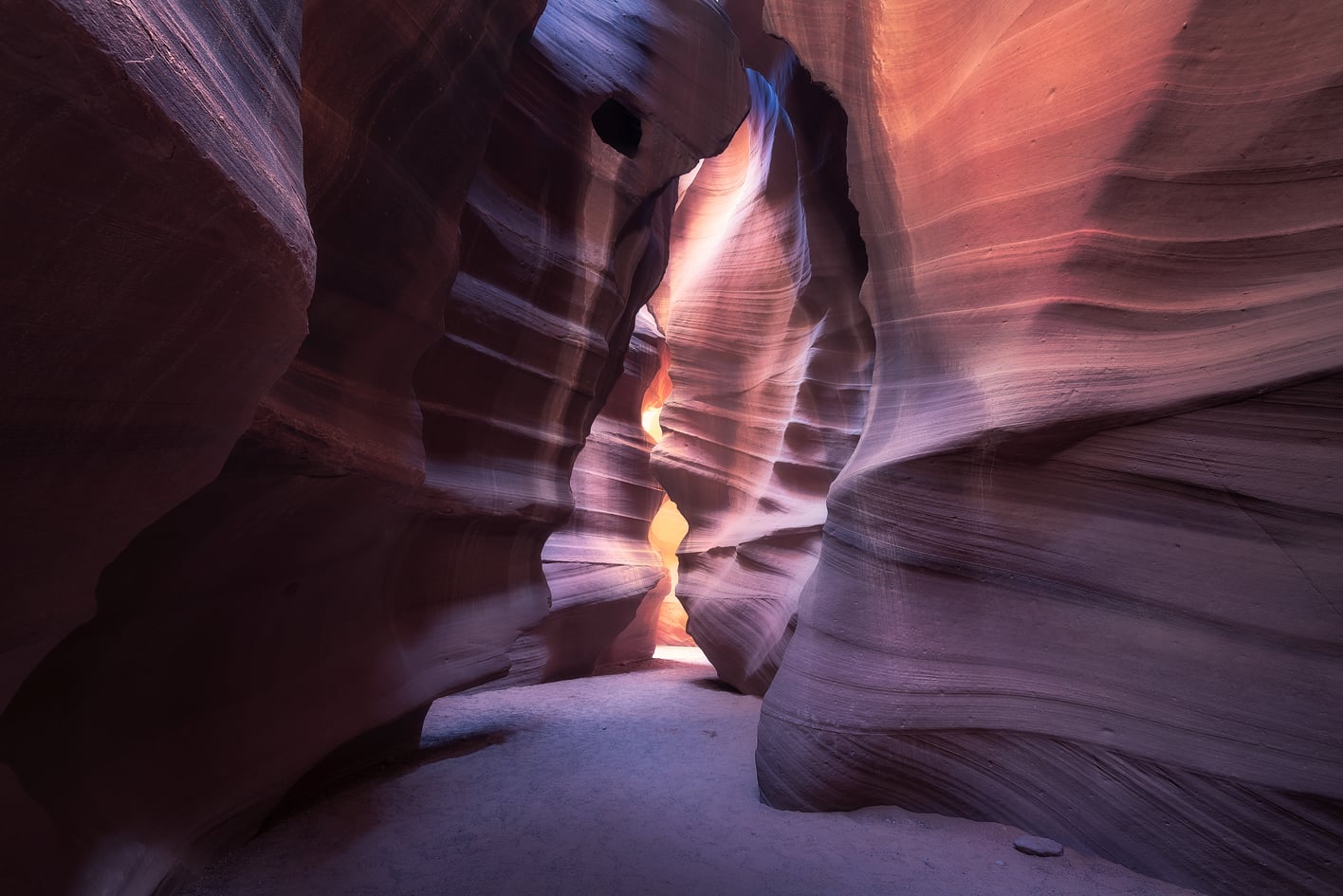
Immersion in the Crimson Landscapes: State and National Parks
The geological history of Nevada is written in vibrant shades of red, orange, and gold. Within a short drive of the city center, travelers can find themselves surrounded by ancient rock formations that look like they belong on another planet.
Red Rock Canyon National Conservation Area
Located just 15 miles west of the city, Red Rock Canyon National Conservation Area is the most accessible natural escape for those staying in Las Vegas. The area is famous for its towering red sandstone peaks and the Keystone Thrust Fault, a geological feature where older limestone has been pushed over younger sandstone.
The primary way to experience this park is via the 13-mile scenic loop drive, which offers numerous pullouts for photography and trailheads for hikers of all levels. The Calico Hills section is particularly striking, featuring bright red dunes that have solidified into stone over millions of years. For the adventurous traveler, the park offers world-class rock climbing and hidden seasonal waterfalls at Ice Box Canyon.
Valley of Fire State Park
For those willing to drive about an hour northeast, Valley of Fire State Park offers a landscape that is arguably even more dramatic. As the oldest state park in Nevada, it contains some of the most significant petroglyphs in the region, left behind by the Ancestral Puebloans.
Key highlights include Atlatl Rock, where ancient rock art is easily visible via a staircase, and the Fire Wave, a stunning sandstone formation with swirling interchanging stripes of red and white. The drive through Rainbow Vista provides a panoramic view of the multi-colored desert floor, making it a favorite for professional photographers and nature enthusiasts alike.
Grand Canyon National Park
No trip to this part of the world is complete without mentioning Grand Canyon National Park. While the South Rim is a longer haul from the city, the Grand Canyon West rim is located in Arizona and is manageable as a day trip. This section is managed by the Hualapai Tribe and features the world-famous Skywalk, a horseshoe-shaped glass bridge that extends 70 feet out over the rim, offering a terrifying but exhilarating view 4,000 feet down to the Colorado River. The sheer scale of the canyon is a humbling experience that provides a stark contrast to the man-made verticality of the Las Vegas skyline.
Architectural Marvels and Human Ingenuity
In addition to the natural beauty of the desert, the area near Las Vegas is home to some of the most significant engineering feats of the 20th century. These sites offer a deep dive into the industrial history that allowed the American West to flourish.
Hoover Dam and the Mike O’Callaghan-Pat Tillman Memorial Bridge
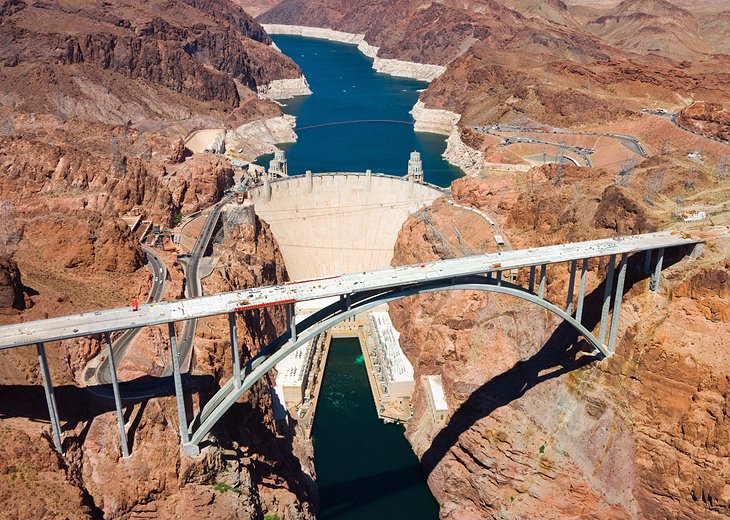
Straddling the border between Nevada and Arizona, Hoover Dam is a masterpiece of Art Deco design and civil engineering. Built during the Great Depression, it tamed the Colorado River and created Lake Mead, the largest reservoir in the country by volume.
Visitors can take guided tours into the depths of the dam to see the massive generators or walk across the top to see the intake towers. For the best view of the dam itself, travelers should walk across the Mike O’Callaghan-Pat Tillman Memorial Bridge. This bridge sits 840 feet above the Black Canyon and provides a breathtaking perspective of the dam’s massive concrete curvature.
Boulder City: The Town That Built the Dam
Located just a few miles from the dam, Boulder City is a unique destination in its own right. It was originally established as a federal company town to house the workers building the dam. Interestingly, it is one of only two cities in Nevada that prohibits gambling. The historic district is filled with charming boutiques, antique shops, and the Boulder Dam Hotel. A visit here feels like stepping back into the 1930s, offering a quiet, wholesome atmosphere that is the antithesis of the city’s gambling halls.
Lake Mead National Recreation Area
Surrounding the waters created by the dam, the Lake Mead National Recreation Area offers a vast playground for water-based travel. From boating and jet skiing to fishing in the deep blue waters of the desert, it is a vital oasis. Travelers can also explore the Railroad Pass hiking trails or visit the submerged ruins of old towns like St. Thomas when water levels are low, providing a haunting glimpse into the region’s past.
Extreme Environments and Artistic Expressions
The desert has long been a canvas for both nature’s extremes and human creativity. Those willing to venture a bit further will find landscapes that challenge the senses and art that defies the isolation of its surroundings.
Death Valley National Park: The Land of Extremes
Across the border in California, Death Valley National Park is a place of superlatives. It is the hottest, driest, and lowest national park in the United States. A day trip from Las Vegas allows travelers to stand at Badwater Basin, which sits at 282 feet below sea level and is covered in a vast expanse of white salt flats.
Other must-see spots within the park include Zabriskie Point, famous for its eroded golden badlands, and Artist’s Palette, where volcanic deposits have stained the mountainsides in hues of pink, green, and purple. The Mesquite Flat Sand Dunes offer a classic desert vista, especially at sunrise or sunset when the shadows lengthen across the sand.
Seven Magic Mountains: A Modern Desert Totem
For a more contemporary travel experience, the Seven Magic Mountains is a large-scale public art installation located in the Ivanpah Valley. Created by Swiss artist Ugo Rondinone, the installation consists of seven towers of colorful, stacked boulders standing more than thirty feet high. The neon colors of the rocks pop brilliantly against the muted browns and tans of the desert and the blue sky, making it one of the most photographed spots near Las Vegas. It serves as a creative bridge between the artificial vibrance of the city and the natural stillness of the Mojave Desert.
High-Altitude Escapes and Subterranean Secrets
Most people associate the area near Las Vegas with blistering heat, but a short drive can lead to alpine forests or eerie, abandoned mining towns that tell a different story of the American West.
Mount Charleston and the Spring Mountains
Rising high above the desert floor, Mount Charleston is the highest peak in the Spring Mountains and provides a cool refuge from the summer heat. Located within the Humboldt-Toiyabe National Forest, the temperatures here can be 20 to 30 degrees cooler than in the valley.
In the winter, Lee Canyon offers skiing and snowboarding, while the summer months are perfect for hiking among the ancient Bristlecone Pines, some of the oldest living organisms on Earth. The transition from cacti and creosote to ponderosa pines and white firs within a 45-minute drive is one of the most surprising geographical shifts in the region.
Nelson Ghost Town and Eldorado Canyon
For travelers interested in “Old West” history and photography, Nelson Ghost Town in Eldorado Canyon is an essential stop. This area was the site of the first major gold strike in Nevada and was once a lawless outpost. Today, the Techatticup Mine offers tours into the old shafts where gold and silver were once extracted.
The surface is a “photographer’s graveyard” of vintage cars, dilapidated wooden buildings, and even a crashed plane prop from a movie set. It captures the gritty, adventurous spirit of the mining era and provides a fascinating look at the boom-and-bust cycles that have shaped the history of Nevada.
Sloan Canyon National Conservation Area
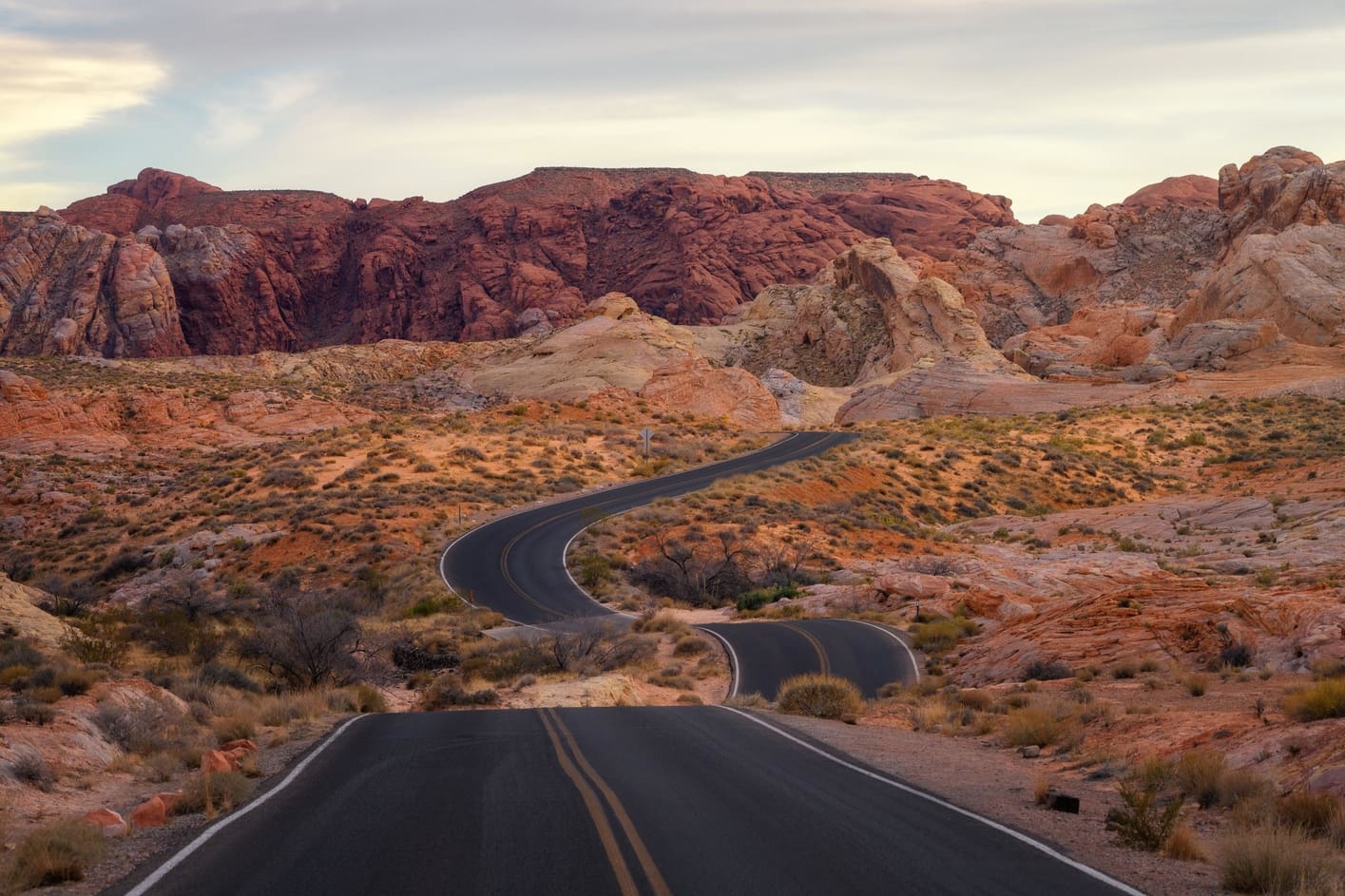
Often overlooked in favor of its more famous red-rock neighbor, Sloan Canyon National Conservation Area is located near the suburb of Henderson. It is best known for the Sloan Canyon Petroglyph Site, which contains more than 300 rock art panels. These ancient carvings represent a variety of styles and cultures, offering a quiet place for reflection on the long human history of the Mojave Desert. The hiking trails here wind through volcanic rock canyons, providing a starkly different aesthetic from the sandstone formations found elsewhere.
In conclusion, while the city of Las Vegas provides world-class entertainment, the true breadth of the travel experience in this region is found in the wild spaces beyond the city limits. From the depths of Death Valley National Park to the snowy peaks of Mount Charleston, the diversity of the landscape is as vast as it is beautiful. Whether you are an avid hiker, a history buff, or an art lover, the treasures near Las Vegas offer a compelling reason to rent a car and head out into the desert sun.
LifeOutOfTheBox is a participant in the Amazon Services LLC Associates Program, an affiliate advertising program designed to provide a means for sites to earn advertising fees by advertising and linking to Amazon.com. Amazon, the Amazon logo, AmazonSupply, and the AmazonSupply logo are trademarks of Amazon.com, Inc. or its affiliates. As an Amazon Associate we earn affiliate commissions from qualifying purchases.