
The allure of a tropical escape often leads travelers to contemplate destinations separated by a mere stretch of water, yet worlds apart in culture and experience. Among the most intriguing of these is the relationship between Florida, the Sunshine State of the USA, and the vibrant, enigmatic island nation of Cuba. Despite their historical complexities and distinct political landscapes, their geographical proximity makes them fascinating subjects for those dreaming of adventures across the Caribbean Sea. The question “How far is Florida to Cuba?” is more than just a query about nautical miles; it opens the door to understanding travel logistics, cultural immersion, and the unique appeal of both destinations. This article will delve into the precise distances, explore the various ways to travel between them, and guide you through the rich tapestry of experiences awaiting on either side of this narrow strait, touching upon everything from luxurious resorts to authentic local charm.
The Proximity Paradox: Unpacking the Distance
At first glance, Florida and Cuba appear to be neighbors, almost within sight of each other. This visual perception isn’t far from the truth, particularly when considering the southernmost tip of Florida. However, understanding the exact distance and what it means for travel requires a closer look at both the straight-line measurements and the practicalities of making the journey.
Straight-Line vs. Practical Travel Distance
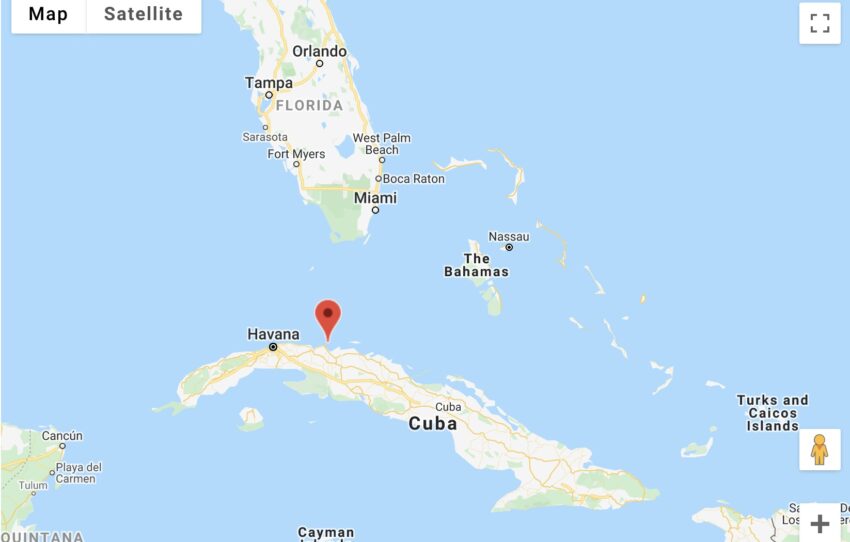
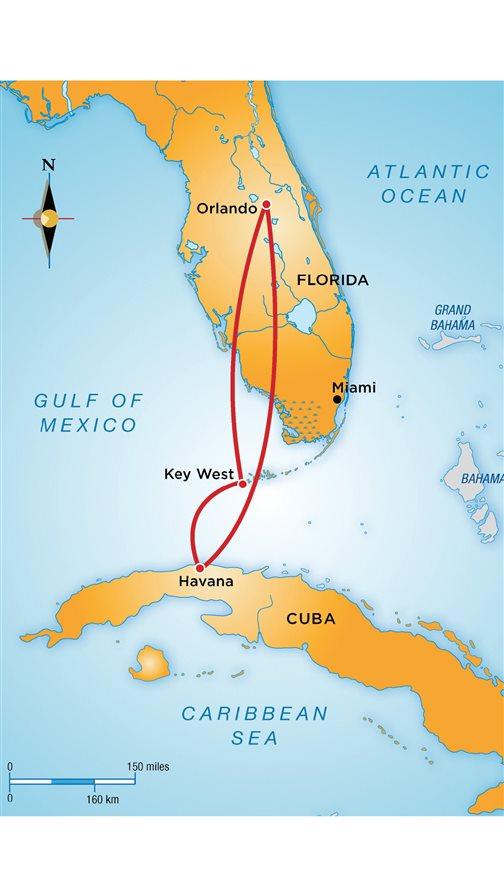
Geographically, the closest point between Florida and Cuba is remarkably short. From Key West, the southernmost point of the Florida Keys, to Havana, the capital city of Cuba, the distance is approximately 90 nautical miles, or about 103 land miles (166 kilometers). This narrow strait is often referred to as the Florida Straits.
While 90 miles might seem like a stone’s throw, especially for experienced sailors, practical travel involves much more than just a straight line across the water. For travelers departing from other major Florida cities, the total journey naturally extends. For instance, from Miami to Havana, the distance increases slightly to around 230 miles (370 km) by air. From Fort Lauderdale or Orlando, the distances are comparable, making air travel the most common and efficient method for most visitors. Understanding this distinction between direct geographical proximity and actual travel routes is crucial for planning any trip.
Navigating the Waters: Travel Options
Historically, the waters between Florida and Cuba have seen everything from ancient seafaring vessels to modern ferries and private boats. In the past, passenger ferry services operated between Key West and Havana, and even from Miami, offering a direct sea route for travelers. However, due to shifting political relations and regulations, these services have been largely intermittent or suspended for long periods. Today, direct ferry travel is not a regularly available option for general tourism from the USA to Cuba.
For the vast majority of international travelers, air travel is the primary, most convenient, and often the only authorized method to reach Cuba from Florida. Major airlines offer direct flights from Miami International Airport (MIA), Fort Lauderdale-Hollywood International Airport (FLL), and occasionally from Orlando International Airport (MCO) to José Martí International Airport (HAV) in Havana. Flight times are remarkably short, typically ranging from 45 minutes to just over an hour, underscoring the true geographical closeness.
Cruises once offered a popular avenue for travelers to visit Cuba from Florida, with many itineraries including stops in Havana or other Cuban ports. These provided a unique way to experience the island, often combined with other Caribbean destinations, all while enjoying the amenities of a modern cruise ship. However, US government policies have, at various times, restricted or prohibited cruise travel to Cuba, making this option subject to political fluctuations. Travelers interested in cruising to Cuba should always check the latest travel advisories and regulations before booking. Despite these restrictions, the proximity still makes Cuba an appealing destination for tour operators and cruise lines should policies permit.
A Tale of Two Cultures: Experiencing Florida and Cuba
While geographically close, Florida and Cuba offer vastly different cultural experiences, each rich in its own history, traditions, and modern influences. Understanding these distinctions is key to appreciating the unique journey each destination provides.
Florida’s Sunshine and Diversity
Florida is a melting pot of cultures, heavily influenced by its proximity to Latin America and the Caribbean. Miami stands out as a prime example, with its vibrant Cuban influence particularly evident in Little Havana. Here, visitors can immerse themselves in Cuban coffee, cigars, music, and cuisine, almost feeling as if they’ve stepped onto the streets of Havana itself. The Art Deco Historic District of South Beach offers stunning architecture, upscale dining, and a glamorous nightlife, reflecting Miami’s cosmopolitan appeal.
Further south, Key West offers a distinctly laid-back island vibe, characterized by colorful conch houses, quirky bars, and a rich history connected to literary figures like Ernest Hemingway, whose former residence, the Ernest Hemingway House, is now a popular landmark. Key West’s unique blend of relaxed charm, historical depth, and its “one human family” ethos makes it a quintessential Florida Keys experience, constantly aware of its Cuban neighbor just across the water.
Beyond its coastal cities, Florida boasts world-renowned theme parks like Walt Disney World Resort and Universal Orlando Resort in Orlando, offering unparalleled family entertainment and thrill-seeking adventures. Nature enthusiasts can explore the unique ecosystem of Everglades National Park, a UNESCO World Heritage Site, or witness space history at the Kennedy Space Center on the Space Coast. Accommodation in Florida caters to every taste and budget, from opulent beachfront resorts and boutique hotels to family-friendly suites and budget-conscious apartments, providing travelers with endless options for their stay.
Cuba’s Timeless Charm and Rich Heritage
Stepping into Cuba is like entering a time capsule, where vintage American cars cruise alongside horse-drawn carriages and colonial architecture stands proudly against modern murals. Havana is the heart of this experience, particularly its historic center, Old Havana, a UNESCO World Heritage site filled with cobblestone streets, grand plazas, and iconic landmarks like El Capitolio and the Malecón promenade. Here, the rhythm of salsa music spills from open doorways, and the scent of Cuban coffee and cigars fills the air.
Cuban culture is deeply ingrained in its music, dance, and, of course, its food. Dishes like Ropa Vieja (shredded beef stew) and Mojitos (a refreshing cocktail made with rum, lime, mint, and sugar) are not just meals or drinks, but experiences in themselves. Beyond Havana, the country offers diverse landscapes and experiences. The Viñales Valley, another UNESCO site, is famous for its dramatic mogotes (limestone karsts) and tobacco plantations, offering a glimpse into rural Cuban life. The colorful colonial city of Trinidad, with its pastel-hued buildings and vibrant music scene, provides another historical gem. For beach lovers, Varadero Beach boasts stunning white sands and clear turquoise waters.
Accommodation in Cuba presents a unique opportunity to connect with local culture. While there are government-run hotels and resorts, particularly in tourist-heavy areas, staying in casas particulares (private homes) offers an authentic and often more affordable experience. These guesthouses allow travelers to live with Cuban families, savor home-cooked meals, and gain intimate insights into daily life, embodying a truly immersive tourism experience.
Planning Your Journey: Practicalities and Experiences
Embarking on a journey from Florida to Cuba (or vice-versa) requires careful planning, especially concerning travel regulations, accommodation choices, and understanding how to make the most of your visit to these distinct destinations.
Travel Regulations and Entry Requirements
For USA citizens, traveling to Cuba is not straightforward tourism. The US government enforces specific regulations that categorize authorized travel. Currently, general tourism is not permitted. Instead, travelers must qualify under one of 12 authorized categories, such as “Support for the Cuban People,” “Family Visits,” “Journalistic Activity,” or “Professional Research and Meetings.” Most independent travelers opt for the “Support for the Cuban People” category, which requires engaging in a full-time schedule of activities intended to enhance contact with the Cuban people, support civil society, or promote the independence of the Cuban people from Cuban authorities. This often means staying in casas particulares, dining at private restaurants (paladares), and patronizing self-employed Cuban entrepreneurs.
Regardless of nationality, a visa (often referred to as a “tourist card”) is required to enter Cuba. This can typically be obtained through your airline, a Cuban embassy or consulate, or specialized travel agencies. It’s also mandatory for all visitors to have travel insurance that covers medical emergencies while in Cuba. Upon returning to Florida (USA), travelers must adhere to US customs regulations regarding goods brought back from Cuba, which have also varied over time. Always consult the latest guidelines from the US Department of State and the US Treasury Department before planning your trip.
Accommodation and Lifestyle Choices
When it comes to accommodation, both Florida and Cuba offer diverse options, though with different characteristics. In Florida, you’ll find a wide array of choices suitable for every lifestyle. Luxury travelers can indulge in five-star resorts in Miami Beach or Naples, complete with world-class spas, gourmet dining, and private beaches. For family trips, expansive resorts near theme parks in Orlando provide endless amenities. Budget travelers can opt for motels, vacation rentals, or even long-term stay apartments, especially in cities like Tampa or Jacksonville. Online booking platforms and review sites make comparing hotels, resorts, and vacation rentals easy, ensuring you find the perfect fit for your needs and preferences.
In Cuba, the accommodation landscape is more distinct. While government-owned hotels, ranging from historic properties in Havana to all-inclusive resorts in Varadero, cater to different budgets, the casas particulares truly embody the local culture and provide a unique lifestyle experience. Staying in these private homes, often beautifully maintained colonial houses, allows for direct interaction with Cuban hosts, offering insights into daily life, delicious homemade meals, and personalized recommendations. They are generally more affordable than hotels and represent the “Support for the Cuban People” ethos. Whether you prefer the pampered luxury of a resort or the authentic charm of a local guesthouse, both destinations offer memorable stays. Booking in Cuba often requires a mix of online reservations for hotels and direct communication for casas particulares, with some specialized agencies facilitating the process.
Must-See Landmarks and Local Delights
No trip to Florida or Cuba would be complete without experiencing their iconic landmarks and indulging in local delights. In Florida, beyond the theme parks and beaches, consider a visit to the Vizcaya Museum & Gardens in Miami for European-inspired architecture and stunning bay views, or explore the Ringling Museum in Sarasota for a dose of art and history. Don’t miss the chance to try fresh Florida seafood, especially stone crabs or Key lime pie in the Keys.
In Cuba, walk the vibrant streets of Old Havana, take a classic car tour, and witness the captivating Canonazo (cannon firing ceremony) at the Fortaleza de San Carlos de la Cabaña every evening. Beyond Havana, a day trip to the Viñales Valley offers breathtaking natural beauty and insights into tobacco farming, while the colonial city of Trinidad invites exploration of its cobblestone streets and vibrant music scene. Savor a traditional Cuban fricasé de pollo (chicken fricassée) or tostones (fried plantains) and enjoy a refreshing Mojito or a flavorful Cuba Libre at a local paladar. The cultural immersion, from the live music to the street art, is a landmark experience in itself.
In conclusion, the distance between Florida and Cuba is remarkably short, creating a bridge between two worlds. While the physical proximity makes travel efficient, especially by air, the journey transcends mere miles. It’s a passage from the familiar dynamism of Florida to the captivating, historically rich landscapes of Cuba. Whether you’re drawn by the allure of vibrant city life, pristine beaches, historical landmarks, or deep cultural immersion, both destinations promise unforgettable experiences. Planning a trip involves navigating regulations, choosing suitable accommodation, and embracing the unique lifestyle each side offers, ensuring your adventure, though short in distance, is vast in memories.
LifeOutOfTheBox is a participant in the Amazon Services LLC Associates Program, an affiliate advertising program designed to provide a means for sites to earn advertising fees by advertising and linking to Amazon.com. Amazon, the Amazon logo, AmazonSupply, and the AmazonSupply logo are trademarks of Amazon.com, Inc. or its affiliates. As an Amazon Associate we earn affiliate commissions from qualifying purchases.