
Understanding the current temperature in Las Vegas is more than just a matter of checking a smartphone app; it is the fundamental starting point for planning a successful journey to the entertainment capital of the world. Situated in the heart of the Mojave Desert within the state of Nevada, this vibrant city in the United States experiences a climate that is as dramatic and captivating as the neon lights of The Strip. For the millions of tourists who flock here annually, the weather dictates everything from what to pack to which outdoor excursions are feasible at any given hour.
While the “current” temperature fluctuates wildly based on the time of day and the specific season, the tourism experience in Las Vegas is uniquely engineered to accommodate these extremes. Whether it is the searing heat of July or the crisp, cool breezes of January, the city offers a masterclass in adapting leisure and lifestyle to a high-desert environment.
Seasonal Rhythms: Planning Your Visit Around the Heat
The climate of Nevada is characterized by long, hot summers and short, mild winters. To truly enjoy the local culture and activities, one must understand how these seasonal shifts impact the accessibility of various attractions.
Summer Heatwaves and Urban Microclimates
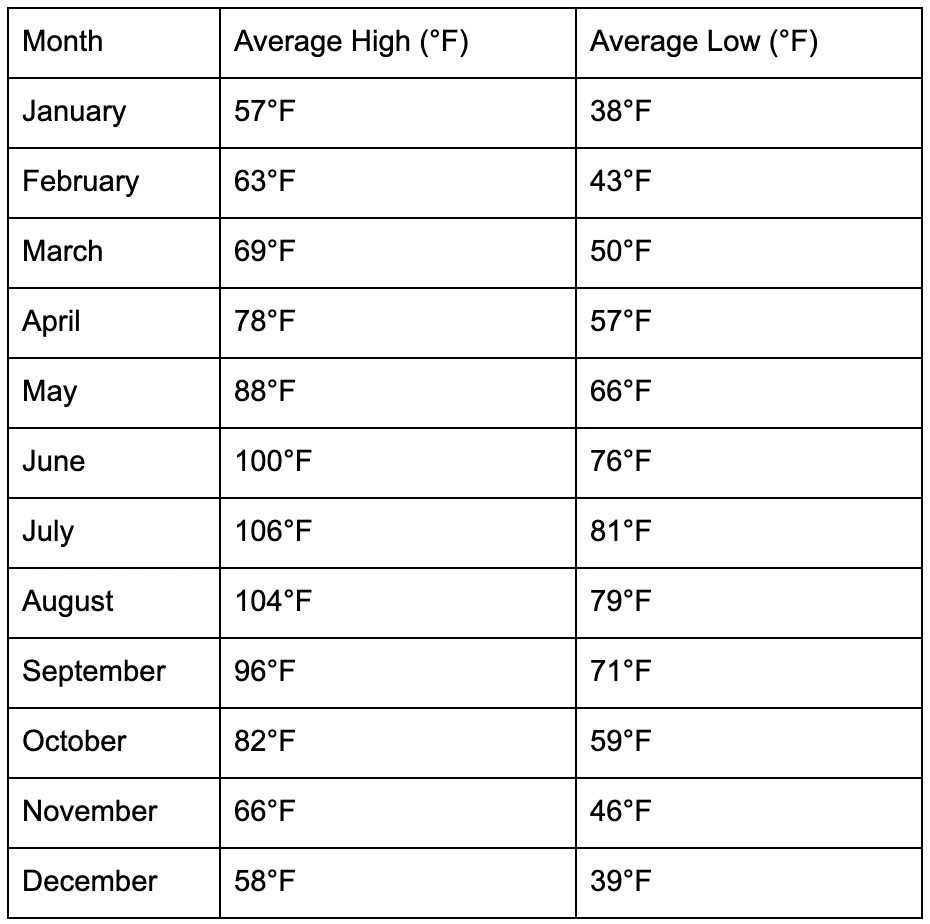
From June through August, the temperature in Las Vegas frequently exceeds 100°F (38°C). This is the era of “dry heat,” a term locals use to describe the low humidity that allows perspiration to evaporate instantly. While this makes high temperatures more bearable than in humid climates like Florida, it also poses a significant risk of dehydration for unsuspecting tourists. The urban landscape, dominated by massive structures like Caesars Palace and The Venetian, creates a “heat island” effect. The asphalt and concrete soak up the sun’s rays all day and radiate that heat back into the air well after the sun has set, making evening strolls surprisingly warm.
The Mild Winters of the Mojave
Contrary to popular belief, Las Vegas does have a winter. From December to February, daytime highs typically hover around 58°F to 62°F (14°C to 17°C), but nighttime temperatures can drop toward the freezing mark. This is a popular time for tourists who prefer walking The Strip without the intensity of the summer sun. During this season, the Bellagio Conservatory & Botanical Gardens transforms into a winter wonderland, offering a cozy indoor escape that reflects the seasonal shift in local tourism culture.
Shoulder Seasons: Spring and Fall Perfection
Most seasoned travelers agree that April, May, September, and October offer the most pleasant temperatures. During these months, the thermometer usually rests between 70°F and 85°F (21°C to 29°C). This is the peak season for outdoor dining at resorts like Wynn Las Vegas and for attending open-air events at the Fremont Street Experience in Downtown Las Vegas.
How Weather Shapes the Las Vegas Experience
The mercury reading in Las Vegas does not just tell you what to wear; it defines the itinerary of your entire trip. The city has developed a sophisticated indoor-outdoor lifestyle that ensures the party never stops, regardless of the weather.
Outdoor Adventures at Red Rock Canyon
When the current temperature is mild, tourism shifts toward the natural wonders surrounding the city. Red Rock Canyon National Conservation Area is a prime destination for hiking, rock climbing, and photography. However, during the peak of summer, these activities are strictly early-morning endeavors. Tourists are encouraged to arrive at sunrise to witness the glowing red Aztec Sandstone before the desert floor reaches peak temperature. By noon, most savvy visitors have retreated back to the air-conditioned luxury of the city.
Exploring the Neon Boneyard After Dark
The Neon Museum is an essential stop for anyone interested in the history of Nevada and the evolution of graphic design. Because much of the museum is outdoors, the current temperature significantly impacts the visitor experience. During the hotter months, the museum focuses on night tours, where the restored signs flicker to life against the dark desert sky. This allows visitors to appreciate the local culture without the oppressive weight of the afternoon sun.

Pool Season and the Strip Culture
In Las Vegas, “Pool Season” is a distinct cultural period, usually running from March through October. When the temperature hits the 80s, the “dayclub” scene erupts. Tourists flock to sprawling pool complexes to enjoy world-class DJs and cabana service. Even when the temperature is soaring, the clever use of misting systems and shaded areas allows the tourism industry to thrive. Places like the High Roller Observation Wheel provide climate-controlled views of the entire valley, offering a literal bird’s-eye view of how the city integrates with the desert landscape.
Essential Tips for Navigating the High Desert Climate
For a tourist, managing the temperature in Las Vegas requires a strategic approach. The transition between the blazing outdoor heat and the refrigerated interiors of the casinos can be jarring for the body.
Hydration and Sun Protection Strategies
In the Mojave Desert, the air is so dry that you may not realize you are sweating. Tourism officials and local guides consistently emphasize the importance of carrying water. Beyond hydration, the high elevation of Nevada means the UV rays are particularly intense. Even on a day with a “cool” temperature, a sunburn can occur in less than twenty minutes. Sunscreen, polarized sunglasses, and wide-brimmed hats are not just fashion statements in Las Vegas—they are survival tools.
Dress Codes: From Daytime Heat to Air-Conditioned Casinos
One of the most common mistakes visitors make is dressing only for the outdoor temperature. While it might be 105°F outside, the interior of The Venetian or Caesars Palace is often kept at a crisp 70°F. This 35-degree difference can feel freezing. The best tip for Las Vegas tourism is to dress in layers. A light pashmina or a linen blazer can make the transition from the scorching sidewalk to the casino floor much more comfortable.
Managing Indoor-Outdoor Transitions
The architectural design of The Strip often tricks the eye. Distances between landmarks like Bellagio and Paris Las Vegas look short, but in the desert heat, a ten-minute walk can feel like an eternity. During periods of extreme temperature, tourists are encouraged to use the internal walkways, trams, and the Las Vegas Monorail to move between properties while remaining in a temperature-controlled environment.
Beyond the Strip: Regional Climate Influences
The temperature in Las Vegas is also influenced by the surrounding geography. Understanding the regional climate is vital for those planning day trips to nearby landmarks in Arizona or California.
Day Trips to Hoover Dam and Lake Mead
Located just 30 miles southeast of the city, Hoover Dam and Lake Mead often experience temperatures a few degrees higher than the valley floor due to their lower elevation and the reflective surface of the water. Tourists visiting these engineering marvels should be prepared for intense sun exposure. However, the breezes coming off Lake Mead can provide a refreshing reprieve, making boat rentals a popular choice when the city temperature feels too high.
Valley of Fire: A Geological Heat Trap
For those heading to Valley of Fire State Park, be aware that the red sandstone formations act as a natural oven. The temperature here can be significantly higher than in Las Vegas. It is a stunning display of Nevada history and geology, but it is a location where respecting the current temperature is a matter of safety. Most park trails close when the heat reaches dangerous levels to protect hikers.

Mount Charleston: The Alpine Escape
When the heat of the Mojave Desert becomes too much to handle, locals and tourists alike flee to Mount Charleston in the Spring Mountains. Remarkably, the temperature at the summit can be 20 to 30 degrees cooler than on The Strip. In the winter, you can even find snow and skiing at Lee Canyon, providing a startling contrast to the palm trees and pools just forty-five minutes away. This diversity of climate within a short drive is what makes Las Vegas such a multifaceted tourism destination.
In conclusion, whether you are checking the current temperature to see if you can squeeze in a round of golf at a world-class resort or simply to decide if you need a jacket for a show at The Colosseum, the weather is a constant companion in Las Vegas. By understanding the seasonal cycles, the microclimates of the desert, and the best ways to navigate the heat, you can ensure that your visit to Nevada is defined by the incredible experiences you have, rather than the reading on the thermometer. From the depths of Grand Canyon tours to the heights of the Stratosphere Tower, the temperature is just the backdrop to a much larger, more spectacular adventure.
LifeOutOfTheBox is a participant in the Amazon Services LLC Associates Program, an affiliate advertising program designed to provide a means for sites to earn advertising fees by advertising and linking to Amazon.com. Amazon, the Amazon logo, AmazonSupply, and the AmazonSupply logo are trademarks of Amazon.com, Inc. or its affiliates. As an Amazon Associate we earn affiliate commissions from qualifying purchases.