
Understanding the climate of Las Vegas is more than just checking a thermometer; it is about preparing for the unique environmental dynamics of the Mojave Desert. Whether you are planning a high-stakes weekend at a world-class resort or an outdoor adventure through the rugged terrain of Nevada, the weather will dictate your wardrobe, your energy levels, and your itinerary. Known for its shimmering heat and surprisingly cool winters, the “Entertainment Capital of the World” offers a climate that is as dramatic as its famous neon lights.
The Seasonal Rhythms of the Mojave Desert
The weather in Las Vegas is characterized by its aridity and extreme temperature fluctuations. While many travelers associate the city exclusively with scorching sun, the reality of Southern Nevada involves four distinct seasons, each offering a different way to experience the city.

The Intensity of Summer Heat
From June through August, the United States witnesses some of its highest temperatures in this region. During these months, it is not uncommon for the mercury to soar past 100°F (38°C), often peaking around 110°F (43°C) or higher in July. This is a “dry heat,” which means perspiration evaporates quickly, often before you even realize you are sweating. While this prevents the “sticky” feeling common in Florida, it poses a significant risk of dehydration.
The summer months also bring the arrival of the North American Monsoon. This meteorological phenomenon can lead to sudden, intense thunderstorms and flash flooding. Travelers visiting The Strip during a monsoon surge might witness spectacular lightning displays over the desert horizon, followed by brief but torrential downpours that cool the air momentarily before the humidity rises.
The Graceful Transitions of Spring and Fall
Many frequent visitors to Las Vegas consider April, May, September, and October to be the “sweet spots” for travel. During these shoulder seasons, daytime temperatures usually hover between 70°F and 85°F (21°C to 29°C). These conditions are perfect for walking between iconic properties like the Bellagio and Caesars Palace. The evenings remain pleasantly warm, allowing for outdoor dining and rooftop cocktails without the need for heavy outerwear.
The Surprising Chill of Winter
Winter in the desert is often underestimated. From December through February, daytime highs may reach the mid-50s or 60s°F (12°C to 18°C), but once the sun sets over the Spring Mountains, temperatures can drop rapidly toward the freezing mark. It is a time when the palm trees of Nevada stand against a backdrop of snow-capped peaks in the distance. While snow on the valley floor is rare, it is not unheard of, creating a surreal visual contrast against the bright lights of the MGM Grand.
Strategic Packing for the Las Vegas Climate
Packing for a trip to Las Vegas requires a multi-layered strategy. The city is a land of extremes, not just in terms of the natural weather, but also in the transition between the outdoor heat and the aggressive air conditioning found inside major complexes like The Venetian Resort.
Navigating the Indoor-Outdoor Divide
Even on a day when the outside temperature is 105°F, the interior of Wynn Las Vegas or Encore at Wynn Las Vegas will likely be kept at a crisp 70°F. This 35-degree difference can be jarring to the system. Travelers are advised to carry a light sweater, pashmina, or blazer, even in the height of summer. This “Vegas Layer” is essential for long sessions at the poker tables or while enjoying a three-hour tasting menu at a high-end restaurant.
Footwear and Sun Protection
Despite the abundance of rideshare options and the Las Vegas Monorail, you will likely walk much more than anticipated. The distance between Paris Las Vegas and Planet Hollywood looks short on a map, but in the desert sun, it can feel like a marathon. Breathable, comfortable walking shoes are mandatory. Furthermore, the high elevation of the Mojave Desert means the UV index is consistently high. A wide-brimmed hat, high-SPF sunscreen, and quality sunglasses are non-negotiable items for your suitcase.
Dressing for the Evening
As the sun dips behind the Red Rock Canyon National Conservation Area, the city transforms. Nightlife in Las Vegas often demands a higher standard of dress. For men, this usually means trousers and a collared shirt; for women, a cocktail dress or elegant separates. In the winter months, a stylish overcoat is necessary for those moving between Fremont Street and the newer developments in Downtown Las Vegas.
Managing Your Health in an Arid Environment
The weather in Las Vegas isn’t just about temperature; it’s about humidity—or the lack thereof. The relative humidity often hovers in the single digits, which can have physiological effects on visitors from more temperate climates like London or New York City.
The Importance of Hyper-Hydration
In the desert, you lose moisture through respiration and evaporation much faster than in humid environments. By the time you feel thirsty, you are likely already mildly dehydrated. It is a common sight to see savvy travelers carrying large bottles of alkaline water while exploring the Forum Shops at Caesars. If you are consuming alcohol at the Luxor Hotel and Casino or any other resort, the rule of thumb is to drink one glass of water for every cocktail to combat the dehydrating effects of the climate.
Skin and Respiratory Care
The dry air can be taxing on the skin and sinuses. Many visitors find that their usual skincare routine is insufficient in Nevada. Utilizing heavy-duty moisturizers and lip balms is highly recommended. Additionally, those sensitive to dry air may find relief by using a small portable humidifier in their hotel room at The Cosmopolitan of Las Vegas or by simply placing a damp towel near the air conditioning vents to add moisture back into the living space.
The “Heat Island” Effect
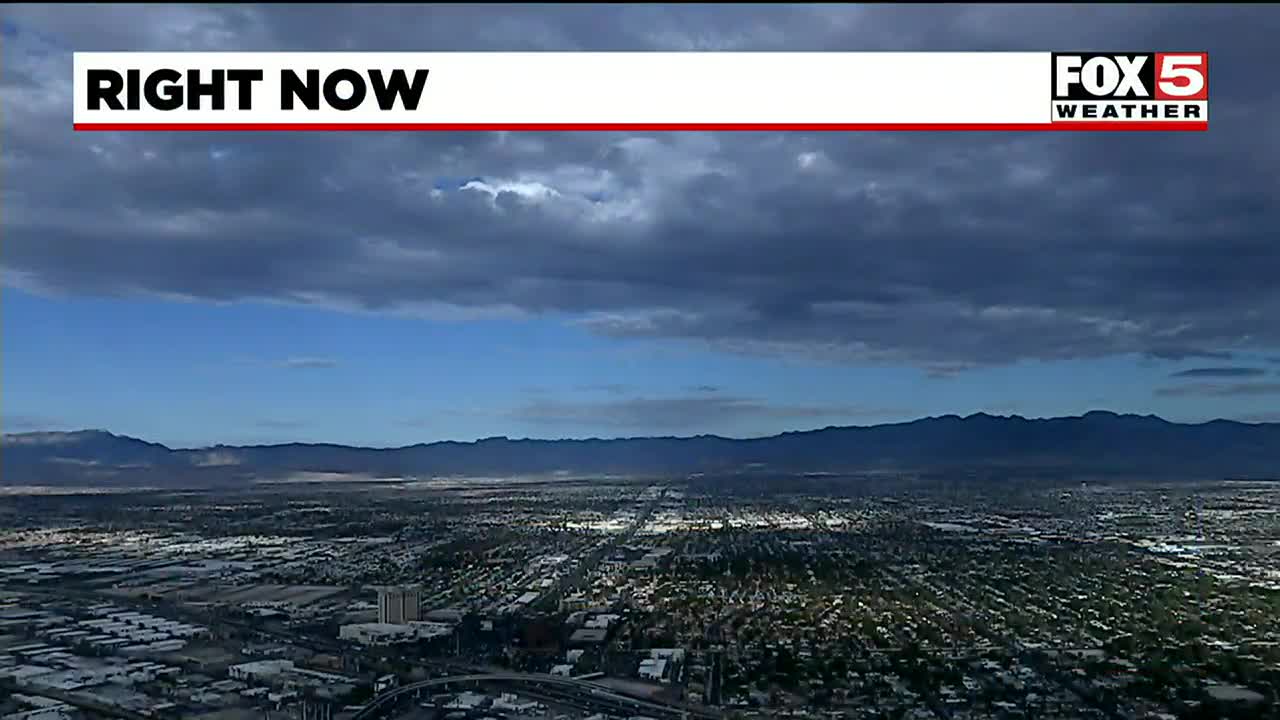
When looking at the weather “right now,” it is important to realize that The Strip is a massive concrete and glass corridor. This creates a localized “heat island” effect where the buildings and asphalt absorb solar radiation during the day and radiate it back out at night. Consequently, the temperature on the sidewalk in front of The Mirage may feel significantly hotter than the official temperature recorded at Harry Reid International Airport.
Outdoor Adventures and Regional Day Trips
The weather in Las Vegas also dictates the feasibility of day trips to nearby natural wonders. If the city heat becomes overwhelming, locals and tourists alike often seek refuge in the higher elevations.
Escaping to Mount Charleston
Just a 45-minute drive from the city, Mount Charleston offers a dramatic escape. The temperature here is typically 20 to 25 degrees cooler than in the valley. In the summer, it is a haven for hikers; in the winter, the Lee Canyon ski resort provides a snowy playground. It is one of the few places in the United States where you can realistically ski in the morning and sunbathe by a pool at the Circa Resort and Casino in the afternoon.
Red Rock and Valley of Fire
For those interested in the striking geology of the region, Red Rock Canyon and Valley of Fire State Park are essential destinations. However, these areas should be visited with caution during the summer. Hiking is best done at sunrise to avoid the peak heat of the day. The vibrant red Aztec sandstone is beautiful, but it reflects heat, making the trails feel like an oven by mid-day. Always check the weather forecast specifically for these parks, as they can experience different wind patterns than the city center.
Water-Based Activities at Lake Mead
The weather also influences the activity levels at Lake Mead and the Hoover Dam. While the water provides a cooling sensation, the sun reflection off the surface can lead to severe sunburns. Boating and jet-skiing are popular ways to handle the 100-degree days, but visitors should always keep an eye on the sky for those afternoon monsoon clouds that can create choppy and dangerous water conditions very quickly.

Final Considerations for Your Las Vegas Journey
When you ask, “What’s the weather in Las Vegas right now?” you are essentially asking how to best interface with one of the most vibrant cities in the United States. The climate is a central character in the Las Vegas story, influencing everything from the architecture of the Luxor pyramid to the schedule of the Bellagio Fountains show.
If you are currently looking at a forecast of clear blue skies and high heat, embrace the poolside culture at the Mandalay Bay Beach. If you see a winter chill in the air, take the opportunity to explore the indoor botanical gardens or the Fremont Street Experience under the glowing canopy. Regardless of the season, Las Vegas remains a city of resilience and spectacle, perfectly adapted to the beautiful extremes of the Nevada desert.
By understanding the nuances of the temperature, the importance of hydration, and the necessity of layers, you ensure that your experience in this desert oasis is defined by the memories you make, rather than the challenges of the environment. From the shimmering heat of a July afternoon to the crisp air of a January night, Las Vegas is always ready to welcome those who come prepared for its unique atmospheric charm.
LifeOutOfTheBox is a participant in the Amazon Services LLC Associates Program, an affiliate advertising program designed to provide a means for sites to earn advertising fees by advertising and linking to Amazon.com. Amazon, the Amazon logo, AmazonSupply, and the AmazonSupply logo are trademarks of Amazon.com, Inc. or its affiliates. As an Amazon Associate we earn affiliate commissions from qualifying purchases.