
The story of Las Vegas is not the story of a single visionary, but rather a chronological mosaic of explorers, pioneers, and entrepreneurs who transformed a parched valley in Nevada into one of the most recognizable landmarks on the planet. To ask who the founder of this city is requires looking back through centuries of history, from the first Spanish scouts to the railroad tycoons of the early 20th century. Today, the city stands as a testament to human ingenuity and the architectural audacity to build an oasis in the middle of the Mojave Desert.
The Early Explorers and the Discovery of the Meadows
Long before the neon lights of The Strip could be seen from space, the valley was a hidden gem of artesian springs and lush grasses. The “founding” of the location as a known point on a map began with the expansion of trade routes between Mexico and the northern territories of the United States.
Rafael Rivera and the naming of the Valley
In 1829, a young scout named Rafael Rivera, who was part of a trading party led by Antonio Armijo, became the first person of European descent to set foot in the valley. While the main party followed the established Old Spanish Trail toward California, Rivera ventured off to find a shortcut. He discovered a verdant valley filled with wild grasses and water, which he appropriately named “Las Vegas,” meaning “The Meadows.” This discovery was pivotal; it transformed a grueling desert trek into a manageable route by providing a vital watering hole for travelers moving between Santa Fe and Los Angeles.
The Strategic Importance of the Old Spanish Trail
The discovery by Rivera turned the valley into a permanent landmark for western expansion. For the next several decades, the area served as a crucial stopover for caravans, mountain men, and eventually, the military. In 1844, John C. Fremont, a legendary explorer whose name would eventually grace Fremont Street, led an expedition to the area. His journals and maps provided the first scientific descriptions of the region, effectively “founding” the location in the consciousness of the American government as a site of strategic and geographic importance.
The Mormon Mission and the First Permanent Structure
While explorers passed through, it was the members of the Church of Jesus Christ of Latter-day Saints who attempted the first permanent settlement. Their presence marked the transition of Las Vegas from a mere campsite to a structured community.
William Bringhurst and the Mormon Fort
In 1855, under the direction of Brigham Young in Salt Lake City, a group of thirty missionaries led by William Bringhurst arrived in the valley. Their goal was to establish a halfway station between Utah and California and to convert the local Paiute tribes. They constructed what is now known as the Old Las Vegas Mormon Fort, a landmark that remains the oldest standing building in the state of Nevada.
The missionaries planted fruit trees and crops, utilizing the artesian springs to irrigate the land. However, the settlement was short-lived. Internal disputes and the harsh desert conditions led to the abandonment of the fort by 1858. Despite its brief lifespan, the fort established the blueprint for permanent habitation in the valley and proved that the desert could be cultivated.
The Role of Octavius Gass
Following the departure of the missionaries, the fort and the surrounding land were taken over by Octavius Gass in 1865. Gass, a prospector and rancher, renamed the site the “Los Vegas Rancho.” He expanded the agricultural output of the area and became the first significant landowner in the valley, serving as a political figurehead for the small community. His tenure solidified the area’s reputation as a productive ranching landmark, though he eventually lost the land due to debt, clearing the way for the person often called the “First Lady of Las Vegas.”
Helen Stewart and the Railroad Revolution

If one individual can be credited with the transition of the valley into a legitimate townsite, it is Helen Stewart. Her role in the late 19th and early 20th centuries was fundamental to the legal and logistical founding of the modern city.
The First Lady of Las Vegas
After the death of her husband, Archibald Stewart, in 1884, Helen Stewart took over the operations of the ranch. She was a shrewd businesswoman who recognized that the future of the valley lay not in ranching, but in the coming of the railroad. She became the largest landowner in Clark County, and her hospitality to travelers made her a central figure in the region’s social history.
In 1902, Stewart sold 1,835 acres of her land, including the vital water rights, to the San Pedro, Los Angeles and Salt Lake Railroad. This sale was the catalyst for the formal establishment of the city. Without her stewardship of the land and her strategic sale to the railroad, the city might never have been born in its current location.
The 1905 Land Auction and J.T. McWilliams
The official “birth date” of the city is widely considered to be May 15, 1905. On this day, the railroad company auctioned off 1,200 lots in what is now Downtown Las Vegas. While the railroad was the primary driver, a surveyor named J.T. McWilliams had already attempted to found a rival townsite on the west side of the tracks, known as McWilliams Townsite.
Though the railroad-backed auction eventually eclipsed McWilliams’ efforts, his early development of the area created the first semblance of a town structure. The auction in 1905 led to the rapid construction of hotels, saloons, and shops, firmly establishing Las Vegas as a railroad town. This era saw the emergence of the first city-centric landmarks, setting the stage for the industrial and architectural boom of the 1930s.
The Engineering Marvels and the Rise of the Strip
While the railroad founded the town, the construction of the Hoover Dam and the subsequent development of the Las Vegas Strip transformed it into a global landmark. This era saw a shift from a frontier town to a destination defined by its architecture and entertainment.
The Impact of the Hoover Dam
During the Great Depression, the federal government began the monumental task of damming the Colorado River. The construction of the Hoover Dam brought thousands of workers to the region, providing a massive population boost and a steady stream of income. To accommodate and entertain these workers, the city began to lean into its identity as a hub for legalized gambling and nightlife. The energy generated by the dam also allowed the city to become the “City of Lights,” fueling the massive neon signs that would define its visual history.
Thomas Hull and the Birth of the Strip
While the original town was centered around Fremont Street, the modern identity of the city shifted toward Highway 91 (now Las Vegas Boulevard). In 1941, Thomas Hull opened El Rancho Vegas, the first resort on what would become The Strip. Hull’s vision of a self-contained resort with a pool, casino, and showroom changed the trajectory of the city’s development.
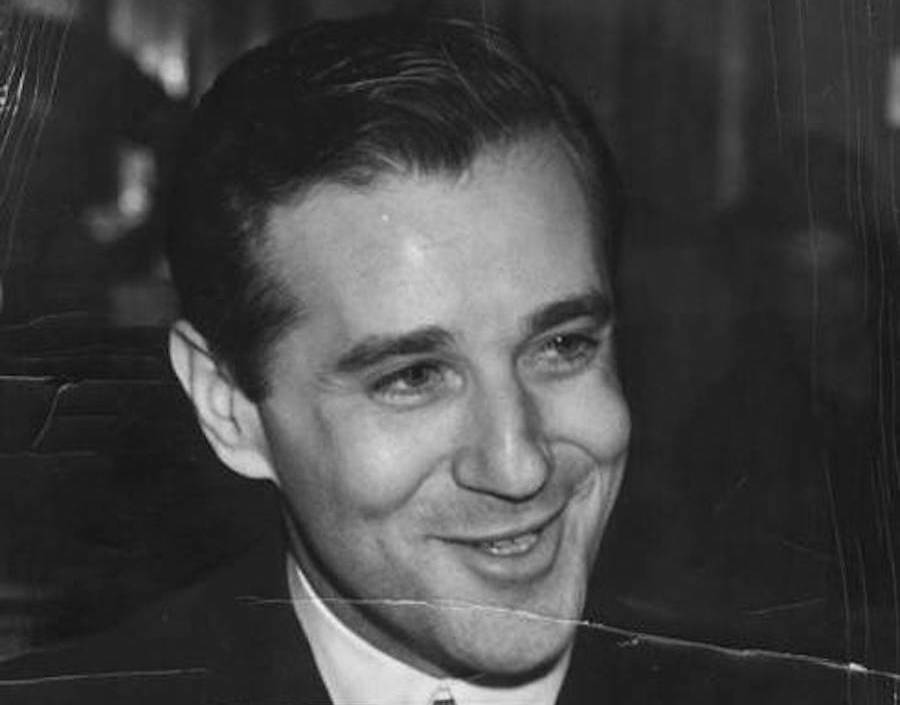
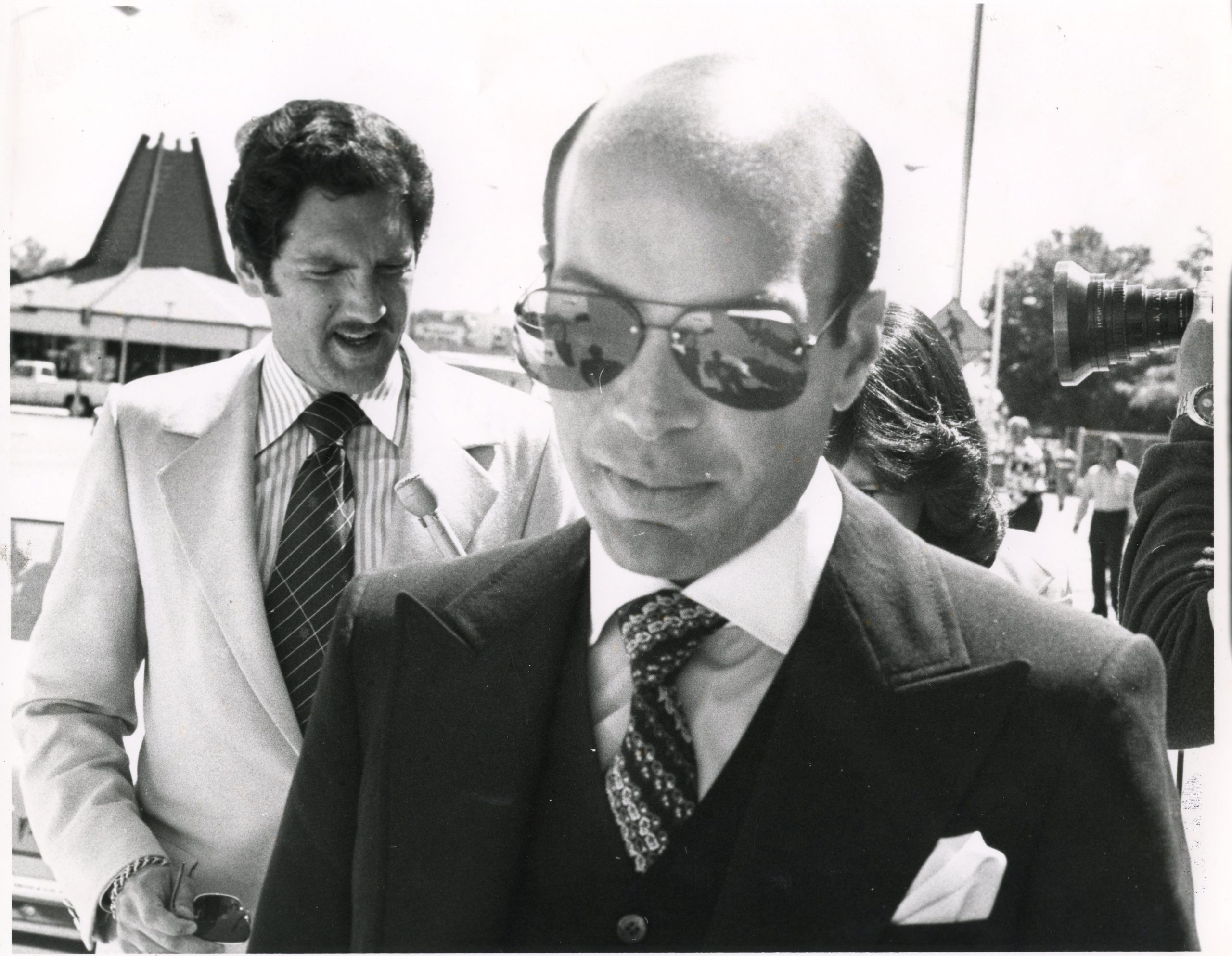
Soon after, The Last Frontier followed. However, the most famous “founder” of the modern era was Benjamin “Bugsy” Siegel. Siegel, with backing from organized crime syndicates, oversaw the completion of The Flamingo in 1946. Unlike the western-themed motels that preceded it, The Flamingo was designed with Miami style sophistication, bringing a new level of luxury to the desert. Siegel’s influence shifted the city’s focus toward high-end tourism and world-class architecture, creating a landmark that would eventually be home to icons like Caesars Palace and the Golden Nugget.
Conclusion: A City Founded by Many
The question of who founded Las Vegas does not have a simple answer because the city is a layered historical landmark. Rafael Rivera found the water; the Mormons built the first fort; Helen Stewart provided the land; and the railroad created the town. Later, figures like Thomas Hull and Bugsy Siegel reimagined the desert as a playground of luxury and architectural wonder.
From its origins as a humble oasis for weary travelers on the Old Spanish Trail to its current status as an international center for tourism and culture, the city has been continuously “founded” and “refounded” by those with the courage to build in the Mojave Desert. Each era added a new layer to the city’s identity, ensuring that Las Vegas remains one of the most unique and historically rich landmarks in the United States.
LifeOutOfTheBox is a participant in the Amazon Services LLC Associates Program, an affiliate advertising program designed to provide a means for sites to earn advertising fees by advertising and linking to Amazon.com. Amazon, the Amazon logo, AmazonSupply, and the AmazonSupply logo are trademarks of Amazon.com, Inc. or its affiliates. As an Amazon Associate we earn affiliate commissions from qualifying purchases.