
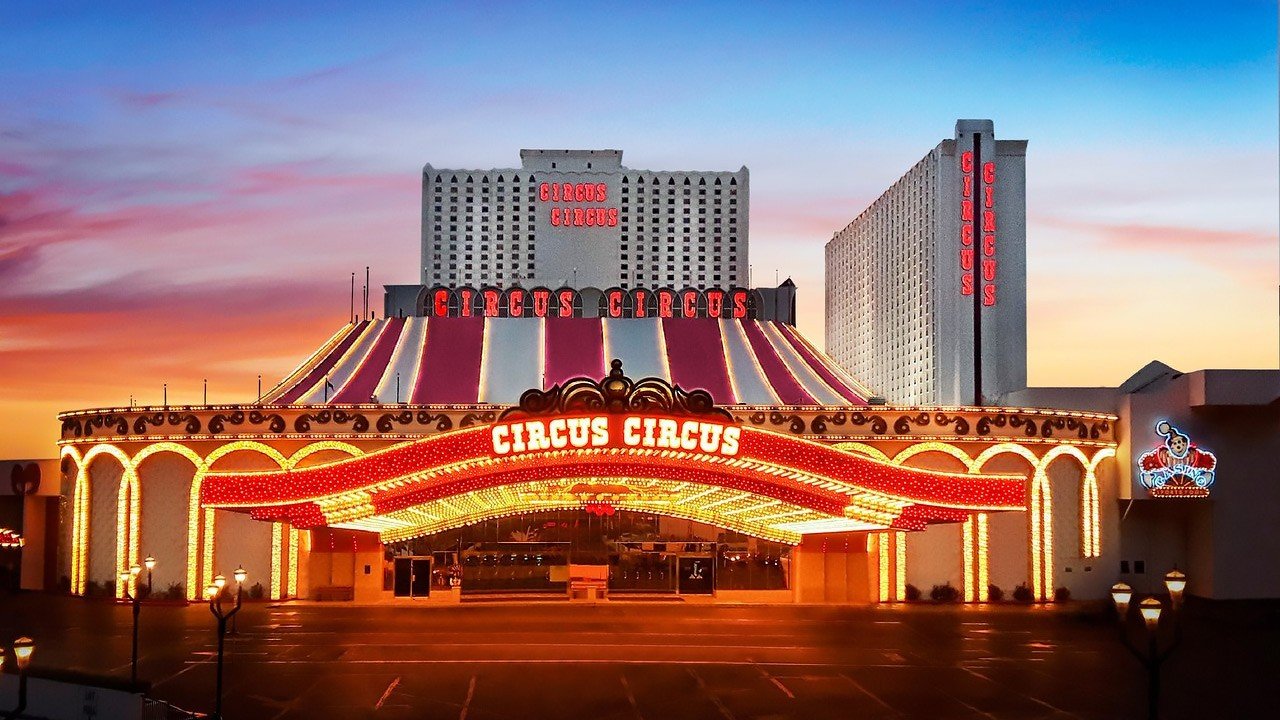
The skyline of the Las Vegas Strip is a mosaic of architectural ambition, ranging from the ultra-modern glass towers of the south end to the nostalgic, neon-lit landmarks of the north. Among these storied structures, Circus Circus stands as a unique testament to the evolution of the Las Vegas hospitality industry. Known for its iconic big-top tent roof and family-friendly atmosphere, the resort has undergone several transitions in leadership and philosophy since its opening in 1968. Today, the question of who owns this massive complex is central to understanding its current trajectory and its place within the competitive Nevada resort market.
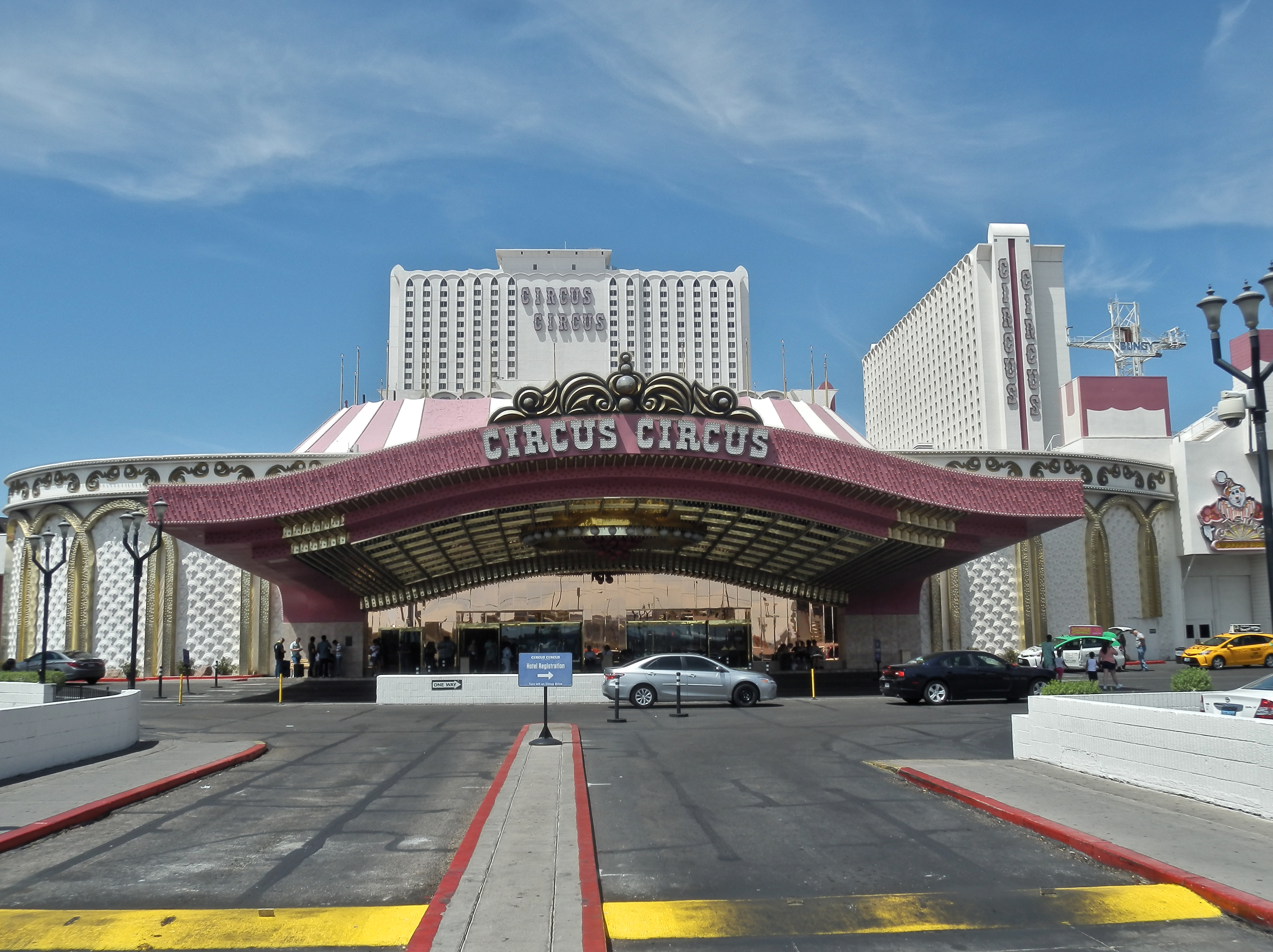
The Current Ownership: Phil Ruffin and the Return to Independent Management
In the modern era of Las Vegas real estate, the trend has largely moved toward massive corporate conglomerates owning multiple properties under a single umbrella. However, Circus Circus bucked this trend in late 2019 when it was sold to Phil Ruffin, a billionaire businessman with a deep history in the United States gaming and hospitality sectors. The acquisition marked a significant shift for the property, moving it from the portfolio of a public corporation back into the hands of a private owner.
The Acquisition from MGM Resorts International
The transition of ownership occurred in December 2019, when MGM Resorts International finalized the sale of Circus Circus to Phil Ruffin for approximately $825 million. The deal was structured to include $662.5 million in cash and a $162.5 million note. For MGM Resorts International, the sale was part of a broader “asset-light” strategy, allowing the company to divest from older physical assets while focusing on luxury brand management and global expansion.
For Phil Ruffin, the purchase was a strategic addition to his existing Las Vegas portfolio. Ruffin, who also owns Treasure Island (often referred to as TI), saw the potential in a property that consistently attracted a different demographic than the high-end luxury seekers frequenting the Bellagio or ARIA Resort and Casino. By bringing Circus Circus under his management, Ruffin consolidated a significant portion of the “value-driven” market on the Las Vegas Strip.
Phil Ruffin’s Investment Strategy in the Hotel Sector
Phil Ruffin’s approach to the hotel industry is characterized by a focus on operational efficiency and catering to the middle-market traveler. Originally from Wichita, Kansas, Ruffin built his fortune in various industries, including petroleum and real estate, before turning his attention to Las Vegas. His ownership style is often described as “hands-on,” with a focus on reinvesting profits into property improvements that enhance guest experience without inflating room rates to inaccessible levels.
Under Ruffin’s ownership, Circus Circus has seen renewed investment in its infrastructure. Recognizing that the resort’s strength lies in its family-oriented amenities, the management has prioritized the upkeep of The Adventuredome and the expansion of the Splash Zone. Ruffin’s philosophy is built on the belief that there is always a demand for affordable, entertainment-rich accommodations in Las Vegas, regardless of the economic climate.
The Historical Lineage of Circus Circus
To understand the significance of current ownership, one must look back at the visionary beginnings of the resort. Circus Circus was the brainchild of Jay Sarno, the legendary developer who also created Caesars Palace. Sarno’s vision for Circus Circus was revolutionary for its time; he wanted to create a space where families could feel welcome in a city that was almost exclusively adult-oriented.
The Jay Sarno Era: Defining the Family Resort
When Circus Circus first opened its doors, it did not even have a hotel component. It was a standalone casino and attraction featuring live circus acts and carnival games. Sarno’s flair for the theatrical was evident in the giant neon clown, “Lucky,” who greeted guests on the Las Vegas Strip. However, Sarno eventually faced financial difficulties, leading to a change in management that would solidify the property’s future.
In 1974, the property was leased and eventually purchased by William Bennett and William Pennington. This duo transformed Circus Circus from a struggling spectacle into a powerhouse of the hospitality industry. They added the first hotel towers, creating the foundation for what would become one of the largest resorts in the United States. Their company, initially known as Circus Circus Enterprises, became a major player in the market, later evolving into the Mandalay Resort Group.
The Mandalay Resort Group and MGM Eras
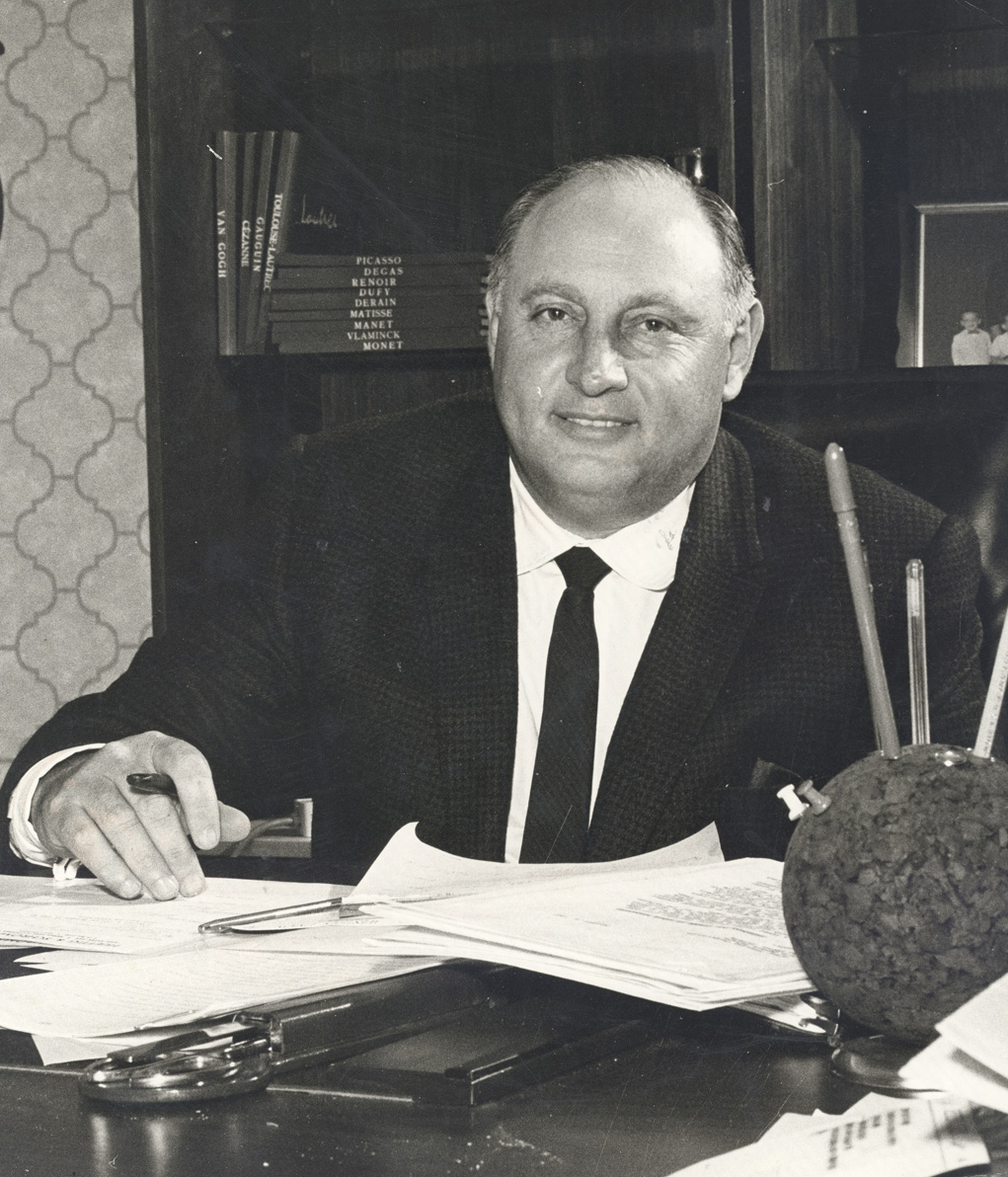
As Circus Circus Enterprises grew, it acquired and built other iconic properties, including Excalibur Hotel, Luxor Hotel, and the flagship Mandalay Bay. The name change to Mandalay Resort Group reflected a shift toward more upscale branding, yet Circus Circus remained the profitable core of the company, providing steady cash flow through its high-volume, family-friendly business model.
In 2005, a massive consolidation occurred when MGM Mirage (now MGM Resorts International) acquired Mandalay Resort Group for $7.9 billion. For the next 14 years, Circus Circus was part of a portfolio that included the most prestigious names on the Las Vegas Strip. While MGM Resorts International maintained the property, it was often viewed as a secondary asset compared to their luxury developments like the Park MGM or the Vdara Hotel and Spa. This paved the way for the eventual sale to Phil Ruffin.
Architectural Landmarks and Resort Amenities
Ownership is not just about the name on the deed; it is about managing the massive ecosystem of amenities that make up Circus Circus. The resort is a sprawling complex that includes several distinct accommodation types, an indoor theme park, and a massive gaming floor. Under current management, these amenities are leveraged to maintain high occupancy rates year-round.
The Adventuredome and the Carnival Midway
One of the most valuable aspects of the property is The Adventuredome, a five-acre indoor amusement park housed under a distinctive pink glass dome. This landmark attraction features roller coasters, 4-D theaters, and rock climbing, making it a primary draw for visitors staying anywhere in Las Vegas.
Complementing the thrill rides is the Carnival Midway. For decades, this area has offered traditional circus acts—free of charge—to the public. Aerialists, jugglers, and acrobats perform daily above the arcade and gaming area, preserving the original vision Jay Sarno had for a “circus within a casino.” This commitment to free entertainment remains a cornerstone of the resort’s identity and is a key focus for the current ownership group.
Accommodation Varieties: From Manor Rooms to the RV Park
The hotel component of Circus Circus is divided into several sections, each offering a different price point and experience. The Skyrise Tower and West Tower house the more traditional hotel rooms, many of which have been refreshed to meet modern standards. The Manor Motor Lodge, located behind the main towers, offers a motel-style experience with park-at-the-door convenience, which is rare for the Las Vegas Strip.
Perhaps the most unique feature of Circus Circus is its RV Park. It is the only RV park on the Las Vegas Strip that offers full hookups and amenities like a pool and laundry facilities. This allows the resort to capture a segment of the travel market that is otherwise ignored by the luxury resorts of Nevada. Managing such a diverse range of accommodations requires a specialized approach to hospitality that Phil Ruffin’s team has refined over the years.
The Economic Impact of Independent Ownership on the Strip
The sale of Circus Circus to a private owner has broader implications for the Las Vegas economy. While corporate giants like Caesars Entertainment and MGM Resorts International dominate the market, independent owners like Ruffin provide a necessary counterweight. They are often more flexible in their pricing and can pivot more quickly to meet changing consumer needs.
Strategic Pricing and Competitive Positioning
By operating independently, Circus Circus can position itself as the premier value destination on the north end of the Las Vegas Strip. Its proximity to the Las Vegas Festival Grounds and the newly opened Resorts World Las Vegas makes it an attractive anchor for the revitalized North Strip. While neighboring resorts might charge premium prices for luxury suites, Circus Circus focuses on providing a high-volume, high-energy environment that appeals to budget-conscious families and group travelers.
Future Outlook and Sustainable Growth
The future of Circus Circus under the ownership of Phil Ruffin appears to be one of steady evolution rather than radical transformation. There have been discussions regarding the potential redevelopment of the surplus land around the resort, including the possible addition of a new theater or expanded convention space. Furthermore, the ownership’s connection to other major gaming entities—such as Ruffin’s stake in the Trump International Hotel Las Vegas—ensures that the property remains part of a larger, influential network within the city.
As Las Vegas continues to reinvent itself with new attractions like the Sphere and major sporting events at Allegiant Stadium, the role of Circus Circus as a reliable, family-friendly hotel becomes even more vital. Its ownership story is a reflection of the city itself: a blend of visionary gambling history, corporate consolidation, and a return to the personalized touch of an individual entrepreneur. For the thousands of guests who walk through its doors every day, the ownership by Phil Ruffin ensures that the “Big Top” will remain a permanent fixture of the Las Vegas experience for years to come.
LifeOutOfTheBox is a participant in the Amazon Services LLC Associates Program, an affiliate advertising program designed to provide a means for sites to earn advertising fees by advertising and linking to Amazon.com. Amazon, the Amazon logo, AmazonSupply, and the AmazonSupply logo are trademarks of Amazon.com, Inc. or its affiliates. As an Amazon Associate we earn affiliate commissions from qualifying purchases.