
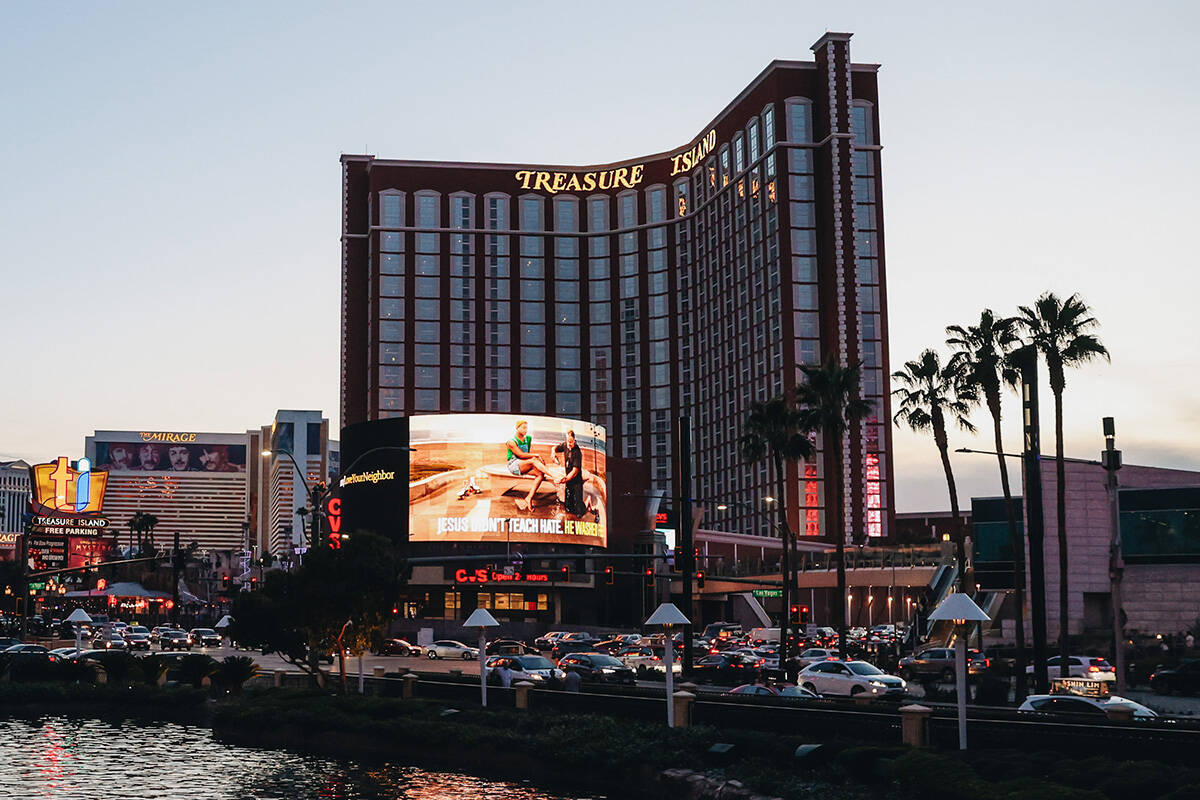
In the ever-evolving skyline of Las Vegas, where towering monuments to luxury and entertainment rise and fall, few properties have undergone as significant a transformation as Treasure Island. Commonly referred to today as simply “TI,” this resort has transitioned from a family-oriented pirate fantasy to a sophisticated destination for mature travelers. Central to this evolution is the question of ownership. Unlike many of its neighbors on the Las Vegas Strip, which are managed by massive global conglomerates, Treasure Island stands as a unique example of private, individual ownership in the heart of Nevada.
The Current Owner: Phil Ruffin and His Vision for TI
The primary figure behind Treasure Island is the billionaire businessman Phil Ruffin. A prominent figure in the United States hospitality and real estate sectors, Phil Ruffin acquired the property during a pivotal moment in the city’s history. His ownership has come to define the resort’s modern identity, characterized by a blend of high-end amenities and a “maverick” style of management that deviates from the standard corporate playbook.
The 2008 Acquisition: A Strategic Move
In late 2008, as the global financial crisis began to ripple through the hospitality industry, Phil Ruffin saw an opportunity. At the time, MGM Resorts International—then known as MGM Mirage—was seeking to divest assets to fund the massive CityCenter project. Phil Ruffin, who had previously sold the New Frontier Hotel and Casino for a record-breaking sum, had the liquidity and the foresight to step in.
The purchase price was approximately $775 million, a deal that many industry analysts viewed as a masterstroke. By taking over Treasure Island, Phil Ruffin gained control of a prime piece of real estate in Las Vegas without the burden of massive debt. This financial stability has allowed the resort to remain competitive, even as newer, more expensive resorts like Resorts World Las Vegas entered the market.
Maintaining Independence on the Las Vegas Strip
One of the most remarkable aspects of Treasure Island ownership is its relative independence. While MGM Resorts International and Caesars Entertainment own the vast majority of properties along the Las Vegas Strip, Phil Ruffin operates TI as a standalone entity. This independence allows for more agile decision-making.
However, Phil Ruffin has also embraced strategic partnerships to broaden the resort’s reach. In 2019, Treasure Island joined the Radisson Hotel Group as part of their Radisson Blu collection. This move integrated the hotel into a global loyalty program while maintaining its unique branding and private ownership structure. It was a move that successfully merged the benefits of a global brand with the personal touch of a privately owned resort.
The Origins of Treasure Island: Steve Wynn and the Mirage Era
To understand who owns Treasure Island today, one must first look at the visionary who brought the property to life. The resort was the brainchild of Steve Wynn, the legendary developer responsible for the “mega-resort” era in Las Vegas. Under his company, Mirage Resorts, the property was designed to be a companion to the neighboring Mirage Hotel and Casino.
Transforming the Las Vegas Skyline
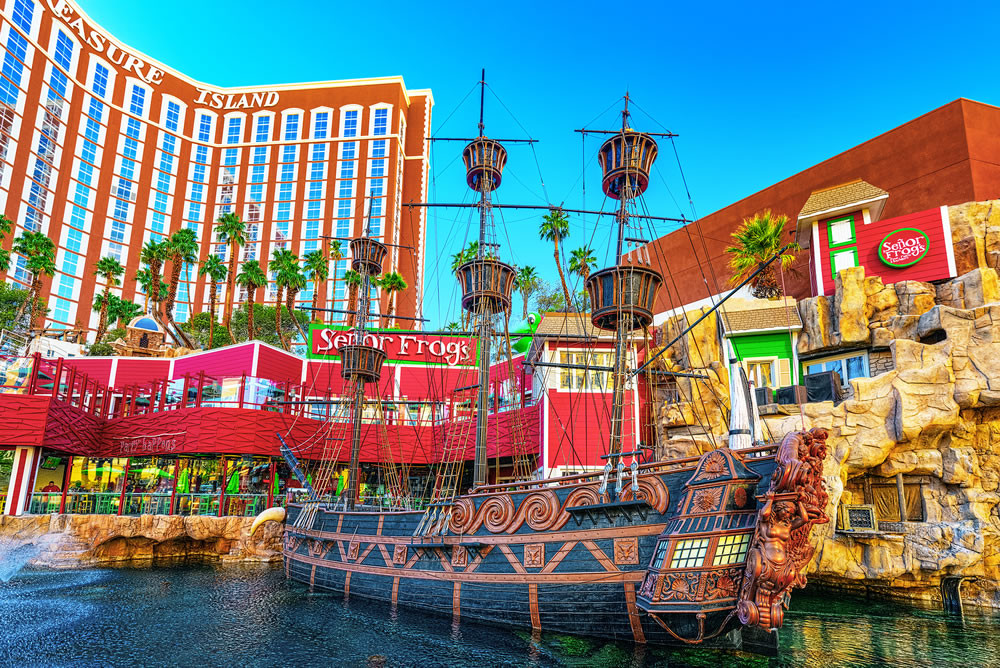
When Treasure Island opened in 1993, it was a centerpiece of the city’s effort to attract families. Its most famous feature was the “Battle of Buccaneer Bay,” a free outdoor spectacle featuring full-scale pirate ships and pyrotechnics. Steve Wynn intended for the resort to be a more accessible, whimsical alternative to the high-luxury Bellagio or the tropical-themed Mirage.
The architecture of the hotel, with its Y-shaped tower and Caribbean-inspired aesthetics, set a new standard for themed environments. During the Mirage Resorts era, every detail was curated to transport guests into a storybook world of high-seas adventure. This era established the property as a landmark of Nevada tourism.
From Family-Friendly to Adult-Oriented Luxury
As the 1990s gave way to the early 2000s, the Las Vegas market shifted away from family-centric themes. When MGM Grand acquired Mirage Resorts in 2000, the new management began a gradual rebrand. The pirate ships were retired or modified, and the “Buccaneer Bay” show was replaced by the more provocative “Sirens of TI.”
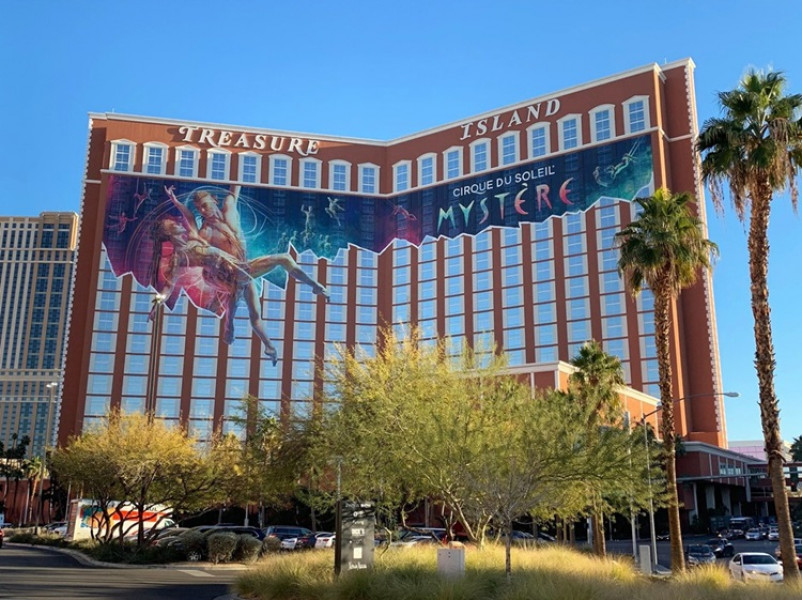
The ownership under MGM Resorts International saw the resort transition into its current “TI” branding. The interiors were remodeled to feature sleek, contemporary designs, and the focus shifted toward nightlife, upscale dining, and world-class entertainment, such as Mystère by Cirque du Soleil. This transition was essential for the hotel to remain relevant in a city that was increasingly prioritizing adult luxury over family fun.
Comparing Ownership: Corporate Giants vs. Private Magnates
The ownership of Treasure Island by Phil Ruffin offers a fascinating contrast to the corporate stewardship of other major hotels in Las Vegas. In a landscape dominated by publicly traded companies, the influence of a single individual can change the entire “vibe” of a resort stay.
MGM Resorts International’s Former Stewardship
When MGM Resorts International owned TI, the resort was part of a massive portfolio that included iconic names like New York-New York Hotel & Casino and Luxor Las Vegas. This corporate model provided a centralized booking system and a massive database of players. However, it also meant that Treasure Island had to compete for capital improvements against “flagship” properties like the Bellagio.
The sale to Phil Ruffin changed the dynamic. Instead of being one of many properties in a corporate queue, Treasure Island became the primary focus of its owner. This led to a series of investments in the property’s infrastructure, from room renovations to new dining concepts like Gilley’s Saloon.
The Benefits of Private Ownership for Guests
For guests, the ownership of Phil Ruffin often translates to a different kind of value. Phil Ruffin has a reputation for being a “hands-on” owner who prioritizes the bottom line while maintaining a competitive price point. Because he does not have to answer to a board of directors in the same way a CEO does, he can implement changes more quickly.
The hotel has also maintained its own independent sportsbook, a rarity in an era where third-party operators like DraftKings or BetMGM dominate. This provides a more traditional Las Vegas gaming experience that many longtime visitors appreciate. Additionally, the resort’s ability to offer competitive room rates and lower resort fees compared to some of the corporate-owned giants is a direct result of Phil Ruffin’s lean management style.
The Strategic Location and Future of TI Las Vegas
The ownership of Treasure Island is inextricably linked to its location. Situated on the corner of Spring Mountain Road and the Las Vegas Strip, the property sits at one of the busiest intersections in the United States. This prime positioning makes it a cornerstone of the North Strip’s economy.
Proximity to The Venetian and Wynn Las Vegas
One of the key advantages for the current owner is the proximity to some of the world’s most expensive hotels. Treasure Island is connected via a pedestrian bridge to The Fashion Show Mall and is just a short walk from The Venetian Resort and Palazzo. Across the street lies Wynn Las Vegas and Encore Las Vegas.
By being surrounded by these high-end properties, Treasure Island serves as a strategic “mid-tier” luxury option. Guests can enjoy the amenities of the more expensive neighbors while staying at a property that offers more aggressive pricing. This “value-luxury” positioning has been a key component of Phil Ruffin’s success since 2008.
The Upcoming Circus Circus Connection
In 2019, Phil Ruffin expanded his footprint in Las Vegas by purchasing Circus Circus Hotel & Casino from MGM Resorts International. This acquisition solidified his role as a major player in the city. There has been ongoing discussion about how these two properties—TI and Circus Circus—might synergize under single ownership.
With the development of the Las Vegas Festival Grounds and the continued expansion of the Las Vegas Convention Center, the northern end of the Strip is seeing a resurgence. Phil Ruffin’s ownership of both Treasure Island and Circus Circus places him at the center of this growth.
The Enduring Legacy of Treasure Island
The question of “Who owns TI Las Vegas?” is more than a matter of public record; it is a story of the changing tides of Las Vegas itself. From the creative genius of Steve Wynn to the corporate management of MGM Resorts International, and finally to the private stewardship of Phil Ruffin, the resort has remained a resilient fixture of the city.
Under Phil Ruffin, Treasure Island has found a unique niche. It balances the history of the “themed” era with the requirements of the modern traveler. Whether it is through the continued success of Mystère or the strategic partnership with Radisson Hotel Group, the property continues to evolve while remaining true to its roots.
As the Las Vegas market continues to consolidate under a few major umbrellas, the presence of an independently owned resort like Treasure Island is vital. It provides diversity in the marketplace and ensures that the spirit of individual entrepreneurship remains alive in the world’s most famous playground. For those looking for a hotel that offers a personalized experience, a prime location, and a rich history, the story of TI and its owner, Phil Ruffin, remains one of the most compelling narratives in Nevada hospitality.
LifeOutOfTheBox is a participant in the Amazon Services LLC Associates Program, an affiliate advertising program designed to provide a means for sites to earn advertising fees by advertising and linking to Amazon.com. Amazon, the Amazon logo, AmazonSupply, and the AmazonSupply logo are trademarks of Amazon.com, Inc. or its affiliates. As an Amazon Associate we earn affiliate commissions from qualifying purchases.