
The sprawling metropolis of Los Angeles is a city defined by its dramatic juxtaposition of urban sophistication and raw, untamed nature. From the glitz of Hollywood to the rugged peaks of the Santa Monica Mountains, the region is one of the most geographically diverse in the United States. However, this beauty comes with a recurring, fiery price. To understand how Los Angeles fires start, one must look beyond the immediate headlines and explore the deep-seated relationship between the region’s landmarks, its unique climate, and the human footprint on the California landscape.
Wildfires in Southern California are not merely random accidents; they are the result of a complex interplay of meteorological phenomena, historical land management, and the architectural evolution of the city itself. By examining the landmarks that define the region, we can better understand why this corner of North America remains one of the most fire-prone areas on Earth.
The Meteorological Engines: Landmarks of Wind and Heat
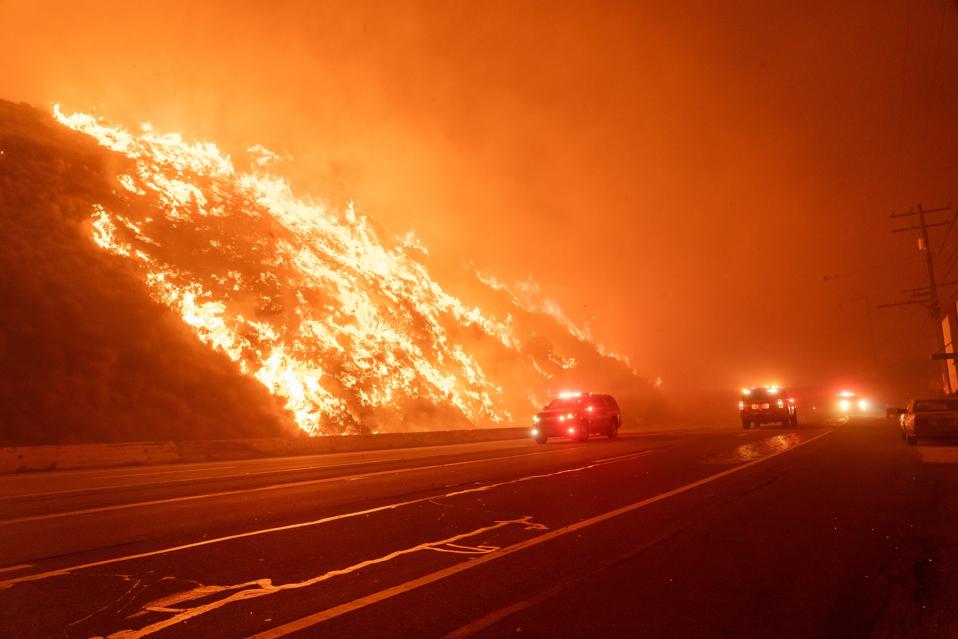
The primary driver behind the most devastating fires in Los Angeles is not just the sun, but the wind. The region’s geography creates a natural funnel for some of the most powerful atmospheric conditions in the country, turning small sparks into regional catastrophes within minutes.
The Influence of the Santa Ana Winds
Perhaps the most infamous natural “landmark” of the California climate is the Santa Ana Winds. These are strong, extremely dry downslope winds that originate from the Great Basin and the Mojave Desert. As the air spills over the San Gabriel Mountains and the Sierra Nevada, it is compressed and heated through a process known as adiabatic heating.
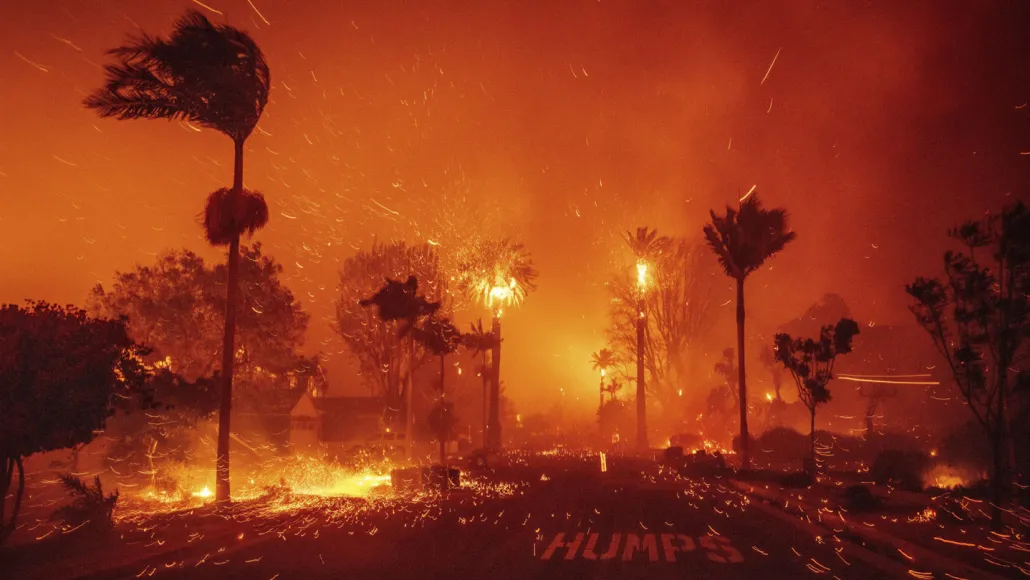
By the time these winds reach the San Fernando Valley or the canyons of Malibu, they can reach speeds of over 60 miles per hour, with humidity levels dropping into the single digits. This creates a “blowtorch” effect. When a fire starts during a Santa Ana Winds event, the wind carries embers miles ahead of the main fire front, jumping across highways like the Interstate 405 and making containment nearly impossible for the Los Angeles Fire Department.
The Arid Landscape of the Santa Monica Mountains
The Santa Monica Mountains serve as a stunning natural landmark that divides the city from the sea. However, this range is also home to a unique plant community known as Chaparral. This ecosystem is composed of drought-tolerant shrubs that have evolved to live in a Mediterranean climate.
During the long, hot summers in California, this vegetation becomes tinder-dry. The oils within the plants are often volatile, essentially acting as stored fuel. When lightning strikes—or more commonly, when human activity introduces a spark—the Santa Monica Mountains act as a massive fuel bed that allows fires to move rapidly from the inland valleys all the way to the Pacific Ocean.
Historical Ignition Sources: Human Impact on the Land
While the environment provides the fuel and the wind provides the oxygen, the “start” of a fire almost always requires an ignition source. In the history of Los Angeles, these sources have ranged from the accidental to the systemic failures of modern infrastructure.
The Role of Infrastructure and Power Lines
A significant percentage of the most destructive fires in Southern California history have been traced back to electrical infrastructure. In rugged areas like Topanga Canyon or the hills above Burbank, power lines are exposed to the full force of the Santa Ana Winds.
When high winds cause lines to arc or poles to topple, the resulting sparks land directly into the dry brush. This was a major factor in fires that threatened landmarks such as the Ronald Reagan Presidential Library in Simi Valley. As the city continues to expand its “wildland-urban interface,” the proximity of high-voltage equipment to flammable natural landmarks remains a primary concern for local authorities.
Accidental Sparks and Arson in the San Fernando Valley

The human element cannot be ignored. In a city as densely populated as Los Angeles, the most mundane activities can lead to disaster. A discarded cigarette along Mulholland Drive, a spark from a lawnmower in Beverly Hills, or an untended campfire in Griffith Park have all been documented causes of major blazes.
Arson also plays a dark role in the city’s history. The 2017 Skirball Fire, which famously threatened the Skirball Cultural Center and forced the evacuation of luxury estates in Bel Air, was determined to have started at an illegal cooking fire at a homeless encampment near the Sepulveda Pass. These incidents highlight the precarious balance between the city’s burgeoning population and its fragile environmental landmarks.
Protecting the Crown Jewels: Architecture and Fire Defense
As fires have become more frequent, the landmarks of Los Angeles have had to adapt. Some of the world’s most famous architectural sites are now masterclasses in fire-resistant design, serving as symbols of resilience against the inevitable flames.
The Getty Center: A Fortress of Art
Perched on a hill overlooking the Sepulveda Pass, the Getty Center is perhaps the most fire-resistant landmark in the world. Designed by architect Richard Meier, the campus was built with the specific threat of California wildfires in mind.
The Getty Center is clad in 1.2 million square feet of Travertine limestone from Italy, a material that does not burn. Furthermore, its sophisticated irrigation system uses recycled water to keep the surrounding slopes hydrated, and its HVAC system can be pressurized to prevent smoke from entering the galleries and damaging priceless works of art. During the 2019 Getty Fire, the building served as a safe haven, demonstrating how landmarks can be engineered to survive the region’s harshest conditions.
Resilience of the Hollywood Hills and Griffith Park
Other landmarks rely on a mix of history and modern ecology. Griffith Park, home to the Griffith Observatory and the iconic Hollywood Sign, has faced numerous fires over the last century. The devastating fire of 2007 burned over 800 acres, threatening the observatory and several historic neighborhoods in Los Feliz.
In the aftermath, the city implemented aggressive brush clearance programs and improved fire breaks around these high-profile attractions. The Hollywood Sign itself, situated on Mount Lee, is now protected by a 24-hour surveillance system that monitors for both intruders and smoke, ensuring that the city’s most famous symbol remains safe from the embers that frequently drift through the Hollywood Hills.
The Future of Landmark Conservation in a Fire-Prone Region
Looking forward, the question of how Los Angeles fires start is becoming increasingly tied to the broader topic of climate change. As the region experiences longer droughts and hotter summers, the “fire season” has evolved into a year-round phenomenon.
Ecotourism and Forest Recovery in Malibu
In areas like Malibu and Ventura County, the recovery from the 2018 Woolsey Fire has become a landmark study in environmental resilience. This fire, which started near the Santa Susana Field Laboratory, decimated large swaths of the Point Mugu State Park and the Zuma Canyon.
Today, these natural landmarks are seeing a resurgence of native flora, and ecotourism in the area focuses on educating visitors about fire’s natural role in the ecosystem. Organizations in California are working to replace invasive, highly flammable grasses with native species that are better suited to the local fire cycle. This transition is vital for the long-term preservation of the scenic beauty that draws millions of tourists to Southern California every year.
Sustainable Urban Planning in Pasadena and Beyond
Cities like Pasadena and Glendale, which sit at the base of the San Gabriel Mountains, are redefining urban landmarks through sustainable planning. By creating “green belts” and modernizing the power grid, these communities are attempting to break the cycle of ignition. The preservation of historical architecture, such as the Gamble House, now requires a proactive approach to landscaping that prioritizes fire safety without sacrificing aesthetic value.
The history of Los Angeles is a history of fire, but it is also a history of adaptation. From the natural wonder of the Santa Ana Winds to the man-made brilliance of the Getty Center, the city’s landmarks tell the story of a place that is constantly reinventing itself in the face of nature’s most destructive force. Understanding how these fires start is the first step in ensuring that the iconic sights of California continue to stand for generations to come.
LifeOutOfTheBox is a participant in the Amazon Services LLC Associates Program, an affiliate advertising program designed to provide a means for sites to earn advertising fees by advertising and linking to Amazon.com. Amazon, the Amazon logo, AmazonSupply, and the AmazonSupply logo are trademarks of Amazon.com, Inc. or its affiliates. As an Amazon Associate we earn affiliate commissions from qualifying purchases.