
The rivalry between New York City and Los Angeles is one of the most enduring cultural narratives in the United States. From the bright lights of Broadway to the sun-drenched shores of Santa Monica, these two metropolises represent the pinnacle of American urban life. However, when travelers ask “which city is bigger,” the answer depends entirely on how you measure “big.” Whether you are looking at land mass, population density, or the sheer scale of the travel experiences offered, both cities provide a sense of “bigness” that is entirely unique.
For the modern traveler, understanding the dimensions of these cities is more than a geographical exercise—it is essential for planning an itinerary. New York City is a vertical titan, a dense collection of skyscrapers perched on islands. Los Angeles is a horizontal giant, a sprawling tapestry of neighborhoods connected by a massive web of freeways. In this guide, we will break down the dimensions of these two iconic destinations to help you navigate their vast landscapes.
Measuring the Physical Footprint: Land Area and Geography
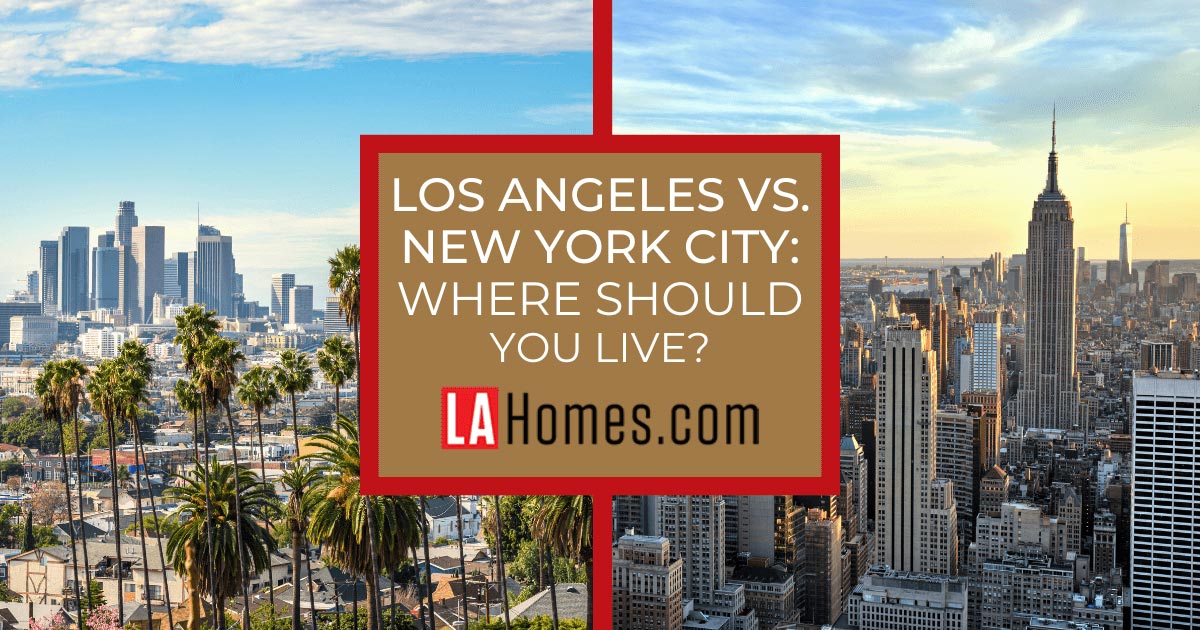
When it comes to the physical size of the city limits, Los Angeles is significantly larger than New York City. If you were to look at a map of California, the city boundaries of Los Angeles encompass roughly 468 square miles. In contrast, New York City covers approximately 302 square miles. This discrepancy in land area is the primary reason why the two cities feel so different to visitors.
The Sprawl of Southern California
The sheer scale of Los Angeles is often overwhelming for first-time visitors. Because the city grew primarily during the age of the automobile, it expanded outward rather than upward. This “horizontal” growth means that a trip from Downtown Los Angeles to the Pacific Ocean can take over an hour, despite being within the same general urban area. The city is a collection of distinct hubs, ranging from the historic charm of Pasadena to the coastal vibes of Malibu.
For travelers, this means that Los Angeles is not a city you “walk.” It is a city you explore by car or ride-share. The geography is varied, including the Santa Monica Mountains, which provide a rugged backdrop to the urban sprawl. This vastness allows for a diversity of landscapes, from the desert-like heat of the San Fernando Valley to the cool breezes of Venice Beach.
The Vertical Density of the Five Boroughs
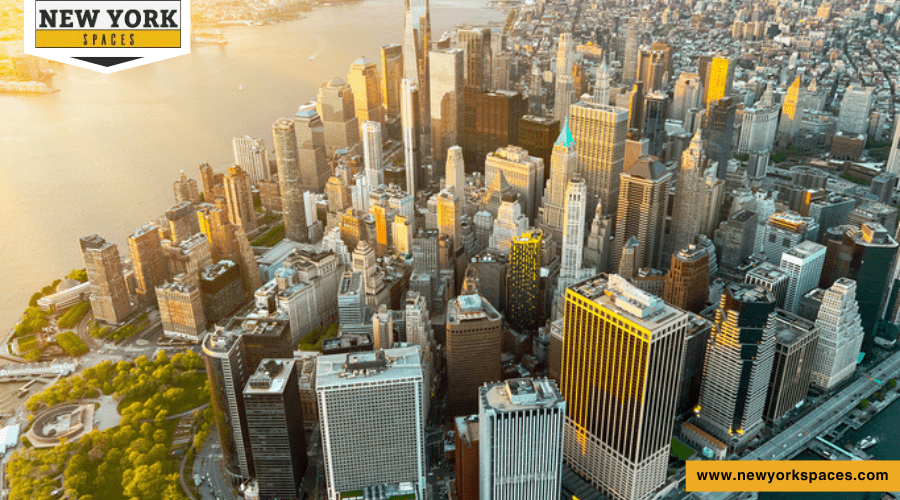
While New York City occupies less land, it makes up for it in height and concentration. The city is divided into five boroughs: Manhattan, Brooklyn, Queens, The Bronx, and Staten Island. Most of the city is surrounded by water, with the Hudson River and the East River defining its borders. This geographical constraint forced the city to grow upward.
Manhattan is the most famous example of this verticality. Within just 23 square miles, it contains some of the tallest buildings in the world, such as the Empire State Building and the One World Trade Center. To a traveler, New York City feels “bigger” in a sensory way because everything is packed together. The towering canyons of Midtown Manhattan create an atmosphere of immense scale that Los Angeles rarely matches.
Population Dynamics: Which City Holds More People?
If “bigness” is measured by the number of people you share the sidewalk with, New York City is the undisputed heavyweight champion. It is the most populous city in the United States by a wide margin. As of recent census data, New York City is home to over 8.3 million residents. Los Angeles, while still massive, has a population of roughly 3.8 million within its city limits.
The Density Factor
The most striking difference for a traveler is the population density. In New York City, there are approximately 27,000 people per square mile. In some parts of Manhattan, that number skyrockets. This density is what fuels the “city that never sleeps” energy. Whether you are in Times Square at midnight or Grand Central Terminal during rush hour, the presence of millions of people is a constant part of the travel experience.
In contrast, Los Angeles has a density of about 8,000 people per square mile. While there are certainly crowded areas—like Hollywood Boulevard or the Dodger Stadium during a game—the city generally feels more open. The residents are spread out across thousands of residential streets lined with palm trees and single-family homes. For a visitor, this makes Los Angeles feel more like a collection of suburbs that happen to be connected, whereas New York City feels like a single, massive organism.
Metropolitan Statistical Areas
The comparison gets more complicated when you look at the larger metropolitan areas. The New York Metropolitan Area (often called the Tri-State Area) includes parts of New York, New Jersey, and Connecticut. This region houses nearly 20 million people.
The Greater Los Angeles area, which includes Orange County, San Bernardino, and Riverside, is also gargantuan, with a population of about 13 million. When you consider these broader regions, Los Angeles starts to feel much more comparable in scale to its East Coast rival. For a traveler, this means that the “experience” of both cities extends far beyond the official city limits, encompassing satellite destinations like Jersey City or Anaheim, home to Disneyland Resort.
Navigating the Urban Jungle: Infrastructure and Transportation
The way these cities are built dictates how you move through them, and the transportation infrastructure of each city is a testament to its size and philosophy.
The New York City Subway and Walkability
New York City is arguably the most walkable city in North America. The New York City Subway system is one of the largest and oldest in the world, operating 24 hours a day. Because the city is so dense, a traveler can hop on a train at Penn Station and be in Brooklyn Heights in twenty minutes.
The “bigness” of New York City is navigable because of this transit network. Walking across the Brooklyn Bridge or wandering through Central Park allows you to feel the scale of the city at a human pace. You are constantly surrounded by landmarks, such as Rockefeller Center or the Flatiron Building, all within a relatively small geographic area.
The Freeway Network and Car Culture of Los Angeles
In Los Angeles, size is experienced through the windshield. The city is defined by its massive freeway system, including the 405 Freeway and the 101 Freeway. To see the “big” sights of Los Angeles, you must be prepared to travel long distances.
A day in Los Angeles might start with a hike to the Hollywood Sign, followed by lunch at The Grove, and an evening at the Santa Monica Pier. Each of these locations is miles apart. While the Los Angeles Metro is expanding, the city’s bigness is still best conquered by car. This gives the traveler a sense of freedom but also requires more logistical planning compared to the “hop-on, hop-off” nature of New York City.
Travel Experiences: Comparing Iconic Landmarks
Ultimately, for a traveler, the size of a city is measured by the magnitude of its attractions. Both New York City and Los Angeles offer world-class landmarks that define the American experience.
The Cultural Monuments of the East
New York City is a hub of history and high culture. The Statue of Liberty on Liberty Island stands as a colossus of American ideals. Art lovers flock to the Metropolitan Museum of Art and the Museum of Modern Art, which are among the largest and most influential in the world.
The bigness here is often historical and institutional. Whether you are attending a performance at the Lincoln Center or watching a game at Yankee Stadium, you are engaging with institutions that have global reach. Even the shopping is on a grand scale, with Fifth Avenue and Macy’s Herald Square offering endless exploration for visitors.
The Entertainment Capital and Natural Wonders
Los Angeles offers a different kind of bigness—the bigness of the silver screen and the natural world. Hollywood is the center of the global entertainment industry. Visitors can tour Universal Studios Hollywood or walk the Hollywood Walk of Fame. The scale of the film industry is visible everywhere, from the Dolby Theatre to the numerous studio lots in Burbank.
However, Los Angeles also wins when it comes to the “bigness” of nature within a city. Griffith Park is one of the largest municipal parks with urban wildlands in the United States, and it houses the Griffith Observatory. The proximity to the Pacific Ocean means that travelers can experience the vastness of the coast at Zuma Beach or the rugged beauty of Point Dume.
Conclusion: Which City Wins the Title of “Bigger”?
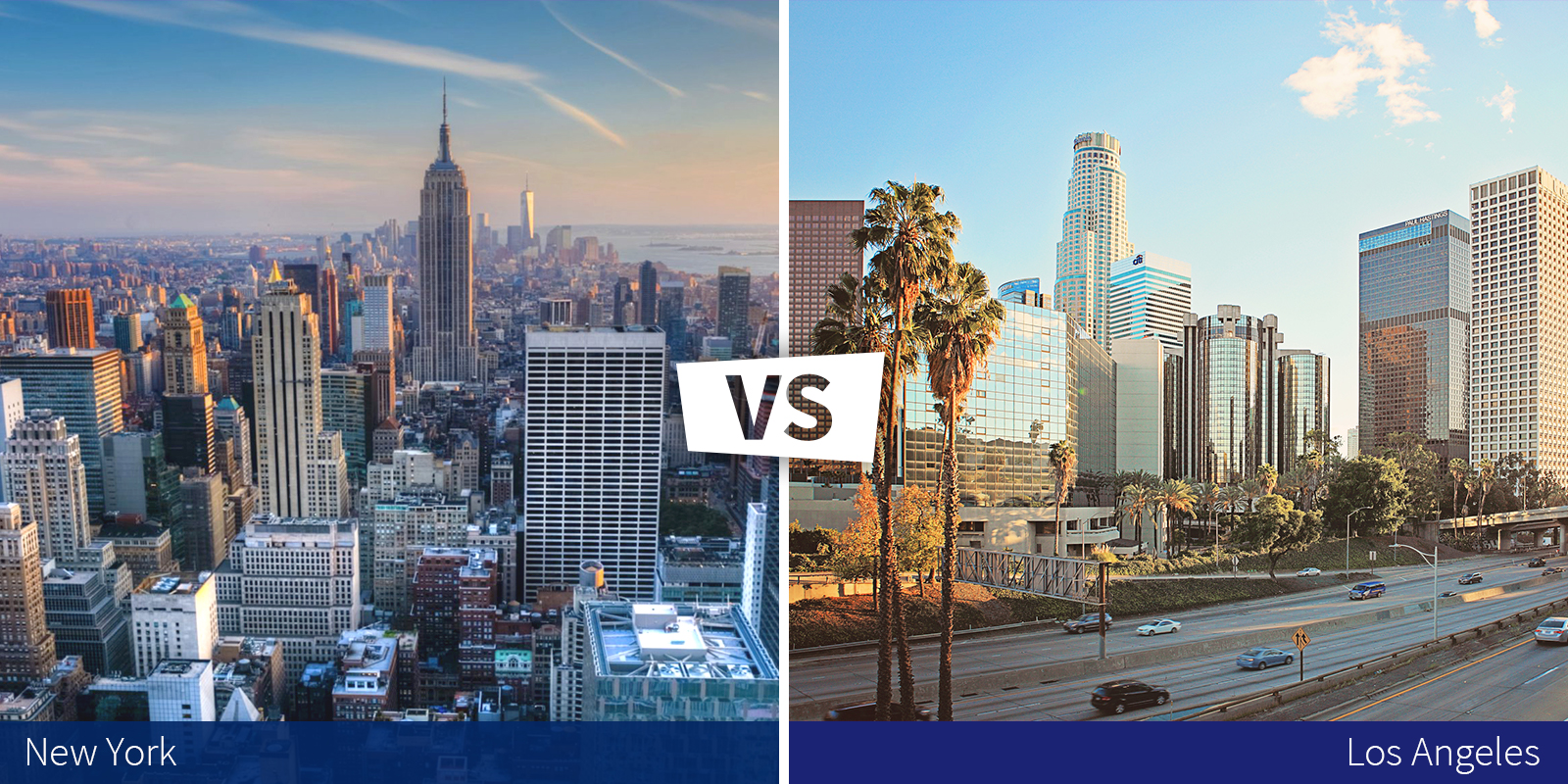
In the end, whether New York City is bigger than Los Angeles depends on your perspective. If you define “big” by land area and the distance between neighborhoods, Los Angeles is the winner. Its sprawling suburbs and wide freeways create a sense of endless horizontal space. If you define “big” by population, density, and the height of the skyline, New York City is the clear leader.
For the traveler, both cities offer a “big” experience that is impossible to exhaust in a single trip. New York City provides an intense, concentrated energy that makes every street corner feel significant. Los Angeles offers a diverse, expansive landscape where you can move from the mountains to the sea in a single afternoon. Both cities are giants in their own right, and the choice between them often comes down to whether you prefer the bustling energy of the Atlantic Ocean or the laid-back sprawl of the California coast. Regardless of which you choose, you will find yourself in one of the most vibrant and massive urban environments on the planet.
LifeOutOfTheBox is a participant in the Amazon Services LLC Associates Program, an affiliate advertising program designed to provide a means for sites to earn advertising fees by advertising and linking to Amazon.com. Amazon, the Amazon logo, AmazonSupply, and the AmazonSupply logo are trademarks of Amazon.com, Inc. or its affiliates. As an Amazon Associate we earn affiliate commissions from qualifying purchases.