
The rhythmic pulse of Los Angeles is often defined by its traffic, its entertainment industry, and its sprawling coastal beauty. However, for a significant portion of the population and thousands of visitors who flock to California each year, the city’s tempo shifts dramatically as Friday evening approaches. The question “What time is Shabbat in Los Angeles?” is more than a query about a clock; it is an invitation to experience the deep-rooted local culture, the spiritual atmosphere, and the unique community traditions that define the Jewish experience in the second-largest city in the United States.
Navigating the Rhythms of Shabbat in Los Angeles
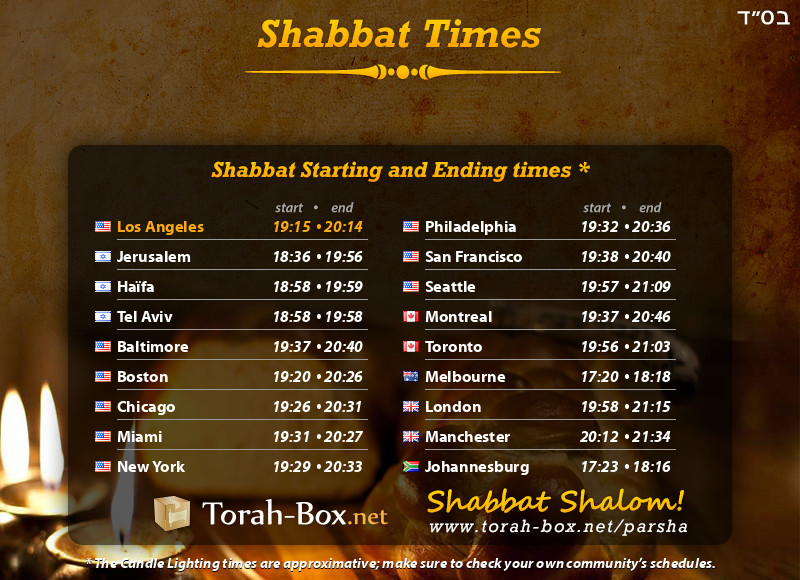
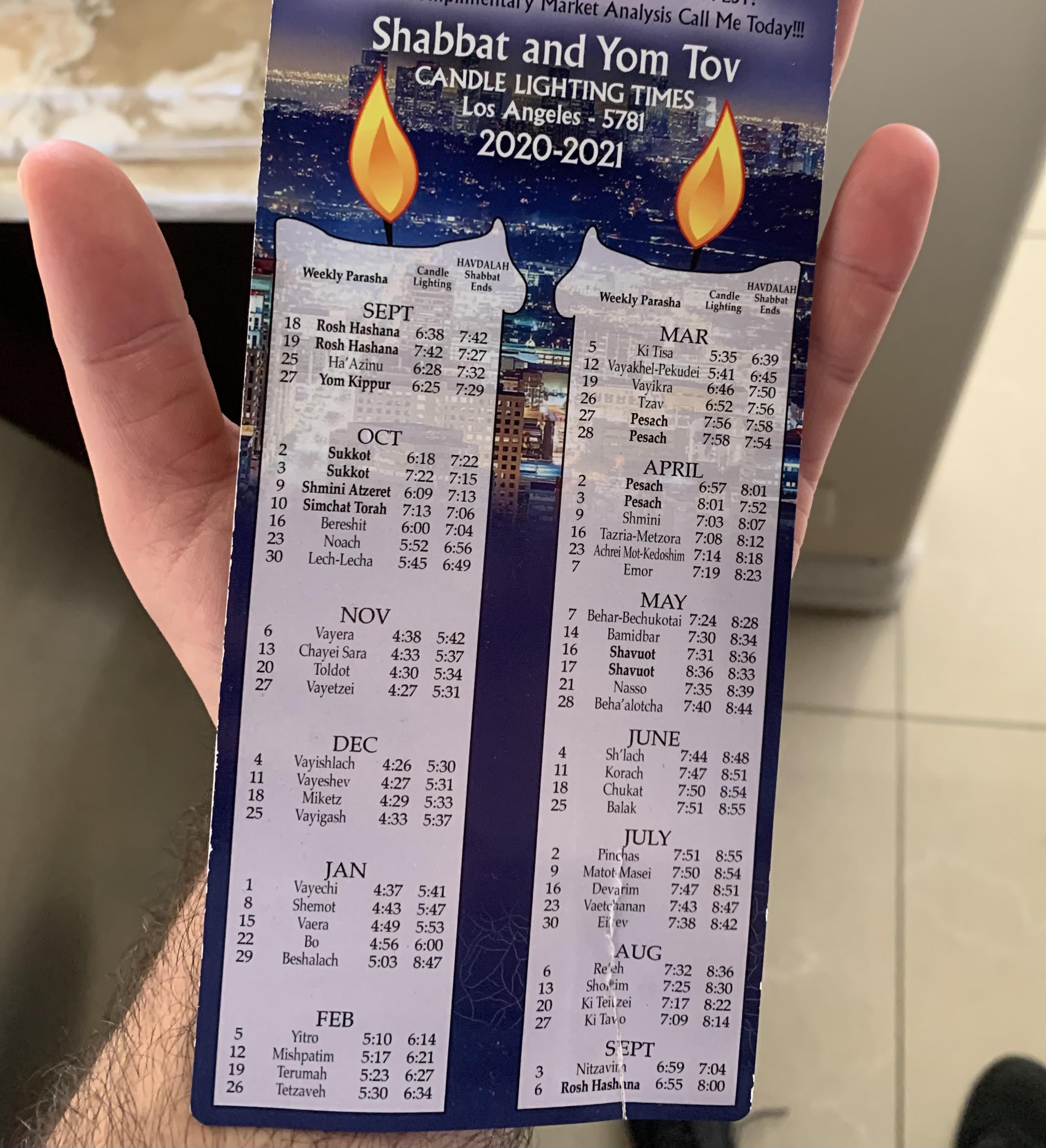
Understanding when Shabbat begins is the first step for any traveler wishing to engage with the local tourism scene from a Jewish perspective. Because the Jewish Sabbath begins at sunset, the timing varies significantly throughout the year. In the height of summer, the Pacific Ocean might reflect the golden hues of a 7:45 PM sunset, while in the winter, the city lights of Hollywood begin to twinkle as early as 4:30 PM.
The Significance of Sunset and Candle Lighting
Shabbat officially commences eighteen minutes before sunset with the lighting of the candles. In a city as geographically diverse as Los Angeles, the precise moment the sun dips below the horizon can feel different depending on whether you are standing on the sands of Santa Monica or amidst the skyscrapers of Downtown Los Angeles.
For tourists, this timing dictates the flow of the afternoon. As the “Candle Lighting Time” approaches, the bustling energy of the city begins to simmer down in specific neighborhoods. Shops close their doors, and a sense of “Shabbat Shalom” (Sabbath Peace) begins to permeate the air. This transition is one of the most beautiful cultural shifts to witness in an otherwise high-octane metropolis.
The Local Eruv and Urban Movement
For the observant traveler, knowing the boundaries of the Los Angeles Eruv is essential. An Eruv is a ritual enclosure that allows individuals to carry certain items—such as keys or strollers—within a designated area on the Sabbath. The Los Angeles community maintains one of the largest Eruvin in the world, encompassing vast swaths of the city, including Pico-Robertson, Beverly Hills, and Hancock Park.
Navigating the city within these boundaries offers a fascinating glimpse into urban planning meets religious tradition. Tourists can see families walking to synagogues, creating a pedestrian-friendly atmosphere that contrasts with the usual car-centric reputation of Southern California.
Exploring the Jewish Cultural Heartland
To truly understand the impact of Shabbat on the city, one must explore the neighborhoods that serve as the heart of Jewish life. Each area offers a different flavor of tourism, from historic landmarks to modern culinary delights.
Pico-Robertson: The Pulse of Jewish Life
Pico-Robertson is arguably the center of the Jewish universe in Los Angeles. On any given Friday afternoon, Pico Boulevard is a whirlwind of activity. Visitors can spend hours exploring the various Judaica shops, kosher bakeries, and bustling markets. This neighborhood is home to a dense concentration of synagogues representing every denomination, from Persian and Sephardic to Ashkenazi and Chassidic.
Walking down the street, the scent of fresh challah from Nagila Bakery wafts through the air, and the lines at Jeffs Gourmet Sausage Factory often stretch out the door as people grab a final pre-Shabbat meal. For a tourist, this is the perfect place to soak in the local culture and witness the community’s preparation for the day of rest.
Fairfax District and the Historic Corridor
The Fairfax District offers a more historic perspective on Jewish life in Los Angeles. While the neighborhood has become a trendy hub for streetwear and fashion, its Jewish roots remain deep. The iconic Canters Deli has been a staple here for decades, serving as a crossroads for tourists, celebrities, and locals alike.
Nearby, the Pan Pacific Park provides a serene green space where the community gathers. Exploring this area allows visitors to see the juxtaposition of the old world and the new, with traditional kosher butchers located just blocks away from the modern shopping mecca of The Grove.
Beverly Hills and Upscale Observance
In Beverly Hills, Shabbat takes on a sophisticated tone. Many world-class hotels, such as the Beverly Wilshire and the Four Seasons Hotel Los Angeles at Beverly Hills, are well-versed in accommodating guests who observe the Sabbath. They often offer Shabbat keys and are located within walking distance of prominent synagogues like the Beverly Hills Jewish Community.
For the luxury-minded traveler, observing the start of Shabbat in this neighborhood offers a unique blend of spiritual tradition and California elegance. The palm-lined streets and manicured gardens provide a picturesque backdrop for the Friday evening stroll to services.
Gastronomy and the Shabbat Table
A central component of the Shabbat experience in Los Angeles is the food. The city’s culinary scene is a melting pot of international influences, and its kosher offerings are no exception.
Kosher Dining and Iconic Delis
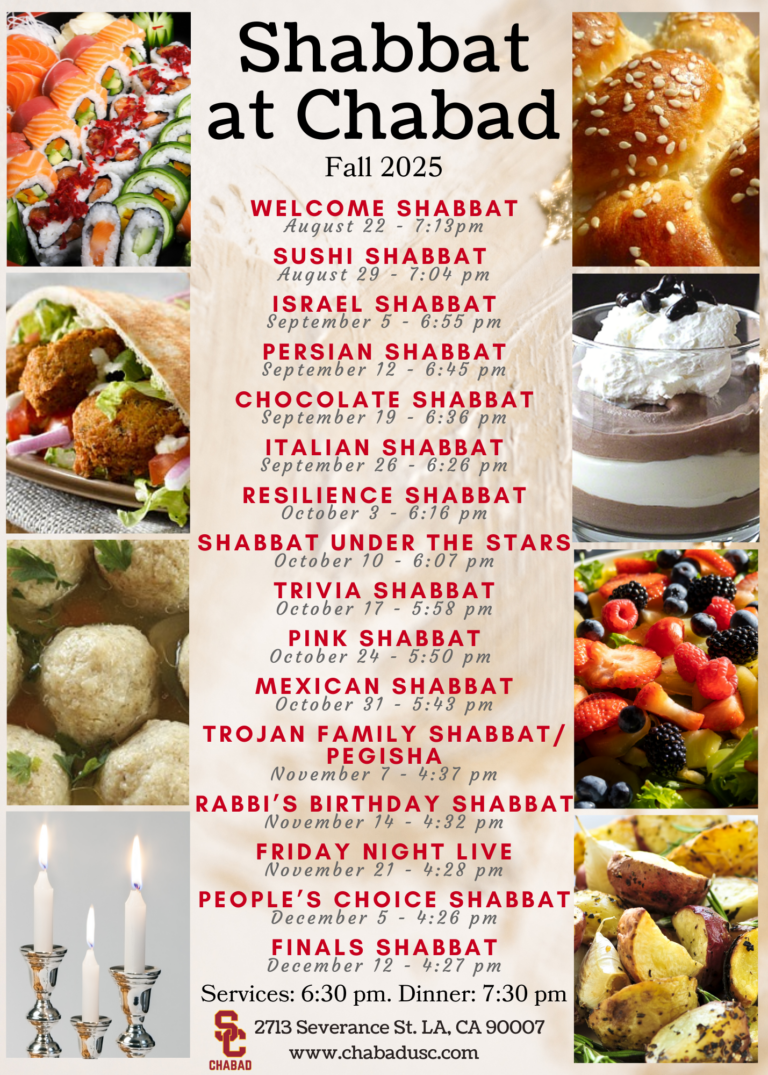
The diversity of Los Angeles is reflected in its kosher cuisine. While traditional Ashkenazi fare is easy to find at places like Factors Famous Deli, the city also boasts incredible Glatt Kosher Persian, Israeli, and even Mexican food.
For a true local experience, many visitors head to La Brea Avenue to sample artisan breads or visit Tierra Sur for a high-end dining experience located slightly further out in Oxnard but often frequented by Los Angeles residents. During the week, these spots are bustling, but on Friday evening, the focus shifts to the home or communal “Friday Night Dinners” hosted by various organizations and synagogues.
Preparing the Feast: Local Markets
Tourism in Los Angeles often involves visiting famous markets, and for those interested in Jewish culture, Cambridge Farms in the San Fernando Valley or Western Kosher are essential stops. These markets are sensory overloads of international spices, pre-prepared Shabbat delicacies, and a wide array of kosher wines from Israel and France. Watching the local residents rush to complete their shopping before the Shabbat whistle blows is a cultural experience in its own right.
Cultural Landmarks and Jewish History
Beyond the immediate observance of Shabbat, Los Angeles offers several landmarks that provide context to the Jewish community’s history and contributions to the city.
The Skirball Cultural Center
Nestled in the Santa Monica Mountains, the Skirball Cultural Center is one of the world’s most prominent Jewish cultural institutions. It is a must-visit for any tourist. The center features rotating exhibitions that explore the intersection of Jewish heritage and American democratic ideals. The stunning architecture of the building, designed by Moshe Safdie, is a landmark itself, offering breathtaking views of the Getty Center nearby.
The Museum of Tolerance and Memorials
The Museum of Tolerance on Pico Boulevard serves as the educational arm of the Simon Wiesenthal Center. It is a profound stop for those looking to understand the history of the Holocaust and the ongoing struggle for human rights. Additionally, the Holocaust Museum LA, located in Pan Pacific Park, is the oldest survivor-founded Holocaust museum in the United States. Its architecture is designed to be subterranean, creating a somber and reflective atmosphere for visitors.
The Breed Street Shul
For a journey back in time, one can look toward Boyle Heights to see the Breed Street Shul. While the Jewish population has largely moved west, this historic synagogue remains a testament to the early 20th-century Jewish community that once thrived in East Los Angeles. It is currently being restored as a multi-purpose cultural space, bridging the history of the Jewish and Latino communities.
Essential Tips for the Shabbat Traveler
Visiting Los Angeles during Shabbat requires a bit of foresight, especially given the city’s scale.
Finding a Minyan and Community
One of the best ways to experience Los Angeles tourism through a local lens is to attend a synagogue service. Whether you are looking for a lively Carlebach-style service or a traditional Sephardic liturgy, the city has it all. The Young Israel of Century City or Sinai Temple on the Wilshire Corridor are popular choices for visitors. Most communities are incredibly welcoming to tourists, often offering hospitality for Shabbat meals if arranged in advance through organizations like Chabad of California.
Transportation and the Saturday Experience
On Saturdays, while the Jewish community is at rest, the rest of Los Angeles continues its fast-paced life. For the observant traveler, this means a day of walking and disconnection from technology. Exploring neighborhoods like Hancock Park on foot reveals stunning architecture and tree-lined streets that you might miss from a car.
If you are not strictly observant but want to respect the local culture, Saturday is a great day to visit the La Brea Tar Pits or take a quiet stroll through Beverly Gardens Park. By the time the sun sets and Havdalah—the ceremony marking the end of the Sabbath—takes place, the city prepares for its famous Saturday night energy.
Timing Your Return
When Shabbat ends, usually about an hour after sunset, the city “wakes up” for the Jewish community. Markets like Ralphs in Pico-Robertson and various kosher pizza shops see a surge in activity. For the tourist, this is the perfect time to head to the Santa Monica Pier or Universal CityWalk to catch the late-night California vibes.
Whether you are checking the time for candle lighting or simply curious about the cultural tapestry of the city, Shabbat in Los Angeles offers a profound look at how ancient traditions thrive within a modern metropolis. From the historic streets of Fairfax to the luxury of Beverly Hills, the weekly arrival of the Sabbath provides a unique opportunity to experience the city at a different, more meaningful pace.
LifeOutOfTheBox is a participant in the Amazon Services LLC Associates Program, an affiliate advertising program designed to provide a means for sites to earn advertising fees by advertising and linking to Amazon.com. Amazon, the Amazon logo, AmazonSupply, and the AmazonSupply logo are trademarks of Amazon.com, Inc. or its affiliates. As an Amazon Associate we earn affiliate commissions from qualifying purchases.