
Navigating the sprawling metropolis of Los Angeles requires more than just a reliable GPS and a sense of adventure. For any visitor arriving in California, understanding the local communication landscape is a fundamental part of the experience. The United States utilizes a complex system of North American Numbering Plan codes, and perhaps no city illustrates this complexity better than the City of Angels. To the uninitiated, the variety of area codes can be staggering, but for the savvy traveler, these digits serve as a digital map of the city’s diverse neighborhoods, from the sun-drenched shores of Malibu to the historic streets of Downtown Los Angeles.

Understanding the Tapestry of Los Angeles Area Codes
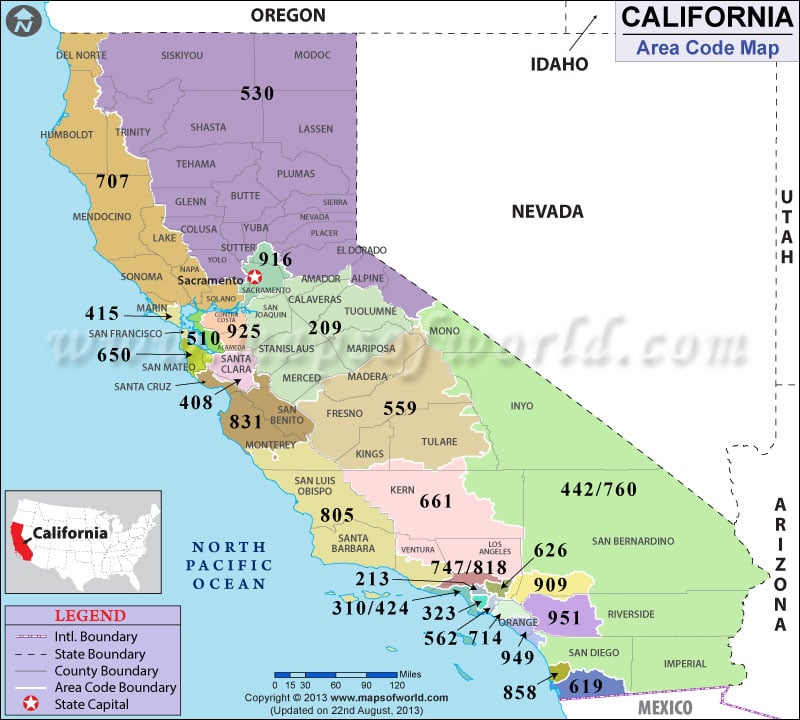
When people ask, “What is the area code for Los Angeles?” the answer is rarely a single three-digit number. Instead, the city is a patchwork of several codes that have evolved alongside its rapid population growth. Understanding these codes is essential for making dinner reservations, booking tours, or simply connecting with locals.
The Legacy of 213 and the Rise of 323
Historically, the 213 area code was the original designation for all of Southern California. Established in 1947, it is one of the oldest area codes in the country. Today, 213 is primarily confined to the central business district of Downtown Los Angeles. When you are looking to visit the Walt Disney Concert Hall or explore the contemporary exhibits at The Broad, you will likely encounter this historic prefix.
As the city expanded, the 323 area code was introduced to cover the ring of neighborhoods surrounding the downtown core. This includes world-famous destinations such as Hollywood and West Hollywood. If you are trying to reach a trendy boutique on the Sunset Strip or a historic studio near Universal Studios Hollywood, 323 is the number you will most frequently dial. In recent years, 213 and 323 have been merged into an overlay complex, meaning both codes can serve the same geographic area.
The Westside Glamour: 310 and 424
For many travelers, the quintessential Los Angeles experience involves the beach and the high-end lifestyle of the Westside. The 310 area code is synonymous with prestige, covering areas like Beverly Hills, Santa Monica, and Malibu. This code has become a cultural marker, often associated with the entertainment industry and luxury living.
Due to the high demand for numbers in these affluent corridors, the 424 area code was added as an overlay. Whether you are booking a stay at the iconic Beverly Wilshire or making a lunch reservation at Nobu Malibu, you should be prepared to use either the 310 or 424 prefix. These codes also extend south to include Culver City and the coastal communities leading toward Long Beach.
The Valley and Northern Reach: 818 and 747
Heading north over the Santa Monica Mountains leads you into the San Fernando Valley, a massive residential and commercial hub. The 818 area code is the primary identifier for this region, encompassing cities such as Burbank and Glendale. The “Valley,” as it is colloquially known, is home to major film studios and a vibrant local food scene.
Like the Westside, the San Fernando Valley required additional capacity, leading to the introduction of the 747 overlay. Travelers visiting the Griffith Observatory or those staying in the northern suburbs will find these codes indispensable. Furthermore, if your travels take you further east toward Pasadena, you will transition into the 626 area code, which serves the San Gabriel Valley.
Navigating the Cultural Neighborhoods of Southern California
Understanding the area codes is just the first step in exploring the rich tapestry of Los Angeles culture. Each numerical zone corresponds to a unique atmosphere and a set of activities that define the Southern California lifestyle.
Coastal Vibes: Santa Monica to Malibu
The 310/424 region offers some of the most scenic experiences in the United States. Starting at the Santa Monica Pier, tourists can enjoy the classic amusement park atmosphere before heading north along the Pacific Coast Highway. Malibu offers a more rugged, natural beauty, with hidden coves and expansive beaches that sit at the foot of the San Monica Mountains.
In Venice Beach, the culture is distinctly bohemian. The boardwalk is a sensory feast of street performers, local artists, and the famous Muscle Beach. For those seeking a more refined coastal experience, Santa Monica provides high-end shopping at the Third Street Promenade and world-class dining with views of the Pacific Ocean.
The Urban Core and Cultural Enclaves

Moving into the 213 and 323 zones, the city becomes a dense collection of cultural enclaves. Koreatown is a 24-hour neighborhood known for having some of the best barbecue and nightlife in the country. Nearby, Little Tokyo and Chinatown offer deep historical roots and authentic culinary experiences that have persisted for generations.
Downtown Los Angeles has undergone a significant renaissance. It is now a hub for art and architecture, featuring the stainless-steel curves of the Walt Disney Concert Hall and the bustling food stalls of Grand Central Market. For sports fans, this area is also home to the Crypto.com Arena and the historic Dodger Stadium just a short drive away.
Practical Tips for Modern Travelers in Los Angeles
While knowing the area codes is helpful, practical logistics can make or break a trip to Los Angeles. The city’s sheer size means that a little preparation goes a long way.
Making Local Reservations and Communication Ethics
When calling local businesses, remember that 10-digit dialing is mandatory in California. Even if you are calling a number within the same area code, you must include the prefix. For international travelers, it is often easiest to use apps like WhatsApp or local SIM cards to avoid heavy roaming charges.
Many of the city’s most popular attractions, such as The Getty Center, require advanced reservations. When booking, you will often need to provide a contact number. Having a local number or a reliable digital service ensures you receive confirmation texts and updates about your visit.
Transportation and Digital Navigation
Los Angeles is a city built for the automobile, but traffic is a legendary challenge. Using navigation apps is essential, not just for directions, but for real-time traffic updates. If you are flying into Los Angeles International Airport, also known as LAX, consider the various transit options available. While ride-sharing services are popular, the FlyAway bus provides a convenient link to Van Nuys in the San Fernando Valley and Union Station downtown.
For those looking to avoid the freeway, the Metro Rail system has expanded significantly. The Expo Line connects Downtown Los Angeles to Santa Monica, offering a stress-free way to move between the 213 and 310 area codes while enjoying the scenery.
Beyond the Basics: Essential Stops for Every Los Angeles Itinerary
Once you have mastered the digits and the geography, it is time to immerse yourself in the activities that make Los Angeles a premier global destination.
Iconic Landmarks and Architectural Marvels
No trip is complete without a visit to Hollywood. While the Hollywood Walk of Fame is a must-see for first-timers, consider hiking up to the Hollywood Sign for a more immersive experience. The architecture of Los Angeles is equally diverse, from the Mid-Century Modern homes in the hills to the Spanish Colonial Revival style of Union Station.
For a touch of luxury, a drive down Rodeo Drive in Beverly Hills provides a glimpse into the world of high fashion. Even if you aren’t shopping, the window displays and people-watching are world-class. If you are traveling with family, a day trip to Anaheim to visit Disneyland Park is often at the top of the list, though it lies just outside the immediate Los Angeles area codes.
Natural Escapes and Outdoor Activities
Despite its urban reputation, Los Angeles offers incredible access to nature. Griffith Park is one of the largest municipal parks in the United States, offering miles of hiking trails and stunning views of the city skyline. For those who prefer the ocean, a ferry trip from Long Beach or San Pedro to Santa Catalina Island offers a Mediterranean-style getaway just an hour off the coast.
To the east, the San Gabriel Mountains provide a backdrop for skiing in the winter and mountain biking in the summer. This proximity to both the sea and the mountains is a hallmark of the California lifestyle, allowing visitors to experience multiple climates in a single day.
Whether you are dialing a 310 number to book a room at Shutters on the Beach or using an 818 code to find a studio tour in Burbank, these area codes are your gateway to the vast wonders of Los Angeles. By understanding the structure of the city’s communication and its cultural geography, you can navigate this complex metropolis with the confidence of a local, ensuring a journey that is as smooth as it is memorable.
LifeOutOfTheBox is a participant in the Amazon Services LLC Associates Program, an affiliate advertising program designed to provide a means for sites to earn advertising fees by advertising and linking to Amazon.com. Amazon, the Amazon logo, AmazonSupply, and the AmazonSupply logo are trademarks of Amazon.com, Inc. or its affiliates. As an Amazon Associate we earn affiliate commissions from qualifying purchases.