
Miami, Florida, often evokes images of sun-drenched beaches, vibrant nightlife, and a pulsating cultural scene. But beneath the glittering surface of a premier travel destination lies a dynamic urban center, shaped profoundly by its diverse and ever-growing population. Understanding “how many people live in Miami” is not merely a statistical exercise; it’s a key to unlocking the city’s unique character, its burgeoning tourism industry, the variety of accommodation options, and the rich lifestyle it offers to both residents and visitors alike.
The number of people calling Miami home directly influences everything from the local culinary landscape and popular attractions to the infrastructure of its hotels and the distinct atmosphere of its many neighborhoods. For travelers planning a trip, grasping the population dynamics can offer valuable insights into what to expect, how to navigate the city, and how to best immerse oneself in its authentic spirit. This article delves into the demographic heartbeat of Miami, exploring the figures, the cultural mosaic they create, and their far-reaching impact on travel, tourism, and the overall Miami experience.
Unpacking Miami’s Population: Numbers and Dynamics
To truly appreciate Miami’s scale and influence, it’s crucial to differentiate between the population of the city proper and that of its expansive metropolitan area. These numbers tell a story of concentrated urban living within a much larger, interconnected regional hub, each contributing to the city’s vibrant tourism and lifestyle offerings.
The Core Figures: City vs. Metro Area
When we ask about the population of Miami, we often refer to two distinct figures. The City of Miami itself, as an incorporated municipality, is a densely populated urban core. As of recent estimates, the population of the City of Miami hovers around 450,000 to 480,000 residents. This makes it a significant city, characterized by its towering skyscrapers in areas like Brickell and its historic neighborhoods.
However, the “experience” of Miami for most people, especially travelers, extends far beyond these city limits. The broader Miami-Dade County is home to well over 2.7 million people, making it the most populous county in Florida and one of the largest metropolitan areas in the United States. This vast county includes iconic areas like Miami Beach, Coral Gables, Doral, and Homestead, each with its own distinct character and attractions.

Even wider still is the South Florida metropolitan area, which encompasses Miami-Dade, Broward (home to Fort Lauderdale), and Palm Beach (including West Palm Beach) counties. This sprawling region collectively hosts over 6 million residents, forming one of the most vibrant and diverse megalopolises in the world. This larger population base provides a massive pool of talent, innovation, and consumer demand that fuels Miami’s growth, driving its economy and enhancing its appeal as a global hub.
The distinctions are crucial for understanding tourism. While visitors often stay in the central areas of the City of Miami or Miami Beach, the broader metropolitan area dictates the range of activities, cultural experiences, and logistical considerations, such as traffic and public transport. This robust resident population underpins the extensive infrastructure, diverse businesses, and myriad entertainment options that make Miami such a compelling destination.
A Melting Pot: The Rich Tapestry of Miami’s Demographics
Beyond sheer numbers, the true essence of Miami’s population lies in its extraordinary diversity. Often referred to as the “Gateway to the Americas,” Miami is a vibrant mosaic of cultures, languages, and traditions, largely influenced by its geographic proximity to Latin America and the Caribbean.
The city has long been a beacon for immigrants and expatriates, particularly from Cuba, Central and South American countries, and Haiti. This influx has created a unique cultural landscape where Spanish is as commonly heard as English, and where traditions from various nations blend seamlessly to form something distinctly “Miamian.” The Cuban influence, in particular, is profound, evident in the iconic Little Havana neighborhood, its authentic cuisine, and its role in the city’s history.
This demographic richness is not just a statistical fact; it’s the very soul of Miami. It dictates the city’s culinary scene, which is an incredible fusion of international flavors. It shapes the music, art, and festival calendars, offering a constant stream of vibrant events. For travelers, this means an opportunity to experience multiple cultures without leaving a single city. From the bustling markets of Little Havana to the sophisticated art galleries in the Design District, every corner of Miami tells a story of global convergence, making it a truly immersive destination.
The Population’s Pulse on Miami’s Tourism and Lifestyle
The sheer volume and diverse nature of Miami’s population have a profound and direct impact on its status as a world-class tourism destination. This constant interplay between residents and visitors creates a dynamic environment that fuels the city’s economy and defines its unique lifestyle.
A Vibrant Tourist Economy Fueled by Diverse Inhabitants
Miami’s robust population is a cornerstone of its thriving tourism sector. A large local population means a substantial workforce for the hospitality industry, from hotel staff and tour guides to chefs and entertainment professionals. This local talent, often multilingual and multicultural, enhances the visitor experience, providing authentic insights and service that resonate with an international clientele.
Furthermore, the resident population itself contributes to the demand for the very amenities and attractions that draw tourists. World-class restaurants, vibrant cultural institutions like the Pérez Art Museum Miami and the Phillip and Patricia Frost Museum of Science, and diverse entertainment venues are sustained year-round by locals, ensuring a lively atmosphere regardless of the tourist season.
The city also experiences a significant influx of temporary residents, often referred to as “snowbirds,” who escape colder northern climates during winter months. These seasonal residents, alongside business travelers and a constant flow of international visitors, contribute to a perpetually dynamic environment. PortMiami, one of the busiest cruise ports in the world, sees millions of passengers annually, many of whom spend time exploring the city before or after their cruises, further bolstering the local economy. This constant flow of people, both permanent and transient, ensures that Miami remains a bustling hub, offering endless possibilities for exploration and enjoyment.
Accommodation Choices Reflecting a Dynamic City
The diverse population and robust tourism figures directly shape the accommodation landscape in Miami. From opulent resorts catering to luxury travelers to budget-friendly apartments for long-term stays, the city offers a spectrum of choices reflecting its varied demographic needs and visitor profiles.
In areas like South Beach and along Ocean Drive, you’ll find an abundance of chic boutique hotels and lavish resorts, such as the iconic Fontainebleau Miami Beach or the sophisticated The St. Regis Bal Harbour Resort, designed to attract high-end tourists and provide indulgent experiences. These establishments often boast world-class amenities, fine dining, and direct beach access, catering to those seeking an exclusive getaway.
Conversely, the growing number of residents and business professionals in areas like Brickell has led to a proliferation of upscale apartment hotels and extended-stay suites, such as the SLS Brickell Hotel & Residences or the Mandarin Oriental Miami, which cater to both short-term corporate visitors and individuals seeking a longer stay with residential conveniences. This urban core also sees numerous traditional hotels like the JW Marriott Marquis Miami, designed for business travel and luxury city breaks.
Beyond the glitz, neighborhoods like Coconut Grove or areas further inland offer charming bed and breakfasts, vacation rentals, and more budget-conscious hotels, catering to families, independent travelers, or those seeking a quieter, more local experience. The rise of peer-to-peer rental platforms also allows visitors to tap into the local housing market, offering unique accommodation options that mirror the city’s diverse residential areas. This variety ensures that no matter a traveler’s budget or preference, Miami has a place to call home, reflecting the city’s adaptability and commitment to accommodating its vast population and visitor base.
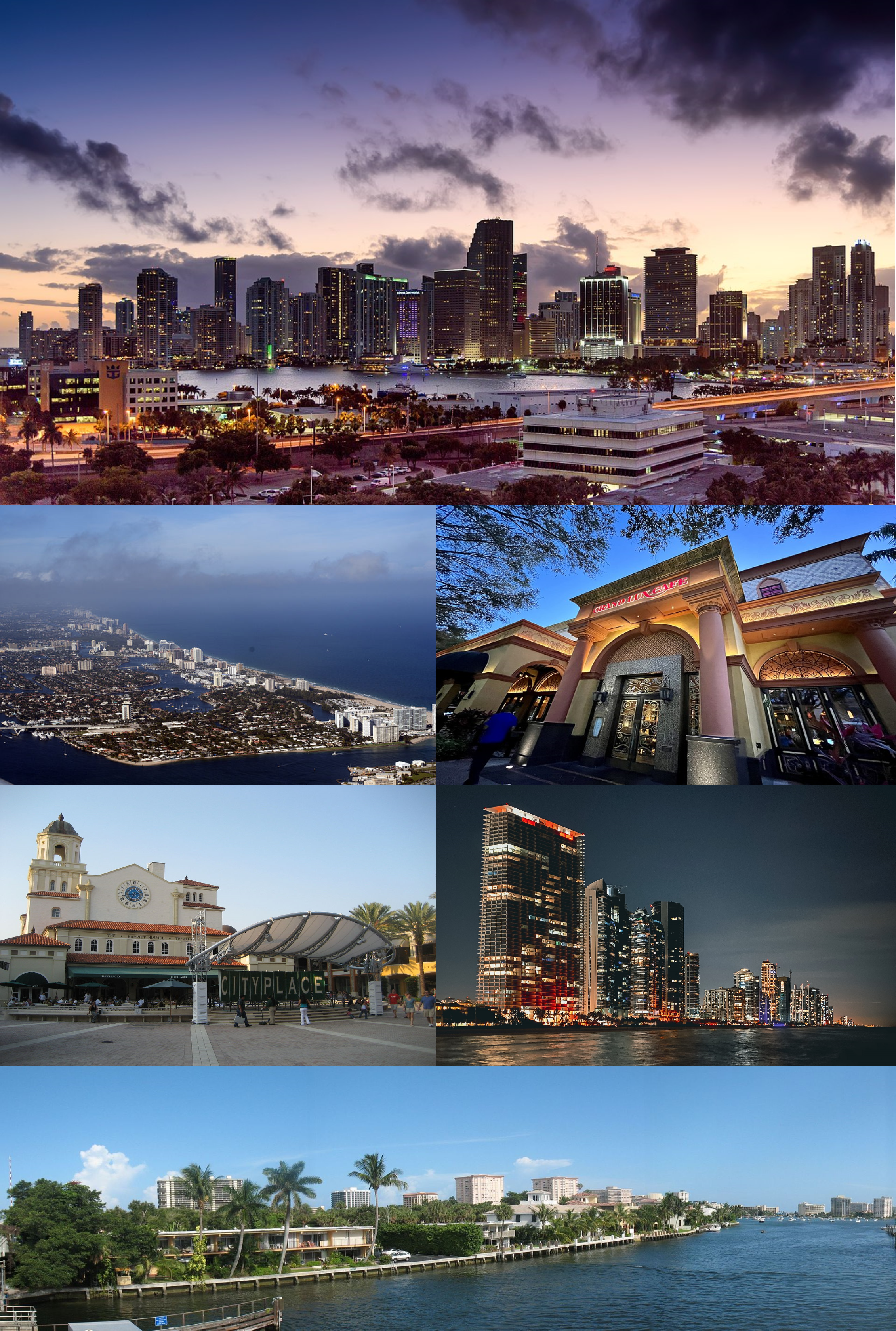
Experiencing Miami: Culture, Cuisine, and Community
The millions of people who inhabit Miami are not just numbers; they are the architects of its culture, the flavor of its cuisine, and the heartbeat of its community. Their stories, traditions, and daily lives infuse the city with an unparalleled vibrancy, creating a travel experience that goes far beyond its famous beaches.
From Little Havana to Wynwood: Iconic Landmarks and Cultural Hubs
Miami’s diverse population has forged distinct neighborhoods, each a landmark in its own right and a testament to the city’s multicultural spirit. These areas offer travelers a deeper understanding of the communities that make Miami so special.
Little Havana is perhaps the most famous example. Walking along Calle Ocho, you are transported to Cuba, with the sounds of salsa music, the aroma of strong coffee and cigar smoke, and the sight of locals playing dominoes at Maximo Gomez Park. It’s a living monument to the Cuban exile community and a crucial cultural experience for any visitor. Here, tourism intertwines with daily life, offering authentic culinary delights and a glimpse into a resilient heritage.
The Art Deco Historic District on South Beach, with its pastel-hued buildings along Ocean Drive, showcases another facet of Miami’s history and its appeal as a design and architectural mecca. This area, while a major tourist draw, is also home to a vibrant community that prides itself on preserving this unique architectural legacy.

Then there’s the Wynwood Walls in the Wynwood Arts District, a testament to Miami’s burgeoning contemporary art scene. What was once an industrial area has been transformed by artists and developers into a thriving hub of street art, galleries, boutiques, and eateries. This district is a perfect illustration of how a growing, youthful, and artistically inclined population can reimagine urban spaces, creating new attractions that blend local lifestyle with global tourism trends.
Other notable areas include the luxurious shops and galleries of the Design District, the lush residential beauty of Coral Gables with its Biltmore Hotel and Venetian Pool, and the bohemian charm of Coconut Grove, Miami’s oldest continuously inhabited neighborhood. Each of these places tells a story of the people who settled there, built communities, and ultimately shaped the fabric of this remarkable city.
Lifestyle and Leisure: More Than Just Beaches
While Miami is synonymous with its beautiful beaches, the city’s diverse population ensures a multifaceted lifestyle that caters to a wide array of interests beyond sunbathing and swimming. The variety of leisure activities, dining experiences, and cultural pursuits available directly reflects the rich tapestry of its residents.
For food enthusiasts, Miami’s culinary scene is a world tour on a plate. The sheer diversity of its population means you can find authentic flavors from nearly every corner of the globe. From classic Cuban sandwiches and strong cafecitos in Little Havana to gourmet fusion cuisine in South Beach and Brickell, the options are endless. Michelin-starred restaurants sit alongside beloved local eateries, offering experiences for every palate and budget. The annual South Beach Wine & Food Festival is a testament to this thriving food culture.
Beyond gastronomy, Miami offers a dynamic array of cultural and recreational activities. The city’s extensive waterways, including Biscayne Bay and the nearby Atlantic Ocean, invite sailing, paddleboarding, and yachting. For nature lovers, the proximity to Everglades National Park provides unparalleled opportunities for wildlife viewing and adventure. Urban parks like Bayfront Park and Maurice A. Ferré Park offer green spaces for relaxation and events.
The arts thrive here, with a vibrant performing arts scene, numerous theaters, and galleries. The annual Art Basel Miami Beach transforms the city into a global art hub, drawing collectors, artists, and enthusiasts from around the world. For those seeking retail therapy, Bal Harbour Shops offers luxury brands, while Bayside Marketplace provides a more casual waterfront shopping experience.
Miami’s diverse population also creates distinct lifestyle pockets. The high-energy, sophisticated urbanite lifestyle is prominent in Brickell, a bustling financial and residential district. In contrast, Coconut Grove maintains a more laid-back, bohemian vibe, attracting artists and families. This rich tapestry of lifestyles ensures that every visitor can find an experience that resonates with their personal preferences, whether it’s high-octane nightlife, serene natural escapes, or deep cultural immersion.
Navigating Growth: Challenges and Opportunities for Sustainable Tourism
The story of Miami’s population is one of continuous growth, dynamism, and adaptation. While this expansion fuels its status as a global destination, it also presents challenges and opportunities that will shape its future, particularly concerning sustainable tourism and urban development.
Balancing Development with Authenticity
Rapid population growth, coupled with relentless tourism, puts immense pressure on a city’s infrastructure and resources. Miami is no exception. The city grapples with issues such as traffic congestion, rising housing costs for its residents, and the environmental impact of development, especially given its vulnerable coastal location and threats from sea-level rise.
For the tourism industry, the challenge lies in balancing necessary development – new hotels, expanded attractions, improved transport – with the preservation of Miami’s unique cultural authenticity. Overtourism in certain areas could dilute the very charm that draws visitors, while unchecked construction might erase historic character. Initiatives focused on sustainable tourism aim to mitigate these impacts, promoting responsible travel that respects local communities and environments. This includes supporting local businesses, encouraging eco-friendly practices, and dispersing tourist activity beyond the most saturated areas.
The city’s diverse population plays a critical role in advocating for responsible growth, ensuring that development benefits all residents, not just transient visitors. Community-led efforts help safeguard the unique identities of neighborhoods like Little Havana or Overtown, guaranteeing that Miami retains its soul amidst its expansion.
The Future of Miami as a Global Destination
Looking ahead, Miami’s population trends suggest continued growth, driven by both domestic migration and international appeal. This growth is projected to further solidify its position as a major economic, cultural, and travel hub, not just for Florida or the United States, but for the entire Americas.
The city’s strategic location, its bustling Miami International Airport, and its increasingly sophisticated infrastructure are all primed to accommodate this expansion. The continuous influx of diverse populations will undoubtedly lead to new cultural fusions, innovative businesses, and evolving urban landscapes, offering fresh experiences for future travelers.
As Miami continues to grow, it will also likely expand its appeal to different segments of the travel market. Beyond its reputation for luxury and nightlife, it is increasingly seen as a destination for art, business, culinary exploration, and even eco-tourism, leveraging its proximity to natural wonders like the Everglades. The resilient and adaptable spirit of its residents will be key in navigating future challenges, from climate change impacts to urban density, ensuring that Miami remains a desirable place to live, work, and visit.
In conclusion, the question of “how many people live in Miami, Florida?” is far more complex than a simple census figure. It speaks to the vibrant tapestry of cultures, the dynamic economy, the myriad accommodation options, and the endless array of experiences that define this iconic city. The millions who call Miami and its surrounding areas home are not just inhabitants; they are the living, breathing essence of what makes Miami an unforgettable destination for travelers from around the globe. Their presence is the very foundation upon which Miami’s unique charm and enduring appeal are built.
LifeOutOfTheBox is a participant in the Amazon Services LLC Associates Program, an affiliate advertising program designed to provide a means for sites to earn advertising fees by advertising and linking to Amazon.com. Amazon, the Amazon logo, AmazonSupply, and the AmazonSupply logo are trademarks of Amazon.com, Inc. or its affiliates. As an Amazon Associate we earn affiliate commissions from qualifying purchases.