
The question of when the last Olympics were held in Los Angeles is one that carries significant historical weight for the city and the broader sporting world. While the city is currently preparing to host the world once again in 2028, the most recent time the Olympic flame burned in the United States second-largest city was in 1984. This event was not just a sporting competition; it was a landmark moment that reshaped the economic and architectural future of California. To understand the significance of these games, one must look at the physical landmarks and the historical context that have made Los Angeles one of only three cities in the world to be awarded the Olympic Games three times.
The Dawn of an Era: The 1932 Summer Olympics
Before we delve into the 1984 Games, we must acknowledge the first time the city hosted the world: the 1932 Summer Olympics. This era established Los Angeles as a global destination for sports and architecture. Despite the global economic downturn of the Great Depression, the city successfully staged an event that introduced several “firsts” that are now standard in the Olympic movement.
The Los Angeles Memorial Coliseum: A Temple of Sport
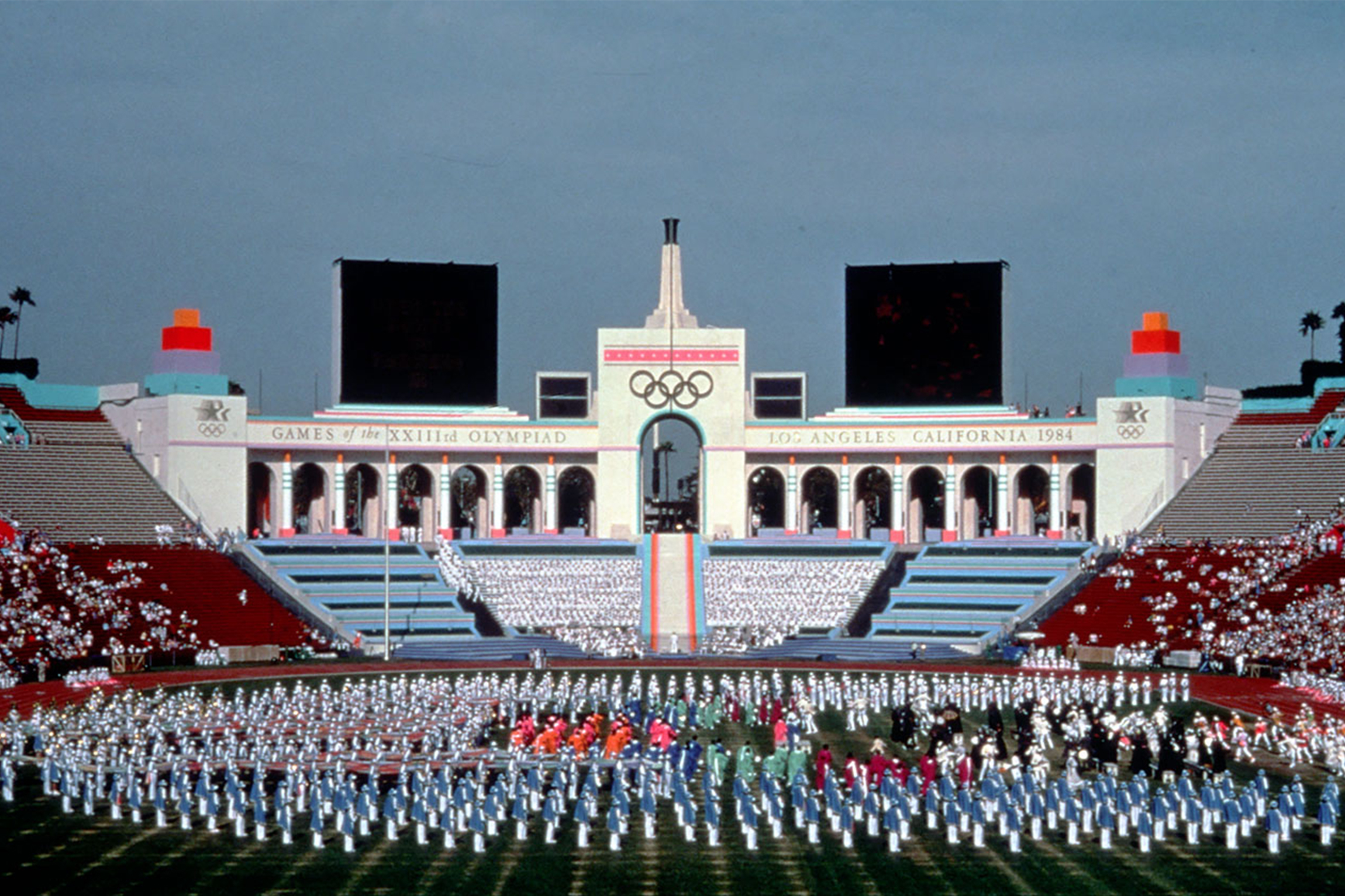
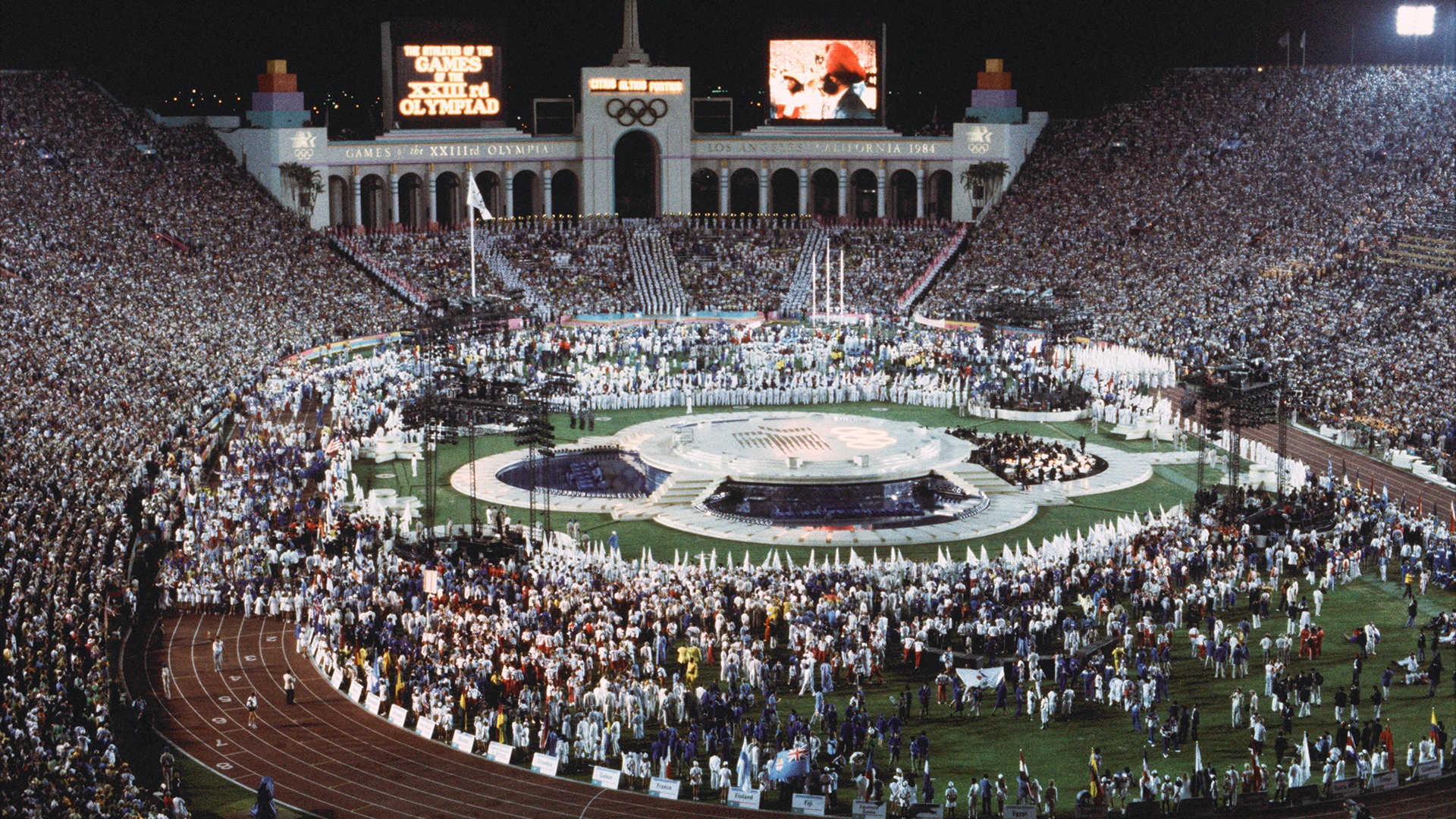
The most prominent landmark associated with the Los Angeles Olympics is the Los Angeles Memorial Coliseum. Completed in 1923 as a memorial to World War I veterans, the stadium underwent a massive expansion to host the 1932 Games. Located in Exposition Park, its massive concrete bowl and iconic peristyle remain a testament to early 20th-century engineering. The 1932 Games saw the introduction of the first victory podium, and the Los Angeles Memorial Coliseum was the first stadium to host both the opening and closing ceremonies as well as the track and field events. Today, it stands as a National Historic Landmark, continuing to serve as a primary venue for football and community events.
The Innovation of the Olympic Village
Another landmark development of the 1932 Games was the creation of the first true Olympic Village. Located in the Baldwin Hills area, this temporary residential complex housed male athletes from around the world. While the structures were temporary, the site itself is a historic landmark in urban planning, as it was the first time athletes were gathered in a centralized, secure environment. This concept revolutionized the way host cities manage the influx of international visitors and remains a core component of the modern Olympic Games.
The 1984 Summer Olympics: Redefining the Modern Games
The last time Los Angeles hosted the Olympics was in 1984. These Games are widely regarded as the most successful in the modern era, largely because the organizing committee, led by Peter Ueberroth, chose to utilize existing landmarks rather than building massive, expensive new venues. This “frugal” approach saved the city from the financial debt that had plagued previous hosts like Montreal.
Reusing Historic Landmarks to Save the Games
In 1984, the Los Angeles Memorial Coliseum once again took center stage, making it the only stadium in the world to host the main events for two separate Olympiads. However, the scope of the 1984 Games was much larger, spreading across the sprawling landscape of Southern California. Instead of constructing a new swimming stadium from scratch, the committee utilized the McDonald’s Olympic Swim Stadium (now the Uytengsu Aquatics Center) located on the campus of USC. This strategy of adaptive reuse preserved the architectural integrity of the city while providing world-class facilities for athletes.
The Economic and Cultural Impact on the Cityscape
The 1984 Games left a lasting mark on the Los Angeles economy, resulting in a surplus of over $200 million. This profit was used to establish the LA84 Foundation, which continues to fund youth sports programs across California today. Architecturally, the city saw a surge in “Supergraphics”—vibrant, temporary designs in magenta, vermillion, and aqua—that adorned landmarks throughout Santa Monica, Hollywood, and Downtown Los Angeles. These colors became synonymous with the 1984 aesthetic and influenced the city’s design language for a generation.

Key Landmarks Defined by Olympic History
The 1984 Olympics utilized landmarks that are now quintessential to the Los Angeles experience. Many of these sites are popular tourist destinations and historical points of interest that tell the story of the city’s sporting heritage.
The Rose Bowl Stadium and The Forum
Located in Pasadena, the Rose Bowl Stadium is one of the most famous landmarks in the United States. During the 1984 Games, it hosted the soccer finals, drawing record-breaking crowds. Its sprawling green grounds and historic architecture make it a centerpiece of the San Gabriel Valley. Similarly, The Forum in Inglewood, known for its distinct Roman-inspired columns, served as the venue for basketball. These landmarks were already established, but the Olympics cemented their status as world-class stages.
Educational Landmarks: UCLA and USC
The two major universities in Los Angeles played a vital role in the last Olympics. UCLA, situated in Westwood, served as the Olympic Village for the 1984 Games, housing athletes in its dormitories and using facilities like Pauley Pavilion for gymnastics. Meanwhile, USC, located near Exposition Park, was the hub for media and aquatics. The partnership between the games and these educational institutions ensured that the infrastructure would benefit students for decades to come, creating a legacy of excellence that is visible in the architecture of both campuses.
Beyond the City Center: Regional Landmarks
The 1984 Games also highlighted landmarks outside the immediate city limits. Santa Anita Park in Arcadia hosted equestrian events, showcasing its beautiful Art Deco architecture. Rowing and canoeing took place at Lake Casitas in Ventura County, bringing international attention to the natural beauty of the region. Even Long Beach played a part, with its harbor hosting sailing events. These landmarks demonstrate how the Olympics integrated the diverse geography of Southern California into a single, cohesive event.
Looking Toward 2028: The Next Chapter for Los Angeles Landmarks
As Los Angeles prepares for the 2028 Summer Olympics, the city is once again looking to its historic landmarks while introducing new architectural marvels to the world stage. The upcoming games will follow the successful 1984 model by utilizing existing structures, further solidifying the city’s commitment to sustainability and historical preservation.
New Additions to the Architectural Landscape
While the Los Angeles Memorial Coliseum will once again play a central role, new landmarks have joined the roster. The SoFi Stadium in Inglewood, a state-of-the-art facility with a translucent roof and open-air design, is slated to host the opening ceremony and swimming events. Nearby, the Intuit Dome will provide a modern venue for basketball. These additions represent the evolution of Los Angeles architecture, blending modern technology with the city’s traditional love for grand public spaces.
Preserving the Heritage of Past Games
A key focus for the 2028 Games is the preservation of the landmarks that made the 1932 and 1984 Olympics so memorable. Efforts are underway to renovate sections of the Los Angeles Memorial Coliseum while maintaining its historic character. The Biltmore Hotel in Downtown Los Angeles, which served as the headquarters for the International Olympic Committee in 1984, remains a vibrant landmark for visitors. By bridging the gap between the past and the future, Los Angeles continues to tell a story of resilience and innovation.
In conclusion, the last Olympics in Los Angeles occurred in 1984, but the physical and cultural landmarks of that era remain very much alive. From the historic arches of the Los Angeles Memorial Coliseum to the sprawling fields of the Rose Bowl Stadium, the city’s Olympic heritage is etched into its very foundations. As the world looks toward 2028, these landmarks will once again welcome the global community, proving that the spirit of the Games is a permanent resident of California. Whether you are exploring the natural beauty of Venice Beach or the academic halls of UCLA, the legacy of the Los Angeles Olympics is never far away.
LifeOutOfTheBox is a participant in the Amazon Services LLC Associates Program, an affiliate advertising program designed to provide a means for sites to earn advertising fees by advertising and linking to Amazon.com. Amazon, the Amazon logo, AmazonSupply, and the AmazonSupply logo are trademarks of Amazon.com, Inc. or its affiliates. As an Amazon Associate we earn affiliate commissions from qualifying purchases.