
The Los Angeles Chargers represent one of the most dynamic franchises in the National Football League, but for many years, fans and travelers alike questioned where the team would ultimately call home. Today, that question is answered by a towering feat of modern engineering and a true titan among global sporting venues. The Los Angeles Chargers play their home games at SoFi Stadium, a world-class architectural landmark located in Inglewood, California.
As a centerpiece of the burgeoning Hollywood Park entertainment complex, the stadium is more than just a football field; it is a destination that has redefined the skyline of Southern California. This landmark is celebrated not only for its massive scale but for its innovative integration of indoor and outdoor environments, reflecting the coastal climate and lifestyle of the Greater Los Angeles area.
The Architectural Marvel of SoFi Stadium
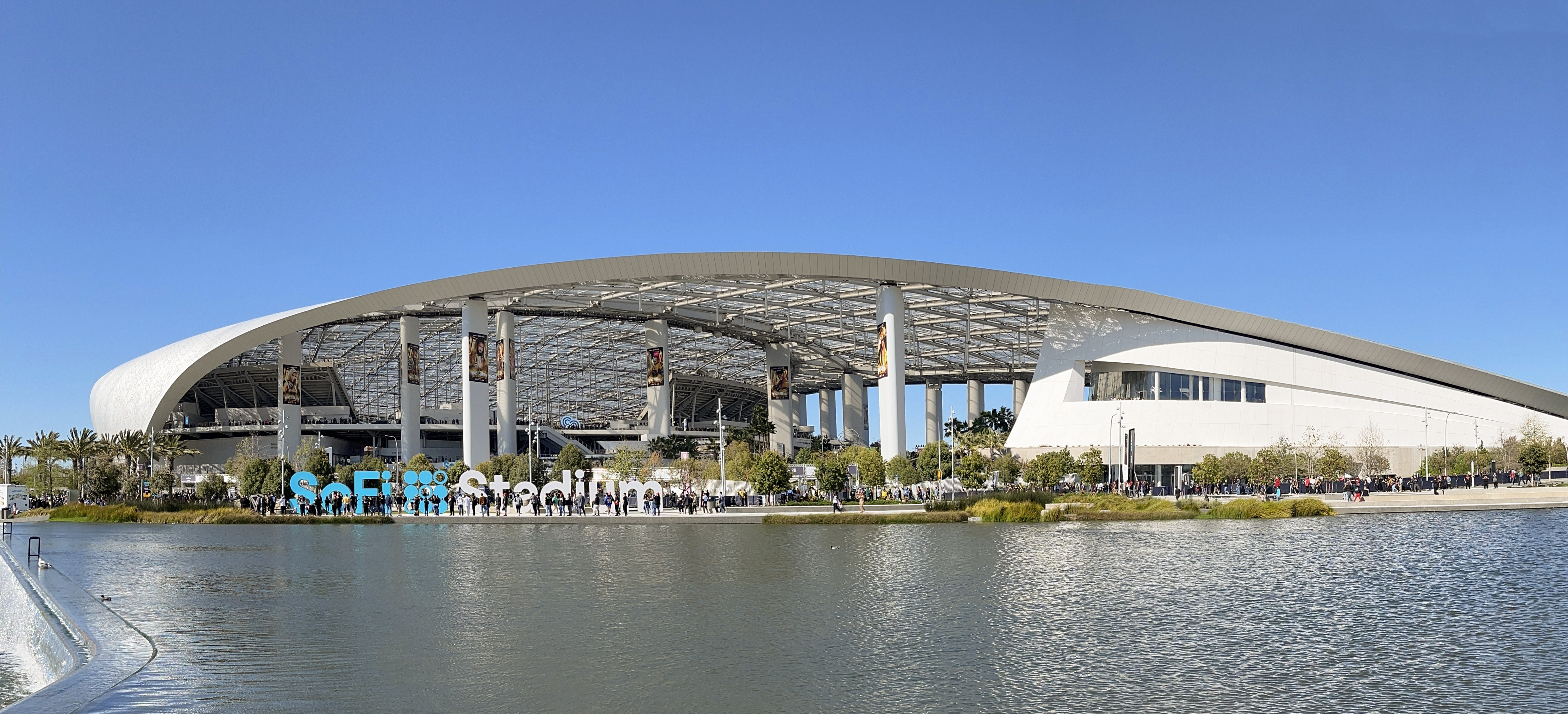
SoFi Stadium stands as the most expensive stadium ever built, with a price tag exceeding $5 billion. Designed by the renowned architectural firm HKS Inc, the venue serves as a dual-tenant home for both the Chargers and the Los Angeles Rams. Its design is a radical departure from traditional stadium aesthetics, focusing on transparency, fluid movement, and a deep connection to the surrounding Inglewood landscape.
Design and Innovation in Inglewood
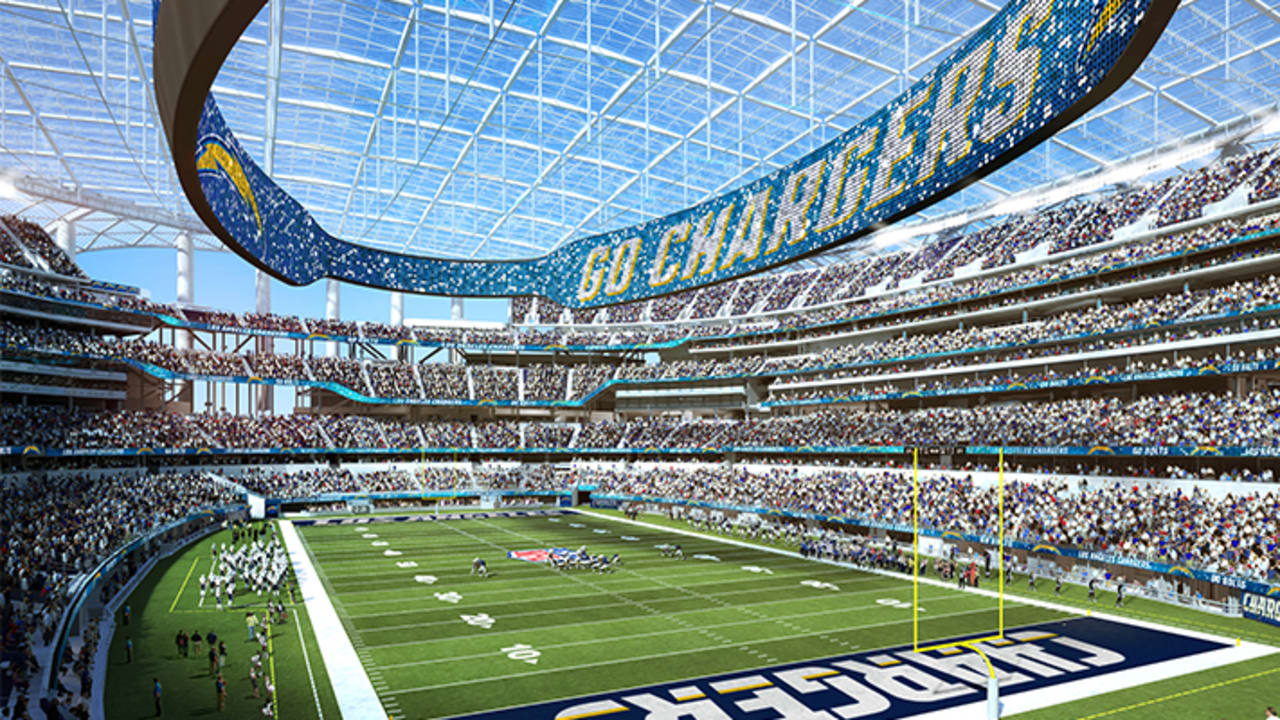
The most striking feature of this landmark is its translucent ETFE canopy. This massive, sweeping roof covers the stadium, the adjacent American Airlines Plaza, and the YouTube Theater, yet it remains detached from the stadium walls. This “indoor-outdoor” concept allows natural Pacific Ocean breezes to flow through the seating bowl, providing a comfortable environment for fans while protecting them from any rare California rain.
Because the stadium is located directly in the flight path of Los Angeles International Airport, or LAX, the architects had to think vertically. To comply with Federal Aviation Administration height restrictions, the playing field is situated 100 feet below ground level. This subterranean design creates a unique “canyon” effect, where fans descend into the earth to witness the spectacle of NFL football.
The Infinity Screen and Technological Integration
Inside the bowl, the Infinity Screen by Samsung dominates the visual experience. This double-sided, 4K HDR video board is the largest of its kind in professional sports. Suspended from the roof, the Infinity Screen circles the entire length of the field, ensuring that every seat in the house—from the luxury suites to the upper deck—has a crystal-clear view of replays, statistics, and live action. The integration of such technology cements SoFi Stadium as a landmark of the digital age, merging the physical intensity of the sport with high-definition entertainment.
The History and Relocation of the Los Angeles Chargers
Understanding where the Chargers play requires a look at their historical journey through California. The team has a storied history that began in Los Angeles in 1960 before spending decades as a staple of the San Diego sports scene. Their return to Los Angeles in 2017 marked a significant turning point in the franchise’s identity and its geographic footprint.
From San Diego to the StubHub Center
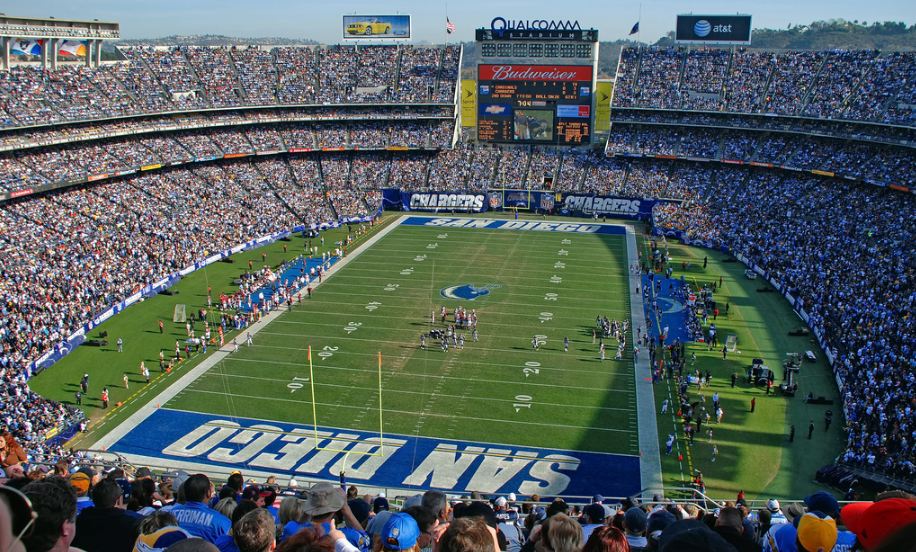
For 56 years, the Chargers called San Diego home, playing the majority of their games at Qualcomm Stadium. This venue was a classic multi-purpose stadium, but as the NFL modernized, the need for a contemporary facility became paramount. After years of negotiations for a new stadium in San Diego failed to materialize, owner Dean Spanos made the difficult decision to move the team back to its roots in Los Angeles.
During the construction of their permanent home in Inglewood, the Chargers played three seasons at the Dignity Health Sports Park (formerly the StubHub Center) in Carson. This was a unique era in team history, as the venue was a soccer-specific stadium with a capacity of only 27,000. While small by NFL standards, it provided an intimate, loud, and intense atmosphere that served as a bridge between the San Diego era and the grandeur of Hollywood Park.
Establishing a New Legacy at Hollywood Park
The move to SoFi Stadium in 2020 officially ushered in the current era of Chargers football. By sharing the stadium with the Rams, the Chargers became part of a sports epicentre that has since hosted Super Bowl LVI. The transition to this landmark facility allowed the team to expand its brand in a global market, attracting fans from across North America who come to marvel at the stadium as much as the game itself.
Exploring the Hollywood Park Entertainment District
SoFi Stadium is the crown jewel, but it is part of a much larger 300-acre master-planned community known as Hollywood Park. This district is a landmark in its own right, transforming what was once the Hollywood Park Racetrack into a vibrant hub of culture, business, and leisure.
YouTube Theater and Performance Spaces
Adjoined to the stadium is the YouTube Theater, a 6,000-seat state-of-the-art performance venue. This landmark hosts concerts, award shows, and community events, further diversifying the use of the site beyond the NFL season. The theater features premium acoustics and an intimate setting that contrasts with the massive scale of the neighboring stadium. Between the two structures lies the American Airlines Plaza, an open-air space that serves as a communal gathering point for fans before games and as a venue for public art and festivals.
Community Impact and Urban Transformation
The presence of the Chargers at this location has spurred a massive economic revitalization in Inglewood. Adjacent landmarks like The Forum and the new Intuit Dome—the future home of the Los Angeles Clippers—have created a sports and entertainment cluster that is virtually unrivaled in the United States. This transformation has turned a historic neighborhood into a global destination, making the question of where the Chargers play a central point of pride for the local community.
Visiting the Stadium: A Landmark Experience
For those traveling to see the Los Angeles Chargers play, the experience extends far beyond the four quarters of football. The stadium’s location and its amenities make it a premier landmark for any visitor to California.
Location and Accessibility in Greater Los Angeles
SoFi Stadium is strategically located in the heart of Southern California. It is approximately three miles from LAX, making it exceptionally accessible for international travelers and domestic fans flying in for a game. Its proximity to the 405 Freeway and the 105 Freeway connects it to other major landmarks such as Santa Monica, Venice Beach, and Downtown Los Angeles.
The stadium’s design also emphasizes the beauty of the Lake Park area, a man-made six-acre lake that surrounds part of the venue. This water feature is not only aesthetic but also functional, serving as a reclaimed water system for the park’s landscaping, highlighting the landmark’s commitment to sustainability.
Stadium Tours and Behind-the-Scenes Access
Even on non-game days, SoFi Stadium remains a hive of activity. The stadium offers comprehensive tours that allow visitors to go behind the scenes of this engineering marvel. Tour participants can visit the Chargers locker room, walk through the ultra-exclusive Google Cloud Suites, and even step onto the turf where the players compete. These tours provide deep insights into the stadium’s construction, the history of the Los Angeles Chargers, and the future of sports technology.
The stadium has already secured its place in history by hosting the College Football Playoff National Championship and WrestleMania 39. Looking forward, it is slated to be a primary venue for the FIFA World Cup 2026 and the opening and closing ceremonies of the 2028 Summer Olympics. This trajectory ensures that the home of the Chargers will remain one of the most significant landmarks in the world for decades to come.
In conclusion, when asking “Where do the Los Angeles Chargers play?”, the answer is found in the architectural masterpiece of SoFi Stadium. This venue is a testament to the ambition of Los Angeles and the enduring legacy of the NFL. Whether you are a die-hard football fan or an admirer of modern architecture, the stadium in Inglewood offers a landmark experience that captures the spirit of California innovation and the thrill of professional sports.
LifeOutOfTheBox is a participant in the Amazon Services LLC Associates Program, an affiliate advertising program designed to provide a means for sites to earn advertising fees by advertising and linking to Amazon.com. Amazon, the Amazon logo, AmazonSupply, and the AmazonSupply logo are trademarks of Amazon.com, Inc. or its affiliates. As an Amazon Associate we earn affiliate commissions from qualifying purchases.