
Navigating the sprawling landscape of Southern California can often feel like a puzzle, and for many travelers, the centerpiece of that puzzle is Los Angeles International Airport, widely known by its IATA code, LAX. As the primary gateway to the United States for millions of international visitors and the heartbeat of aviation in California, understanding exactly where this massive hub sits within the city of Los Angeles is essential for a seamless travel experience. Whether you are a first-time visitor or a seasoned business traveler, locating LAX involves more than just a pin on a map; it requires an understanding of its unique geographic placement, its neighboring communities, and the intricate web of transit that connects it to the rest of the region.
Understanding the Geographic Heart of Westchester
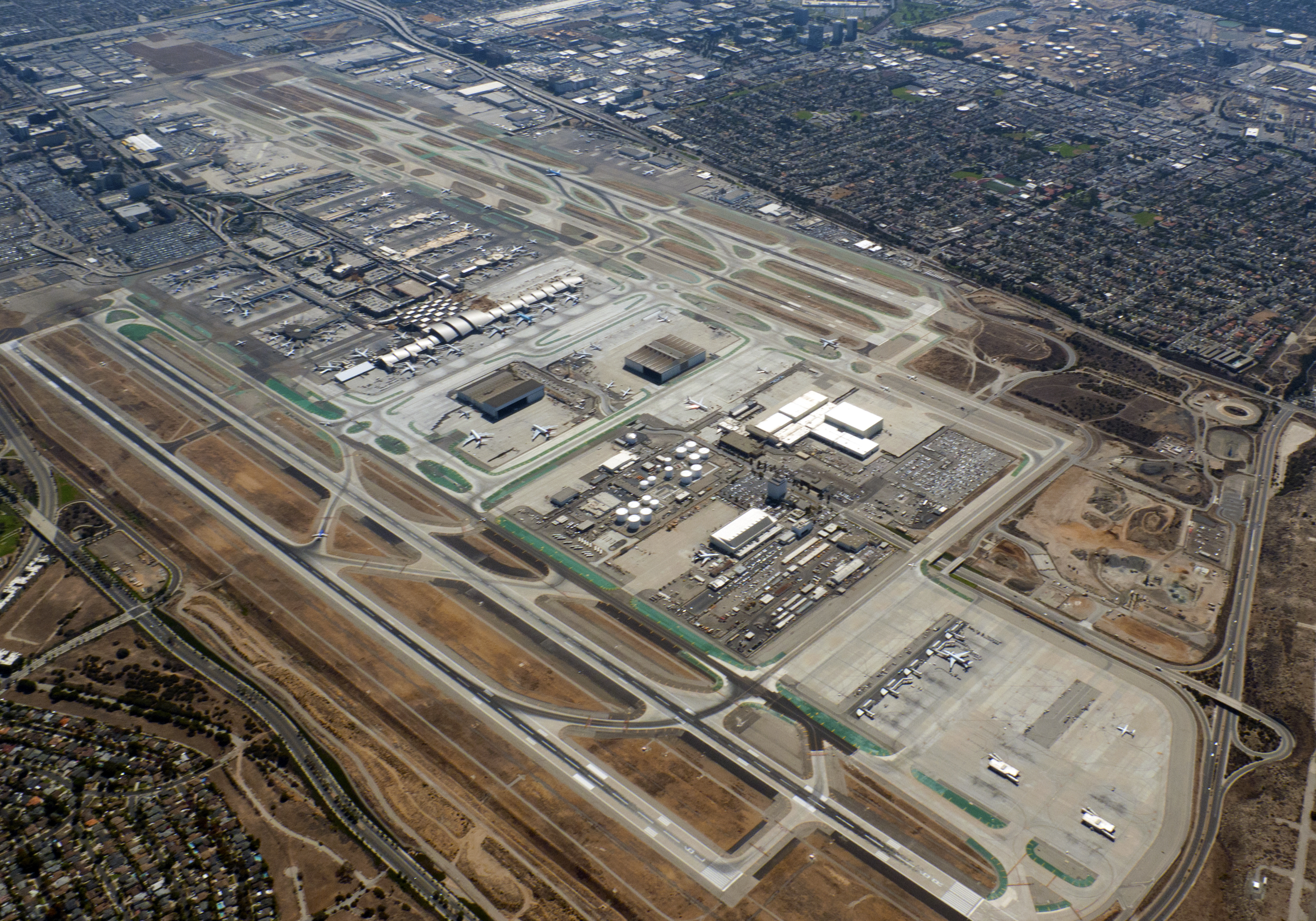
Los Angeles International Airport is situated in the southwestern part of Los Angeles, occupying approximately 3,500 acres of land. Specifically, it is located within the neighborhood of Westchester, a suburban area that has evolved in tandem with the airport’s growth over the last century. Unlike some global cities where the airport is located deep in the countryside, LAX is firmly embedded in the urban fabric of the city, positioned roughly 18 miles southwest of Downtown Los Angeles.
The Coastal Influence: Proximity to the Pacific Ocean
One of the most defining characteristics of the LAX location is its proximity to the Pacific Ocean. The airport is bordered on the west by the ocean, which not only provides a stunning backdrop for takeoffs and landings but also plays a critical role in the airport’s operations. The marine layer and coastal breezes often influence the local climate, keeping the runways cooler than the inland valleys of California. For travelers, this means that even on a sweltering day in Pasadena or the San Fernando Valley, the air at LAX may remain temperate and misty.
Neighboring Districts: El Segundo and Playa Del Rey
To the south of the airport lies the city of El Segundo, an industrial and aerospace hub that shares a deep history with the aviation industry. To the north is Playa Del Rey, a quieter residential beach community, and further north sits the tech-heavy enclave of Silicon Beach, which includes Marina Del Rey and Venice Beach. To the east, LAX is bounded by the city of Inglewood and the community of Lennox. This placement makes LAX a central point for the “South Bay” region, connecting the coastal charm of the beach cities with the bustling energy of the metropolitan core.
Navigating the Hub: How to Reach LAX from Key Los Angeles Neighborhoods
Because Los Angeles is famous for its traffic and expansive geography, knowing where the airport is located relative to your final destination is the first step in planning your itinerary. The time it takes to reach LAX can vary wildly depending on the time of day and the specific route taken.
Coming from Santa Monica and Venice Beach
For those staying in the trendy coastal areas of Santa Monica or Venice Beach, LAX is remarkably accessible. Located just a few miles south, the drive usually involves a straight shot down Lincoln Boulevard or Sepulveda Boulevard. Under ideal conditions, this journey can take as little as 20 to 30 minutes. However, during the afternoon rush, the congestion around the Pacific Coast Highway can significantly increase travel time.
The Journey from Downtown Los Angeles
Traveling from Downtown Los Angeles to LAX is a classic Southern California commute. The most common route is via the Harbor Freeway (I-110) south to the Glenn Anderson Freeway (I-105) west. Alternatively, many drivers take the Santa Monica Freeway (I-10) to the San Diego Freeway (I-405). While the distance is only about 18 miles, travelers should always budget at least an hour, if not more, to account for the unpredictable nature of California traffic.
Accessing the Airport from Hollywood and Beverly Hills
For visitors coming from iconic locales like Hollywood or Beverly Hills, the route to LAX typically involves navigating surface streets to reach the I-405 south. Hollywood is approximately 15 miles from the airport, but because there is no direct freeway connection that avoids the major interchanges, this can be one of the more challenging drives. Using a ride-share service or the FlyAway Bus from Union Station are popular alternatives to avoid the stress of driving through the Wilshire corridor.
Public Transport and Modern Infrastructure
While Los Angeles has historically been a car-centric city, significant strides have been made to improve public transit access to LAX. Understanding these options is vital for those who wish to avoid the high costs of parking or the volatility of ride-share pricing.

The FlyAway Bus Service
The FlyAway Bus is perhaps the most convenient public transit link for tourists. It provides non-stop service between LAX and several key locations, including Union Station and Van Nuys. This service allows passengers to bypass the stress of driving and drops them off directly at the departure level of each terminal.
Future Connectivity: The People Mover and Metro Rail
The Los Angeles County Metropolitan Transportation Authority, known as LA Metro, is currently undergoing a massive transformation to better serve the airport. The Automated People Mover (APM) project is a centerpiece of this effort. Once completed, this electric train system will connect the airport terminals to a new Consolidated Rent-A-Car facility and the Metro C Line. Currently, travelers can take the C Line to the Aviation/LAX Station and board a free shuttle to reach the terminals.
Exploring Beyond the Terminal: Nearby Attractions
If you find yourself with a long layover at LAX, you don’t have to stay confined to the terminal. The airport’s location in Westchester places it within minutes of several unique California experiences.
Dockweiler Beach and Recreational Areas
Just west of the runways lies Dockweiler Beach. This is one of the few beaches in Los Angeles where you can have a bonfire in designated pits. It is also a premier spot for hang gliding and offers a front-row seat to planes ascending directly over the Pacific Ocean. A short Uber or Lyft can take you from the terminal to the sand in less than 15 minutes.
Cultural Highlights: The Flight Path Museum & Learning Center
For aviation enthusiasts, the Flight Path Museum & Learning Center is a hidden gem located on the south side of the airport complex on Imperial Highway. It offers a deep dive into the history of aviation in Southern California, featuring galleries of flight attendant uniforms, scale models, and information on the role of LAX in global commerce.
The Famous In-N-Out Burger
No trip to LAX is complete without mentioning the In-N-Out Burger on Sepulveda Boulevard. Located just north of the runways, it is world-renowned among planespotters. Travelers can enjoy a classic burger while watching massive Airbus A380 and Boeing 747 aircraft descend just hundreds of feet above their heads.
Essential Tips for the First-Time LAX Traveler
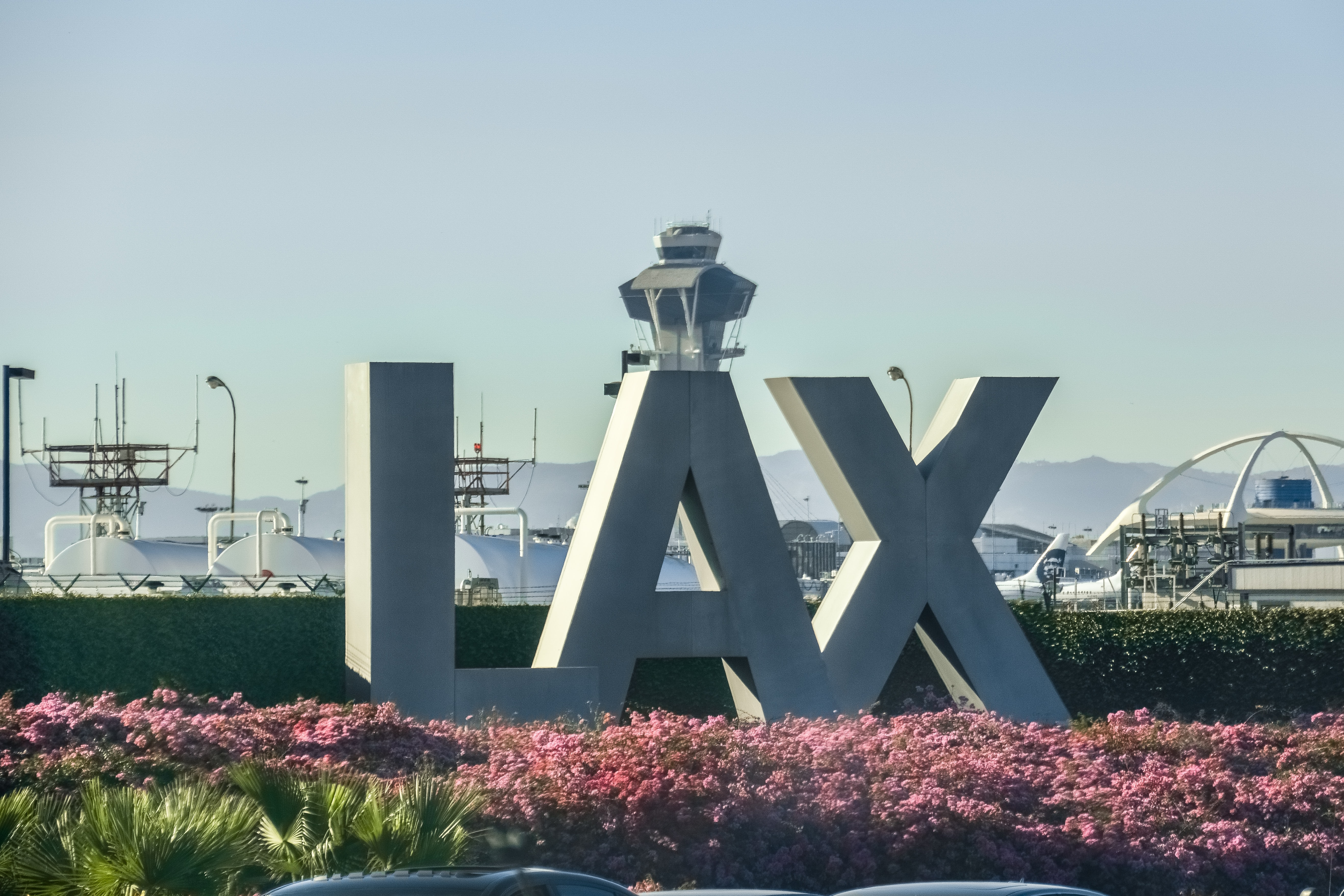
Because of its sheer size and the complexity of its layout, visiting LAX requires a bit of strategic planning. The airport consists of nine passenger terminals arranged in a “U” shape, often referred to as the Central Terminal Area.
Timing Your Arrival: Dealing with Los Angeles Traffic
The golden rule for LAX is to arrive early. For domestic flights, arriving two hours before departure is standard, but for international flights departing from the Tom Bradley International Terminal, three hours is recommended. The traffic within the airport loop itself—the horseshoe road that serves the terminals—can sometimes take 30 minutes to navigate during peak periods.
Terminal Layout and Connections
Navigating between terminals has become easier over the years. Most terminals are now connected airside (behind security), allowing passengers to walk from Terminal 4 through Terminal 8 without exiting the secure area. However, moving from the north side (Terminals 1, 2, 3) to the south side often still requires a shuttle or a walk through the landside arrivals level.
Los Angeles International Airport is more than just a transit point; it is a geographic landmark that defines the western edge of Los Angeles. By understanding its position in Westchester, its proximity to the Pacific Ocean, and its relationship with neighbors like El Segundo and Santa Monica, you can navigate the city with the confidence of a local. Whether you are heading to Griffith Observatory, The Getty Center, or the Santa Monica Pier, your journey begins at this iconic coastal hub.
LifeOutOfTheBox is a participant in the Amazon Services LLC Associates Program, an affiliate advertising program designed to provide a means for sites to earn advertising fees by advertising and linking to Amazon.com. Amazon, the Amazon logo, AmazonSupply, and the AmazonSupply logo are trademarks of Amazon.com, Inc. or its affiliates. As an Amazon Associate we earn affiliate commissions from qualifying purchases.