
The natural landscape of Louisiana is often associated with the mysterious depths of the Atchafalaya Basin, the slow-moving currents of the Mississippi River, and the dense pine forests of the north. For those who venture into these wild spaces, a common question arises: Are there wolves in Louisiana? To answer this, one must look beyond the present day and delve into the complex ecological history of the United States. While the howl of a wolf is no longer a common sound in the Pelican State, the history of the Red Wolf is deeply intertwined with the geography and natural landmarks of this unique region.
The Historical Presence of the Red Wolf in Louisiana
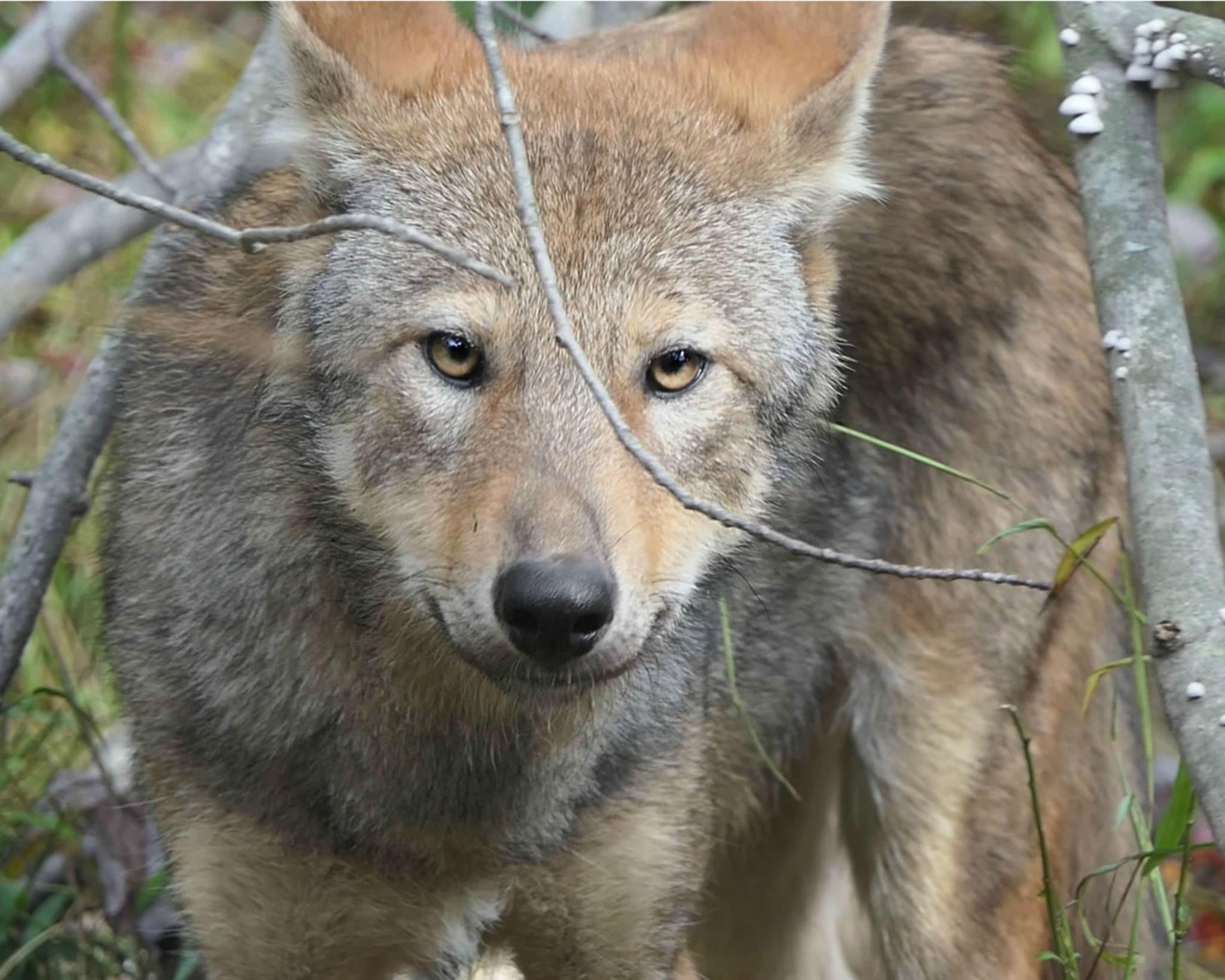
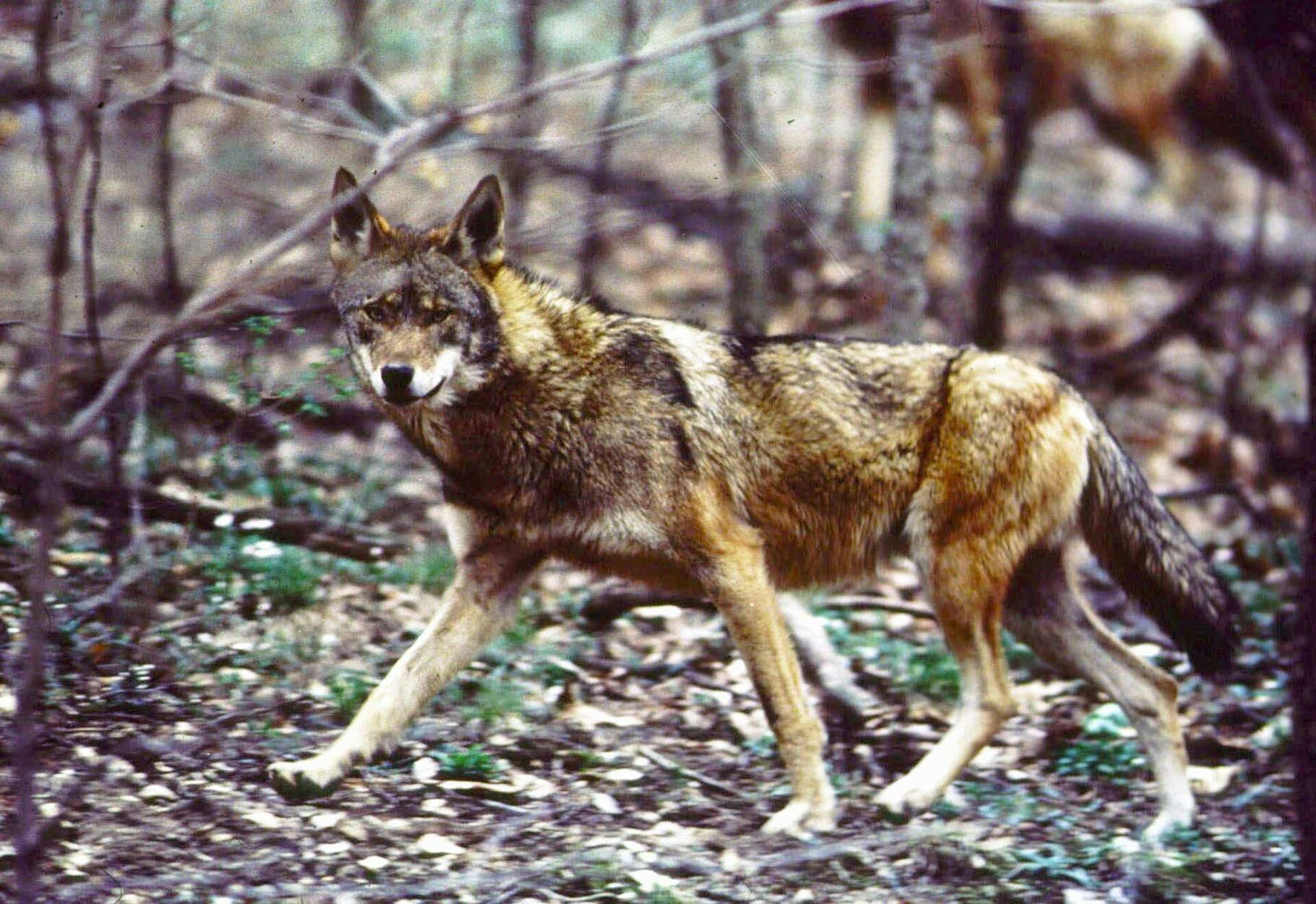
Historically, the United States was home to various wolf species, but the southeastern region, including Louisiana, was the primary domain of the Red Wolf. Unlike the larger Gray Wolf found in the Rocky Mountains or Canada, the Red Wolf is a distinct species, smaller in stature and possessing a reddish-cinnamon coat that allowed it to blend into the brush and pine barrens of the South.
The Red Wolf: Louisiana’s Native Predator
The Red Wolf once roamed across a vast territory stretching from Texas to Florida and as far north as New York. In Louisiana, these predators played a vital role in the ecosystem, managing the populations of smaller mammals and deer. They were particularly prevalent in the coastal prairies and the dense forests that once covered much of the state. These wolves were highly adaptable, surviving in both the swamplands near New Orleans and the rolling hills of the northern parishes.
Habitat and Range in the Early 20th Century
In the early 1900s, the Red Wolf was still a relatively common sight in rural areas. However, as agriculture expanded and the timber industry grew in Louisiana, the habitat for these animals began to shrink. The clearing of land for cotton and sugarcane, combined with active predator control programs, pushed the Red Wolf into smaller and more isolated pockets of the state. By the mid-20th century, sightings became rare, and the species began to face a genetic crisis that would ultimately lead to its disappearance from the wild in Louisiana.
The Disappearance and the Rise of the Coyote
The story of wolves in Louisiana is not just one of extinction, but also one of transformation. As the Red Wolf population dwindled, another canine began to move into the vacuum left behind: the Coyote. This shift changed the landscape of wildlife in the state and created a biological puzzle that scientists are still trying to solve today.
Extinction in the Wild
By the 1970s, the Red Wolf was officially declared an endangered species in the United States. The last remaining wild Red Wolves were captured from the coastal areas of Louisiana and Texas to initiate a captive breeding program. The goal was to prevent total extinction, as the wild population had become so sparse that the animals were struggling to find mates of their own kind. In 1980, the Red Wolf was declared extinct in the wild, leaving the forests of Louisiana without their apex canine predator for the first time in millennia.
Hybridization and the “Ghost DNA”
One of the primary reasons for the Red Wolf’s decline was hybridization with Coyotes. As Red Wolf numbers dropped, they began breeding with the more adaptable Coyotes that were moving eastward from Texas. This resulted in a population of hybrids often referred to as “Coywolves.” Interestingly, recent genetic studies conducted by the United States Fish and Wildlife Service have discovered “ghost DNA” in the Coyote populations of Louisiana. This means that while pure Red Wolves no longer roam the state, their genetic legacy survives within the local Coyotes, particularly in the coastal marshes and near the Gulf of Mexico.
Natural Landmarks and Potential Habitats
Though wolves are no longer a resident species, Louisiana remains home to some of the most impressive natural landmarks in North America. These areas offer a glimpse into the type of environment that once supported thriving wolf packs and continue to support a diverse array of wildlife today.
Kisatchie National Forest
Located near Alexandria, Kisatchie National Forest is the only national forest in Louisiana. It spans over 600,000 acres and represents what much of the state’s interior once looked like. With its longleaf pine savannas and rugged hills, Kisatchie National Forest would have been prime territory for the Red Wolf. Today, visitors to the forest can hike the Wild Azalea Trail or explore the Cunningham Brake, imagining the days when wolves prowled these woods.
The Atchafalaya Basin
The Atchafalaya Basin is the largest wetland and swamp in the United States. This massive natural landmark, situated between Lafayette and Baton Rouge, is a labyrinth of bayous and cypress trees. While it is more famous for its alligators and birdlife, the drier ridges within the basin once provided refuge for wolves. The basin remains a vital ecological corridor, and its preservation is essential for the survival of other large mammals like the Louisiana Black Bear.
Sabine National Wildlife Refuge
Situated in the southwestern corner of the state, the Sabine National Wildlife Refuge protects a vast area of coastal marsh. This region was one of the last strongholds for the Red Wolf before they were removed for captive breeding. The refuge is a testament to the rugged beauty of the Louisiana coastline and serves as a critical habitat for migratory birds and various aquatic species.
Conservation Efforts and Education
While you cannot find wolves in the wild forests of Louisiana today, there are significant efforts underway to preserve the species and educate the public about their importance. Conservationists are working tirelessly to ensure that the Red Wolf does not become a mere footnote in history.
The Red Wolf Recovery Program
The United States Fish and Wildlife Service manages a recovery program that has seen Red Wolves reintroduced to a small area in North Carolina. While there are currently no active reintroduction sites in Louisiana, the state plays a role through research and captive breeding facilities. Scientists continue to monitor the Coyote populations in Louisiana to understand how much Red Wolf DNA remains and whether this genetic reservoir can be used for future conservation efforts.
Zoos and Wildlife Centers
For those who wish to see a Red Wolf in person, several institutions in the region participate in the Red Wolf Species Survival Plan. The Audubon Zoo in New Orleans is a premier landmark for wildlife education and has historically hosted Red Wolves to raise awareness about their plight. Similarly, the Global Wildlife Center in Folsom offers an immersive experience where visitors can learn about endangered species from around the world, emphasizing the importance of biodiversity and habitat protection.
The Future of the Wild in Louisiana
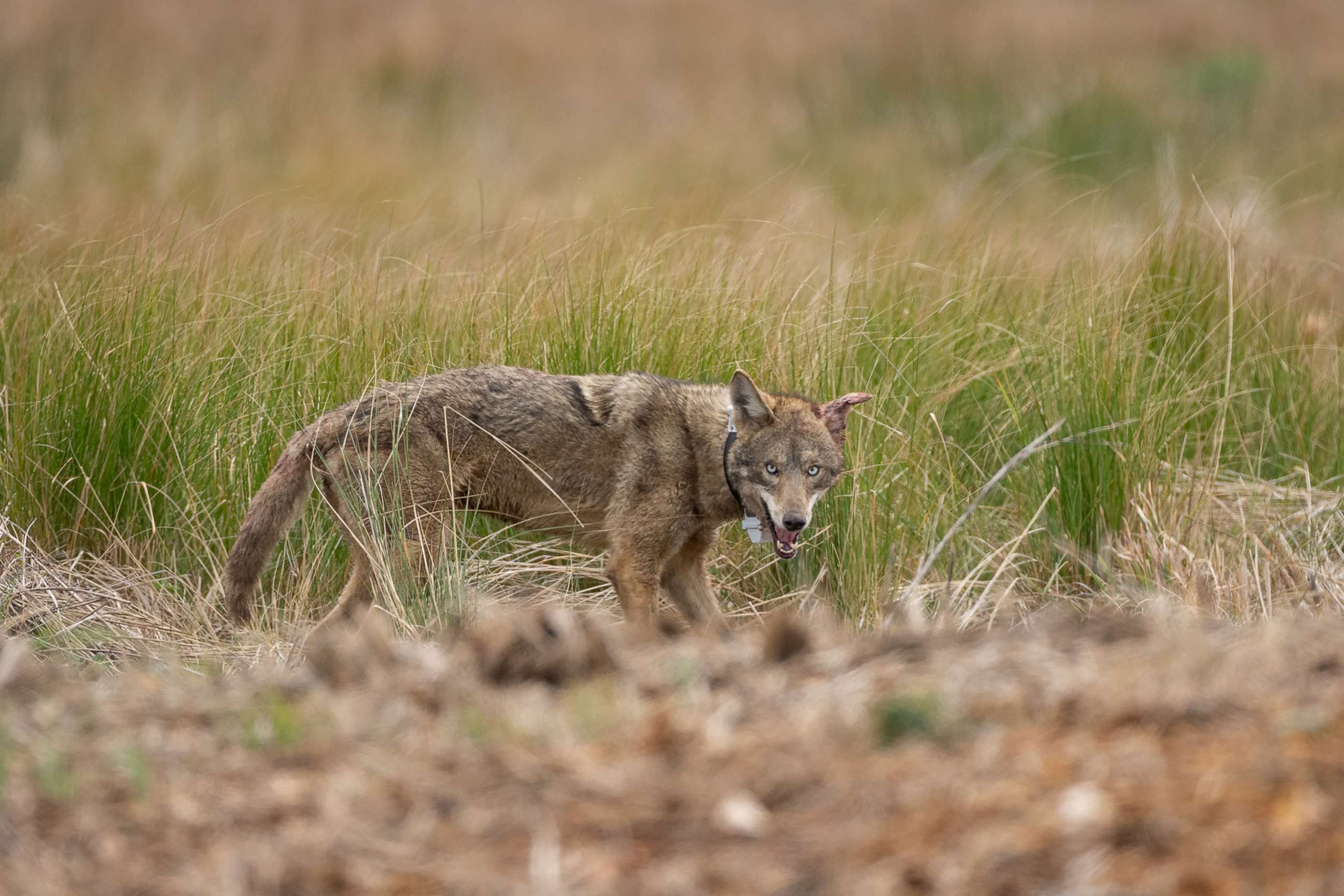
The question of whether wolves will ever return to Louisiana remains open. Some ecologists argue that reintroducing the Red Wolf to large tracts of land, such as Kisatchie National Forest, could help restore the natural balance of the ecosystem. However, such a move requires significant public support and careful planning to coexist with the human population and agricultural interests. For now, the “wolves” of Louisiana exist in the DNA of its coyotes and in the stories of the land.
The natural history of Louisiana is a rich tapestry of beauty and loss. From the heights of Driskill Mountain to the depths of the Gulf of Mexico, the state’s landmarks tell a story of a wild past. While the Red Wolf may be missing from the current landscape, the preservation of the state’s forests and wetlands ensures that the spirit of the wild remains alive. Whether you are exploring the trails of Arkansas or the bayous of the South, understanding the role of apex predators like the wolf provides a deeper appreciation for the delicate balance of nature in this corner of the United States.
LifeOutOfTheBox is a participant in the Amazon Services LLC Associates Program, an affiliate advertising program designed to provide a means for sites to earn advertising fees by advertising and linking to Amazon.com. Amazon, the Amazon logo, AmazonSupply, and the AmazonSupply logo are trademarks of Amazon.com, Inc. or its affiliates. As an Amazon Associate we earn affiliate commissions from qualifying purchases.