
The question of capital punishment is one that touches upon the very core of a state’s legal, moral, and historical identity. In the United States, the application of the death penalty varies significantly from one jurisdiction to another, and the state of Louisiana stands as a profound example of this complexity. To answer the question directly: yes, Louisiana does currently have the death penalty on its books. However, the story of how this penalty is administered, where the laws are debated, and the landmarks that bear witness to this history is a journey through some of the most significant sites in the American South.
From the towering heights of the Louisiana State Capitol to the somber gates of the Louisiana State Penitentiary, the infrastructure of justice in this state is as much about architecture and history as it is about law. Understanding the current status of the death penalty requires an exploration of these landmarks, each of which tells a different chapter of the state’s long and often turbulent legal narrative.
The Architectural Seat of Law: The State Capitols
The legal framework for capital punishment in Louisiana is forged within the halls of its legislative buildings. These landmarks are not just offices for bureaucrats; they are the physical manifestations of the state’s power to govern, punish, and reform.
The Louisiana State Capitol in Baton Rouge
Standing as the tallest capitol building in the United States, the Louisiana State Capitol in Baton Rouge is a masterpiece of Art Deco design. Completed in 1932 under the direction of Governor Huey P. Long, the building is a landmark of immense historical significance. Within its granite and marble walls, legislators debate the statutes that govern capital punishment.
The building itself is a symbol of the state’s transition from the colonial legal traditions of France and Spain to a modern American legal system. The exterior is adorned with reliefs depicting the history of Louisiana, while the interior House and Senate chambers are where the life-and-death decisions regarding the penal code are finalized. For visitors interested in the intersection of law and architecture, the capitol offers a vertical timeline of the state’s legislative evolution.
The Old State Capitol
Before the current tower was erected, the seat of power resided in the Old State Capitol. Often referred to as the “Castle on the River,” this Gothic Revival landmark overlooks the Mississippi River and serves as a reminder of the state’s 19th-century legal struggles.
During the period when the Old State Capitol was active, the death penalty was a common feature of the criminal justice system, often carried out with far less public debate than today. Today, the building serves as a museum of political history, housing artifacts and exhibits that detail how laws regarding the “ultimate punishment” have shifted over the decades. It stands as a testament to the endurance of Louisiana law through the Civil War, Reconstruction, and into the modern era.
The Landmark of Incarceration: Louisiana State Penitentiary
To understand the reality of the death penalty in Louisiana, one must look toward the West Feliciana Parish. It is here that one of the most famous—and infamous—landmarks of the American penal system is located: the Louisiana State Penitentiary, commonly known as Angola.
The Geography and History of Angola
Named after the African country from which many of the former plantation’s enslaved people originated, Angola is a 18,000-acre site bordered on three sides by the Mississippi River. This geographic isolation makes it a formidable landmark. It is the only maximum-security prison in the state and is the site where all of Louisiana’s executions take place.
The history of Angola is a mirror of the state’s complex relationship with labor and punishment. Following the abolition of slavery, the site transitioned into a prison farm, where the “convict leasing” system became a brutal reality. Over time, it evolved into a modern correctional facility, yet it remains a landmark that evokes strong emotions regarding the nature of justice and the history of the death penalty in the South.
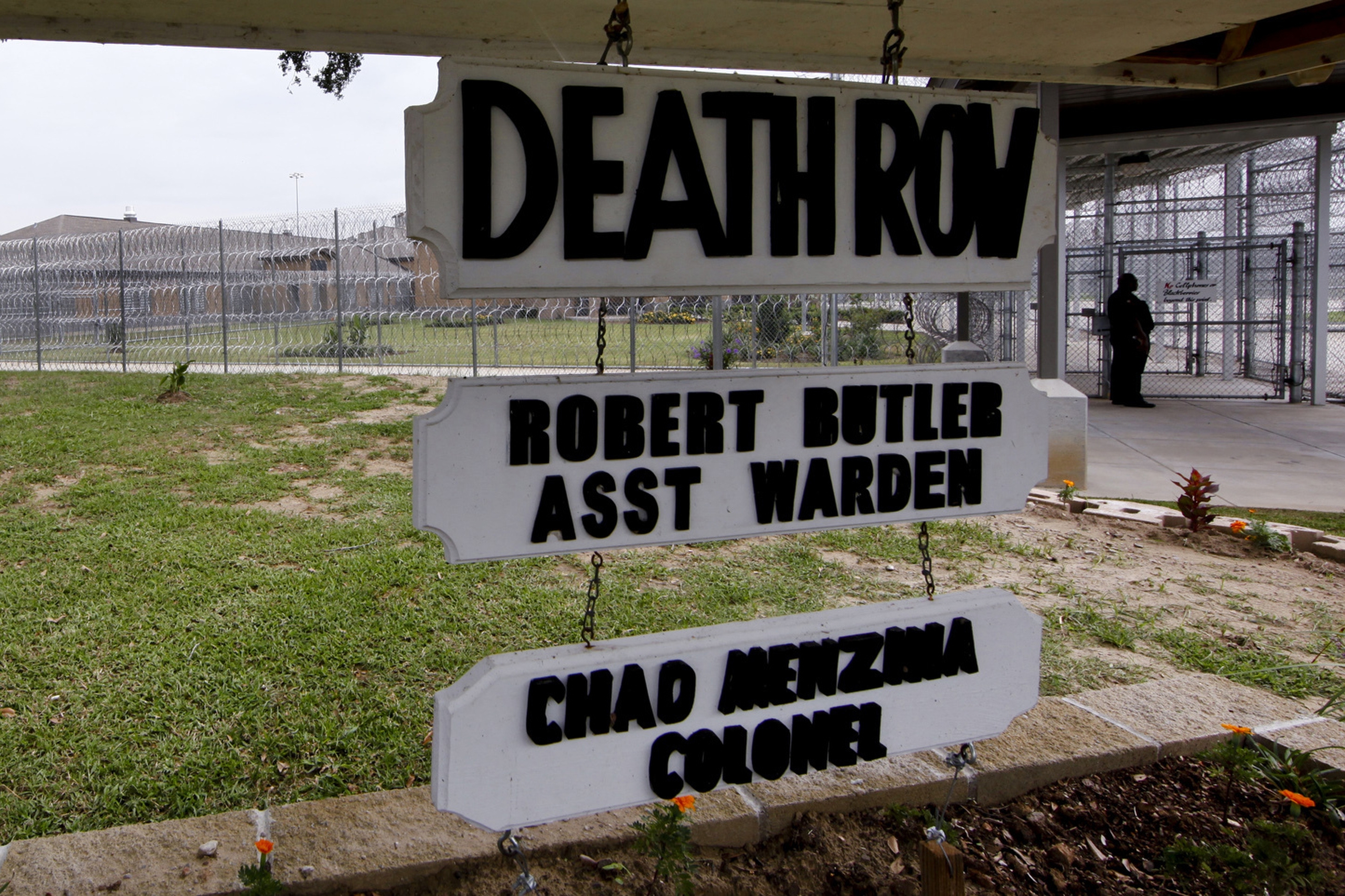
The Red Hat Cell Block and Death Row

Within the sprawling grounds of Angola lie specific sites that have gained landmark status for their role in the history of capital punishment. The Red Hat Cell Block is perhaps the most notorious. Once used to house the most dangerous inmates and those on death row, it is now listed on the National Register of Historic Places.
Visiting this site provides a chilling look at the conditions of mid-20th-century incarceration. While modern death row facilities have moved to different areas of the complex, the Red Hat Cell Block serves as a physical reminder of the state’s long history with the death penalty. Today, while executions have slowed to a near-halt due to legal challenges and the difficulty of obtaining lethal injection drugs, the infrastructure for the penalty remains a permanent fixture of the Louisiana State Penitentiary.
Historical Urban Landmarks and the Public Nature of Justice
The application of the death penalty has not always been hidden behind the high walls of a penitentiary. In the early history of Louisiana, justice was a public affair, and several landmarks in New Orleans serve as reminders of this era.
Jackson Square and the French Quarter
In the heart of the French Quarter, Jackson Square is today a vibrant center of art, music, and tourism. However, during the colonial era under France and later Spain, it was the primary site for public executions. This central plaza, flanked by the St. Louis Cathedral and the Cabildo, was where the state’s ultimate authority was most visibly displayed.
The Cabildo, which served as the seat of the Spanish municipal government, is another critical landmark. It was here that the Louisiana Purchase was finalized, but it was also where the colonial courts handed down sentences of death. The transition from these public displays of justice in New Orleans to the private, highly regulated processes in St. Francisville represents a major shift in the state’s cultural and legal approach to the death penalty.
The Evolution of the Execution Method
The methods used in Louisiana have evolved alongside its landmarks. From the gallows of the 19th century to the introduction of “Gruesome Gertie,” the state’s infamous portable electric chair, the technology of punishment is documented in various historical sites. “Gruesome Gertie” herself is now an artifact, often discussed in the context of the Angola Museum.
The shift to lethal injection in the late 20th century moved the process further into the realm of medicalized, private procedure, yet the debate continues to return to the halls of the Baton Rouge capitol. The current moratorium on executions in the state, while not an official law, is a significant part of the contemporary legal landscape that visitors and residents alike must navigate when discussing Louisiana’s history.
Preserving the Narrative of Law and Order
The preservation of these landmarks is essential for maintaining a transparent record of how the state has handled its most severe legal penalty. These sites serve as educational tools that allow for a professional and insightful examination of the past.
The Angola Museum
Located outside the main gates of the prison, the Angola Museum is the only museum of its kind in the United States located on the grounds of an active maximum-security facility. It houses a vast collection of artifacts related to the history of the Louisiana State Penitentiary, including items related to the administration of the death penalty.
The museum’s role is to provide context to the landmark, explaining the transition from the plantation era to the modern correctional era. It offers a unique perspective on the lives of both the incarcerated and the staff who work within the walls. By exploring the Angola Museum, one gains an understanding of the gravity of the death penalty and the weight it places on the state’s history.

The Role of Landmarks in Modern Legal Debate
Today, landmarks like the Louisiana State Capitol continue to be the stage for intense debate. As of 2024, the state has seen a significant push from various advocacy groups and political leaders to either abolish the death penalty or find ways to resume executions. The physical spaces where these debates occur—the committee rooms, the governor’s office, and the steps of the capitol—remain the most important landmarks for the future of Louisiana law.
In conclusion, while Louisiana does technically have the death penalty, its application is deeply intertwined with the state’s historical and architectural landmarks. From the public squares of New Orleans to the isolated bends of the Mississippi River at Angola, the story of capital punishment is etched into the very soil of the state. These landmarks provide a necessary backdrop for understanding not just the “what” of the law, but the “how” and “why” of its evolution through the centuries. Whether visiting the Old State Capitol for a history lesson or viewing the Louisiana State Capitol as a beacon of modern governance, the presence of the death penalty remains a silent, somber constant in the narrative of the Pelican State.
LifeOutOfTheBox is a participant in the Amazon Services LLC Associates Program, an affiliate advertising program designed to provide a means for sites to earn advertising fees by advertising and linking to Amazon.com. Amazon, the Amazon logo, AmazonSupply, and the AmazonSupply logo are trademarks of Amazon.com, Inc. or its affiliates. As an Amazon Associate we earn affiliate commissions from qualifying purchases.