
The journey from the sprawling metropolis of Houston to the vibrant, swampy landscapes of Louisiana is one of the most popular road trips in the United States. Whether you are heading across the border for a weekend of Cajun cuisine, moving for business, or simply exploring the Gulf Coast, understanding the distance and the travel dynamics is essential. While the two regions share a border, the experience of traveling between them involves a fascinating transition from the industrial energy of Texas to the storied traditions of the Pelican State.
Mapping the Distance: Routes from Houston to the Louisiana Border
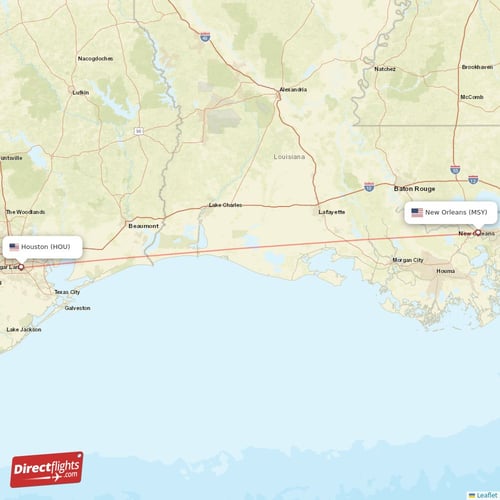
When travelers ask how far it is from Houston to Louisiana, the answer depends largely on your specific destination. Because Louisiana is a large state, the drive can range from a quick trip across the border to a full-day excursion to the eastern reaches of the Mississippi River.

The Direct Path via Interstate 10
The most common and direct route for travelers is Interstate 10. From downtown Houston, it is approximately 100 miles to the Louisiana state line. In ideal traffic conditions, this drive takes about an hour and forty-five minutes. You will pass through the eastern suburbs of Houston, including Baytown, before entering the industrial corridor of Beaumont. The actual border is marked by the Sabine River, where the landscape begins to shift noticeably toward the wetlands that define the region.
Reaching Major Louisiana Hubs
While the border is close, many travelers are heading toward major urban centers. To reach Lake Charles, the first major city in Louisiana when coming from the west, you will travel about 145 miles, which typically takes two and a half hours. If your destination is Lafayette, the heart of Acadiana, the distance increases to 215 miles. For those making the full trek to New Orleans, the total distance is roughly 350 miles, translating to a five- to six-hour drive depending on stops and congestion.
Scenic Alternatives through East Texas
For those who prefer a slower pace, Highway 90 offers a more scenic alternative to the heavy commercial traffic of the interstate. This route takes you through smaller towns and provides a closer look at the Piney Woods of East Texas. While it adds time to the journey, it is an excellent way to experience the local culture and rural beauty that lies between the two major regions.
Essential Stops and Attractions Along the Way
A road trip from Houston to Louisiana is not just about the destination; it is about the unique attractions that line the I-10 corridor. This stretch of highway offers several opportunities to stretch your legs and experience the local flavor.
Gateway Cities: Beaumont and Orange
Before leaving Texas, a stop in Beaumont is highly recommended. Known for its role in the oil boom, the city is home to the Spindletop-Gladys City Boomtown Museum. Just a bit further east is Orange, the final Texas city before the border. Here, travelers can visit the Shangri La Botanical Gardens and Nature Center, which provides a peaceful reprieve from the highway.
Into the Bayou: Lake Charles and Beyond
Once you cross into Louisiana, Lake Charles greets you with a mix of outdoor recreation and entertainment. The city is famous for its casino resorts, such as the L’Auberge Casino Resort and the Golden Nugget Lake Charles. For nature lovers, the Creole Nature Trail All-American Road begins nearby, offering a chance to see alligators and migratory birds in their natural habitat.
The Atchafalaya Basin Bridge
One of the most impressive feats of engineering along the route is the Atchafalaya Basin Bridge. Spanning 18 miles, it is one of the longest bridges in the world over water. Driving across this bridge offers breathtaking views of the Atchafalaya Swamp, the largest wetland and swamp in the United States. It is a quintessential Louisiana experience that reminds travelers of the unique geography of this state.
Planning Your Road Trip: Logistics and Timing
Successfully navigating the distance between Houston and Louisiana requires some strategic planning, particularly regarding traffic and weather.
Traffic Considerations in the Houston Metro Area
The biggest hurdle for any traveler leaving Houston is the city’s notorious traffic. If you are departing during morning or evening rush hour, you can expect significant delays before even reaching the outskirts of the city. To optimize your travel time, it is best to leave Houston either very early in the morning—before 6:00 AM—or after 10:00 AM when the initial commuter surge has subsided.
Best Times of Year for a Gulf Coast Drive
The climate in this part of the country is humid and subtropical. Spring and autumn are the most pleasant times for a road trip. During these seasons, temperatures are mild, and the humidity is manageable. Summer can be incredibly hot and is also the peak of the Atlantic Hurricane Season. If you are traveling between June and November, it is vital to keep an eye on weather forecasts, as heavy tropical rains can occasionally cause flooding on the low-lying stretches of Interstate 10.
Fuel and Amenities
The route is well-served by gas stations and rest areas. Buc-ee’s fans will find locations in Baytown to stock up on snacks and fuel. Once in Louisiana, you will find that many gas stations also serve as local eateries, offering fresh boudin and cracklins, which are essential travel snacks for any visitor to the region.
Exploring Destination Cities in Louisiana
Once you have covered the distance, the reward is the rich culture and history of Louisiana. Each major city offers a different perspective on the state’s heritage.
The Cultural Heart of New Orleans
If your journey ends in New Orleans, you have arrived at one of the most culturally distinct cities in North America. From the historic French Quarter to the jazz clubs of Frenchmen Street, the city is a sensory delight. Visitors can explore the Garden District, take a ride on the St. Charles Streetcar, or enjoy a beignet at Cafe Du Monde.
The Political Hub of Baton Rouge
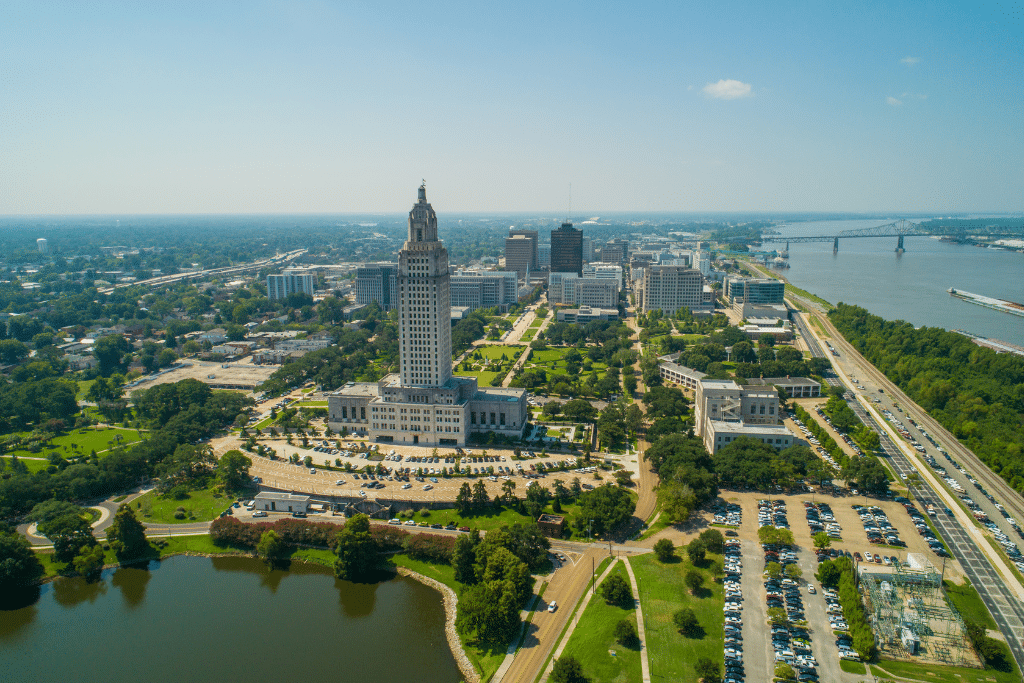
As the capital of Louisiana, Baton Rouge offers a mix of political history and college town energy. The Louisiana State Capitol is a stunning example of Art Deco architecture and is the tallest capitol building in the United States. Sports fans might also enjoy visiting the campus of Louisiana State University, known for its passionate fans and the iconic Tiger Stadium.
Lafayette and Cajun Country
For a deeper dive into the traditions of the Acadians, Lafayette is the place to be. This city serves as the center of Cajun Country. Travelers can visit Vermilionville, a living history museum and folklife park that preserves the heritage of the Cajun, Creole, and Native American cultures of the region. The food scene here is legendary, featuring authentic gumbo and etouffee that are worth the drive alone.
Conclusion
The distance from Houston to Louisiana is short enough for a quick getaway but expansive enough to offer a true sense of travel and discovery. Crossing the Sabine River signifies a transition into a land of moss-draped oaks, spicy cuisine, and unparalleled hospitality. By planning your route through the I-10 corridor, making time for stops in cities like Lake Charles and Lafayette, and timing your departure to avoid Houston traffic, you can ensure a smooth and memorable journey into the heart of the American South. Whether you are drawn by the neon lights of the casinos or the quiet beauty of the bayous, the road from Space City to the Bayou State is a path well worth taking.
LifeOutOfTheBox is a participant in the Amazon Services LLC Associates Program, an affiliate advertising program designed to provide a means for sites to earn advertising fees by advertising and linking to Amazon.com. Amazon, the Amazon logo, AmazonSupply, and the AmazonSupply logo are trademarks of Amazon.com, Inc. or its affiliates. As an Amazon Associate we earn affiliate commissions from qualifying purchases.