
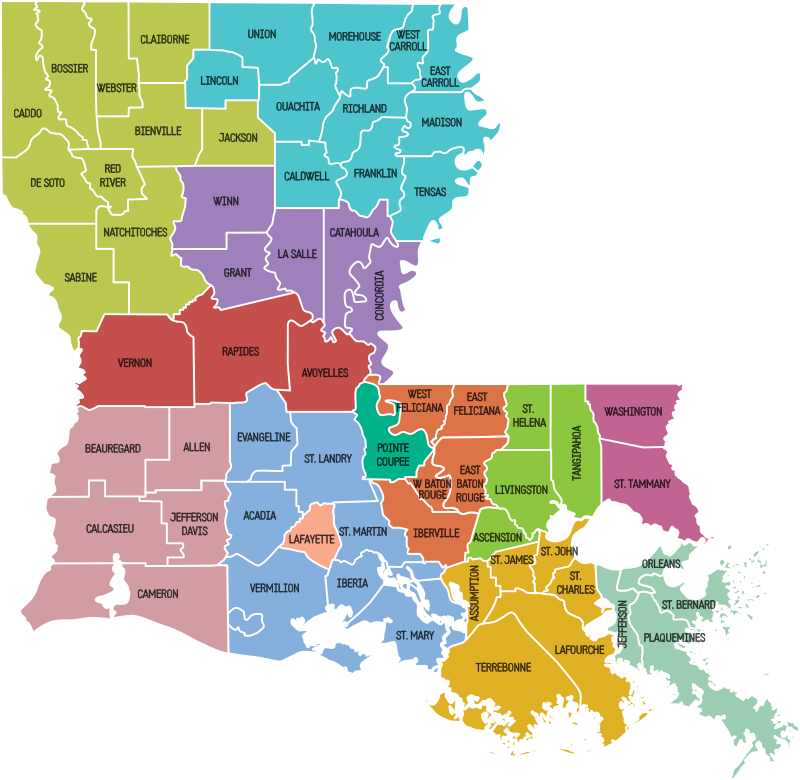
When travelers first cross the border into Louisiana, they often notice a linguistic quirk that sets this state apart from the rest of the United States. While 49 states are divided into counties, the Pelican State is partitioned into 64 “parishes.” For the curious tourist, understanding what a parish is involves more than just a lesson in administrative terminology; it is a gateway into the rich, multicultural tapestry of Louisiana history, law, and local identity. From the moss-draped bayous of the south to the rolling hills of the north, the parish system is the foundation upon which the state’s unique tourism experiences are built.
The Cultural Roots of the Parish System
The term “parish” is a direct reflection of Louisiana’s colonial past. Unlike the English-influenced county systems found in states like Virginia or Massachusetts, Louisiana was shaped by the legal and religious traditions of France and Spain. For the traveler, this history is visible in every street sign and historic plaza.
A Legacy of Faith and Governance
In the early 18th century, when Louisiana was a colony of France, the territory was divided into ecclesiastical districts served by the Roman Catholic Church. These districts were known as parishes. Even after the United States acquired the territory in the Louisiana Purchase of 1803, the local population was hesitant to adopt the American “county” designation. In 1807, the territorial legislature officially adopted the parish as the primary unit of local government.
Today, this means that when you visit New Orleans, you are in Orleans Parish. When you visit the state capital of Baton Rouge, you are in East Baton Rouge Parish. For a tourist, this distinction is a reminder that Louisiana operates under the Napoleonic Code, a civil law system that differs significantly from the common law used in other states.
Regional Identities and Parish Pride
The parishes are more than just lines on a map; they represent distinct cultural zones. Southern Louisiana is often associated with French and Spanish Catholic traditions, while the northern parishes, such as those near Shreveport or Monroe, share more cultural similarities with the American South and Protestant traditions. Travelers moving from St. Tammany Parish to Caddo Parish will notice shifts in architecture, dialect, and even the local “festival” calendar, which is a core part of the Louisiana tourism experience.
Exploring the Culinary Map of Louisiana Parishes
One of the most compelling reasons to tour Louisiana is the food, and the parish system provides a perfect framework for a culinary road trip. Each parish often claims its own specialty dish or specific way of preparing a classic.
The Creole Flavors of Orleans Parish
In Orleans Parish, tourism revolves heavily around the refined world of Creole cuisine. This is the home of the world-famous French Quarter, where visitors flock to historic establishments like Antoine’s Restaurant or Arnaud’s. The flavors here are sophisticated, influenced by the chefs of Europe and the Caribbean. A trip to New Orleans is incomplete without sampling turtle soup, shrimp remoulade, or the iconic beignets at Cafe Du Monde.
Cajun Delights in the Acadiana Parishes
Head west from the city into Cajun Country, and the vibe changes. In Lafayette Parish, the heart of Acadiana, the food is rustic, spicy, and communal. This is the land of boudin—a savory sausage made of pork and rice—and cracklins. Parishes like St. Landry Parish and Vermilion Parish are famous for their “Boudin Trails,” where tourists can hop from one small-town butchery to another.
In the city of Lafayette, the tourism board heavily promotes “Plate Lunch” culture. These are hearty, home-cooked meals served in local diners that reflect the working-class roots of the Acadian people. If you find yourself in Lake Charles within Calcasieu Parish, you might encounter more seafood-centric dishes influenced by the proximity to the Gulf of Mexico.
Landmark Parish Experiences: From the Big Easy to the Bayou
The diversity of Louisiana’s parishes means that every traveler can find a destination that suits their interests. Whether you are looking for urban excitement, historical immersion, or outdoor adventure, there is a parish that delivers.
Iconic Sights in Orleans and Jefferson Parishes
Most visitors begin their journey in Orleans Parish. Landmarks like Jackson Square and the St. Louis Cathedral are must-see destinations that showcase the city’s colonial architecture. Walking through the Garden District allows tourists to admire the grand antebellum mansions that define the city’s historical wealth.
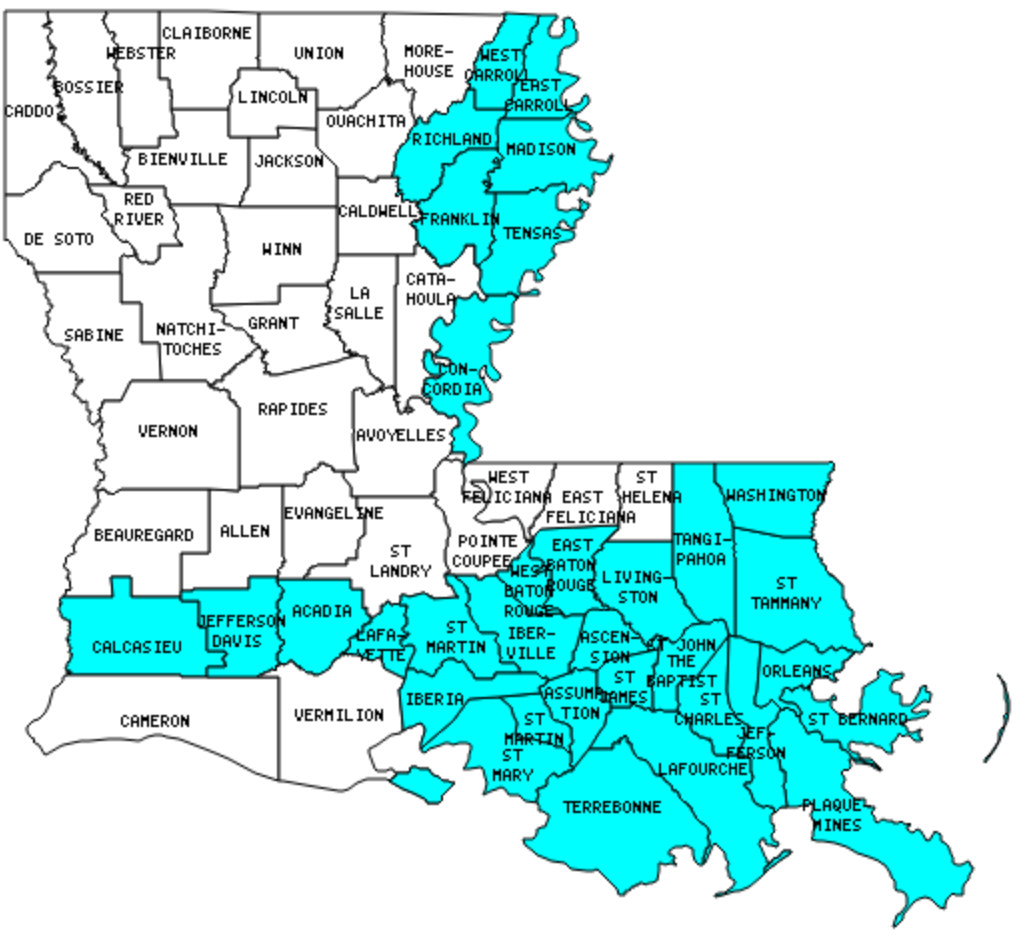
Neighboring Jefferson Parish offers a different kind of experience. While it includes suburbs of New Orleans, it is also home to the Jean Lafitte National Historical Park and Preserve. Here, travelers can trade the jazz clubs of Bourbon Street for a swamp tour, where they can spot alligators and learn about the delicate ecosystem of the Mississippi River Delta.
Nature and Heritage in the Heartland Parishes
Moving into the center of the state, St. Martin Parish is home to the town of St. Martinville, often called “Little Paris.” It is famous for the Evangeline Oak, a landmark made famous by Henry Wadsworth Longfellow’s poem about the Acadian expulsion.
For those seeking the great outdoors, St. Mary Parish and Iberia Parish provide access to the Atchafalaya Basin, the largest wetland and swamp in the United States. Tourism here is focused on eco-tours, bird watching, and fishing. In Iberia Parish, you can also visit Avery Island, the birthplace of Tabasco Sauce. Touring the factory and the surrounding Jungle Gardens is a quintessential Louisiana experience.
The Festive Spirit: Parishes and Their Celebrations
No discussion of Louisiana parishes would be complete without mentioning the festivals. The state is often called the “Festival Capital of the World,” and many of these events are deeply tied to the specific identity of the parish in which they are held.
Mardi Gras Beyond Orleans Parish
While the world focuses on the parades of New Orleans, many rural parishes celebrate Mardi Gras in a much more traditional, albeit chaotic, way. In Evangeline Parish and Acadia Parish, you can witness the “Courir de Mardi Gras” (Mardi Gras Run). This involves masked riders on horseback traveling through the countryside to “beg” for ingredients for a communal gumbo. For a tourist looking for an authentic cultural experience, this is far more insightful than the commercialized version of the holiday.
Specialized Cultural Festivals
Each parish finds a reason to celebrate. Natchitoches Parish is home to the oldest settlement in the Louisiana Purchase, the town of Natchitoches. It is famous for its Christmas Festival of Lights, which draws thousands of visitors to the banks of Cane River Lake.
Meanwhile, Tangipahoa Parish hosts the Louisiana Renaissance Festival, and St. John the Baptist Parish is known for the Bonfire Festival on Christmas Eve. These events are the lifeblood of local tourism, offering a glimpse into the community spirit that defines the parish system.
Practical Tips for Navigating Louisiana’s Unique Geography
For the first-time visitor, navigating the parish system requires a little bit of preparation. Because Louisiana geography is so varied—ranging from urban centers to remote marshlands—knowing where you are is key to a successful trip.
Understanding Parish Seats
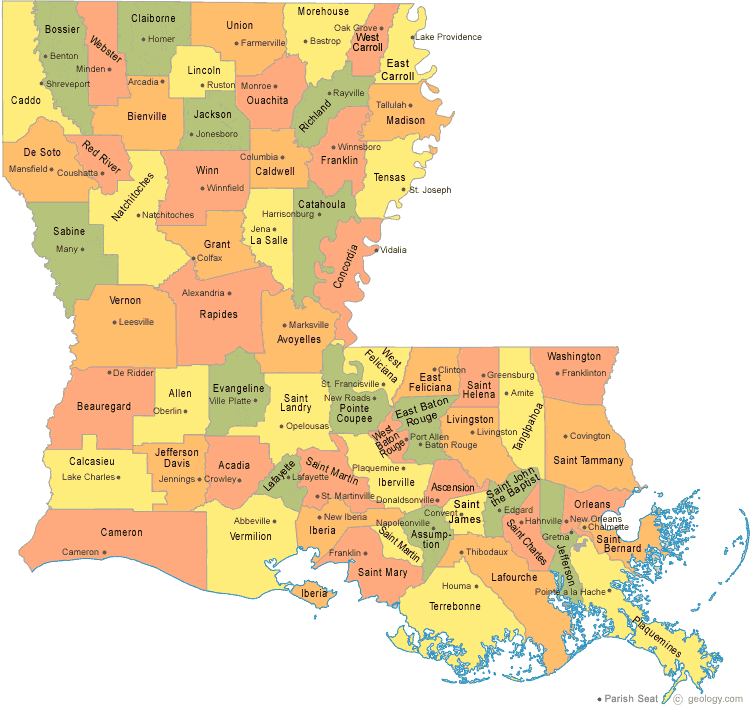
Each parish has a “Parish Seat,” which is the equivalent of a county seat. This is usually where you will find the most historical architecture, including the parish courthouse. In Natchitoches or Clinton (the seat of East Feliciana Parish), these courthouses are architectural gems that provide excellent photo opportunities for those interested in history and design.
Moving Between Parishes
Traveling between parishes is relatively easy thanks to a network of well-maintained highways, but keep in mind that the landscape can change rapidly. Crossing from Ascension Parish into Iberville Parish might take you from a bustling suburban area to a quiet river road lined with sugar cane fields and historic plantations like Nottoway Plantation.
When planning your itinerary, it is helpful to use the parish names when searching for local events or weather updates. Local news outlets in Baton Rouge or Alexandria will often refer to their coverage area by parish, so being familiar with the names will help you stay informed during your stay.
Embracing the Local Lexicon
Finally, don’t be afraid to ask locals about their parish. Residents are often very proud of their specific corner of Louisiana. Whether they are discussing the best place to find crawfish in St. Martin Parish or the history of the Oil City in Caddo Parish, the people are the best guides to understanding what a parish truly is.
In Louisiana, a parish is more than a legal boundary; it is a vessel for culture, a container for history, and a roadmap for adventure. Whether you are exploring the bustling streets of New Orleans or the quiet trails of Tunica Hills in West Feliciana Parish, the parish system ensures that your journey will be unlike any other in the United States.
LifeOutOfTheBox is a participant in the Amazon Services LLC Associates Program, an affiliate advertising program designed to provide a means for sites to earn advertising fees by advertising and linking to Amazon.com. Amazon, the Amazon logo, AmazonSupply, and the AmazonSupply logo are trademarks of Amazon.com, Inc. or its affiliates. As an Amazon Associate we earn affiliate commissions from qualifying purchases.