
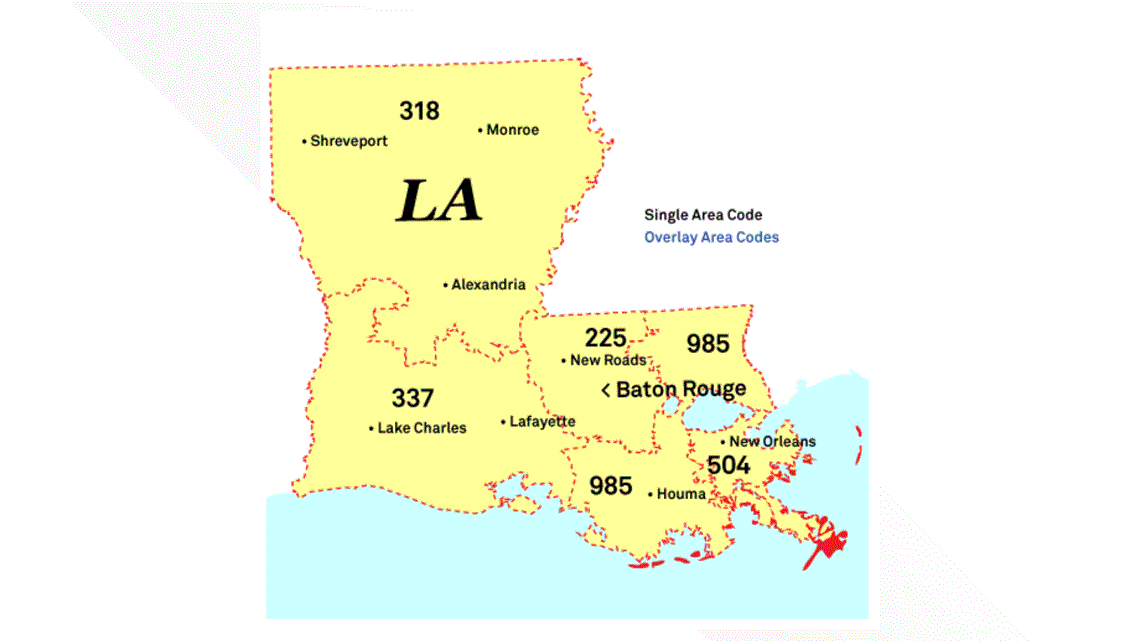
When planning a journey to the heart of the Deep South, travelers often find themselves looking for practical details that bridge the gap between logistics and local culture. If you are preparing to visit the “Big Easy,” you might ask: What is the area code for New Orleans, Louisiana? The answer is 504. However, in this historic city, 504 is far more than just a numerical prefix for telephone calls; it is a cultural badge of honor, a symbol of resilience, and a central part of the local identity.
For the modern tourist, understanding the “504” is your first step into the vibrant, jazz-filled streets of one of the most unique cities in the United States. Whether you are booking a table at a legendary Creole restaurant or checking the hours of a museum in the Warehouse District, the 504 area code will be your constant companion.
The Cultural Significance of the 504 Area Code
In many cities, an area code is a forgotten utility. In New Orleans, it is a brand. To understand the tourism landscape of the city, one must first understand why residents and local businesses cling so fiercely to these three digits.
A Brief History of the 504
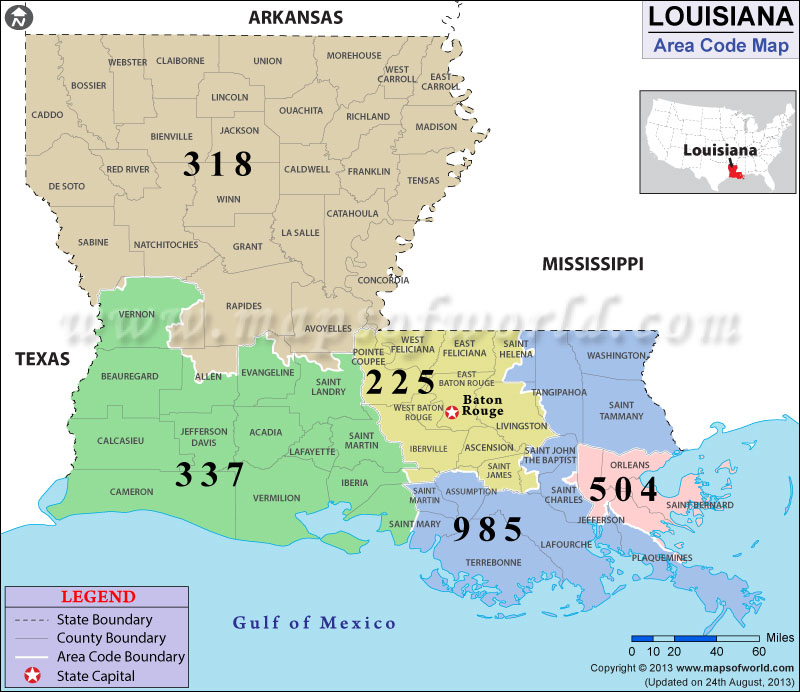
Originally established in 1947, the 504 area code once covered the entire state of Louisiana. As the population grew and technology advanced, the code was gradually narrowed down. Today, it specifically serves the Greater New Orleans area, including Metairie, Kenner, and the West Bank. For locals, having a 504 number signifies that you are “from here,” surviving through the highs and lows of the city’s tumultuous history, including the recovery following Hurricane Katrina.
The 504 in Local Art and Music
As you explore the Marigny or the Bywater neighborhoods, you will notice the number 504 emblazoned on t-shirts, murals, and even jewelry. The local hip-hop scene and brass bands often reference the area code in their lyrics, cementing its status as a shorthand for the city’s soul. For a tourist, recognizing this number helps you appreciate the deep-seated pride that defines the local tourism experience. It isn’t just about the phone number; it’s about the people who answer it.
Navigating New Orleans: Practical Tips for the Modern Tourist
Knowing the area code is just the beginning. To truly experience New Orleans as a savvy visitor, you need to understand how to navigate its unique systems, from communication to transportation.
Communication and Connectivity
When dialing local businesses from your mobile phone, remember that the United States uses a ten-digit dialing system. Even if you are within the city limits, you must include the 504 prefix. Most tourist hubs, such as Jackson Square and the New Orleans Ernest N. Morial Convention Center, offer high-speed Wi-Fi, but having a reliable cellular connection is essential for using ride-sharing apps or navigating the winding streets of the French Quarter.
Reaching the City: Flights and Transport
Your 504 journey likely begins at the Louis Armstrong New Orleans International Airport. Located in Kenner, this modern facility is the gateway to the region. Once you land, you have several options to reach the downtown area. While many choose taxis or ride-shares, the Jefferson Transit and Regional Transit Authority offer bus services that connect the airport to the city. For a more scenic entry, consider the St. Charles Streetcar, which provides a historic and affordable way to see the Garden District.
Exploring the Must-See Landmarks of the 504
New Orleans is a city of landmarks, each with a story that contributes to the tapestry of Louisiana history.
The Historic French Quarter
No visit to the 504 is complete without a walk through the French Quarter. As the oldest neighborhood in the city, it is home to the iconic St. Louis Cathedral, which overlooks Jackson Square. Here, you can watch street performers, consult with tarot card readers, or browse the local art stalls. Just a few blocks away, Bourbon Street offers a high-energy atmosphere filled with neon lights and jazz clubs, while Royal Street provides a more refined experience with its antique shops and fine art galleries.
The Garden District and Beyond
For a change of pace, take the streetcar up to the Garden District. This area is famous for its well-preserved antebellum mansions and the hauntingly beautiful Lafayette Cemetery No. 1. History buffs should not miss the National WWII Museum, located in the Central Business District. It is consistently ranked as one of the top museums in the world, offering immersive exhibits that tell the story of the American experience in World War II.
Nature and the Outdoors
If you need a break from the urban bustle, the Audubon Park and the New Orleans City Park offer vast green spaces. City Park is home to the New Orleans Museum of Art and a stunning collection of ancient live oaks draped in Spanish moss. For a more wild experience, many tourists book excursions to the nearby Honey Island Swamp or take a ride on the Steamboat Natchez to see the Mississippi River in all its glory.
Culinary Tourism: Tasting the Heart of New Orleans
Food is the language of New Orleans. When you call a 504 number to make a reservation, you are likely about to embark on a culinary adventure that combines French, Spanish, African, and Caribbean influences.
Iconic Eateries and Flavors
You cannot visit without stopping at Cafe Du Monde for beignets and cafe au lait. This open-air coffee shop has been a staple of the French Market since 1862. For a formal dinner, Commander’s Palace in the Garden District offers the pinnacle of Haute Creole cuisine. If you are looking for something more casual, grab a muffuletta from Central Grocery or a po-boy from Parkway Bakery and Tavern.
The Spirit of the City: Festivals and Cocktails
New Orleans is the birthplace of several classic cocktails, including the Sazerac and the Ramos Gin Fizz. Visiting the Sazerac House is a great way to learn about the city’s spirited history. Of course, many tourists time their visit to coincide with Mardi Gras, the city’s world-famous Carnival celebration. If the crowds of February are too much, the New Orleans Jazz & Heritage Festival, commonly known as Jazz Fest, held in late April and early May, offers a more focused celebration of music and food.
Safety and Etiquette for Visitors
To make the most of your time in the 504, it is important to be a respectful and informed traveler.
Local Etiquette
New Orleans is known for its hospitality. It is common for strangers to greet you on the street with a “good morning” or a “how y’all doing?” Engaging in this local friendliness is part of the charm. When visiting sacred sites like the St. Louis Cemetery No. 1, remember that these are active sites of remembrance; guided tours are required, and respectful behavior is expected.
Safety Tips
Like any major tourist destination in the United States, it is wise to stay aware of your surroundings. Stick to well-lit areas, especially at night in the French Quarter or Faubourg Marigny. If you have questions or need assistance, the New Orleans Police Department and the “Gold Shirts” (the Downtown Development District ambassadors) are readily available to help visitors.
Essential Contact Information
Before you head out to explore the Crescent City, save a few essential 504 numbers in your phone. This includes your hotel’s front desk, the number for a local taxi service like United Cabs, and the New Orleans Visitor Center. Having these “504” connections at your fingertips ensures that help or information is always just a quick call away.
In conclusion, the area code for New Orleans, Louisiana, is much more than a technical necessity for the 504 region. It is an invitation to experience a city that lives and breathes through its culture, history, and community. From the first beignet to the last jazz note on Frenchmen Street, the 504 welcomes you with open arms. Enjoy your stay in the most soulful city in the United States, and don’t be surprised if you find yourself wanting to keep that 504 connection long after you’ve returned home.
LifeOutOfTheBox is a participant in the Amazon Services LLC Associates Program, an affiliate advertising program designed to provide a means for sites to earn advertising fees by advertising and linking to Amazon.com. Amazon, the Amazon logo, AmazonSupply, and the AmazonSupply logo are trademarks of Amazon.com, Inc. or its affiliates. As an Amazon Associate we earn affiliate commissions from qualifying purchases.